Vinyl is where beginners lose the most money, and almost none of it is wasted on bad products. It is wasted on the wrong product for the surface. A wall decal in permanent vinyl takes the paint off when you move. A car decal in removable vinyl lifts at the edges within a season. A shirt made with adhesive vinyl instead of heat transfer vinyl goes stiff, cracks, and comes off in the first wash. All three are the same mistake, and all three are trivially avoidable once someone explains the categories properly.
Heat transfer vinyl — HTV, sometimes sold as iron-on — goes on fabric. It has a clear plastic carrier sheet on the front, you cut it mirrored, and heat bonds it to the fibers. It will not stick to a tumbler, a window or a wall.
Adhesive vinyl goes on hard surfaces. It has a paper backing, you cut it the right way round, and it sticks by adhesive alone with no heat involved. It will not survive a wash cycle on a shirt. The full comparison is here, and it is probably the single most useful page on this site for a first-time buyer.
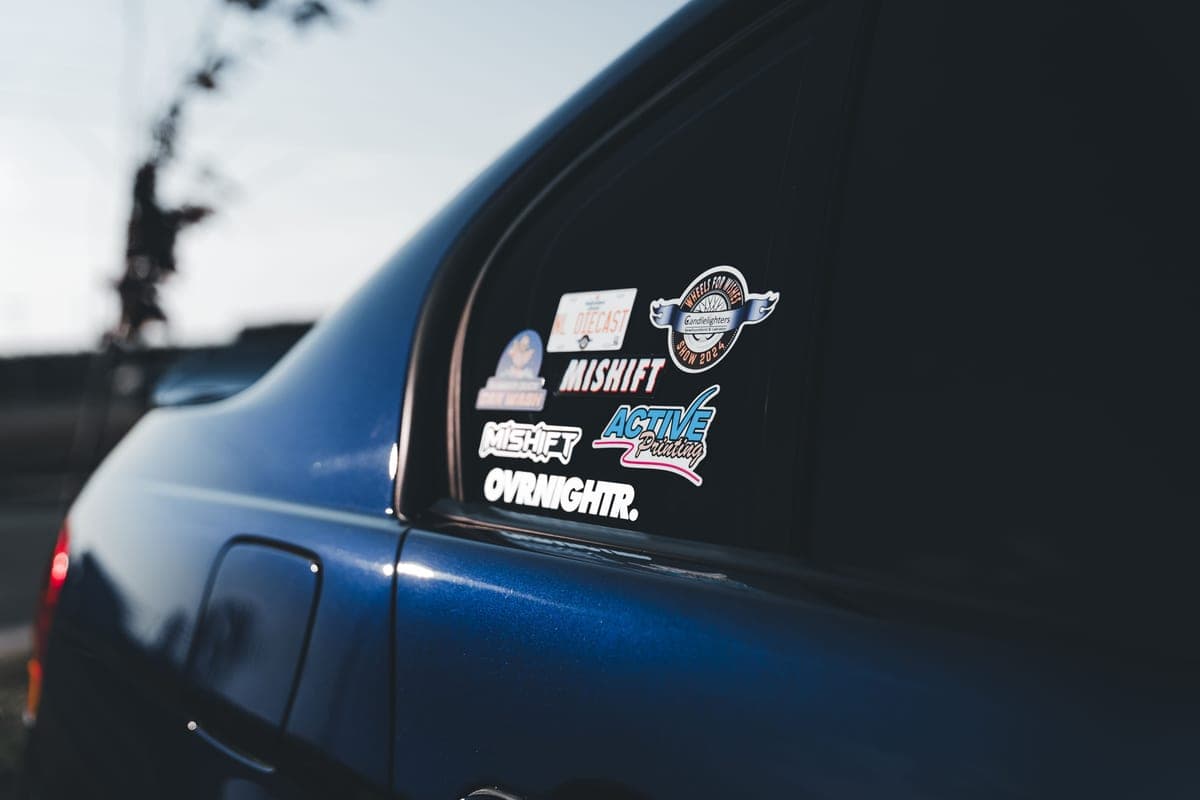
Permanent vinyl uses a solvent-based adhesive built to survive weather, sunlight and washing. It is what you want for car decals, outdoor signage, tumblers and anything that gets wet. Removable vinyl uses a low-tack adhesive designed to come off cleanly. It is what you want for walls, temporary signage and stencils.
The naming is genuinely confusing because craft-store packaging rarely uses the industry codes. In professional terms, Oracal 651 is the reference permanent vinyl and Oracal 631 is the reference removable. Once you know those two numbers you can decode most of the market, and the permanent versus removable page lays out which goes where, surface by surface.
People overrate brand when choosing a machine and underrate it when choosing vinyl, which is exactly backwards. Cheap HTV weeds badly — the fine interior pieces tear instead of lifting, and a detailed script design becomes a twenty-minute ordeal with tweezers. Cheap adhesive vinyl has inconsistent tack, so some sheets lift on application and others refuse to release from the backing.
Our practical position is that beginners should learn to weed on something forgiving, then switch to cheaper material by the roll once their technique is good enough that the difference stops mattering. The HTV roundup names which is which and why, and best vinyl for Cricut covers the adhesive side.
The technique pages matter more than the product pages
You can buy the correct vinyl and still produce a bad result, because two steps between cutting and finishing are where projects actually fail. Weeding is removing the vinyl you did not want; do it badly and you tear the design. Application is moving the weeded design onto its surface with the spacing intact, which needs transfer tape for adhesive vinyl and correct heat and pressure for HTV.
How to weed vinyl covers the first, including the reverse-weeding trick that makes fine script manageable. How to use HTV covers the second, with the settings and the failure modes. If a project has gone wrong and you are not sure why, start with those two rather than buying a different machine.
The consumables nobody warns you about
Cutting mats lose their tack and need replacing — a tired mat lets material shift mid-cut, which looks exactly like a machine fault and is not one. Blades dull, faster on cardstock and glitter material than on plain vinyl, and a dull blade tears rather than cuts. Both are cheap; both are the first thing to check when a machine that worked yesterday stops working today. The mat guide and the blade guide cover which to buy and when to replace.