Do You Need a Heat Press?
Only if you are putting designs on fabric. For everything else, this is a purchase you can skip entirely.
Heads up: Mat & Blade earns a commission from qualifying purchases made through the links on this page, at no extra cost to you. It never changes which products we recommend or how we rank them. Read the full disclosure.
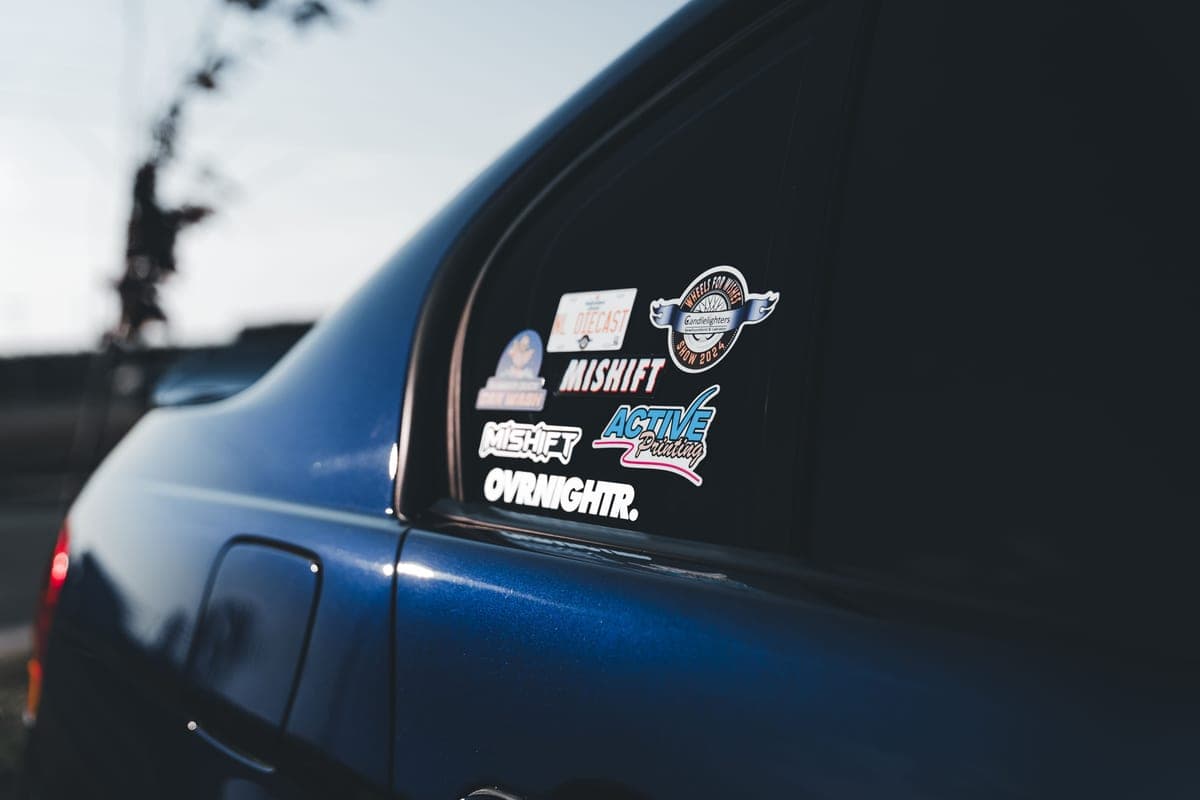
You need a heat source only for fabric. Decals on tumblers, cars, laptops, glass and walls use adhesive vinyl, which sticks with no heat at all. If those are your projects, you can skip the single largest accessory purchase in the hobby entirely.
The dividing line
| Project | Heat needed? |
|---|---|
| T-shirt, hoodie, tote bag | Yes |
| Baseball cap | Yes, with a curved platen |
| Tumbler or water bottle | No |
| Car window decal | No |
| Laptop or phone case | No |
| Wall quote | No |
| Glass or ceramic decor | No |
| Wooden sign (vinyl or stencil) | No |
| Paper craft and cards | No |
| Sublimation, anything | Yes — and often a specific press type |
The rule underneath the table is straightforward: heat transfer vinyl bonds to fabric using heat. Adhesive vinyl sticks to hard surfaces using adhesive. The full distinction is the most useful thing a beginner can learn.
What an iron can actually do
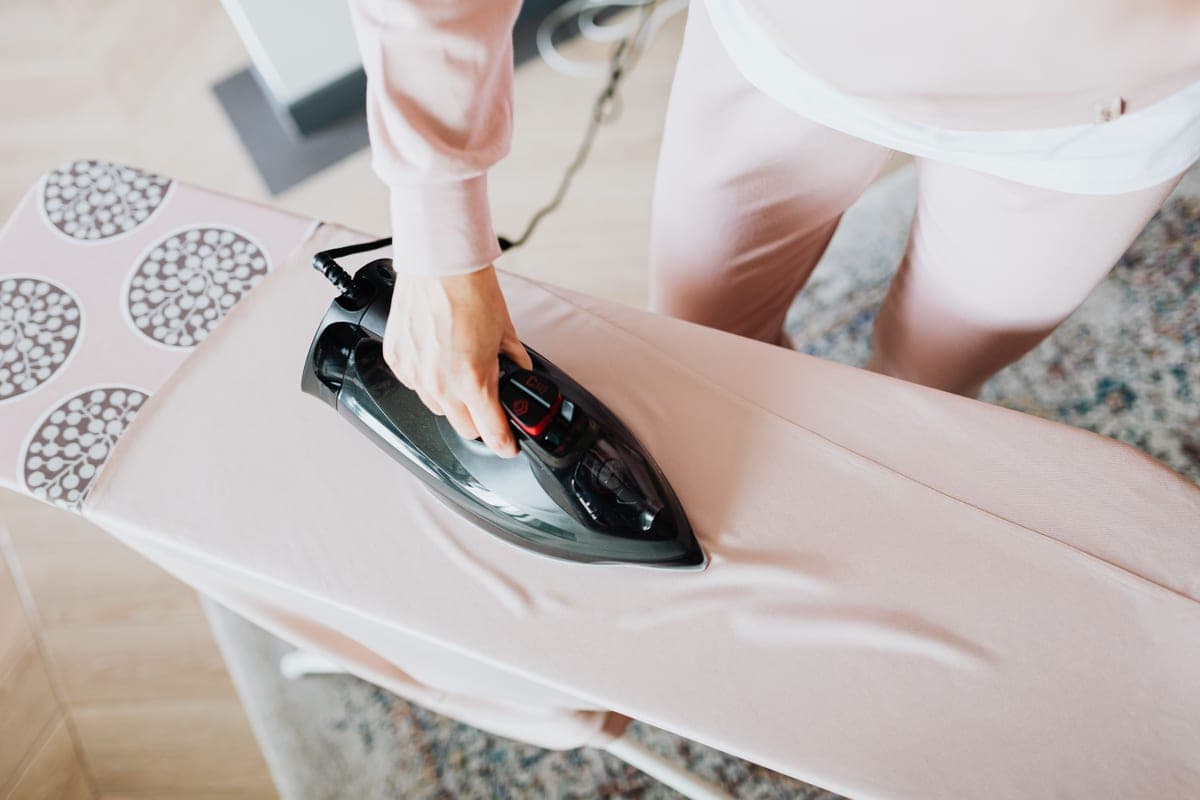
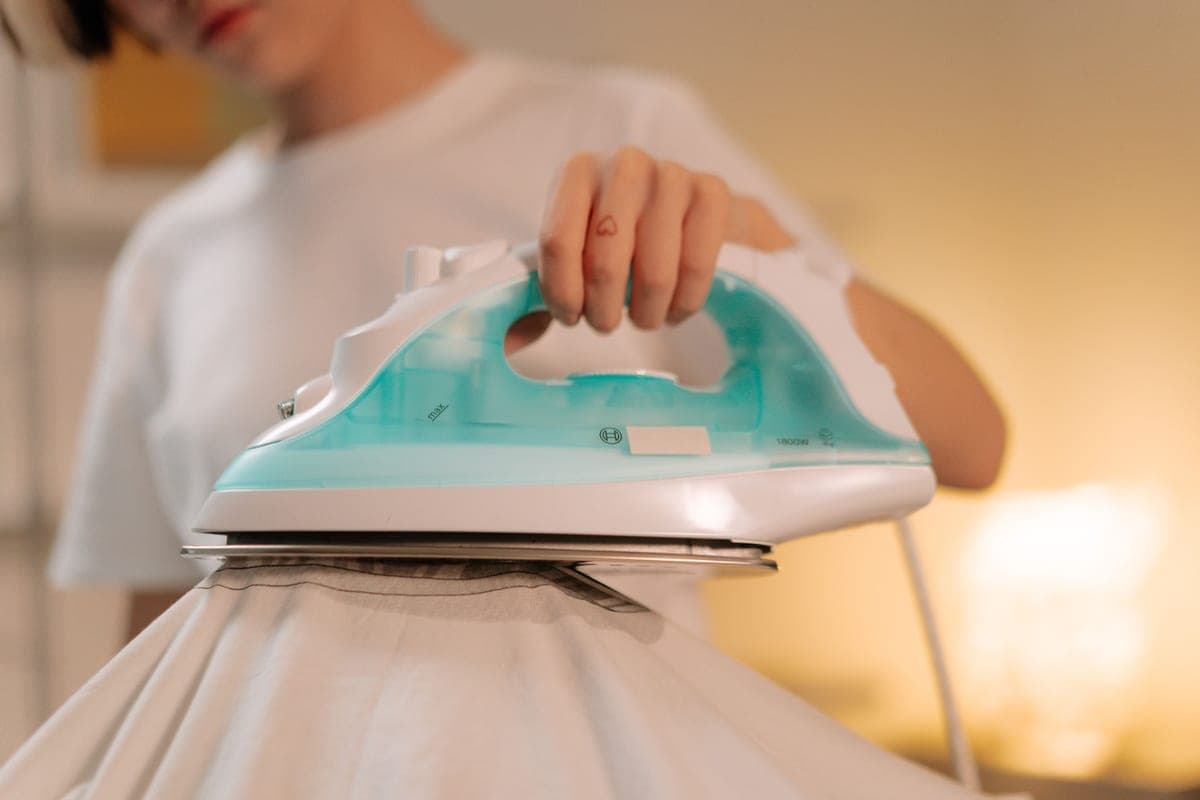
Plenty of people have made shirts with a household iron, and it can work. It is worth being precise about why the results are inconsistent rather than simply asserting that it does not.
Temperature. An iron's thermostat cycles on and off to hold an average, so the plate temperature swings by tens of degrees. A press holds a set value. Since heat transfer adhesives activate within a range, a swinging temperature means part of your press was below it.
Pressure. An iron's soleplate has steam holes, so the areas of a design sitting over holes receive less pressure. Ironing boards are also padded, which absorbs force rather than transmitting it. Between them, pressure across a design ends up uneven in ways you cannot see.
The result is a predictable failure mode: the design adheres, looks finished, and lifts at the corners after a couple of washes.
Getting the best out of an iron
If you want to test whether you enjoy making shirts before committing to a press, this improves the odds substantially.
1Turn steam off and empty the water
Steam is actively working against you, and moisture under a transfer prevents bonding. Empty the reservoir so it cannot release any mid-press.
2Work on a firm surface
A wooden board or a firm heat press mat on a table, not a padded ironing board. This is the single biggest improvement available.
3Set high and let it stabilize
Use the highest steady setting for the fabric and give it several minutes to stabilize rather than pressing as soon as the light goes out.
4Pre-press the blank
Five seconds on the bare garment to drive out moisture and flatten it.
5Press, do not iron
Press straight down with your body weight and hold. Do not slide the iron around — sliding shifts the design and applies uneven force.
6Work in sections and overlap
An iron is small, so press one area at a time for the full duration, overlapping each section rather than sweeping across.
7Use a cover sheet
Parchment paper between the iron and the carrier sheet prevents scorching and stops the carrier sticking to the soleplate.
The cheapest real heat source
If you have decided you do need one, the entry point is lower than people assume. A mini press gives you genuinely controlled heat for very little, and is a useful specialist tool afterwards for hats, seams and small patches. A budget clamshell costs more but gives you a full-size plate and real clamp pressure, which is better for shirts.
Budget options in detail, and the beginner roundup if you want the full picture.
Start with decals instead
A genuinely good option if you are unsure. Decal projects need no heat source, which removes the largest accessory cost and lets you learn cutting, weeding and applying — the transferable skills — for less money. If you enjoy those, add a heat press and move to shirts.
Your first decal, step by step is the place to start, and which vinyl to buy covers the material.
1. Best for projects needing no heat at all
Oracal 651 Permanent Vinyl
Oracal · Currently sold · Verified 2026-09-27
Adhesive vinyl sticks by adhesive, with no heat involved anywhere in the process. Tumblers, car decals, laptop stickers, glass, wall quotes — all of them need this and a weeding hook, and nothing else. If your project list is these, you can skip the single largest accessory cost in the hobby.
What works
- The reference permanent vinyl — settings and behavior are documented everywhere
- Genuinely weather-resistant, which most craft-store vinyl is not
- Wide color range and readily available by the roll
What does not
- Permanent means permanent — removing it from paint or a wall can take finish with it
- Gloss finish is not what you want on a wall quote
- Not for fabric under any circumstances
Not for you if
You are decorating a rented wall. Use removable 631 instead and keep your deposit.
Key specs
- Type
- Adhesive vinyl — for hard surfaces, not fabric
- Adhesive
- Permanent, solvent-based
- Outdoor durability
- Oracal rates 651 for up to six years outdoors
- Finish
- Gloss (matte available in some colors)
- Typical use
- Car decals, window signs, tumblers, outdoor labels
#ad · affiliate link · we never show a price we cannot verify
2. Best for if fabric is on the list
Cricut EasyPress SE
Cricut · Currently sold · Verified 2026-09-27
The point at which a heat source becomes genuinely necessary is when a design has to go onto fabric and survive washing. A press that holds a set temperature and gives even plate contact is what makes that reliable, and this is the easiest version to live with.
What works
- Holds a set temperature, which a household iron does not
- Even plate contact across the whole design
- Cricut's Heat Guide gives exact settings for it by material
- Stores away, which matters more than people expect
What does not
- You supply the pressure by leaning on it, so results depend on your technique
- Costs more than a comparably sized clamshell press
- Small plates mean multi-press passes on a big design
Not for you if
You are pressing more than a handful of shirts a week. Leaning on a handheld press twenty times an evening gets old fast — buy a clamshell.
Key specs
- Type
- Handheld heat press
- Plate sizes
- 12 x 10 in and 9 x 9 in in the SE line
- Temperature
- Set precisely; holds it, unlike a household iron
- Timer
- Built in, with an audible finish
- Storage
- Shelf or drawer — no permanent bench space
#ad · affiliate link · we never show a price we cannot verify
3. Best for making an iron work better
Heat Press Mat
Various · Currently sold · Verified 2026-09-27
If you are testing the waters with a household iron before committing to a press, a firm heat-safe surface is the cheapest thing that improves your odds. Most of an iron's failures come from uneven pressure, and a padded ironing board is half the problem.
What works
- Turns an uneven surface into an even one, which is most of a good press
- Protects the table underneath
- Costs very little relative to the failures it prevents
What does not
- One more thing to store
- Does not fix pressure that is simply too light
Not for you if
You have a clamshell press with a proper lower platen. The platen already does this job.
Key specs
- Purpose
- Firm heat-resistant base that concentrates pressure into the design
- Why it matters
- Absorbs seams and zips so the design sits flat
- Sizes
- Sized to match common press plates
#ad · affiliate link · we never show a price we cannot verify
Common questions
Do I need a heat press for a Cricut?
Can I make t-shirts without a heat press?
Why is an iron worse than a heat press?
What is the cheapest way to press heat transfer vinyl?
Can I use a hair straightener for small designs?
Sources
- Siser application guidance — Heat, time and pressure requirements for heat transfer vinyl, verified 27 September 2026
- Cricut Heat Guide and material information — Iron-on application requirements, verified 27 September 2026
How we picked
We verify every product is currently sold by reading the manufacturer's own catalog, compare published specifications rather than marketing copy, and rank on what a first-time buyer has to decide. We do not run lab tests and we do not claim to, and commission never affects the order.
Read this next
The Best Heat Press for Beginners
Handheld or clamshell, which suits your volume and space, and when you need no press at all.
HTV vs Adhesive Vinyl
The single most useful distinction for a beginner: which vinyl family goes on which surface.
Your First Vinyl Decal
The cheapest first project — a complete decal walkthrough with no heat source required.
The Best Budget Heat Press
The cheapest presses that genuinely work, what you give up, and the check to run before trusting one.
How to Use HTV
The full HTV process from cut to peel, plus a troubleshooting section for when it does not stick.
Back to Heat Presses.