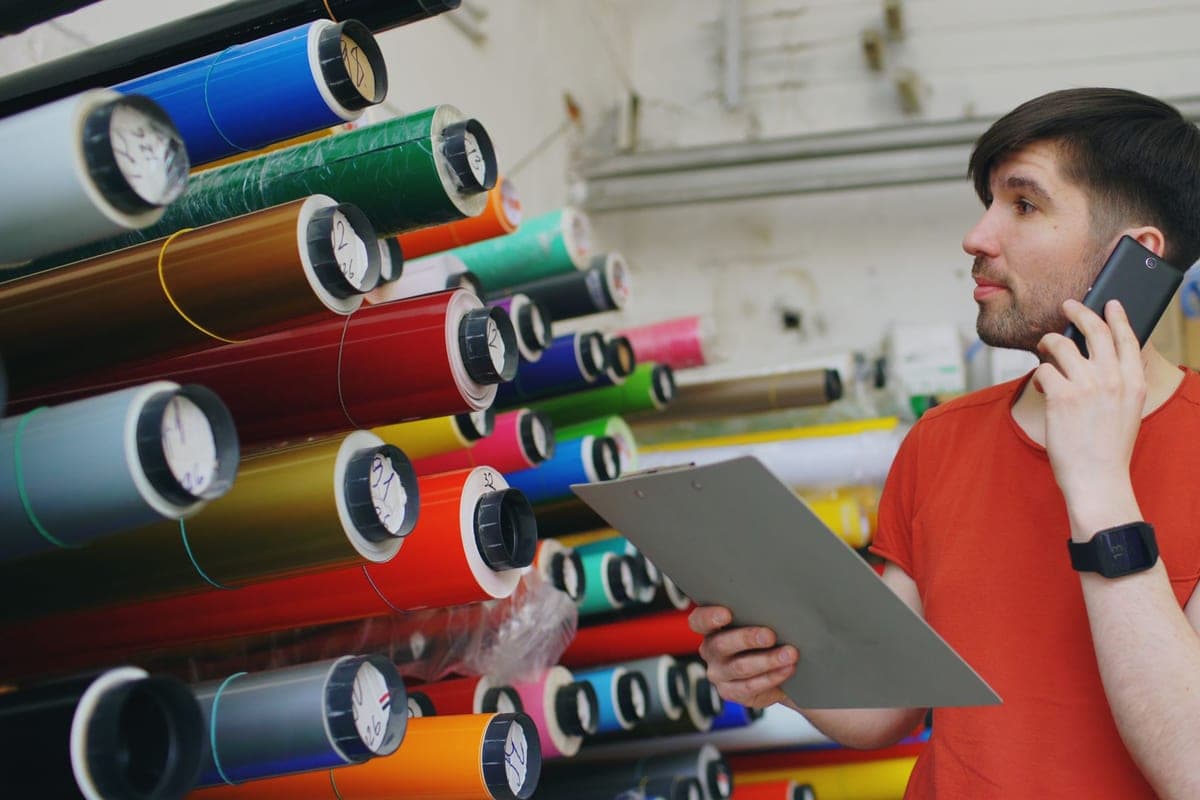
The Best HTV Vinyl for Beginners
Heat transfer vinyl is the material that decides whether your first shirt works. Here is which to buy.
Heads up: Mat & Blade earns a commission from qualifying purchases made through the links on this page, at no extra cost to you. It never changes which products we recommend or how we rank them. Read the full disclosure.
Buy Siser EasyWeed for your first shirts. It weeds more cleanly than anything else at the price, which is the thing that actually matters while you are learning, and Siser publish settings you can follow rather than guess at. Once your technique is good, switch to HTVRONT rolls and cut your cost per shirt substantially.
Quick picks
| # | Product | Best for | Price |
|---|---|---|---|
| 1 | Siser EasyWeed HTVThe default heat transfer vinyl for beginners: it weeds cleanly, presses at a forgiving temperature, and is... | Your first shirt | Check price on Amazon #ad · affiliate link · we never show a price we cannot verify |
| 2 | Cricut Everyday Iron-OnThe easiest HTV to get right on a Cricut, because Cricut's own heat guide lists exact settings for it again... | Matching your machine's own settings | Check price on Amazon #ad · affiliate link · we never show a price we cannot verify |
| 3 |  HTVRONT HTV RollsThe budget HTV that most people move to once they stop making one shirt at a time — noticeably cheaper by t... | Cost per shirt | Check price on Amazon #ad · affiliate link · we never show a price we cannot verify |
| 4 | 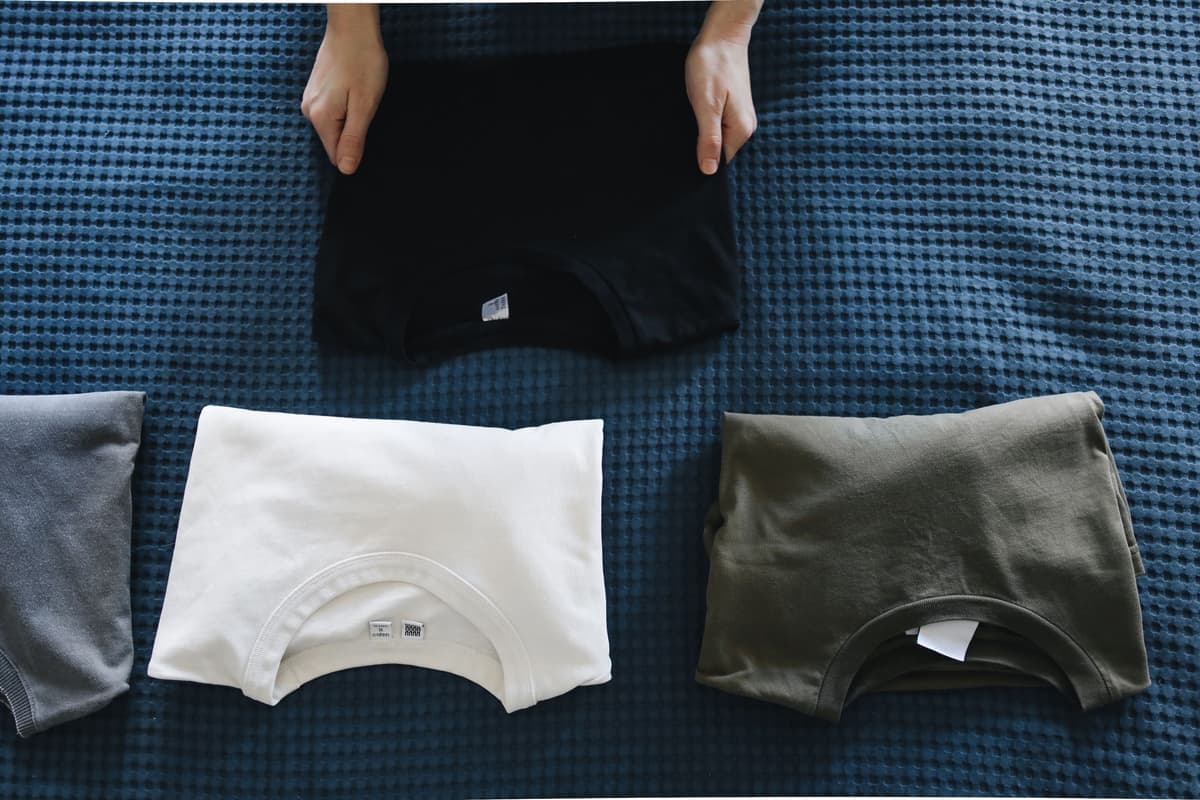 Cotton Blank T-ShirtsHeat transfer vinyl is happiest on cotton or a cotton blend, and a mid-weight ring-spun tee presses better ... | The blank underneath | Check price on Amazon #ad · affiliate link · we never show a price we cannot verify |
Tap any row to jump to the full write-up. We do not publish prices — they move constantly, and a stale number is worse than none.
What HTV actually is
HTV stands for heat transfer vinyl, and it is also sold as iron-on. It is a thin colored film on a clear plastic carrier sheet, with a heat-activated adhesive on the back. You cut it mirrored, weed away everything you do not want, then press it onto fabric with heat and pressure. The carrier sheet peels off and the design stays.
It is not interchangeable with adhesive vinyl, which sticks to hard surfaces with glue and no heat. Using adhesive vinyl on a shirt produces something stiff that cracks and comes off in the first wash — it is the most common material mistake beginners make. The full explanation.
How we picked
We ranked on what genuinely determines a beginner's result: how cleanly the material weeds, how forgiving the press window is, whether the manufacturer publishes usable settings, and cost per square inch once you are making more than one thing. Material properties and application guidance come from each manufacturer's own published documentation, not from marketing copy or competitor roundups. Our methodology.
Weeding is the real differentiator
This is the property nobody mentions in listings and everybody notices in practice. Weeding is removing the vinyl you did not cut out — the inside of an O, the counters in an A, the gaps between script letters. Good HTV releases those cleanly when you lift them with a hook. Poor HTV tears, leaving a fragment behind that you then have to pick out with tweezers.
On a simple block-letter design the difference is minor. On anything with fine detail it decides whether the project takes five minutes or half an hour, and whether you finish with an intact design or a torn one. That is why we put a more expensive material first for beginners: the saving on cheap vinyl disappears the moment you ruin two designs. How to weed properly.
Our picks in full
1. Best for your first shirt
Siser EasyWeed HTV
Siser · Currently sold · Verified 2026-09-27
Start here, even if you switch later. EasyWeed weeds more cleanly than almost anything at its price, which matters enormously when you are learning — the fine interior pieces of a letter lift out rather than tearing, and a detailed design stops being a twenty-minute ordeal with tweezers. It is thin, so a layered design does not sit on the shirt like a plastic patch, and Siser publish clear time and temperature guidance you can actually follow. Sold in single sheets, so trying three colors does not mean buying three rolls.
What works
- Weeds more cleanly than almost anything else at this price
- Thin enough that a layered design does not feel like a plastic patch
- Siser publishes clear time and temperature guidance for it
- Sold in single sheets, so you can try three colors without buying three rolls
What does not
- Matte only — no gloss, glitter or specialty finish in the base line
- Sheets cost more per square inch than buying a roll
- Still needs real heat and pressure; a household iron gives mixed results
Not for you if
You want a glitter or holographic finish. That is a different Siser product line, not EasyWeed.
Key specs
- Type
- Heat transfer vinyl (HTV) — for fabric
- Fabric compatibility
- Siser rates it for cotton, polyester and cotton/poly blends
- Thickness
- Thin — around 90 microns
- Carrier
- Pressure-sensitive clear carrier sheet
- Finish
- Matte
#ad · affiliate link · we never show a price we cannot verify
2. Best for matching your machine's own settings
Cricut Everyday Iron-On
Cricut · Currently sold · Verified 2026-09-27
The convenience pick, and the convenience is real for a beginner. Cricut's own Heat Guide lists an exact temperature and time for this material against each of their presses by name, which removes the single most common source of first-shirt anxiety — not knowing whether your number is right. The material itself is unremarkable in a good way: consistent weeding across colors, predictable press. You pay for the settings lookup more than the vinyl.
What works
- Cricut's Heat Guide gives you a precise, named setting instead of a guess
- Sold in the same shops as the machine, so it is easy to restock
- Consistent weeding behavior across colors
What does not
- Costs more per square inch than third-party HTV
- The convenience is mostly about the settings lookup, not the material itself
Not for you if
You are pressing a lot of shirts and cost per shirt matters. Third-party rolls are meaningfully cheaper.
Key specs
- Type
- Heat transfer vinyl (HTV)
- Fabric compatibility
- Cricut rates it for cotton, polyester, blends, canvas
- Settings source
- Listed in Cricut's own Heat Guide by press and material
- Format
- Rolls and sheets
- Finish
- Matte
#ad · affiliate link · we never show a price we cannot verify
3. Best for cost per shirt
HTVRONT HTV Rolls
HTVRONT · Currently sold · Verified 2026-09-27
Where most people end up once they stop making one shirt at a time. Buying by the roll is dramatically cheaper per square inch than sheet-format premium HTV, and the color and finish range — including glitter and holographic — is wider. The trade is a slightly less forgiving weed on fine detail and more batch-to-batch variation. Switch to this once your weeding technique is good enough that the difference stops costing you designs.
What works
- Far cheaper by area than sheet-format premium HTV
- Wide color and finish range including glitter and holographic
- Rolls mean you stop rationing material and start practicing
What does not
- Fine detail weeds less cleanly than Siser EasyWeed
- Batch-to-batch consistency is less predictable
- You are committing to a whole roll of one color
Not for you if
Your first project is a very fine script design. Learn to weed on EasyWeed first, then switch to save money.
Key specs
- Type
- Heat transfer vinyl (HTV)
- Format
- Rolls, typically 12 in wide
- Fabric compatibility
- Rated for cotton, polyester and blends
- Finish
- Matte, plus glitter and specialty lines
- Value
- Lowest cost per square inch of the three HTVs here
#ad · affiliate link · we never show a price we cannot verify
4. Best for the blank underneath
Cotton Blank T-Shirts
Various · Currently sold · Verified 2026-09-27
Included because the shirt matters more than people expect. Heat transfer vinyl bonds best to cotton and cotton-rich blends, and a mid-weight ring-spun tee presses flatter than a cheap heavy open-weave one, where the texture prevents even contact. Any color works, including dark — which is the main practical advantage HTV has over sublimation.
What works
- Any color works, which sublimation cannot claim
- Soft and familiar to wear
- Cheap in multi-packs, so practice is affordable
What does not
- Cotton will not take sublimation ink at all
- Very heavy or textured cotton gives uneven HTV adhesion
- Needs a pre-press to drive out moisture before the design goes on
Not for you if
You are sublimating. Sublimation needs polyester, and cotton simply will not hold the ink.
Key specs
- Fabric
- Cotton or cotton/poly blend
- Works with
- Heat transfer vinyl — not sublimation
- Weight
- Mid-weight ring-spun presses flatter than heavy open-weave
- Color
- Any color, including dark — unlike sublimation
#ad · affiliate link · we never show a price we cannot verify
Specialty finishes, and when to avoid them
Glitter, holographic, flock, patterned and puff HTV all exist and all look good. They also behave differently from standard HTV, usually needing a higher temperature, a longer press, or both — and glitter in particular is noticeably harder to weed because the texture obscures the cut lines.
Make your first two or three shirts in standard matte HTV. It is not a rule, just the shortest path to understanding what a good press looks like before you add a variable. When you do move to specialty material, look up its own published settings rather than assuming your standard numbers carry over — they usually do not.
What else the job needs
Good HTV on a good shirt still fails without heat and pressure. You need a heat source that holds a set temperature and applies even pressure — a household iron does neither, because its thermostat cycles and its soleplate has steam holes. Which heat source to buy, and whether you need one at all.
You also need the right numbers. Our temperature guide collects the published figures by material with the source named for each. And when you are ready to actually make one, your first shirt, step by step walks the whole process.
Common questions
What is the best HTV vinyl for beginners?
What is the difference between HTV and iron-on?
Do I have to mirror HTV before cutting?
Can I use HTV on polyester?
Is cheap HTV worth buying?
Sources
- Siser product and application guidance — EasyWeed material properties, fabric compatibility and application guidance, verified 27 September 2026
- Cricut Heat Guide and material information — Everyday Iron-On settings by press and material, verified 27 September 2026
How we picked
We verify every product is currently sold by reading the manufacturer's own catalog, compare published specifications rather than marketing copy, and rank on what a first-time buyer has to decide. We do not run lab tests and we do not claim to, and commission never affects the order.
Read this next
How to Use HTV
The full HTV process from cut to peel, plus a troubleshooting section for when it does not stick.
Siser vs Oracal
Why these two brands are not really rivals, and which one your project actually needs.
HTV vs Adhesive Vinyl
The single most useful distinction for a beginner: which vinyl family goes on which surface.
Heat Press Temperature Guide
Published time and temperature figures by material, sourced — plus the three variables that matter more.

Your First Cricut Shirt
A complete first-shirt walkthrough, with the three common mistakes flagged before you make them.
How to Weed Vinyl
Technique, tools and the reverse-weed trick that makes fine script designs manageable.
Back to Vinyl & Materials.