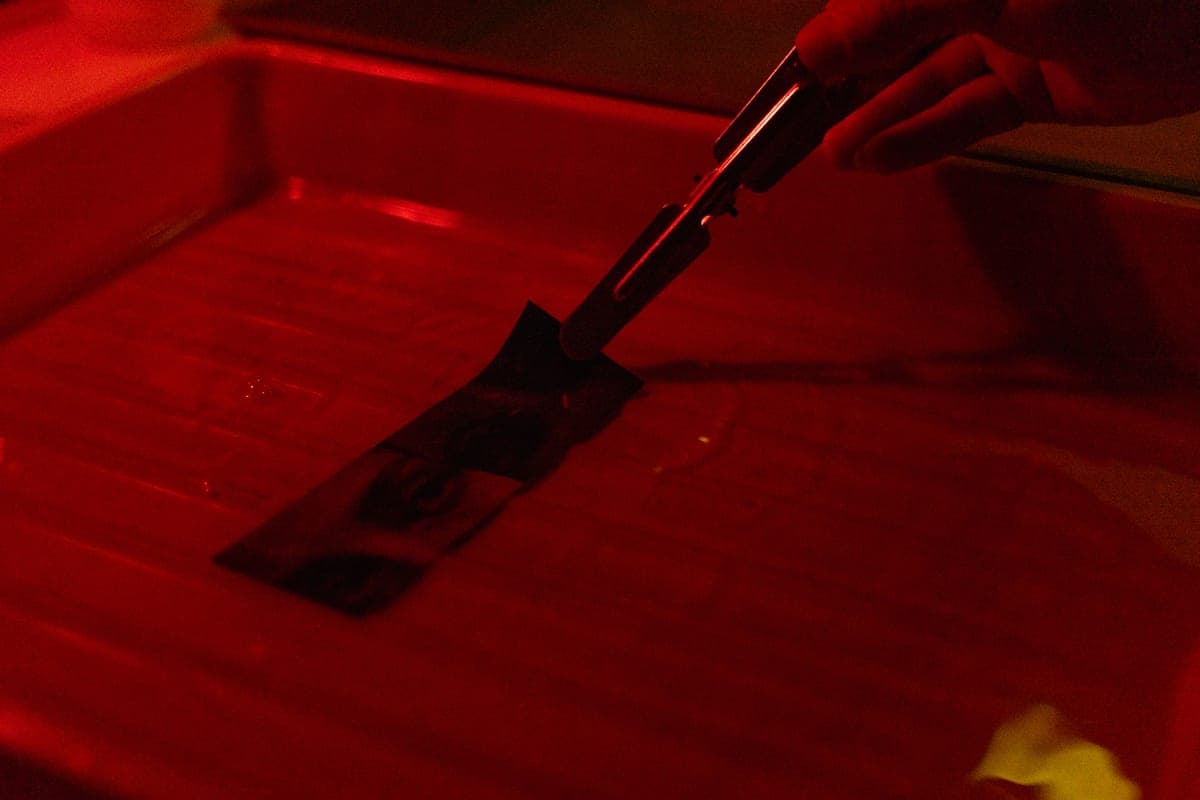
How to Weed Vinyl
The tedious step, made considerably less tedious by three techniques and a hook that costs almost nothing.
Heads up: Mat & Blade earns a commission from qualifying purchases made through the links on this page, at no extra cost to you. It never changes which products we recommend or how we rank them. Read the full disclosure.
Weed under bright light at a low angle, start from an outside corner, and pull the waste back on itself at a shallow angle rather than straight up. Those three things account for most of the difference between weeding being fiddly and weeding being awful. A hook costs almost nothing and changes the job completely.
What weeding is
After the machine cuts, the design and the waste are both still on the backing. Weeding is removing everything that is not part of the design — the surrounding background, and the interior pieces like the middle of an O, the counters of an A, the gaps between script letters.
The machine cuts through the vinyl but not the backing, which is what makes this possible. It is also why a blade that is cutting too shallow makes weeding much harder: the pieces are not fully separated, so they tear instead of lifting.
Set up properly first
1Get the light right
This is the single biggest improvement available and it costs nothing. Position a lamp so the light rakes across the vinyl at a low angle rather than shining straight down. The cut lines catch the light and become visible as fine shadows. Weeding in flat overhead light means guessing where the cuts are.
2Trim close to the design
Cut away the large areas of excess vinyl with scissors before you start picking. Less material to peel means less weight pulling on the design as you work, and a smaller area to keep track of.
3Keep the backing flat
Work on a flat surface and do not lift or curl the sheet. Flexing the backing can release pieces you wanted to keep, especially small interior details on a fine design.
The technique
1Start at an outside corner
Lift one corner of the background waste with the hook and begin peeling from there. Corners give you a clean edge to start from rather than a hole in the middle of the sheet.
2Pull back on itself, not up
Peel the waste back over itself at a shallow angle, almost flat against the sheet. Pulling straight up puts tension on the design pieces and is the main reason letters lift when they should not.
3Go slowly at the letters
As the waste passes a letter, slow down and watch. If a letter starts to lift with the waste, stop, press it back down with a fingertip, and change the direction you are pulling from.
4Do the interiors last
Once the background is off, work through the interior pieces — the middles of O, A, P, R, and the enclosed spaces in script. Hook each one from its edge rather than stabbing the center, which is how you gouge the backing.
5Check against the screen
Before you move on, compare the weeded design to the design on screen. Missing an interior piece is easy and only becomes obvious after the decal is applied, at which point it is too late.
The reverse-weed trick for fine script
Delicate script and thin connected lettering are genuinely difficult to weed conventionally, because the pieces you want to keep are as fragile as the pieces you want to remove. Reverse weeding solves it.
- Weed only the interior pieces first — the enclosed spaces inside letters — leaving the background waste in place to support everything.
- Apply transfer tape over the whole sheet, background and all, and burnish it down firmly.
- Flip the whole thing over and peel the paper backing away from the back, rather than peeling the vinyl from the front.
- Now weed the background from the back, with every design piece held securely by the transfer tape on the other side.
It takes an extra couple of minutes and turns a design that would otherwise tear into one that survives. Worth learning before you attempt your first script name.
Designing to make weeding easier
- Avoid very fine detail in cheap material. Budget HTV and glitter vinyl do not hold thin strokes well. Thicken the design or use a more forgiving material.
- Watch the minimum stroke width. Anything thinner than about a millimeter is fragile in most craft vinyl, regardless of brand.
- Simplify traced images. Auto-traced artwork often carries hundreds of unnecessary nodes and tiny slivers you will have to weed individually. Simplify before cutting.
- Weed while it is fresh. Vinyl that has sat cut on the backing for days is harder to weed — the adhesive settles back against the liner.
1. Best for the whole job
Vinyl Weeding Tool Set
Various · Currently sold · Verified 2026-09-27
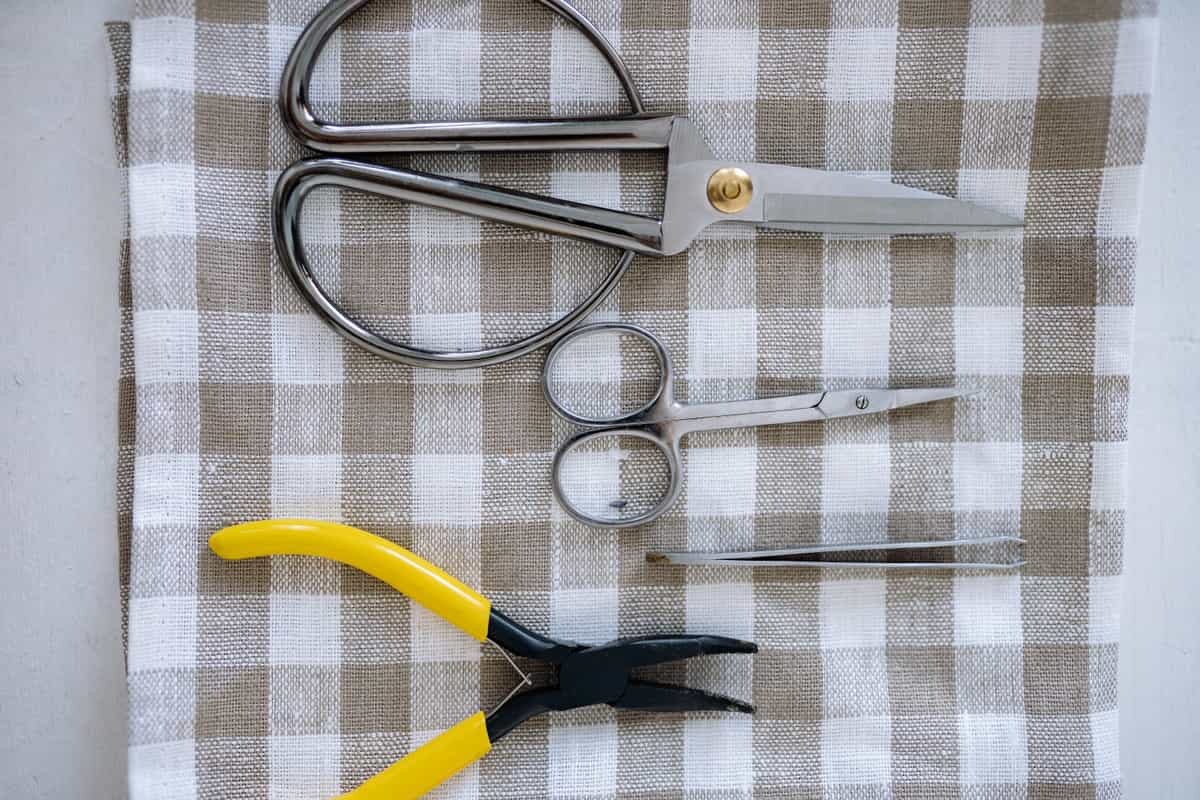
A hook, fine tweezers and a scraper cover everything on this page. The hook lifts an edge without gouging the backing, the tweezers grip fragments too small to hook, and the scraper handles transfer tape afterwards. This is the single best value purchase in the hobby relative to frustration removed.
What works
- Turns the most tedious step into a manageable one
- The scraper doubles as your transfer-tape burnishing tool
- Cheap, and a set lasts years
What does not
- Cheap sets have soft points that dull quickly
- More pieces than you will actually use
Not for you if
Nothing — if you cut vinyl, you need at least a hook.
Key specs
- Typical set
- Weeding hook, fine tweezers, scraper, spatula, scissors
- Used for
- Removing the vinyl you did not cut out of the design
- Also fits
- Every brand of machine — nothing here is Cricut-specific
#ad · affiliate link · we never show a price we cannot verify
2. Best for learning to weed
Siser EasyWeed HTV
Siser · Currently sold · Verified 2026-09-27
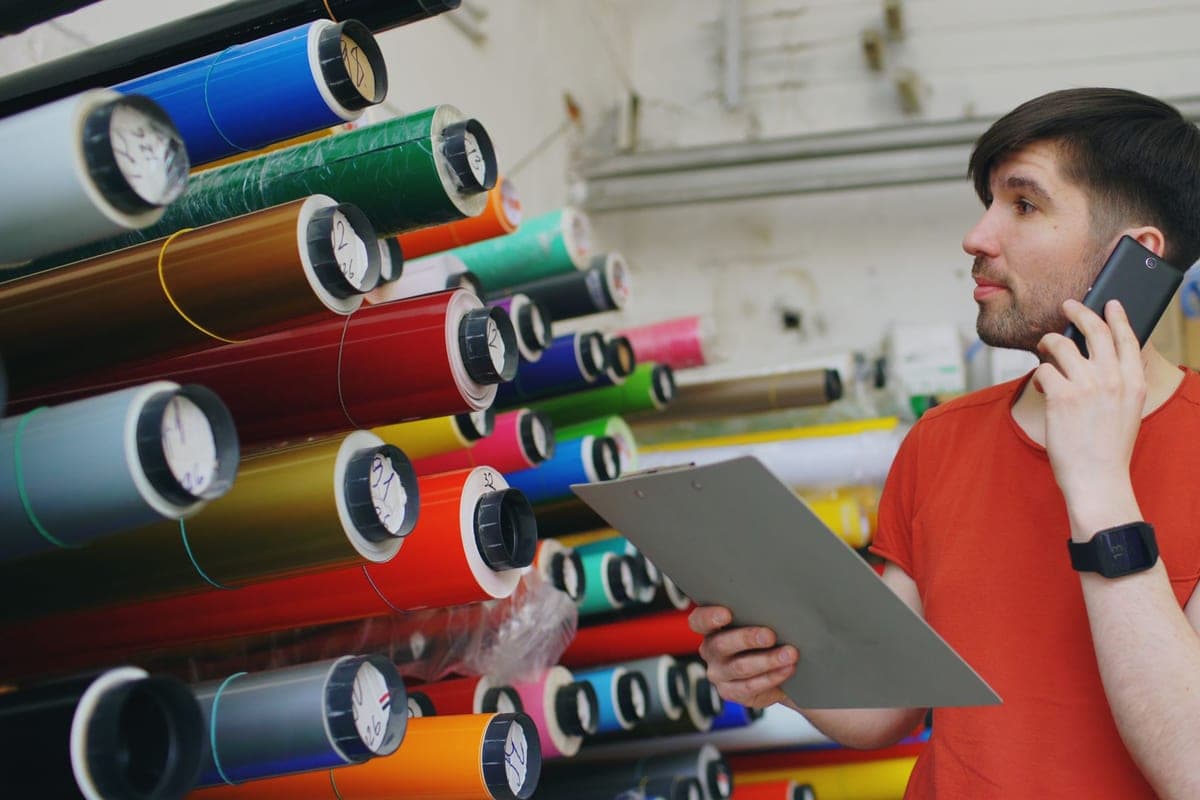
Material choice affects weeding more than technique does when you are starting. EasyWeed releases fine interior pieces cleanly rather than tearing them, which means your early designs survive your early technique. Move to cheaper material once that stops being a risk.
What works
- Weeds more cleanly than almost anything else at this price
- Thin enough that a layered design does not feel like a plastic patch
- Siser publishes clear time and temperature guidance for it
- Sold in single sheets, so you can try three colors without buying three rolls
What does not
- Matte only — no gloss, glitter or specialty finish in the base line
- Sheets cost more per square inch than buying a roll
- Still needs real heat and pressure; a household iron gives mixed results
Not for you if
You want a glitter or holographic finish. That is a different Siser product line, not EasyWeed.
Key specs
- Type
- Heat transfer vinyl (HTV) — for fabric
- Fabric compatibility
- Siser rates it for cotton, polyester and cotton/poly blends
- Thickness
- Thin — around 90 microns
- Carrier
- Pressure-sensitive clear carrier sheet
- Finish
- Matte
#ad · affiliate link · we never show a price we cannot verify
3. Best for when weeding suddenly gets hard
Replacement Fine-Point Blades
Various · Currently sold · Verified 2026-09-27
A dull blade produces a shallow cut, and a shallow cut is the most common reason vinyl tears instead of lifting. If weeding has become noticeably harder than it used to be, swap the blade before blaming your technique — it takes seconds and costs very little.
What works
- Cheap fix for the single most common cutting complaint
- Swapping takes seconds with no tools
- Third-party blades are far cheaper and generally fine for vinyl
What does not
- Very cheap blades can be inconsistent on fine detail
- Easy to blame the blade when the real problem is the mat or the setting
Not for you if
Your machine is new. Check your material setting and mat tack first.
Key specs
- Type
- Fine-point blade — the everyday blade for vinyl and cardstock
- Lifespan
- Varies hugely with material; glitter and cardstock dull it fastest
- Housing
- Blades swap into the existing housing — you do not rebuy the housing
- Symptom of dullness
- Tearing, incomplete cuts, ragged corners
#ad · affiliate link · we never show a price we cannot verify
4. Best for what happens next
Vinyl Transfer Tape
Various · Currently sold · Verified 2026-09-27
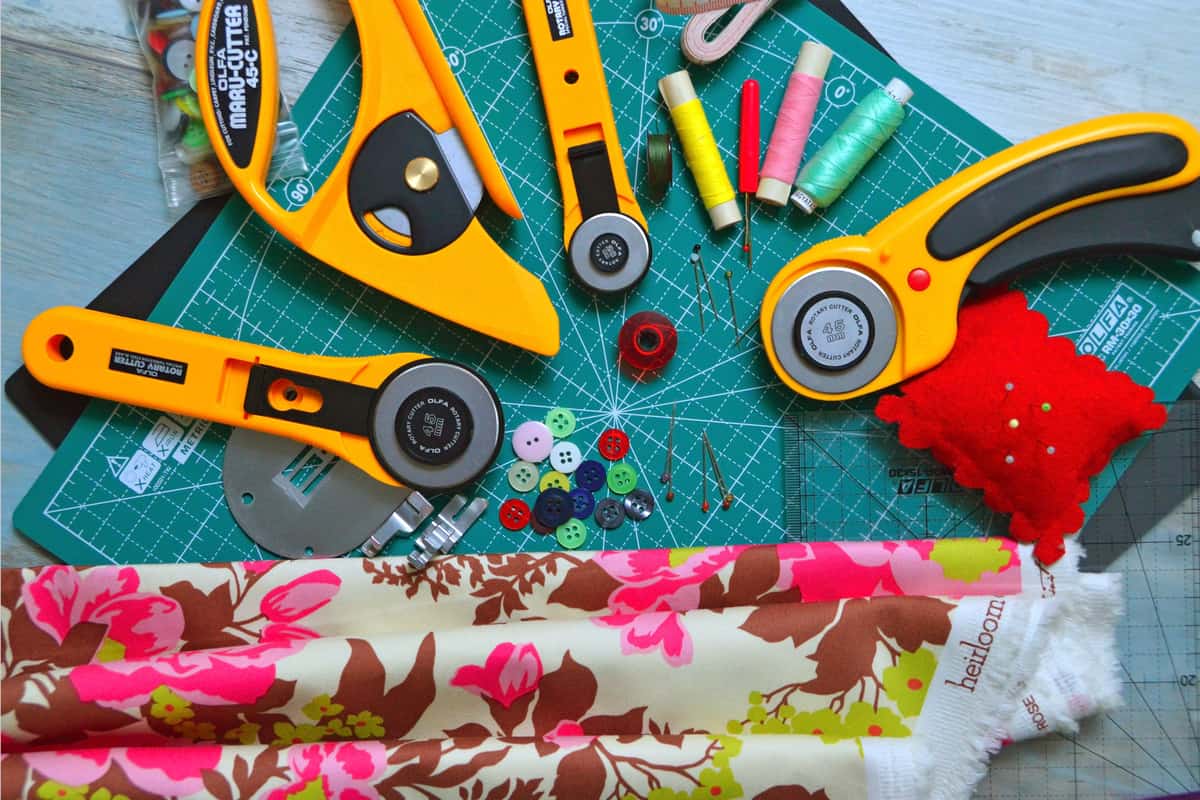
Needed for the reverse-weeding technique below, and for moving any weeded adhesive decal onto its surface with the spacing intact. Gridded versions help with straight application.
What works
- Turns an impossible alignment job into a single motion
- Gridded versions make straight application genuinely easy
- Cheap relative to how much frustration it removes
What does not
- High-tack tape can pull thin vinyl off its backing and tear it
- Not used for heat transfer vinyl, which has its own carrier sheet
Not for you if
You are only making shirts. HTV comes with its own carrier and needs no transfer tape.
Key specs
- Purpose
- Lifts a weeded decal off its backing and places it as one piece
- Tack
- Medium tack suits most craft vinyl
- Format
- Rolls, usually 12 in wide; gridded versions help alignment
- Reusable
- A sheet can usually be reused several times
#ad · affiliate link · we never show a price we cannot verify
Common questions
What is weeding vinyl?
What tools do I need to weed vinyl?
Why does my vinyl tear when I weed it?
How do you weed small or detailed designs?
Does weeding get easier?
Sources
- Siser product and application guidance — Material handling and weeding guidance for EasyWeed, verified 27 September 2026
- Cricut material and tool information — Weeding tools and cut setting guidance, verified 27 September 2026
How we picked
We verify every product is currently sold by reading the manufacturer's own catalog, compare published specifications rather than marketing copy, and rank on what a first-time buyer has to decide. We do not run lab tests and we do not claim to, and commission never affects the order.
Read this next
How to Use HTV
The full HTV process from cut to peel, plus a troubleshooting section for when it does not stick.
Cricut Blade Guide
Which blade cuts what, when to replace, and why a dull blade masquerades as a broken machine.
The Best HTV Vinyl for Beginners
Which heat transfer vinyl weeds cleanly and presses forgivingly — and which to switch to later.
Your First Vinyl Decal
The cheapest first project — a complete decal walkthrough with no heat source required.
The Cricut Accessories You Actually Need
The short list that genuinely earns its space, the longer list that does not, and the buying order.
Back to Vinyl & Materials.