Guide
Sublimation for Beginners
The complete beginner walkthrough: how it works, what it needs, and the first-transfer process.
Extraordinary results on the right material, and nothing at all on the wrong one. Know which is which before you spend.
Heads up: Mat & Blade earns a commission from qualifying purchases made through the links on this page, at no extra cost to you. It never changes which products we recommend or how we rank them. Read the full disclosure.
Sublimation produces the best-looking results in this whole hobby, and it has two hard limits that no technique, printer or paper will ever get around. Understanding both before you spend anything is the entire point of this hub, because the failure mode here is not a wasted shirt — it is a printer and a pile of blanks bought for a job they cannot do.
Sublimation only bonds to polyester or a polymer coating. The ink turns to gas under heat and embeds itself in polymer. Cotton has no polymer for it to bond to, so the design washes out. This is chemistry, not technique. A 100% cotton shirt cannot be sublimated, and a cotton-polyester blend gives a deliberately faded result in proportion to its polyester content.
Sublimation ink is translucent, and there is no white ink. The design takes on the color underneath it. On a white blank it looks like the file. On a colored blank it shifts. On a black blank it is invisible. There is no dark-fabric sublimation paper that fixes this, whatever a listing claims — the products sold under that name are a different heat transfer technology wearing sublimation's name.
Within those limits it is unmatched. On a white polyester shirt the design has no hand feel at all — you cannot tell by touch that it is there, because it is in the fabric rather than on it. It will not crack, peel or lift, ever, because there is no layer to lift. Full-color photographic designs print as easily as single-color text, which vinyl cannot do at any price. And on polymer-coated hard blanks — tumblers, mugs, coasters, slate, phone cases — the results look genuinely manufactured.
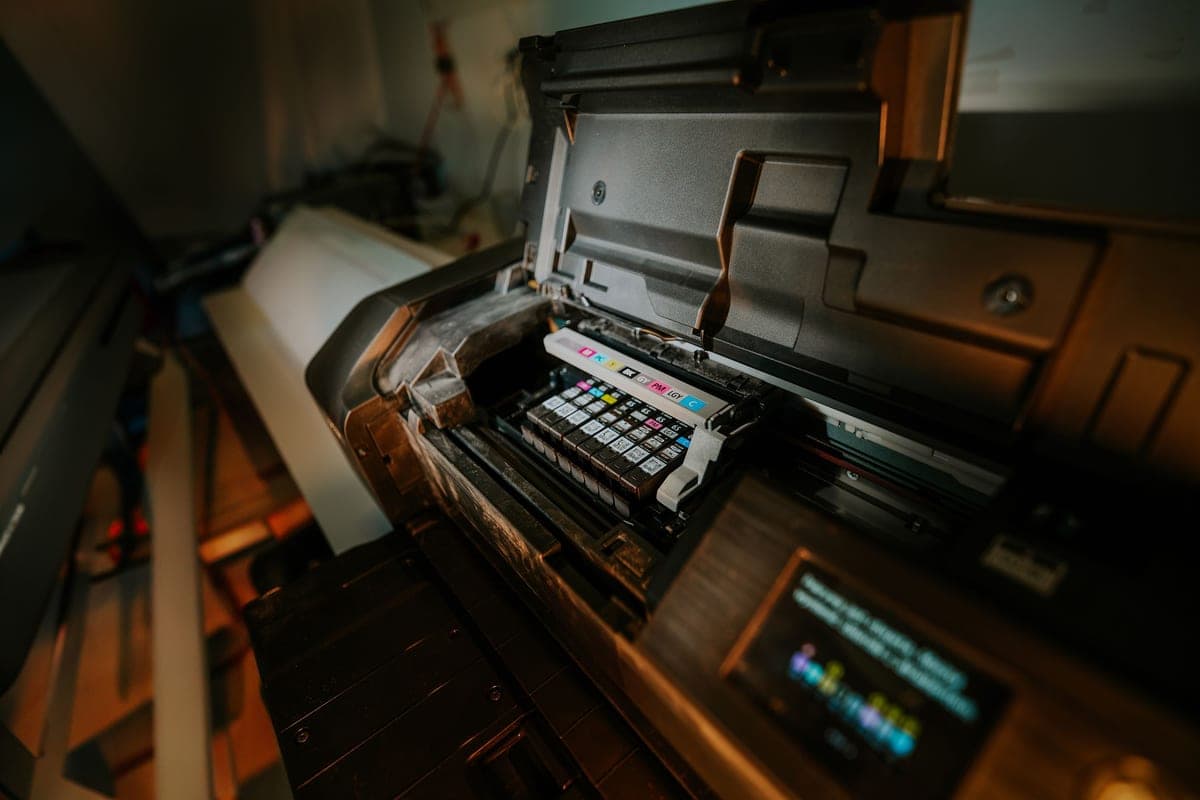
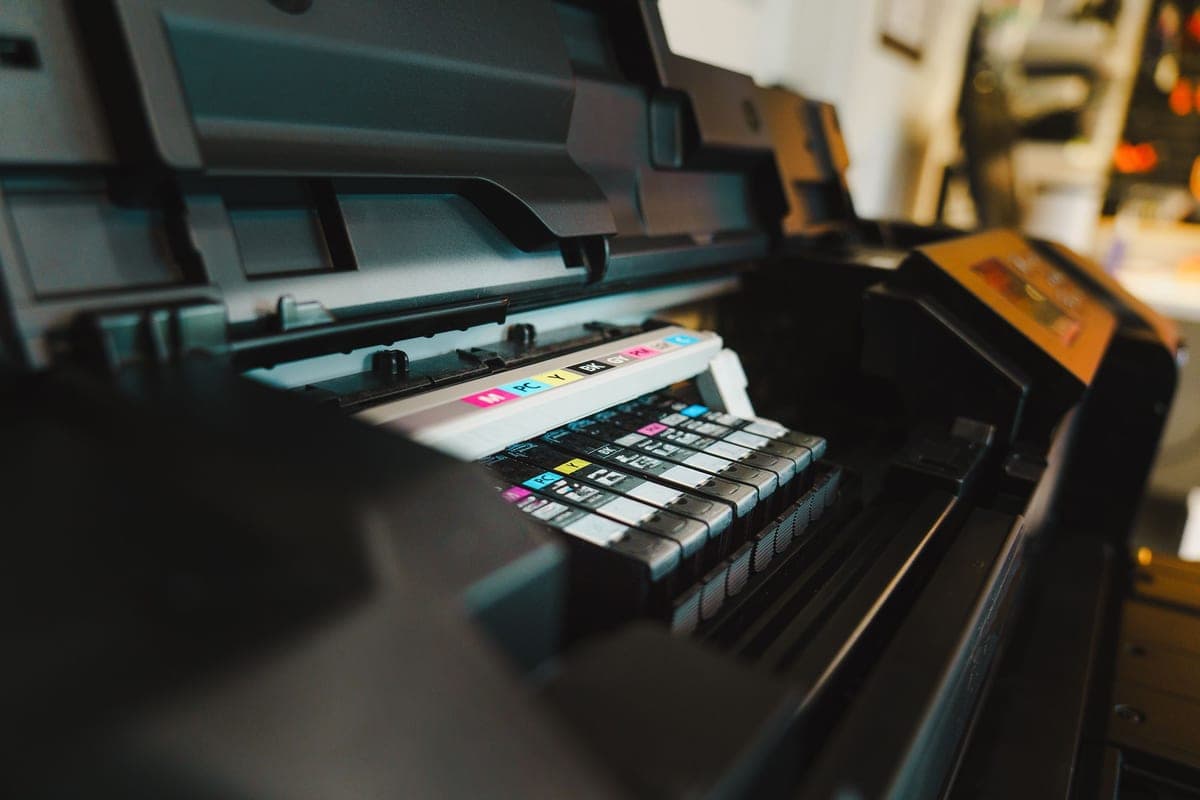
Most people entering sublimation buy a cheap refillable-tank Epson printer and fill it with third-party sublimation ink instead of Epson's own. It works, it is the cheapest route by a wide margin, and it is very widely documented. It also has consequences that the videos recommending it tend to mention quickly and then move past.
Epson's warranty does not cover damage caused by non-genuine ink. The conversion is one-way — a printer filled with sublimation ink is not going back to printing documents. And when something goes wrong, you are troubleshooting with a community rather than a support line. None of that makes it a bad decision; it makes it a decision you should take knowingly. We have written the honest version, and the printer roundup covers both routes.
Sublimation is a second hobby that happens to sit next to the first one. It needs its own printer, its own consumables, its own blanks and often its own heat source, and it cannot do the thing most beginners actually want — a design on a cotton shirt. Start with a cutting machine and vinyl, find out whether you enjoy the process, and come back to this hub when you have a specific project that genuinely requires it. Sublimation for beginners is the place to start when you do.
Guide
The complete beginner walkthrough: how it works, what it needs, and the first-transfer process.
Best Sublimation Printer
Convert an EcoTank or buy a dedicated printer — the honest trade-off between cost and support.
Top pick: Epson EcoTank ET-2800
#ad · affiliate link · we never show a price we cannot verify

Head to head
The category-defining comparison: what each technology can and cannot do, and which to start with.
Guide
What converting an EcoTank actually costs you in warranty and reversibility, stated up front.

Best Sublimation Paper
Which transfer paper to buy, plus the two beginner mistakes that waste sheets and ink.
Top pick: A-SUB Sublimation Paper
#ad · affiliate link · we never show a price we cannot verify
Head to head
Dedicated printer or converted EcoTank — cost, warranty, support and which suits which user.
Guide
Times and temperatures by blank type, sourced, plus what to adjust when a transfer comes out pale.

Best Sublimation Blanks
Which blanks genuinely take sublimation, which are most forgiving, and what to check before buying.
Top pick: Sublimation Tumbler Blanks
#ad · affiliate link · we never show a price we cannot verify
Best for Shirts & Tumblers
One printer, two heat sources — what shirts and tumblers each need, and where the money goes.
Top pick: Epson EcoTank ET-2800
#ad · affiliate link · we never show a price we cannot verify