Sublimation for Beginners
What it is, what it will never do, and the full process for a first transfer that works.
Heads up: Mat & Blade earns a commission from qualifying purchases made through the links on this page, at no extra cost to you. It never changes which products we recommend or how we rank them. Read the full disclosure.
Sublimation turns dye into gas that embeds into polyester or a polymer coating. It produces the best-looking results in this hobby, on white or light polyester only, and it cannot print on cotton or dark fabric at all. Know that before you spend anything — it is the whole shape of the decision.
How it actually works
You print a mirrored design onto coated transfer paper using sublimation ink. You place it face-down on the blank and press it with heat. The dye converts directly from solid to gas without becoming liquid, passes into the polymer of the blank, and solidifies inside it as everything cools.
The design is therefore in the material, not on it. That is why there is no hand feel, why it cannot crack or peel, and why it only works where there is polymer to embed into.
The two hard limits
What a starting setup contains
| Item | Notes |
|---|---|
| Sublimation printer | Converted refillable-tank inkjet, or a dedicated printer. Comparison |
| Sublimation ink | Matched to the printer, with an ICC color profile from the maker |
| Sublimation paper | Coated transfer sheets. Which to buy |
| Blanks | Polyester or polymer-coated, white or very light. Which work |
| Heat source | Flat press for fabric; tumbler press or convection oven for round blanks |
| Heat-resistant tape | Stops the transfer shifting mid-press — shifting causes ghosting |
| Butcher paper | Protects the platen from ink gassing through the blank |
| Lint roller | Removes fibers and dust that show as specks in the transfer |
Your first transfer, step by step
1Start with a tumbler, not a shirt
Polymer-coated tumblers are considerably more forgiving than fabric. The coating does most of the work, so a first attempt usually looks right, and you learn what a correct transfer looks like before adding variables.
2Install the color profile
Use the ICC profile supplied by your ink maker. Sublimation colors look muted and shifted on paper and correct after pressing — the profile is what makes that predictable. Skipping it is why people blame ink for color problems.
3Mirror the design and print on the coated side
The printed side goes face-down against the blank, so it must be mirrored. Sublimation paper is coated on one side only — usually the brighter, slicker one. Printing on the uncoated side transfers almost nothing.
4Prepare the blank
Wipe it clean and lint-roll it. Dust and fibers sitting on the blank show up as specks in the finished transfer, and you cannot fix them afterwards.
5Tape the transfer down
Heat-resistant tape, holding the transfer firmly in place. Any movement during the press produces ghosting — a blurred double image — and it is the most common avoidable fault.
6Press at the published settings
Use the time and temperature published for your blank and ink. Fabric is commonly around 385 to 400°F for 45 to 60 seconds; tumblers need longer and a wrapping heat source. Full settings.
7Remove the transfer immediately
Peel the paper off as soon as the press opens, while it is still hot. Leaving it on as things cool lets the dye continue moving slightly, which softens the edges of the design.
8Let it cool before judging it
Colors continue to settle as the blank cools. A transfer that looks slightly off straight out of the press often looks correct a few minutes later.
Common problems
| Problem | Cause |
|---|---|
| Design is pale or washed out | Not enough heat, time or pressure — or too little polyester in the blank |
| Blurred double image (ghosting) | The transfer moved during pressing or removal. Tape it down. |
| Colors look wrong | Missing or poor ICC profile |
| Nothing transferred at all | Regular ink instead of sublimation ink, or printed on the uncoated side |
| Yellowed background on fabric | Too much heat or time scorching the polyester |
| Specks in the design | Dust or fibers on the blank — lint-roll before pressing |
| Design fades after washing | The blank was cotton or a cotton-rich blend |
Should this be your first purchase?
Almost certainly not. Sublimation needs its own printer, its own consumables, its own blanks and often its own heat source — and it cannot make a design on a cotton shirt, which is what most beginners want first.
Start with a cutting machine and heat transfer vinyl, learn the process, and add sublimation when you have a project that genuinely needs it. The comparison lays out when that is.
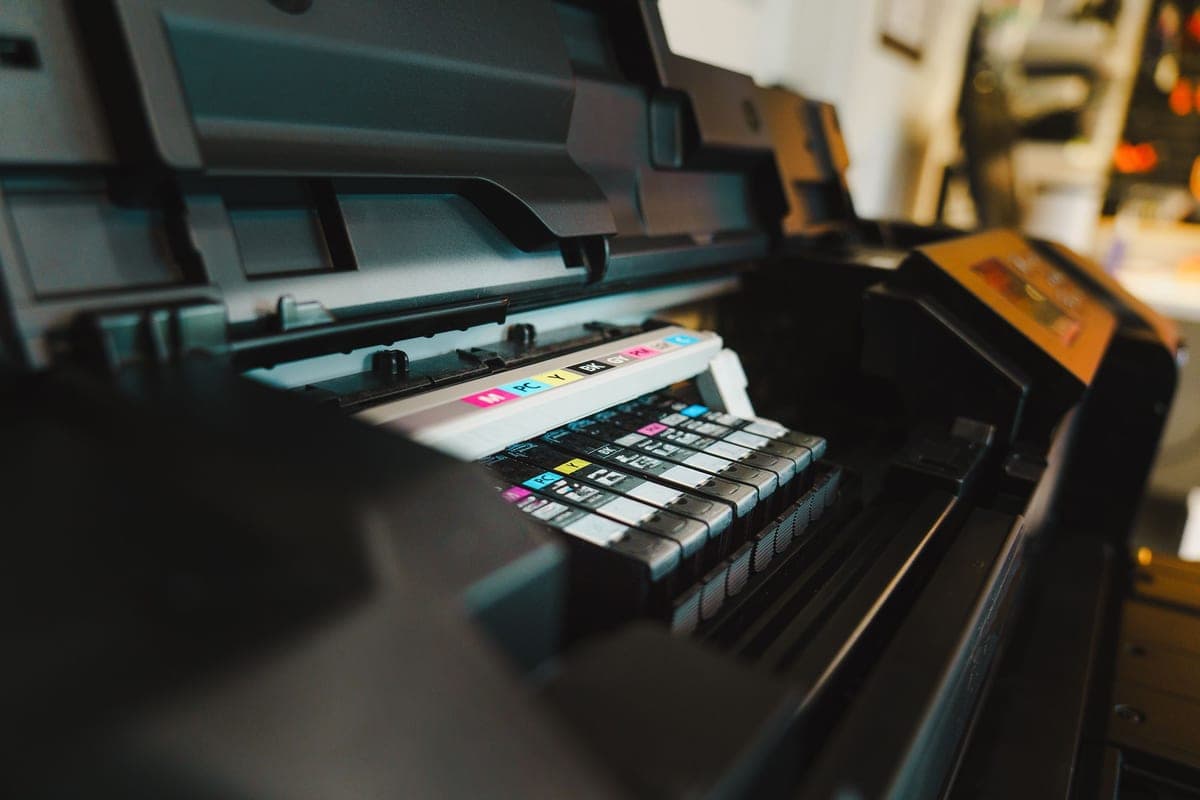
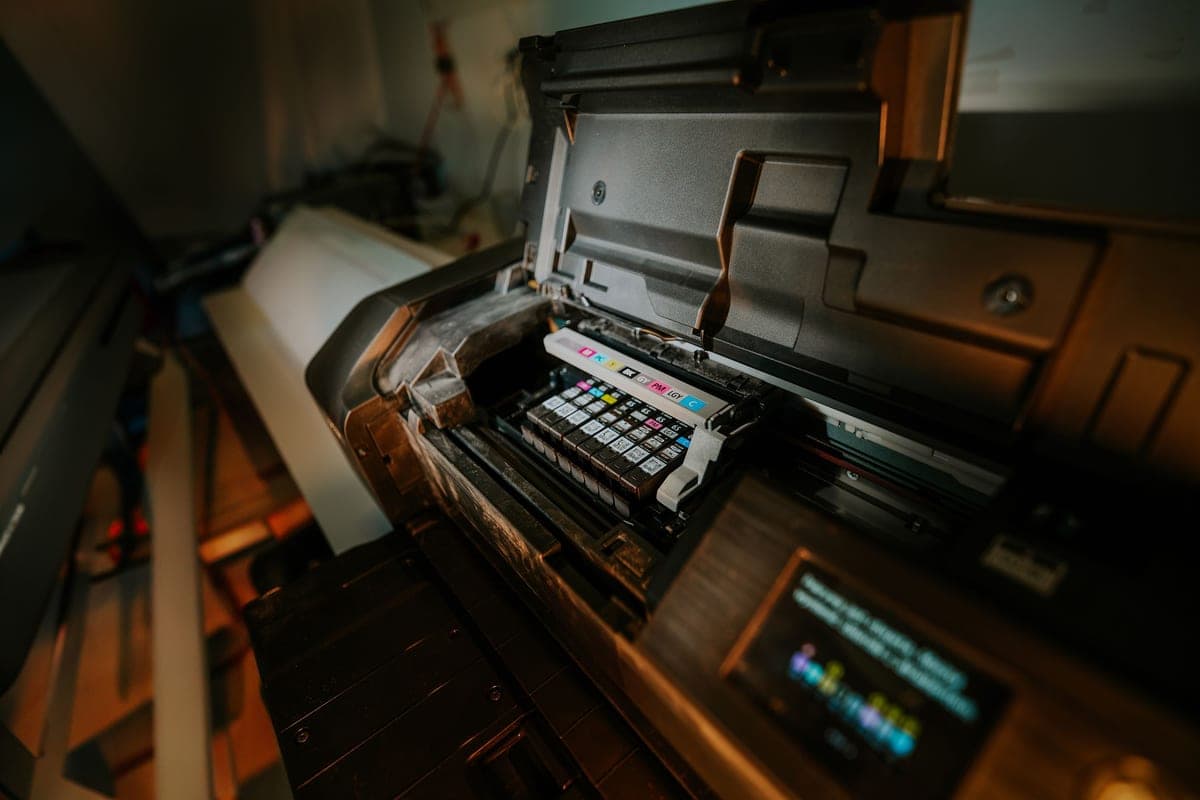
1. Best for the printer
Epson EcoTank ET-2800
Epson · Currently sold · Verified 2026-09-27
The cheapest route in, converted with third-party sublimation ink. Read the warranty position before committing — the conversion is one-way and excludes ink-related damage from Epson's coverage.
What works
- By far the cheapest way to start sublimating
- Refillable tanks mean low running cost once converted
- Very widely documented by the crafting community
What does not
- Converting it with third-party sublimation ink voids Epson's coverage for ink-related damage
- A converted printer cannot go back to regular ink
- 8.5 in width limits you to letter-size transfers
Not for you if
You want a supported, warrantied sublimation setup you can call for help on. Buy a dedicated sublimation printer instead.
Key specs
- Type
- Refillable-tank inkjet — sold as a regular printer
- Sublimation
- Not a sublimation printer as sold; people convert it
- Max print width
- 8.5 in (letter)
- Ink system
- Four refillable tanks
- Warranty note
- Epson's warranty covers damage from genuine ink, not third-party ink
#ad · affiliate link · we never show a price we cannot verify

2. Best for the transfer sheet
A-SUB Sublimation Paper
A-SUB · Currently sold · Verified 2026-09-27
A coated paper that releases ink to the blank under heat. High transfer rate means more of what you printed reaches the blank, and it is cheap enough to practice with — which matters, because early attempts get wasted.
What works
- Consistent results across shirts, mugs and hard blanks
- Dries quickly enough that sheets do not smudge when stacked
- Cheap enough to practice with
What does not
- Only works with sublimation ink — regular ink will not transfer
- Printing on the wrong side wastes the sheet and the ink
Not for you if
You are printing on dark fabric. Sublimation does not work on dark fabric at all, whatever paper you use.
Key specs
- Type
- Dye-sublimation transfer paper
- Weight
- Commonly 125 gsm
- Sizes
- Letter and larger sheets
- Transfer rate
- High — most of the ink releases to the blank
- Printed side
- One side only — the coated side
#ad · affiliate link · we never show a price we cannot verify
3. Best for your first project
Sublimation Tumbler Blanks
Various · Currently sold · Verified 2026-09-27
Start here rather than on fabric. Polymer-coated tumblers are the most forgiving blank there is — the coating does the work, colors come out bright, and small errors do not ruin the result. Cheap in multi-packs, so practice costs little.
What works
- The coating makes color come out bright and sharp
- Very forgiving of small timing errors
- Sold in cheap multi-packs so practice costs little
What does not
- Must be sublimation-specific — an ordinary tumbler will not take the ink
- Needs a tumbler press or an oven; a flat press cannot do it
- Not dishwasher-proof in practice, whatever the listing says
Not for you if
You only have a flat heat press. A flat plate cannot wrap a tumbler evenly.
Key specs
- Coating
- Polymer coating — required for sublimation to bond
- Common size
- 20 oz skinny tumbler
- Heat source
- Tumbler press, convection oven, or shrink wrap plus oven
- Color
- White or very light — sublimation ink is translucent
#ad · affiliate link · we never show a price we cannot verify
4. Best for the fabric project
Polyester Blank Shirts
Various · Currently sold · Verified 2026-09-27
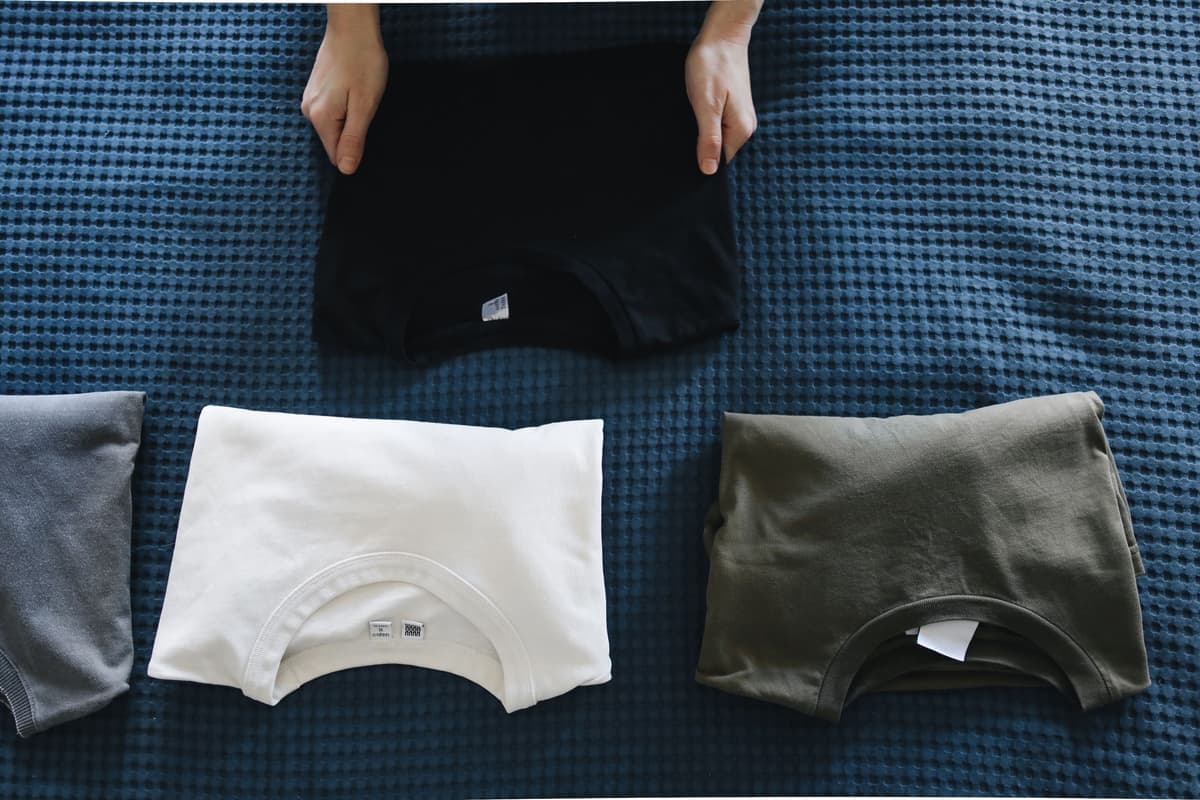
100% polyester, white or very light. Both conditions are absolute. The payoff is a shirt with no hand feel that cannot crack or peel.
What works
- The only fabric sublimation genuinely bonds to
- Result has no hand feel at all — the design is in the fabric
- Will not crack or peel the way a vinyl transfer can
What does not
- White or near-white only — this is a hard physical limit
- 100% polyester feels different from a cotton tee
- Blends fade the design, which you may or may not want
Not for you if
You want a soft cotton shirt or a dark shirt. Use heat transfer vinyl instead — it works on both.
Key specs
- Fabric
- 100% polyester, or a high-polyester blend
- Color
- White or very light — dark fabric will not work
- Why polyester
- Sublimation ink bonds to polymer, not to cotton fiber
- Blend behavior
- A 65/35 blend gives a faded, vintage-looking result
#ad · affiliate link · we never show a price we cannot verify
Common questions
How does sublimation work?
What do I need to start sublimation?
Can you sublimate on cotton?
Why is my sublimation blurry?
Why are my sublimation colors wrong?
What is the easiest first sublimation project?
Sources
- Sawgrass sublimation guidance — Sublimation process, substrate requirements and color management, verified 27 September 2026
- A-SUB product information — Transfer paper coating and handling, verified 27 September 2026
How we picked
We verify every product is currently sold by reading the manufacturer's own catalog, compare published specifications rather than marketing copy, and rank on what a first-time buyer has to decide. We do not run lab tests and we do not claim to, and commission never affects the order.
Read this next

Sublimation vs HTV
The category-defining comparison: what each technology can and cannot do, and which to start with.
The Best Sublimation Printer for Beginners
Convert an EcoTank or buy a dedicated printer — the honest trade-off between cost and support.
The Best Sublimation Blanks
Which blanks genuinely take sublimation, which are most forgiving, and what to check before buying.
Sublimation Temperature Guide
Times and temperatures by blank type, sourced, plus what to adjust when a transfer comes out pale.
The EcoTank Conversion, Honestly
What converting an EcoTank actually costs you in warranty and reversibility, stated up front.
Back to Sublimation.