
The Best Heat Press for Sublimation
Sublimation runs hotter and much longer than vinyl. That rules some presses out — and round blanks rule out flat platens entirely.
Heads up: Mat & Blade earns a commission from qualifying purchases made through the links on this page, at no extra cost to you. It never changes which products we recommend or how we rank them. Read the full disclosure.
For flat items, any clamshell that holds a true 400°F with even clamp pressure will do — and auto-open earns its keep because dwell times are long. For tumblers and mugs, no flat press works at all: a flat platen touches a cylinder along a narrow line, so you need a tumbler press or a convection oven.
Quick picks
| # | Product | Best for | Price |
|---|---|---|---|
| 1 | 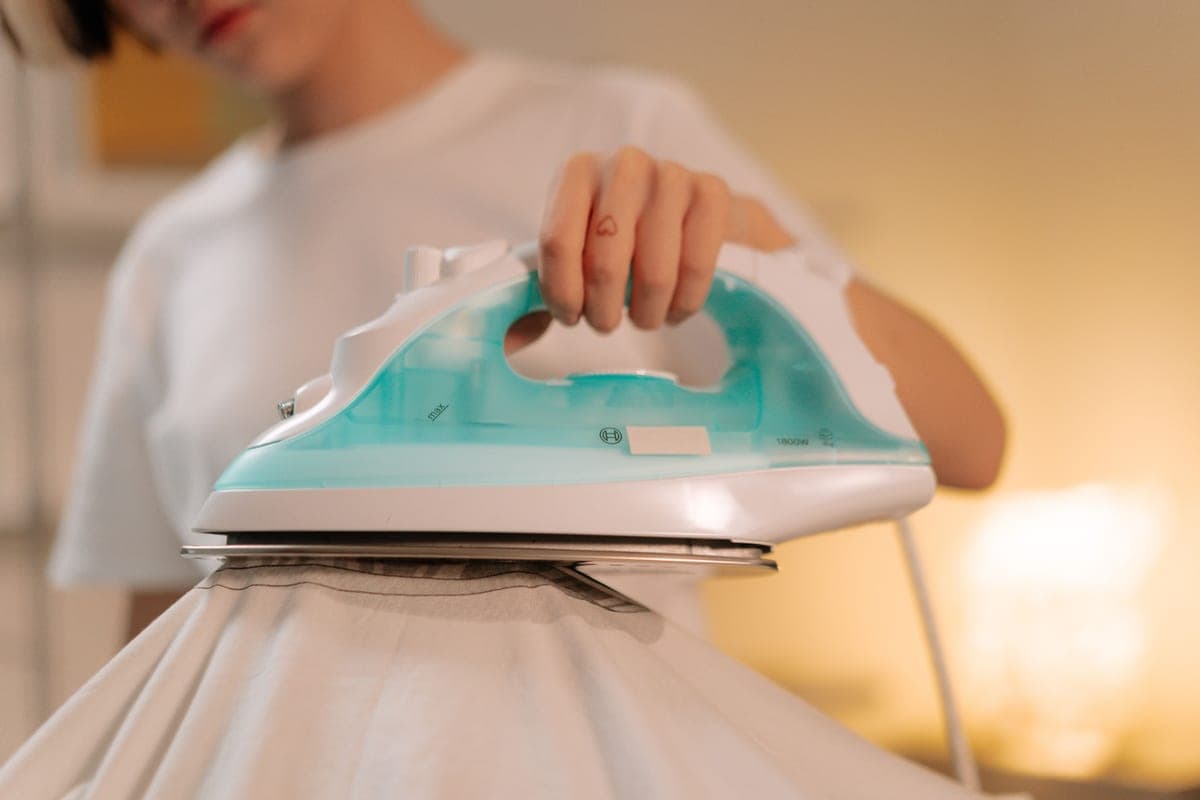 HTVRONT Auto Heat PressAn auto-open clamshell that removes the two things beginners get wrong — inconsistent pressure and forgetti... | Sublimating flat items | Check price on Amazon #ad · affiliate link · we never show a price we cannot verify |
| 2 | 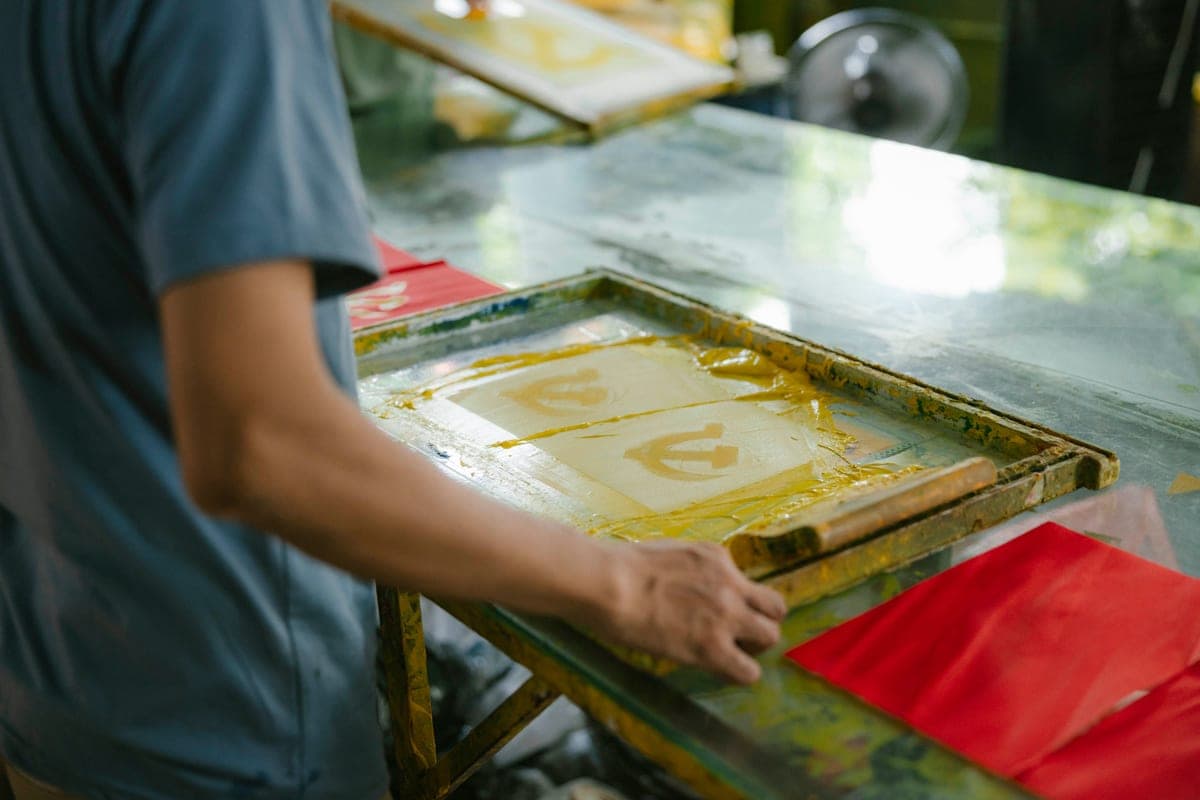 Large-Format Clamshell Heat Press (16 x 20)A 16 by 20 inch platen is the size at which hoodies, oversized prints and full DTF transfers stop needing t... | Wide transfers and all-over prints | Check price on Amazon #ad · affiliate link · we never show a price we cannot verify |
| 3 | VEVOR Clamshell Heat PressThe budget clamshell that beats a handheld press on pressure and plate size, at the cost of build quality a... | The budget flat press | Check price on Amazon #ad · affiliate link · we never show a price we cannot verify |
| 4 | 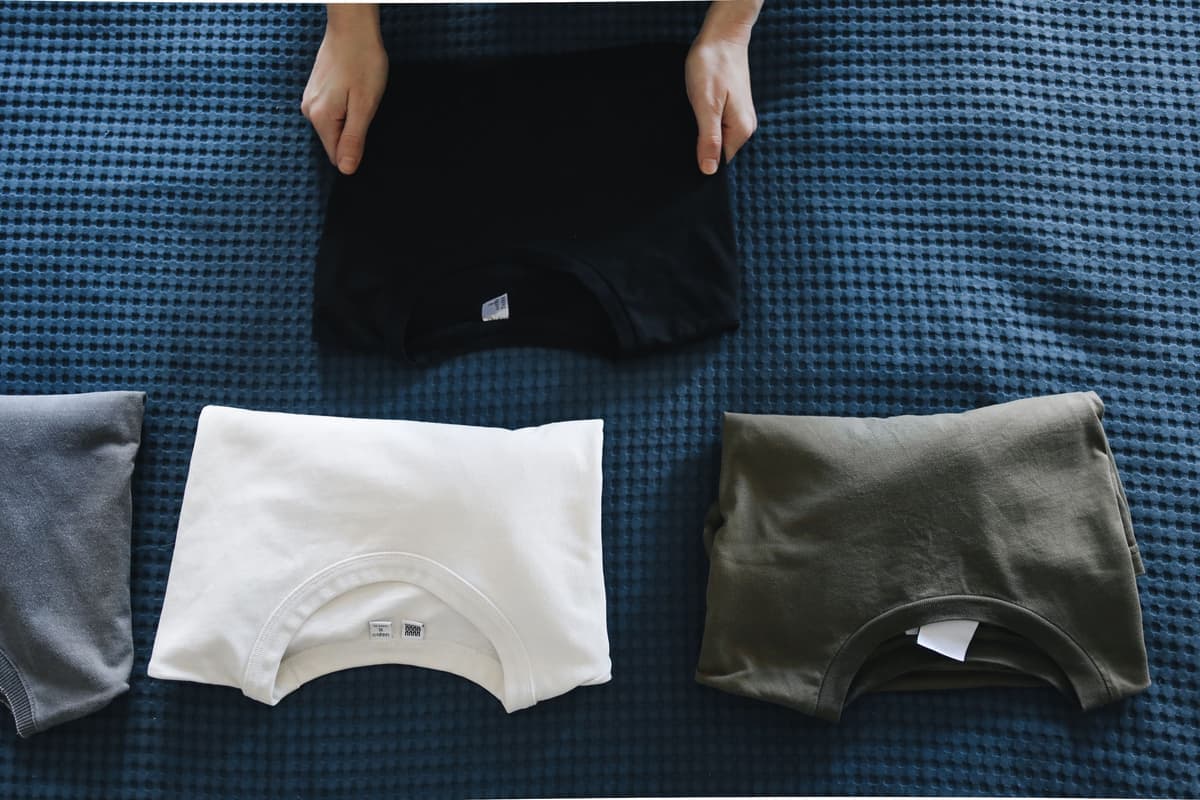 Polyester Blank ShirtsSublimation bonds to polyester and only polyester — the blank matters more than the printer, and this is th... | The blank that actually works | Check price on Amazon #ad · affiliate link · we never show a price we cannot verify |
| 5 | A-SUB Sublimation PaperThe paper most beginners land on, and a sensible default: high transfer rate, dries fast enough to handle, ... | The transfer itself | Check price on Amazon #ad · affiliate link · we never show a price we cannot verify |
Tap any row to jump to the full write-up. We do not publish prices — they move constantly, and a stale number is worse than none.
How sublimation differs from vinyl at the press
| Heat transfer vinyl | Sublimation | |
|---|---|---|
| Typical temperature | Around 305°F on cotton | Around 385-400°F |
| Typical dwell | Around 15 s | 45-60 s fabric; minutes for hard blanks |
| Pressure | Firm | Medium and even |
| Blank | Any fabric, any color | Polyester or coated, white or light only |
| Round blanks | Not applicable | Needs a wrapping heat source |
| Scorch risk | Low on cotton | High — polyester yellows permanently |
Two things follow from that table. The long dwell is why auto-open stops being a luxury — a minute is enough time to become distracted. And the narrow top end is why a press whose display reads high by a meaningful margin is a real problem rather than a quirk: polyester yellows into a permanent patch at temperatures a cotton shirt would shrug off.
How we picked
We ranked on the ability to hold sublimation temperatures accurately for long dwell times with even pressure, and on platen size against real transfer sizes. Temperature and substrate guidance comes from ink and blank manufacturers' published information. Our methodology.
Our picks in full
1. Best for sublimating flat items
HTVRONT Auto Heat Press
HTVRONT · Currently sold · Verified 2026-09-27
Sublimation dwell times run 45 to 60 seconds for fabric rather than the roughly 15 seconds vinyl needs, and hard blanks take minutes. That makes auto-open genuinely valuable rather than a convenience — a minute is long enough to walk away, and a press that lifts itself turns a lapse into a non-event instead of a scorched blank. Even clamp pressure matters too, because a patchy press shows up as a faded band across the transfer.
What works
- Clamp pressure is repeatable in a way hand pressure never is
- Auto-open removes the most common scorch mistake
- A 15 x 15 in plate presses an adult front design in one go
What does not
- Heavy, and it needs permanent bench space
- Louder and more industrial than an EasyPress
- Overkill if you make a few shirts a year
Not for you if
You have no dedicated table. This is not a machine you clear away between projects.
Key specs
- Type
- Auto-open clamshell heat press
- Plate size
- Typically 15 x 15 in on the full-size model
- Pressure
- Adjustable clamp — consistent every press
- Auto-open
- Yes — lifts itself when the timer ends
- Bench space
- Permanent — this does not go in a drawer
#ad · affiliate link · we never show a price we cannot verify
2. Best for wide transfers and all-over prints
Large-Format Clamshell Heat Press (16 x 20)
Various · Currently sold · Verified 2026-09-29
Sublimation's appeal grows with size — an all-over front print is something vinyl cannot practically do — and a 16 by 20 inch platen covers a full 13 by 19 inch transfer from a wide-format printer in one pass. If you have stepped up to a wide-format sublimation printer, this is the platen that matches it. Pressing a 13 by 19 transfer in two overlapping passes risks a visible seam, which is far more obvious in sublimation than in vinyl.
What works
- Presses a hoodie front or an oversized design in a single pass
- Covers a full 13 x 19 transfer, which a 15 x 15 platen cannot
- Clamp pressure repeats exactly, which matters most on thick garments
What does not
- Heavy, and it needs considerably more bench space than a 15 x 15
- Overkill for standard adult front prints, which fit a smaller platen
- Takes longer to reach temperature than a small plate
Not for you if
You press standard adult t-shirt designs a few times a month. A 15 by 15 platen already covers those, for less money and less table.
Key specs
- Type
- Clamshell or swing-away heat press
- Platen size
- Commonly 16 x 20 in
- Pressure
- Adjustable clamp — repeatable every press
- Bench space
- Permanent, and more of it than a 15 x 15
- Typical use
- Hoodies, DTF transfers, oversized prints, batch work
#ad · affiliate link · we never show a price we cannot verify
3. Best for the budget flat press
VEVOR Clamshell Heat Press
VEVOR · Currently sold · Verified 2026-09-27
A manual clamshell reaches sublimation temperatures and holds even clamp pressure, which is what the process needs. The one caveat carries more weight here than elsewhere: sublimation's window is narrow at the top end, and polyester scorches into a permanent yellowed patch above it. Verify the platen temperature with an infrared thermometer before your first real blank, and note the offset.
What works
- Full-size plate and real clamp pressure for less than a handheld press
- Presses an adult design in a single pass
- Widely available with lots of community guidance
What does not
- Displayed temperature can differ from actual plate temperature — worth checking
- No auto-open, so a forgotten timer scorches the shirt
- Build quality is visibly budget
Not for you if
You want to set it and trust it. Check the plate temperature with an infrared thermometer before you trust the display.
Key specs
- Type
- Manual clamshell heat press
- Plate size
- Commonly 15 x 15 in
- Pressure
- Manual knob adjustment
- Auto-open
- No — it beeps, you lift
- Bench space
- Permanent
#ad · affiliate link · we never show a price we cannot verify
4. Best for the blank that actually works
Polyester Blank Shirts
Various · Currently sold · Verified 2026-09-27
Worth including because the press is not usually the thing that ruins a sublimation project — the blank is. Sublimation bonds only to polyester or a polymer coating, and only shows on white or very light material. A 100 percent polyester white tee is the reference surface; anything cotton-rich fades in proportion, and dark blanks show nothing at all.
What works
- The only fabric sublimation genuinely bonds to
- Result has no hand feel at all — the design is in the fabric
- Will not crack or peel the way a vinyl transfer can
What does not
- White or near-white only — this is a hard physical limit
- 100% polyester feels different from a cotton tee
- Blends fade the design, which you may or may not want
Not for you if
You want a soft cotton shirt or a dark shirt. Use heat transfer vinyl instead — it works on both.
Key specs
- Fabric
- 100% polyester, or a high-polyester blend
- Color
- White or very light — dark fabric will not work
- Why polyester
- Sublimation ink bonds to polymer, not to cotton fiber
- Blend behavior
- A 65/35 blend gives a faded, vintage-looking result
#ad · affiliate link · we never show a price we cannot verify
5. Best for the transfer itself
A-SUB Sublimation Paper
A-SUB · Currently sold · Verified 2026-09-27
A high transfer-rate paper releases more of the printed ink to the blank under heat, which gives brighter results at the same press settings and reduces the temptation to overcook a transfer chasing saturation. Cheap enough to practice with, which matters because early attempts get wasted.
What works
- Consistent results across shirts, mugs and hard blanks
- Dries quickly enough that sheets do not smudge when stacked
- Cheap enough to practice with
What does not
- Only works with sublimation ink — regular ink will not transfer
- Printing on the wrong side wastes the sheet and the ink
Not for you if
You are printing on dark fabric. Sublimation does not work on dark fabric at all, whatever paper you use.
Key specs
- Type
- Dye-sublimation transfer paper
- Weight
- Commonly 125 gsm
- Sizes
- Letter and larger sheets
- Transfer rate
- High — most of the ink releases to the blank
- Printed side
- One side only — the coated side
#ad · affiliate link · we never show a price we cannot verify
Tumblers and mugs need a different machine entirely
This catches people out after they have already bought a flat press. A tumbler is a cylinder, and a flat platen touches a cylinder along a narrow line — so at any moment only a thin strip of the transfer is in contact, while sublimation needs sustained even contact across the whole design.
The two workable answers both wrap the blank rather than pressing it. A tumbler press has a curved heating element that closes around the cylinder. A convection oven heats the whole blank evenly from all sides with the transfer wrapped and secured — slower, cheaper, and able to do several blanks at once.
What else the setup needs
- Heat-resistant tape, so the transfer cannot shift mid-press. Movement produces ghosting, which is the most common avoidable sublimation fault.
- Butcher paper above and below, to protect the platen from ink gassing through the blank.
- A lint roller. Dust and fibers on the blank show as specks in the finished transfer and cannot be fixed afterwards.
- The right blanks. Which ones genuinely work — this decides more outcomes than the press does.
- The published settings. Our sourced sublimation time and temperature table.
If you have not yet chosen a printer, the beginner printer roundup covers the converted-versus-dedicated decision, and sublimation for beginners walks the whole process end to end.
Common questions
What heat press do I need for sublimation?
Can I use a Cricut EasyPress for sublimation?
Can a flat heat press do tumblers?
What temperature is sublimation pressed at?
Why is there a yellow box around my sublimation design?
Sources
- Sawgrass sublimation guidance — Published time, temperature and pressure guidance by substrate type, verified 29 September 2026
- A-SUB product information — Transfer paper handling and typical press settings, verified 29 September 2026
How we picked
We verify every product is currently sold by reading the manufacturer's own catalog, compare published specifications rather than marketing copy, and rank on what a first-time buyer has to decide. We do not run lab tests and we do not claim to, and commission never affects the order.
Read this next
Sublimation Temperature Guide
Times and temperatures by blank type, sourced, plus what to adjust when a transfer comes out pale.
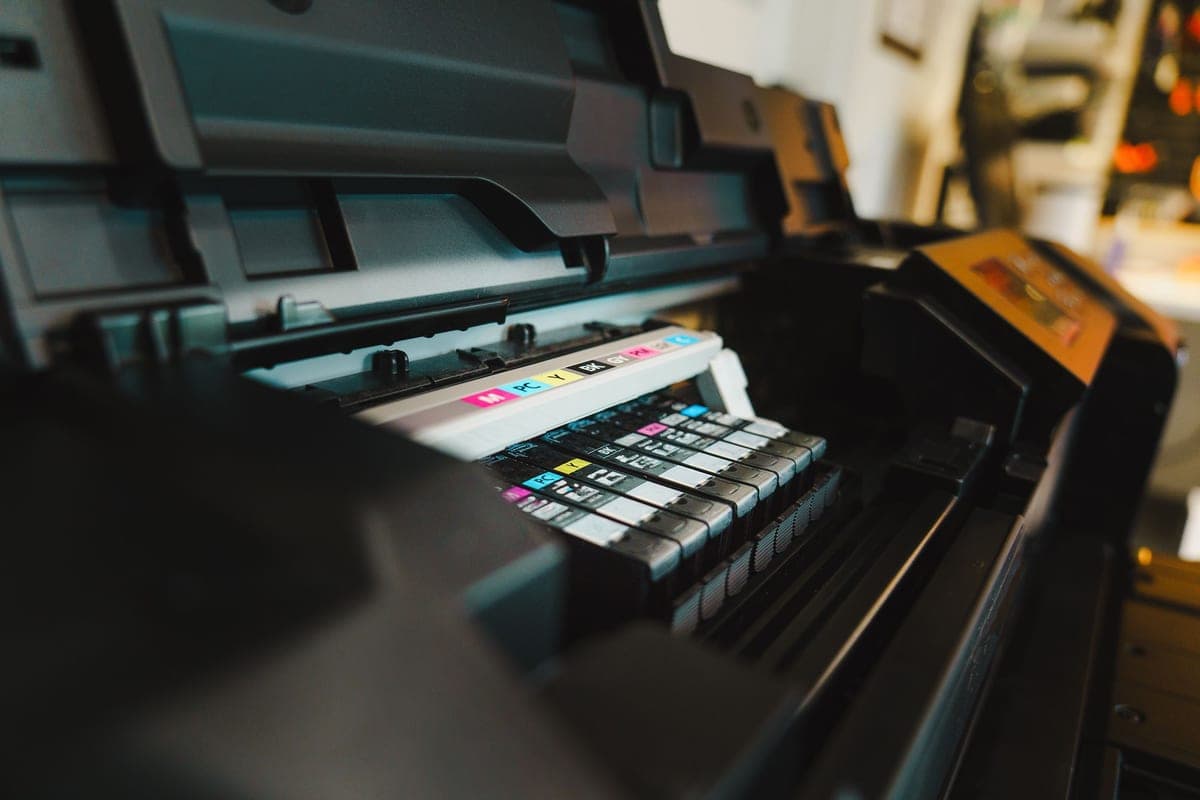
The Best Sublimation Printer for Beginners
Convert an EcoTank or buy a dedicated printer — the honest trade-off between cost and support.
The Best Heat Press Machines
Every type of heat press machine ranked by who it genuinely suits, from handheld to large-format.
The Best Sublimation Blanks
Which blanks genuinely take sublimation, which are most forgiving, and what to check before buying.
Sublimation for Beginners
The complete beginner walkthrough: how it works, what it needs, and the first-transfer process.
Back to Heat Presses.