
Sublimation Temperature Guide
Typical published ranges by blank type, with the instruction that matters more than any of them.
Heads up: Mat & Blade earns a commission from qualifying purchases made through the links on this page, at no extra cost to you. It never changes which products we recommend or how we rank them. Read the full disclosure.
Use the figures published by your blank supplier and ink maker. The table below gives typical published ranges so you know what the answer should look like, and it is a starting point rather than an authority — coatings and inks differ, and your blank's own guidance wins.
Typical published ranges
| Blank | Temperature | Time | Notes |
|---|---|---|---|
| Polyester fabric | Around 385-400°F / 195-205°C | Around 45-60 s | Medium pressure; polyester scorches above this |
| Coated tumbler | Around 360-400°F / 180-205°C | Minutes, not seconds | Needs a tumbler press or convection oven |
| Coated mug | Around 350-400°F / 175-205°C | Several minutes | Mug press; times vary by press |
| Coated slate or ceramic tile | Around 400°F / 205°C | Several minutes | Hard blanks need longer than fabric |
| Coated metal sheet | Around 380-400°F / 195-205°C | Around 60 s | Heat-resistant tape essential |
| Coated phone case | Around 360-390°F / 180-200°C | Around 60-90 s | Check the supplier's figure — cases vary a lot |
The three variables
Temperature
Too low and the dye does not fully convert to gas, so the transfer is pale. Too high and you scorch the blank — on polyester fabric that shows as a yellowed background around the design, which is permanent and the most common way a shirt gets ruined.
Time
Sublimation times are much longer than heat transfer vinyl times — 45 to 60 seconds for fabric against roughly 15, and minutes for hard blanks. Hard blanks take longer because the heat has to travel through the substrate to reach the coating on the far side.
Pressure
Medium and even is the general guidance for fabric. Too little means poor contact and a patchy transfer; too much can distort a thin blank or push the transfer out of position as the press closes. For tumblers the requirement is a wrap rather than pressure — a flat plate touches a cylinder along a narrow line and cannot transfer evenly.
Troubleshooting by symptom
| Symptom | Likely cause | Try |
|---|---|---|
| Pale, washed-out transfer | Not enough heat or time; or too little polyester | Increase time first, then temperature; check the blank |
| Yellowed background on fabric | Too hot or too long | Reduce temperature; polyester scorches easily |
| Blurred double image | The transfer moved during pressing or removal | Tape it down; lift straight up when removing |
| Patchy transfer | Uneven pressure or contact | Check the surface is flat and pressure is even |
| Colors wrong but bright | Missing or poor ICC profile | Install the profile from your ink maker |
| Nothing transferred | Regular ink, or printed on the uncoated side | Check ink and paper orientation |
| Faded after washing | The blank was cotton or a cotton-rich blend | Use 100% polyester |
Adjust time before temperature
A useful rule when a transfer is pale. Increasing time is the safer adjustment: it drives more dye into the blank with less risk of scorching. Increasing temperature gets you brighter results faster and moves you toward the yellowing threshold, which on polyester is unforgiving and irreversible.
Add five to ten seconds at a time on fabric, and test on a scrap blank rather than the good one. Once you find the setting that works for a given blank and ink combination, write it down — you will not remember it in three months.
The steps the numbers assume
- Lint-roll the blank. Dust and fibers show as specks in the finished transfer.
- Pre-press fabric briefly to drive out moisture, exactly as with heat transfer vinyl.
- Tape the transfer down with heat-resistant tape so it cannot move.
- Use butcher paper above and below to protect the platen from ink gassing through.
- Remove the transfer immediately while hot — leaving it on as things cool softens the edges.
- Let the blank cool before judging it. Colors settle as it cools.
The full process, and the heat transfer vinyl equivalent if you are doing both.
1. Best for the most forgiving settings
Sublimation Tumbler Blanks
Various · Currently sold · Verified 2026-09-27
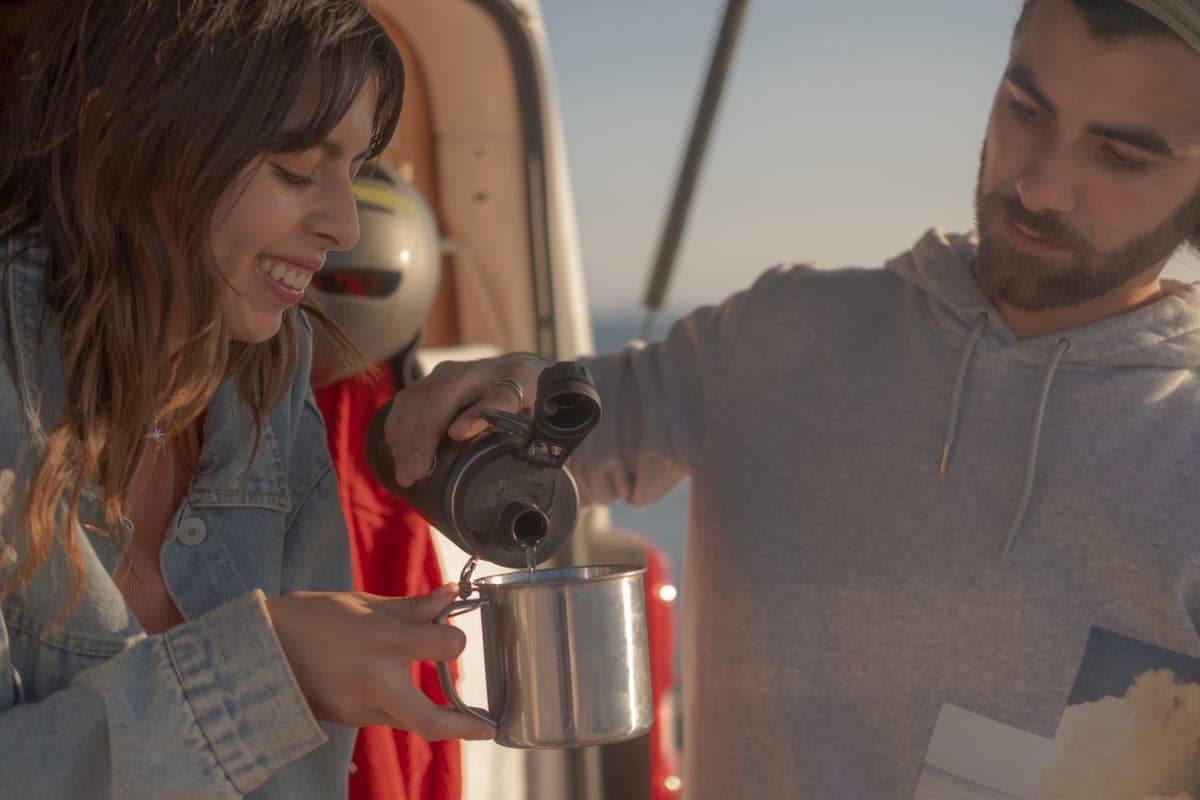
Coated tumblers tolerate a wider timing window than fabric does, which makes them the best blank to learn settings on. They need a wrapping heat source though — a flat press cannot make even contact with a cylinder.
What works
- The coating makes color come out bright and sharp
- Very forgiving of small timing errors
- Sold in cheap multi-packs so practice costs little
What does not
- Must be sublimation-specific — an ordinary tumbler will not take the ink
- Needs a tumbler press or an oven; a flat press cannot do it
- Not dishwasher-proof in practice, whatever the listing says
Not for you if
You only have a flat heat press. A flat plate cannot wrap a tumbler evenly.
Key specs
- Coating
- Polymer coating — required for sublimation to bond
- Common size
- 20 oz skinny tumbler
- Heat source
- Tumbler press, convection oven, or shrink wrap plus oven
- Color
- White or very light — sublimation ink is translucent
#ad · affiliate link · we never show a price we cannot verify
2. Best for the least forgiving settings
Polyester Blank Shirts
Various · Currently sold · Verified 2026-09-27
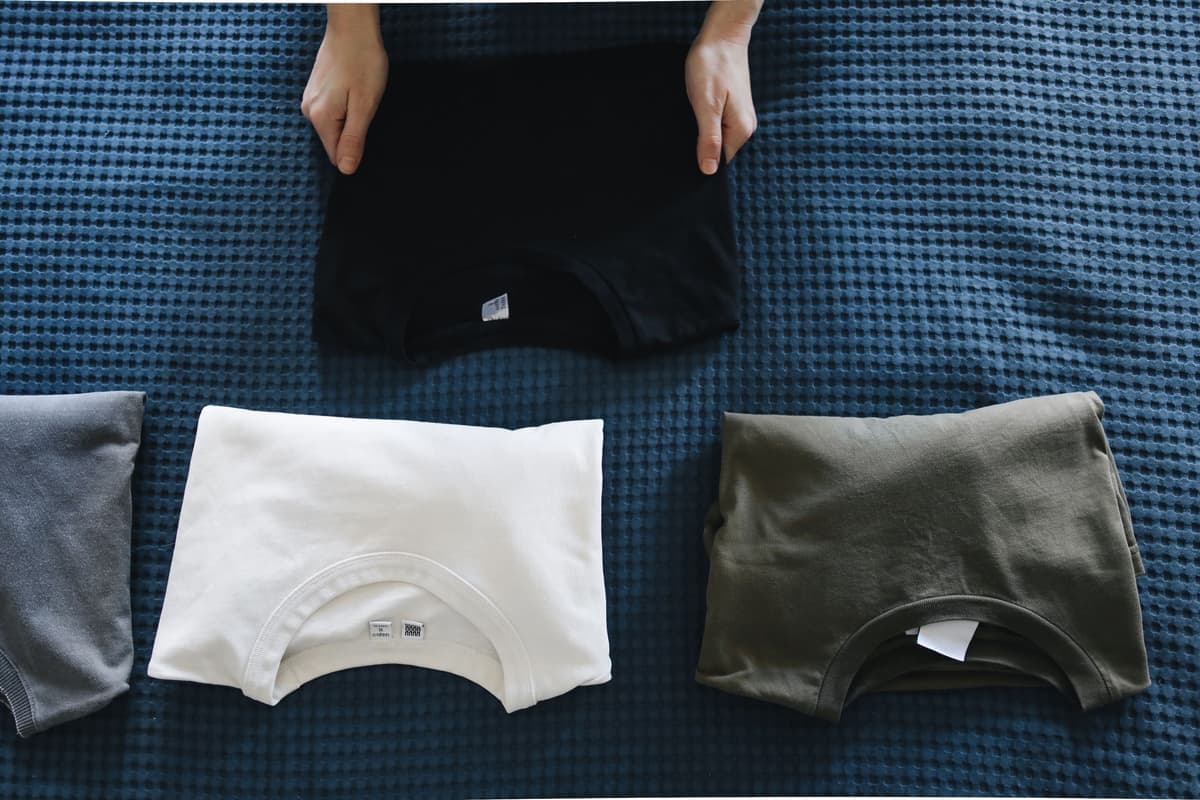
Polyester scorches, and the window between a full transfer and a yellowed background is narrower than on hard blanks. Start at the lower end of the published range and work up rather than down.
What works
- The only fabric sublimation genuinely bonds to
- Result has no hand feel at all — the design is in the fabric
- Will not crack or peel the way a vinyl transfer can
What does not
- White or near-white only — this is a hard physical limit
- 100% polyester feels different from a cotton tee
- Blends fade the design, which you may or may not want
Not for you if
You want a soft cotton shirt or a dark shirt. Use heat transfer vinyl instead — it works on both.
Key specs
- Fabric
- 100% polyester, or a high-polyester blend
- Color
- White or very light — dark fabric will not work
- Why polyester
- Sublimation ink bonds to polymer, not to cotton fiber
- Blend behavior
- A 65/35 blend gives a faded, vintage-looking result
#ad · affiliate link · we never show a price we cannot verify
3. Best for consistent transfers
A-SUB Sublimation Paper
A-SUB · Currently sold · Verified 2026-09-27
A high transfer rate means more of the printed ink reaches the blank at a given setting, which makes results more consistent and reduces the temptation to overcook a transfer chasing brightness.
What works
- Consistent results across shirts, mugs and hard blanks
- Dries quickly enough that sheets do not smudge when stacked
- Cheap enough to practice with
What does not
- Only works with sublimation ink — regular ink will not transfer
- Printing on the wrong side wastes the sheet and the ink
Not for you if
You are printing on dark fabric. Sublimation does not work on dark fabric at all, whatever paper you use.
Key specs
- Type
- Dye-sublimation transfer paper
- Weight
- Commonly 125 gsm
- Sizes
- Letter and larger sheets
- Transfer rate
- High — most of the ink releases to the blank
- Printed side
- One side only — the coated side
#ad · affiliate link · we never show a price we cannot verify
Common questions
What temperature do you sublimate at?
How long do you press sublimation on a shirt?
What time and temperature for a sublimation tumbler?
Why is my sublimation coming out pale?
Why is there a yellow box around my design?
Sources
- Sawgrass sublimation guidance — Published time, temperature and pressure guidance by substrate type, verified 27 September 2026
- A-SUB product information — Transfer paper handling and typical press settings, verified 27 September 2026
How we picked
We verify every product is currently sold by reading the manufacturer's own catalog, compare published specifications rather than marketing copy, and rank on what a first-time buyer has to decide. We do not run lab tests and we do not claim to, and commission never affects the order.
Read this next
Sublimation for Beginners
The complete beginner walkthrough: how it works, what it needs, and the first-transfer process.
The Best Sublimation Blanks
Which blanks genuinely take sublimation, which are most forgiving, and what to check before buying.
The Best Sublimation Paper
Which transfer paper to buy, plus the two beginner mistakes that waste sheets and ink.
Heat Press Temperature Guide
Published time and temperature figures by material, sourced — plus the three variables that matter more.
Best Sublimation Setup for Shirts and Tumblers
One printer, two heat sources — what shirts and tumblers each need, and where the money goes.
Back to Sublimation.