
The Best Sublimation Paper
A coated sheet that releases ink under heat, and two mistakes that waste a lot of it.
Heads up: Mat & Blade earns a commission from qualifying purchases made through the links on this page, at no extra cost to you. It never changes which products we recommend or how we rank them. Read the full disclosure.
A standard high-transfer-rate sublimation paper covers almost everything. Print on the coated side, use it only with sublimation ink, and store it flat and dry. Paper is rarely the thing that ruins a transfer — the blank and the press usually are.
Quick picks
| # | Product | Best for | Price |
|---|---|---|---|
| 1 | A-SUB Sublimation PaperThe paper most beginners land on, and a sensible default: high transfer rate, dries fast enough to handle, ... | General sublimation transfers | Check price on Amazon #ad · affiliate link · we never show a price we cannot verify |
| 2 |  Sublimation Tumbler BlanksPolymer-coated tumblers are the most forgiving sublimation blank there is — the coating does the work, so a... | The most forgiving first project | Check price on Amazon #ad · affiliate link · we never show a price we cannot verify |
| 3 | 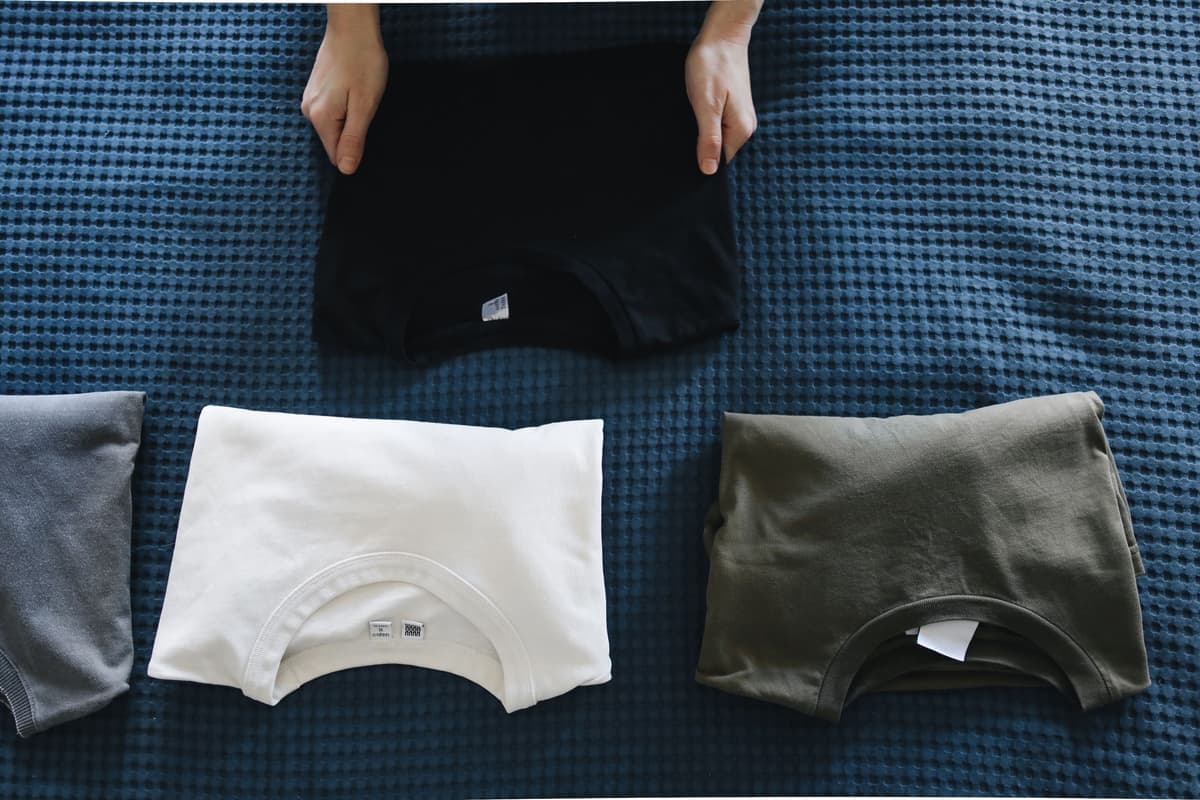 Polyester Blank ShirtsSublimation bonds to polyester and only polyester — the blank matters more than the printer, and this is th... | Fabric transfers | Check price on Amazon #ad · affiliate link · we never show a price we cannot verify |
| 4 | 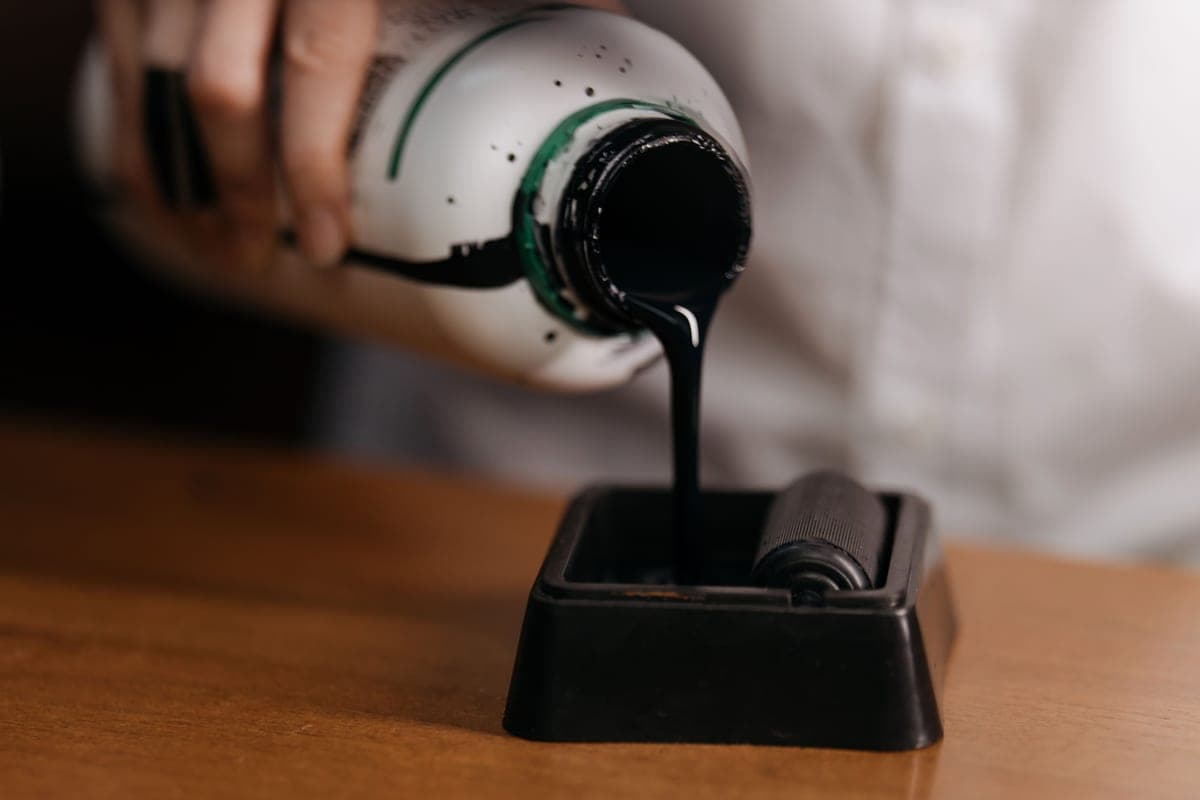 Third-Party Sublimation InkThe ink that makes an EcoTank conversion work, and the exact thing that puts the printer outside Epson's in... | The other half of the transfer | Check price on Amazon #ad · affiliate link · we never show a price we cannot verify |
Tap any row to jump to the full write-up. We do not publish prices — they move constantly, and a stale number is worse than none.
What sublimation paper does
It is a coated transfer sheet, not a printable surface in the normal sense. You print your design mirrored onto the coated side, place it face-down on the blank, and press it. Under heat, the sublimation dye turns to gas, leaves the paper, and embeds itself in the polymer of the blank. The paper is discarded afterwards.
The coating exists to hold the ink on the surface rather than absorbing it, so that as much as possible releases under heat. That is the transfer rate — how much of the ink you printed ends up on the blank rather than stuck to the paper.
How we picked
Ranked on transfer rate, dry time and consistency across blank types, using published product specifications. We include blanks in the picks because on this topic the blank and the paper are inseparable — the right paper on the wrong blank produces nothing at all. Our methodology.
The picks in full
1. Best for general sublimation transfers
A-SUB Sublimation Paper
A-SUB · Currently sold · Verified 2026-09-27
The sensible default and where most beginners land. High transfer rate means most of the ink releases to the blank rather than staying on the paper, which gives brighter results from the same amount of ink. It dries fast enough that sheets do not smudge when stacked, works consistently across shirts, mugs and hard blanks, and is cheap enough to practice with — which matters, because early attempts get wasted.
What works
- Consistent results across shirts, mugs and hard blanks
- Dries quickly enough that sheets do not smudge when stacked
- Cheap enough to practice with
What does not
- Only works with sublimation ink — regular ink will not transfer
- Printing on the wrong side wastes the sheet and the ink
Not for you if
You are printing on dark fabric. Sublimation does not work on dark fabric at all, whatever paper you use.
Key specs
- Type
- Dye-sublimation transfer paper
- Weight
- Commonly 125 gsm
- Sizes
- Letter and larger sheets
- Transfer rate
- High — most of the ink releases to the blank
- Printed side
- One side only — the coated side
#ad · affiliate link · we never show a price we cannot verify
2. Best for the most forgiving first project
Sublimation Tumbler Blanks
Various · Currently sold · Verified 2026-09-27
Paper choice matters less on a forgiving blank, and polymer-coated tumblers are the most forgiving there is. The coating does the work, so colors come out bright and sharp, and small timing errors do not ruin the result. A good place to learn what a correct transfer looks like before moving to fabric.
What works
- The coating makes color come out bright and sharp
- Very forgiving of small timing errors
- Sold in cheap multi-packs so practice costs little
What does not
- Must be sublimation-specific — an ordinary tumbler will not take the ink
- Needs a tumbler press or an oven; a flat press cannot do it
- Not dishwasher-proof in practice, whatever the listing says
Not for you if
You only have a flat heat press. A flat plate cannot wrap a tumbler evenly.
Key specs
- Coating
- Polymer coating — required for sublimation to bond
- Common size
- 20 oz skinny tumbler
- Heat source
- Tumbler press, convection oven, or shrink wrap plus oven
- Color
- White or very light — sublimation ink is translucent
#ad · affiliate link · we never show a price we cannot verify
3. Best for fabric transfers
Polyester Blank Shirts
Various · Currently sold · Verified 2026-09-27
The blank matters more than the paper on fabric. Sublimation bonds only to polyester, and only white or very light blanks work because the ink is translucent. A 100% polyester white tee is the reference surface — blends give a deliberately faded result.
What works
- The only fabric sublimation genuinely bonds to
- Result has no hand feel at all — the design is in the fabric
- Will not crack or peel the way a vinyl transfer can
What does not
- White or near-white only — this is a hard physical limit
- 100% polyester feels different from a cotton tee
- Blends fade the design, which you may or may not want
Not for you if
You want a soft cotton shirt or a dark shirt. Use heat transfer vinyl instead — it works on both.
Key specs
- Fabric
- 100% polyester, or a high-polyester blend
- Color
- White or very light — dark fabric will not work
- Why polyester
- Sublimation ink bonds to polymer, not to cotton fiber
- Blend behavior
- A 65/35 blend gives a faded, vintage-looking result
#ad · affiliate link · we never show a price we cannot verify
4. Best for the other half of the transfer
Third-Party Sublimation Ink
Various · Currently sold · Verified 2026-09-27
Paper and ink work as a pair. Sublimation paper with regular ink transfers nothing at all — the ink has no sublimation dyes to release. If a transfer came out blank or pale, this is the first thing to check.
What works
- Turns a cheap printer into a working sublimation printer
- Far cheaper per page than cartridge sublimation ink
- Most sellers supply an ICC profile for color accuracy
What does not
- Voids Epson's coverage for damage caused by non-genuine ink
- Color accuracy varies a lot by brand without a good profile
- There is no going back to regular printing
Not for you if
The printer is also your household document printer. Once it is converted, that is over.
Key specs
- Type
- Dye-sublimation ink in refill bottles
- Used with
- Refillable-tank inkjets, most commonly Epson EcoTank
- Color profile
- An ICC profile from the ink maker matters more than the ink brand
- Reversible
- No — a converted printer stays converted
#ad · affiliate link · we never show a price we cannot verify
The two mistakes that waste sheets
Printing on the wrong side. Sublimation paper is coated on one side only, and printing on the uncoated side means the ink soaks in rather than sitting on the surface — so almost nothing transfers. The coated side is usually brighter white and slightly slicker, and most papers mark the uncoated side or the packaging tells you which way the stack is oriented. Mark the first sheet as a reference if you are unsure.
Using it with regular ink. Sublimation paper only works with sublimation ink. Regular pigment or dye ink contains no sublimation dyes, so heating it transfers nothing. This sounds obvious and catches people constantly — usually when they try a test print on a household printer before the converted one is ready.
Paper weight, briefly
Sublimation paper is sold by weight in grams per square meter, and the differences are smaller than the marketing suggests. Heavier paper handles more ink without cockling — the wavy distortion you get when a sheet absorbs a lot of liquid — which matters for dense, highly saturated designs. Lighter paper is cheaper and fine for most work.
Around 125 gsm is a common general-purpose weight and a sensible default. If your prints are cockling badly or a dense design is transferring unevenly, a heavier sheet is worth trying before you start changing anything else.
Storage matters more than people expect
Sublimation paper is hygroscopic — it absorbs moisture from the air. Damp paper produces poor, patchy transfers and can cockle in the printer. Keep it flat in its original packaging or a sealed bag, away from humidity, and do not leave a stack out on a bench in a damp room for weeks.
If transfers suddenly get worse and nothing else changed, damp paper is a genuine suspect and an easy one to test by opening a fresh pack.
What paper cannot fix
Most sublimation failures are not the paper. Cotton blanks will not hold sublimation at all, regardless of paper. Dark blanks will not show a translucent ink, regardless of paper. Uncoated hard blanks have no polymer for the dye to bond into. And an under-pressed or under-heated transfer looks pale whatever it was printed on — the temperature guide covers that.
If a transfer failed, work through the blank and the press before changing paper. Sublimation for beginners covers the whole process in order.
Common questions
What is the best sublimation paper?
Which side of sublimation paper do you print on?
Can I use sublimation paper with regular ink?
Do you mirror sublimation prints?
Can sublimation paper work on dark fabric?
Why is my sublimation transfer coming out pale?
Sources
- A-SUB product information — Paper weight, coating and transfer characteristics, verified 27 September 2026
- Sawgrass sublimation guidance — Substrate requirements and transfer principles, verified 27 September 2026
How we picked
We verify every product is currently sold by reading the manufacturer's own catalog, compare published specifications rather than marketing copy, and rank on what a first-time buyer has to decide. We do not run lab tests and we do not claim to, and commission never affects the order.
Read this next
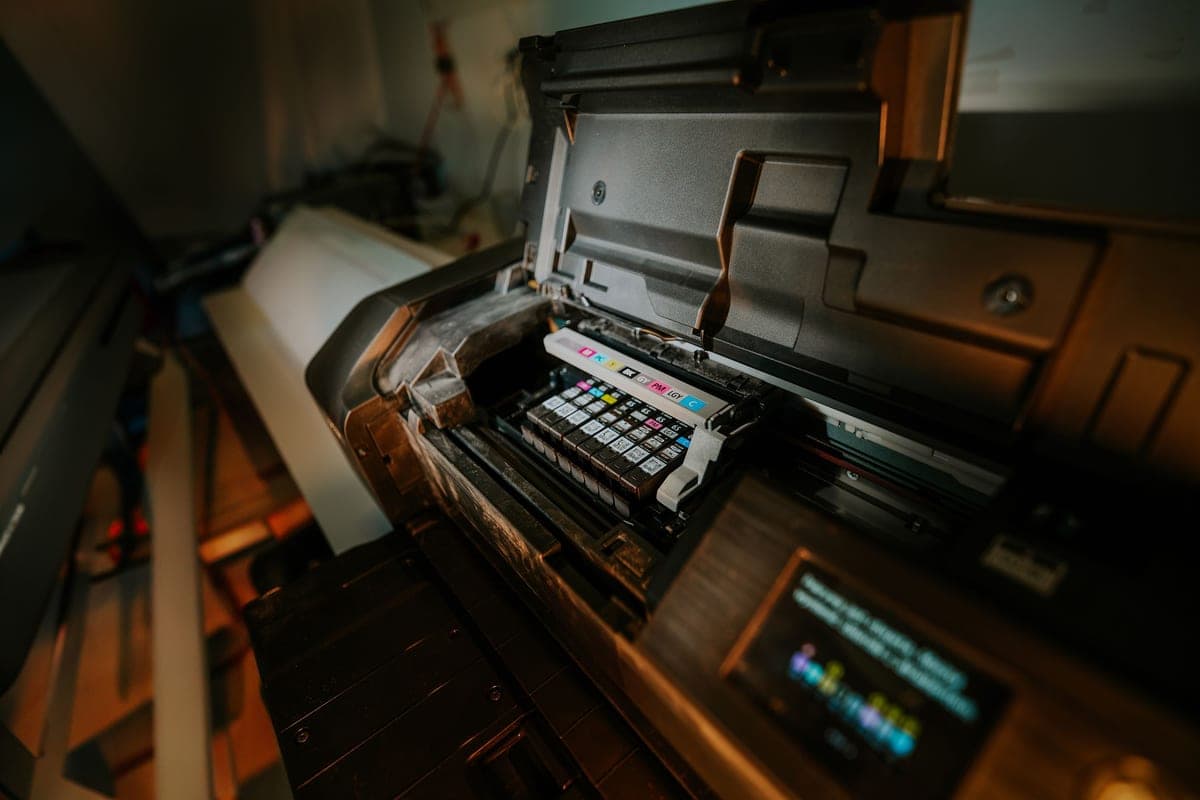
Sublimation for Beginners
The complete beginner walkthrough: how it works, what it needs, and the first-transfer process.
Sublimation Temperature Guide
Times and temperatures by blank type, sourced, plus what to adjust when a transfer comes out pale.
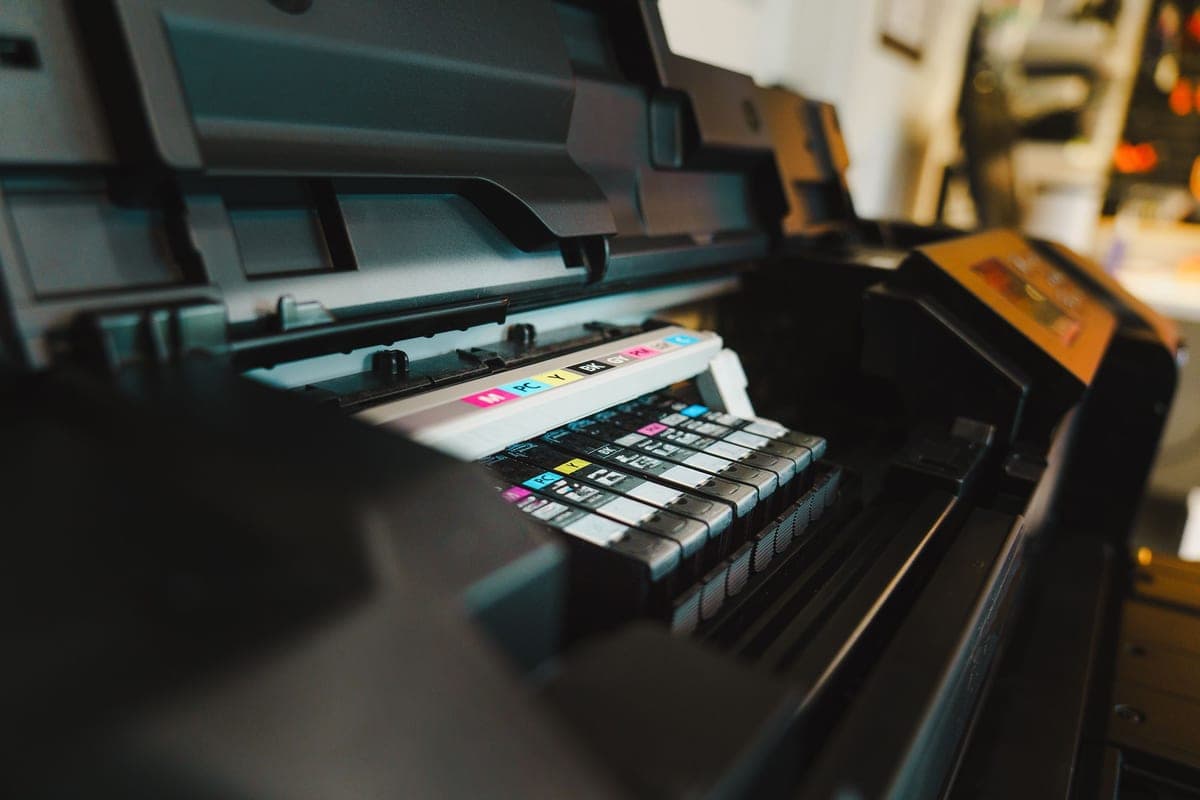
The Best Sublimation Printer for Beginners
Convert an EcoTank or buy a dedicated printer — the honest trade-off between cost and support.

Sublimation vs HTV
The category-defining comparison: what each technology can and cannot do, and which to start with.
The Best Sublimation Blanks
Which blanks genuinely take sublimation, which are most forgiving, and what to check before buying.
Back to Sublimation.