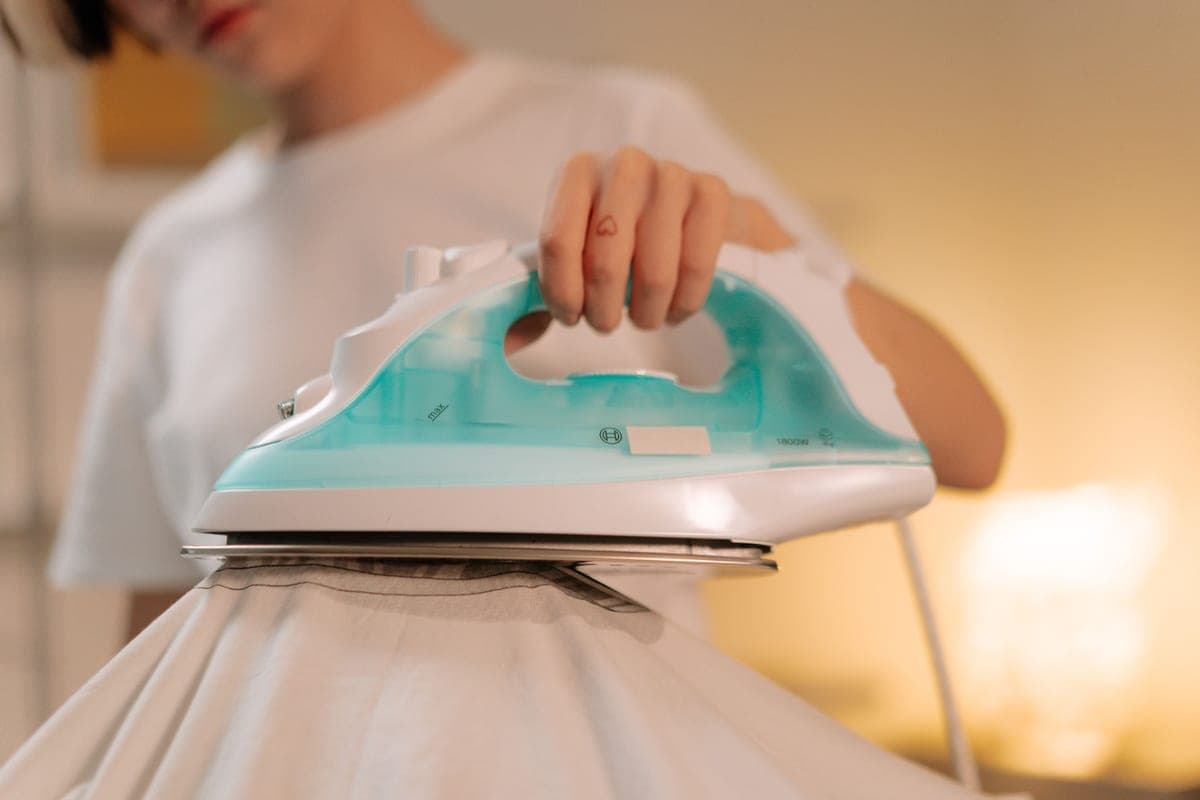
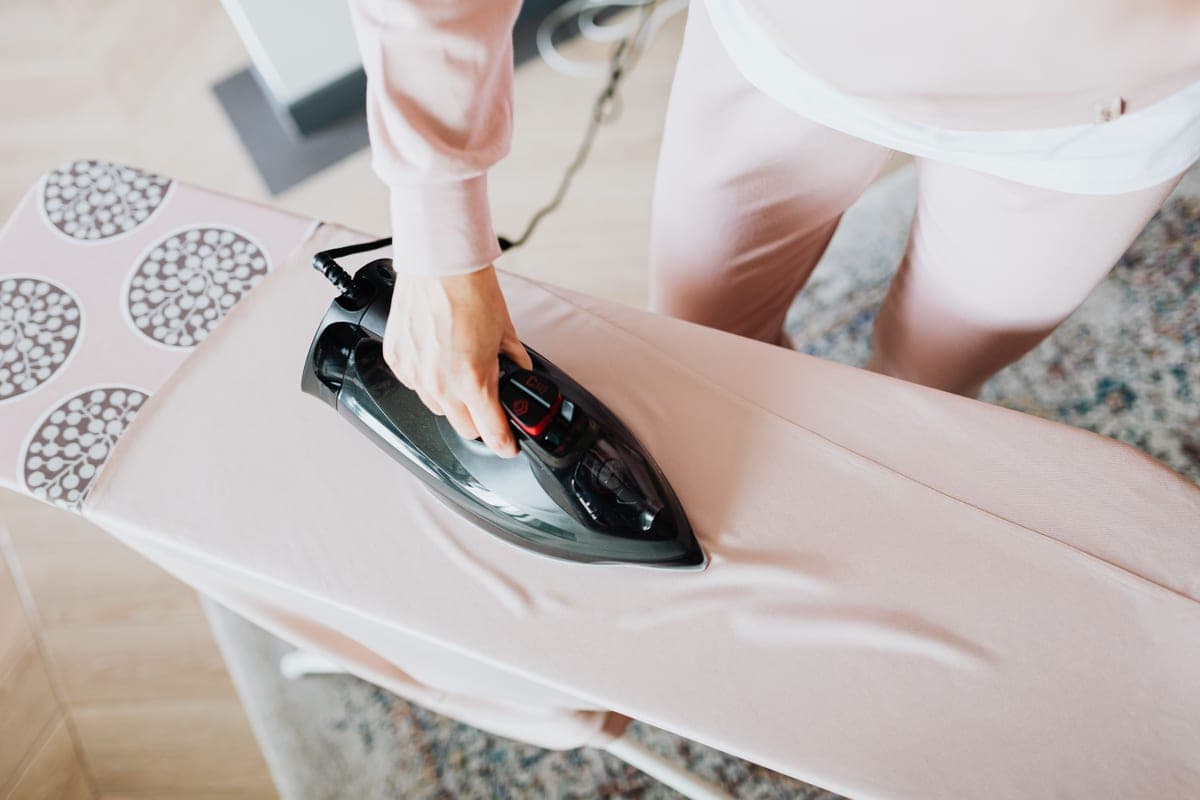
A heat press does one thing: it holds a known temperature and applies even pressure across a design for a known number of seconds. That sounds trivial until you try to do it with a household iron, which does neither. An iron's soleplate has steam holes, so pressure is uneven. Its thermostat cycles, so the temperature swings by tens of degrees. You can make a shirt with an iron, and plenty of people have, but the failure rate is high and the failures all look like the same thing — a design that lifts at the corners after two washes.
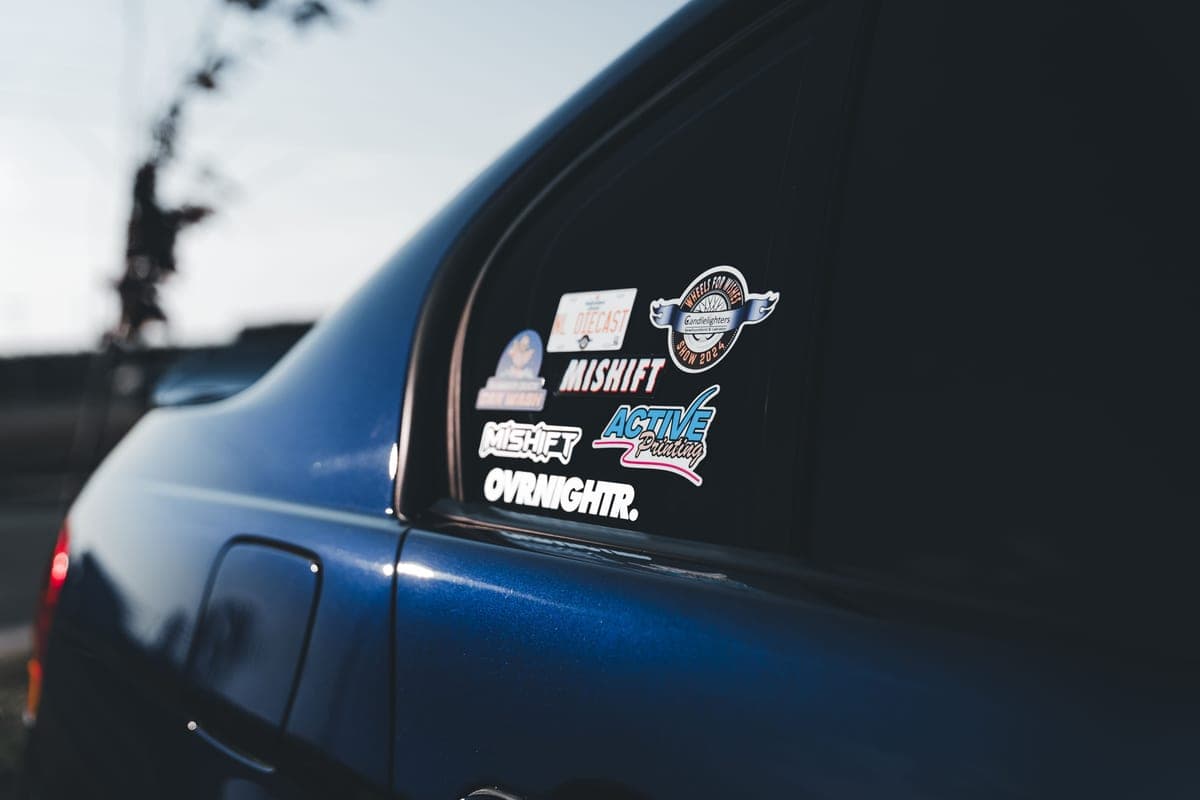
If your projects are decals on hard surfaces — tumblers, car windows, laptops, walls, glass — you need no heat source whatsoever. Adhesive vinyl sticks by adhesive. Buying a press before you have established that fabric is part of your plan is one of the more common ways to spend money you did not need to spend. Do you need a heat press? works through the honest version of this, including what you can achieve with an iron if you want to test the waters first.
This is the real decision, and it is mostly about how many shirts you intend to make and whether you have a permanent table.
A handheld press — the EasyPress and its competitors — is a heated plate with a handle. It holds temperature accurately and stores in a cupboard, but you supply the pressure by leaning on it, so consistency depends on your technique and your arms. For a handful of shirts a month it is genuinely the more sensible purchase, largely because it does not demand permanent bench space.
A clamshell press is a hinged machine with a clamp. Pressure is set with a knob and is identical on every press, the plate is large enough to do an adult front design in one go, and the better ones open themselves when the timer ends. It is heavy, it is loud, and it lives on a table permanently. The full comparison is here.
Flat items — shirts, tote bags, tea towels — work on any flat plate. Caps do not. A cap crown is curved, and a flat plate touches only the middle of it, so the edges of a design never get proper contact. That is what a curved cap platen exists for, and it is the correct answer rather than a luxury. Small curved items, seams and shoe panels are where a mini press earns its place.
Every heat transfer material has a published time, temperature and pressure from its manufacturer, and following it is the difference between a shirt that lasts and one that does not. The common failure is not using a wildly wrong number — it is using an approximately right number for a material that wanted something else. Polyester scorches at temperatures cotton handles comfortably. Glitter material needs longer than standard. Layered designs need a light tack press between layers rather than a full press each time.
Our temperature guide collects the published figures in one table with the source named for each, plus the instruction that matters most: check your specific material's own instructions, because manufacturers differ and products change.
- Moisture in the garment. Cotton holds humidity, and steam trapped under a transfer stops it bonding. A five-second pre-press on the bare shirt before the design goes on fixes it, costs nothing, and is skipped by almost every beginner.
- An uneven surface. Pressing on a padded ironing board means the seams and the collar absorb the pressure meant for the design. A firm heat press mat solves it for very little money, and it is the accessory we recommend most often after a weeding hook.
If you have already bought vinyl and want to know which press suits it, the beginner roundup is the place to start, and the budget picks cover the cheapest sensible route in.