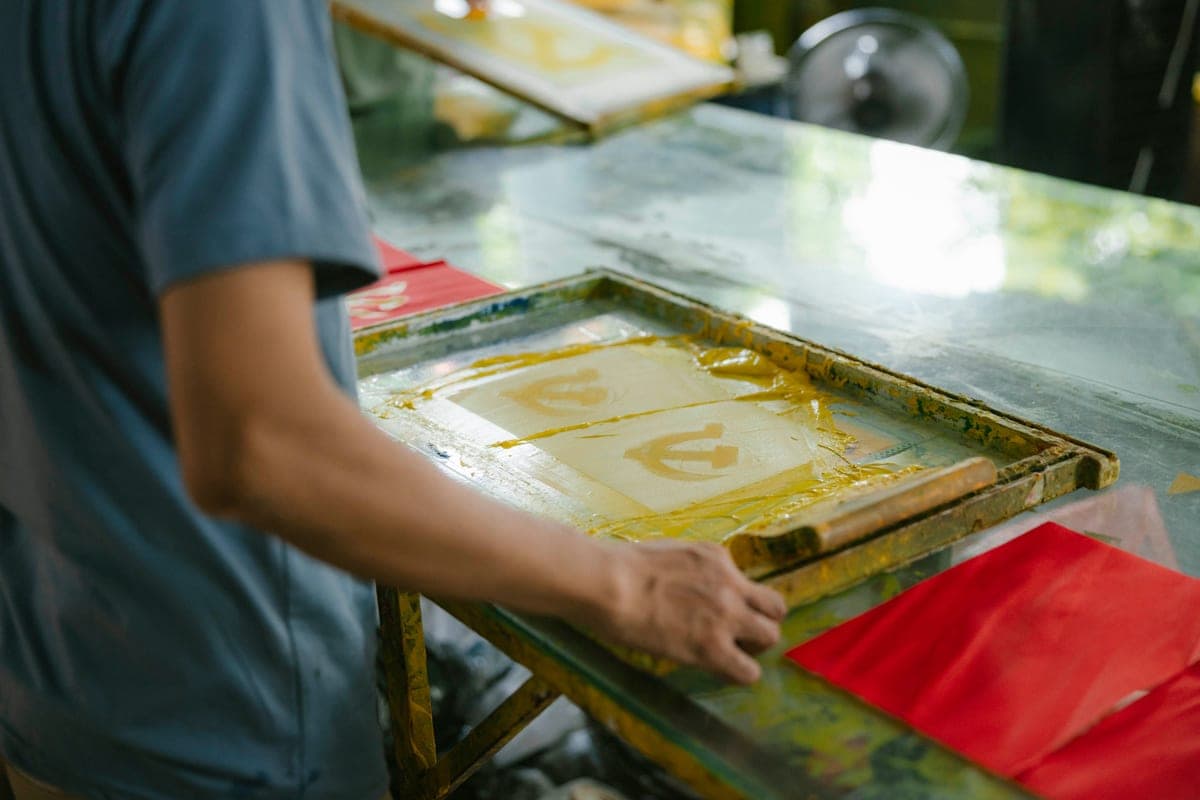
The Best Heat Press for T-Shirts
Two specifications matter for shirts specifically: how big the plate is, and whether the pressure is repeatable.
Heads up: Mat & Blade earns a commission from qualifying purchases made through the links on this page, at no extra cost to you. It never changes which products we recommend or how we rank them. Read the full disclosure.
For shirts specifically, buy a clamshell with a full-size plate. An adult front design runs 10 to 11 inches, and a plate that covers it in one press with repeatable clamp pressure removes the two biggest sources of failure. A handheld press works for occasional shirts and gets tiring fast.
Quick picks
| # | Product | Best for | Price |
|---|---|---|---|
| 1 | 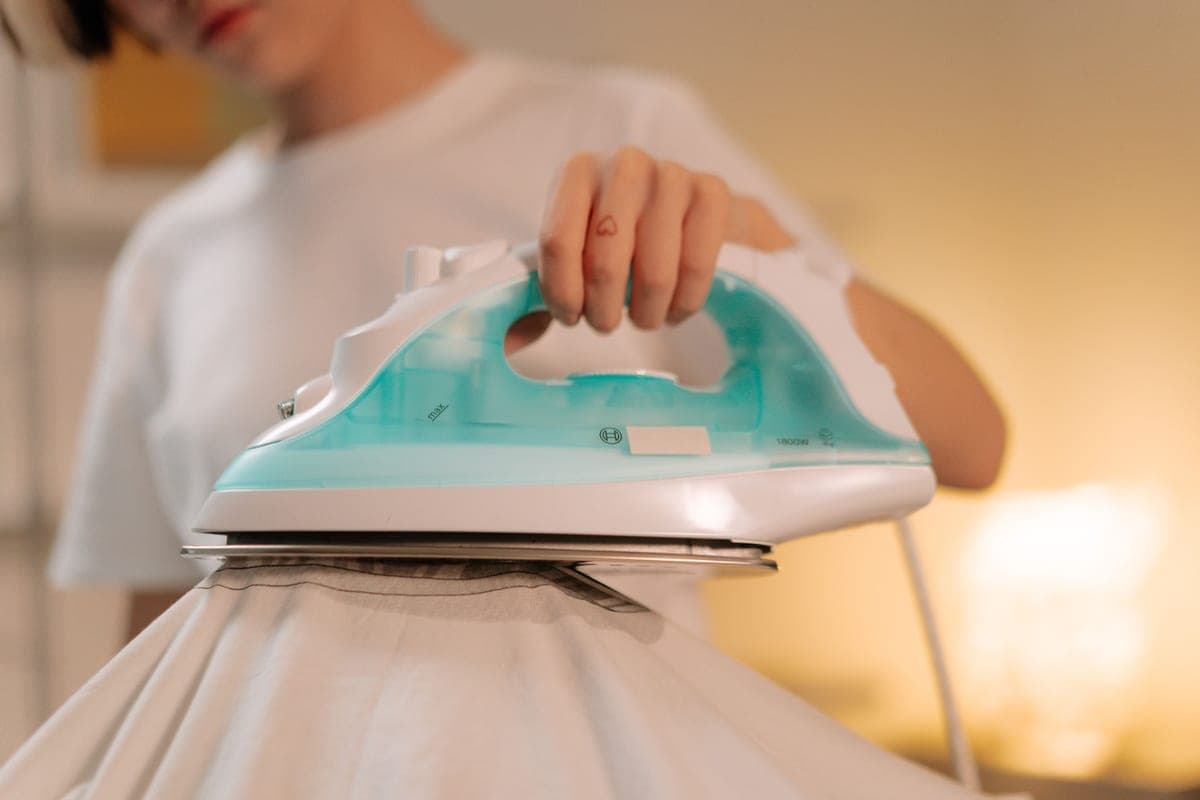 HTVRONT Auto Heat PressAn auto-open clamshell that removes the two things beginners get wrong — inconsistent pressure and forgetti... | Shirts, without compromise | Check price on Amazon #ad · affiliate link · we never show a price we cannot verify |
| 2 | VEVOR Clamshell Heat PressThe budget clamshell that beats a handheld press on pressure and plate size, at the cost of build quality a... | Full-size pressing on a budget | Check price on Amazon #ad · affiliate link · we never show a price we cannot verify |
| 3 | 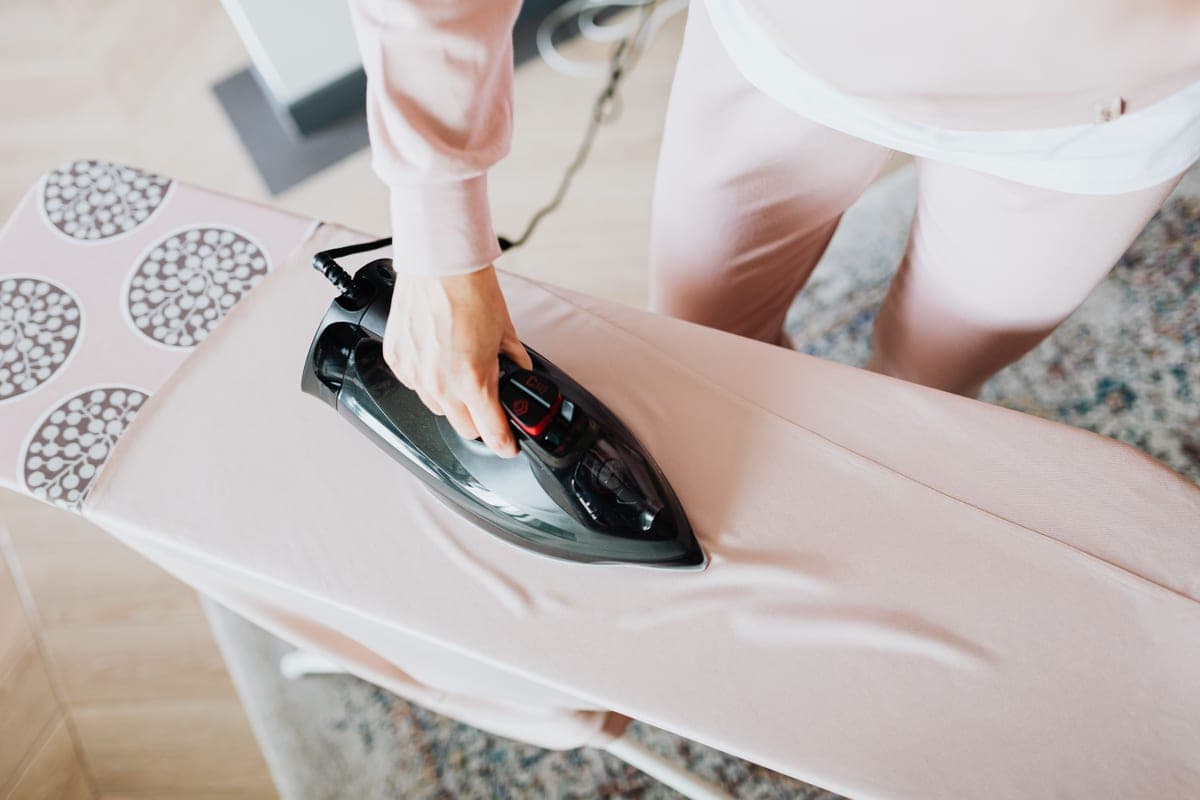 Cricut EasyPress SEThe current EasyPress and the easiest first heat source: controlled temperature, a flat even plate, and it ... | Occasional shirts in a small space | Check price on Amazon #ad · affiliate link · we never show a price we cannot verify |
| 4 |  Heat Press MatThe cheap accessory that fixes most failed presses: it gives you a firm, even, heat-safe surface instead of... | Even pressure on a handheld | Check price on Amazon #ad · affiliate link · we never show a price we cannot verify |
| 5 | 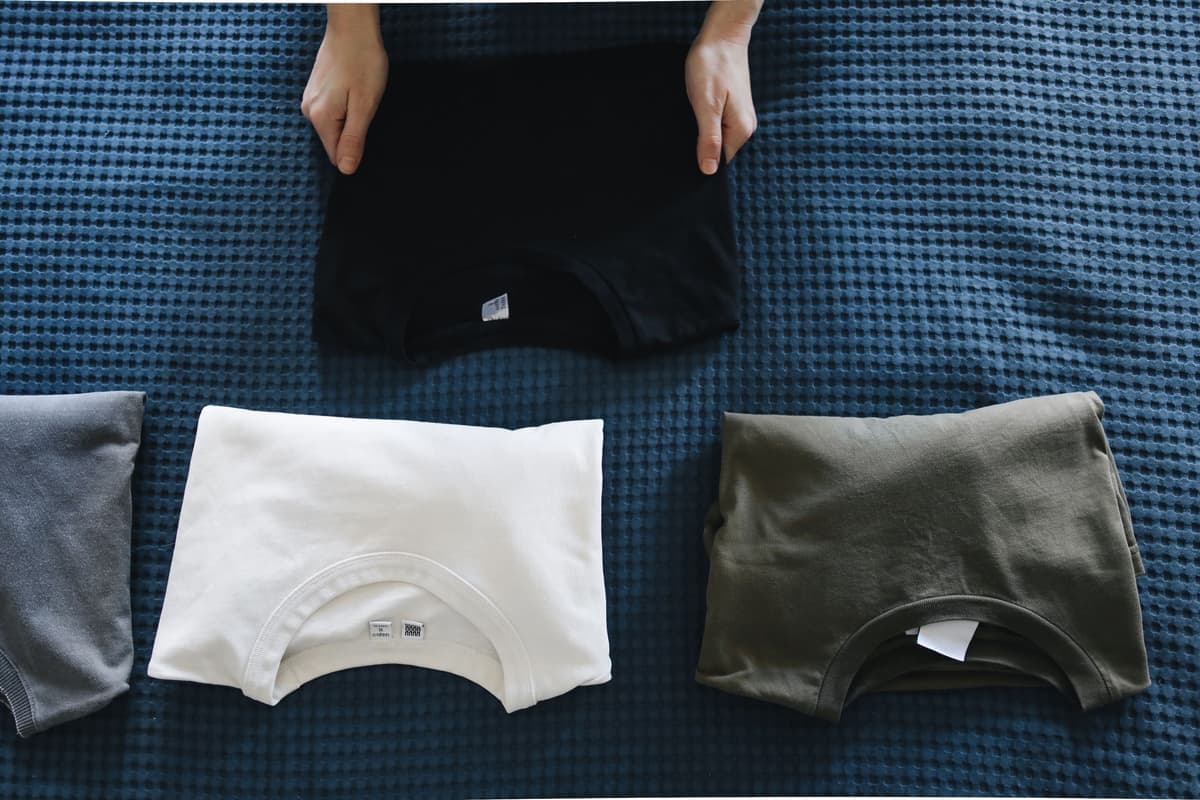 Cotton Blank T-ShirtsHeat transfer vinyl is happiest on cotton or a cotton blend, and a mid-weight ring-spun tee presses better ... | The blank under the design | Check price on Amazon #ad · affiliate link · we never show a price we cannot verify |
Tap any row to jump to the full write-up. We do not publish prices — they move constantly, and a stale number is worse than none.
Why shirts are the demanding case
Most heat press projects are small — a tote bag logo, a pocket print, a patch. Shirts are the one where every variable is stretched.
- The design is large, so plate coverage matters and uneven pressure across it shows up as partial adhesion.
- The surface is not flat. Seams, collars, hems and a chest pocket all create high and low spots.
- It gets washed repeatedly. A tote bag gets wiped; a shirt goes through a machine dozens of times, and an under-pressed design fails there rather than immediately.
- You usually make several. Repeatability matters in a way it does not for a one-off.
How we picked
Ranked on plate size against a real adult design and on whether pressure is repeatable, because those are the two variables that decide whether a shirt survives washing. Specifications from each manufacturer's published information, verified on the date in the byline. Our methodology.
The picks in full
1. Best for shirts, without compromise
HTVRONT Auto Heat Press
HTVRONT · Currently sold · Verified 2026-09-27
The right answer for anyone serious about shirts. A full-size plate covers an adult front design in a single press, clamp pressure is set once and repeats exactly, and auto-open removes the most common scorch mistake. Shirts are where pressure consistency matters most, because a design that got 80 percent of the pressure it needed looks fine and fails on the third wash. This removes that variable entirely.
What works
- Clamp pressure is repeatable in a way hand pressure never is
- Auto-open removes the most common scorch mistake
- A 15 x 15 in plate presses an adult front design in one go
What does not
- Heavy, and it needs permanent bench space
- Louder and more industrial than an EasyPress
- Overkill if you make a few shirts a year
Not for you if
You have no dedicated table. This is not a machine you clear away between projects.
Key specs
- Type
- Auto-open clamshell heat press
- Plate size
- Typically 15 x 15 in on the full-size model
- Pressure
- Adjustable clamp — consistent every press
- Auto-open
- Yes — lifts itself when the timer ends
- Bench space
- Permanent — this does not go in a drawer
#ad · affiliate link · we never show a price we cannot verify
2. Best for full-size pressing on a budget
VEVOR Clamshell Heat Press
VEVOR · Currently sold · Verified 2026-09-27
The cheapest route to a full-size plate and real clamp pressure, which are the two things shirts actually need. One press covers an adult design. You give up auto-open, so a forgotten timer scorches the garment, and the temperature display on budget units can differ from the actual plate temperature — worth checking with an infrared thermometer once, then trusting your offset.
What works
- Full-size plate and real clamp pressure for less than a handheld press
- Presses an adult design in a single pass
- Widely available with lots of community guidance
What does not
- Displayed temperature can differ from actual plate temperature — worth checking
- No auto-open, so a forgotten timer scorches the shirt
- Build quality is visibly budget
Not for you if
You want to set it and trust it. Check the plate temperature with an infrared thermometer before you trust the display.
Key specs
- Type
- Manual clamshell heat press
- Plate size
- Commonly 15 x 15 in
- Pressure
- Manual knob adjustment
- Auto-open
- No — it beeps, you lift
- Bench space
- Permanent
#ad · affiliate link · we never show a price we cannot verify
3. Best for occasional shirts in a small space
Cricut EasyPress SE
Cricut · Currently sold · Verified 2026-09-27
The workable compromise. The larger SE plate covers most of an adult design in one press and the rest in a second overlapping pass, and it stores in a cupboard. You supply the pressure by leaning on it, so results depend on your technique — which is fine for a few shirts and tiring for twenty.
What works
- Holds a set temperature, which a household iron does not
- Even plate contact across the whole design
- Cricut's Heat Guide gives exact settings for it by material
- Stores away, which matters more than people expect
What does not
- You supply the pressure by leaning on it, so results depend on your technique
- Costs more than a comparably sized clamshell press
- Small plates mean multi-press passes on a big design
Not for you if
You are pressing more than a handful of shirts a week. Leaning on a handheld press twenty times an evening gets old fast — buy a clamshell.
Key specs
- Type
- Handheld heat press
- Plate sizes
- 12 x 10 in and 9 x 9 in in the SE line
- Temperature
- Set precisely; holds it, unlike a household iron
- Timer
- Built in, with an audible finish
- Storage
- Shelf or drawer — no permanent bench space
#ad · affiliate link · we never show a price we cannot verify
4. Best for even pressure on a handheld
Heat Press Mat
Various · Currently sold · Verified 2026-09-27
Essential if you are using a handheld press for shirts. A firm mat means the pressure you apply goes into the design rather than being absorbed by a padded surface, and it flattens out the seams and hems that otherwise create low-pressure spots.
What works
- Turns an uneven surface into an even one, which is most of a good press
- Protects the table underneath
- Costs very little relative to the failures it prevents
What does not
- One more thing to store
- Does not fix pressure that is simply too light
Not for you if
You have a clamshell press with a proper lower platen. The platen already does this job.
Key specs
- Purpose
- Firm heat-resistant base that concentrates pressure into the design
- Why it matters
- Absorbs seams and zips so the design sits flat
- Sizes
- Sized to match common press plates
#ad · affiliate link · we never show a price we cannot verify
5. Best for the blank under the design
Cotton Blank T-Shirts
Various · Currently sold · Verified 2026-09-27
A mid-weight ring-spun cotton tee presses flatter than a cheap heavy open-weave one, where the fabric texture prevents full contact. It is the cheapest variable to get right and one of the more common causes of an uneven press.
What works
- Any color works, which sublimation cannot claim
- Soft and familiar to wear
- Cheap in multi-packs, so practice is affordable
What does not
- Cotton will not take sublimation ink at all
- Very heavy or textured cotton gives uneven HTV adhesion
- Needs a pre-press to drive out moisture before the design goes on
Not for you if
You are sublimating. Sublimation needs polyester, and cotton simply will not hold the ink.
Key specs
- Fabric
- Cotton or cotton/poly blend
- Works with
- Heat transfer vinyl — not sublimation
- Weight
- Mid-weight ring-spun presses flatter than heavy open-weave
- Color
- Any color, including dark — unlike sublimation
#ad · affiliate link · we never show a price we cannot verify
Plate size against real designs
| Plate size | Adult front design | Presses needed |
|---|---|---|
| 9 x 9 in | Partially | Two overlapping presses |
| 12 x 10 in | Yes for most designs | One |
| 15 x 15 in | Yes with room to spare | One |
| 16 x 20 in | Yes, plus oversized prints | One |
Overlapping presses are not a problem in themselves — pressing an area twice does not harm the design. What they cost is time on every shirt and a chance of missing a strip between passes, which shows up later as a lifted edge.
The pressure problem
This is the variable that separates a shirt that lasts from one that does not, and it is the hardest to judge. Heat transfer vinyl needs firm, even pressure across the whole design for the full press time. A clamp applies the same pressure every time. A person leaning on a handheld press applies whatever they applied, which varies with how tired they are and how much attention they are paying.
The insidious part is that an under-pressed design looks fine. It sticks, it peels cleanly, the shirt looks finished — and then it lifts at the corners on the third wash. By then you have made ten more the same way. If you intend to sell shirts, that alone is the argument for a clamshell.
Getting the rest right
Press on a firm surface, not a padded ironing board. Use a cover sheet between the plate and the design to avoid shiny scorch marks on the fabric. Follow the material's published time and temperature rather than a general number — our guide collects them with sources. And check whether your material is a hot, warm or cold peel, because peeling at the wrong moment lifts the design.
The full HTV process walks through all of it, and your first shirt is the step-by-step version.
Common questions
What size heat press do I need for t-shirts?
Is a clamshell press better than an EasyPress for shirts?
Why does my shirt design peel after a few washes?
Do I need to pre-press a shirt?
Can I press a shirt on an ironing board?
Sources
- Siser application guidance — Pressure, time and temperature requirements for heat transfer vinyl on garments, verified 27 September 2026
- Cricut heat press product information — EasyPress SE plate sizes, verified 27 September 2026
How we picked
We verify every product is currently sold by reading the manufacturer's own catalog, compare published specifications rather than marketing copy, and rank on what a first-time buyer has to decide. We do not run lab tests and we do not claim to, and commission never affects the order.
Read this next
The Best Heat Press for Beginners
Handheld or clamshell, which suits your volume and space, and when you need no press at all.
EasyPress vs Heat Press
Handheld or clamshell — the real trade-off between storage convenience and repeatable results.
Heat Press Temperature Guide
Published time and temperature figures by material, sourced — plus the three variables that matter more.
How to Use HTV
The full HTV process from cut to peel, plus a troubleshooting section for when it does not stick.
The Best Blank Shirts for HTV
Which blanks take heat transfer vinyl cleanly, and the fabrics that cause avoidable problems.
Your First Cricut Shirt
A complete first-shirt walkthrough, with the three common mistakes flagged before you make them.
Back to Heat Presses.