Heat Press vs DTG Printing
DTG prints straight onto the garment and looks superb. It also asks for a level of commitment most people should not make yet.
Heads up: Mat & Blade earns a commission from qualifying purchases made through the links on this page, at no extra cost to you. It never changes which products we recommend or how we rank them. Read the full disclosure.
A heat press, unless you are already printing full-color designs in real volume. DTG produces a superb soft full-color print directly on cotton with no transfer layer — and it costs many times what a press does, needs white ink kept in constant circulation, and punishes idle time with clogged heads.
Quick picks
| # | Product | Best for | Price |
|---|---|---|---|
| 1 | 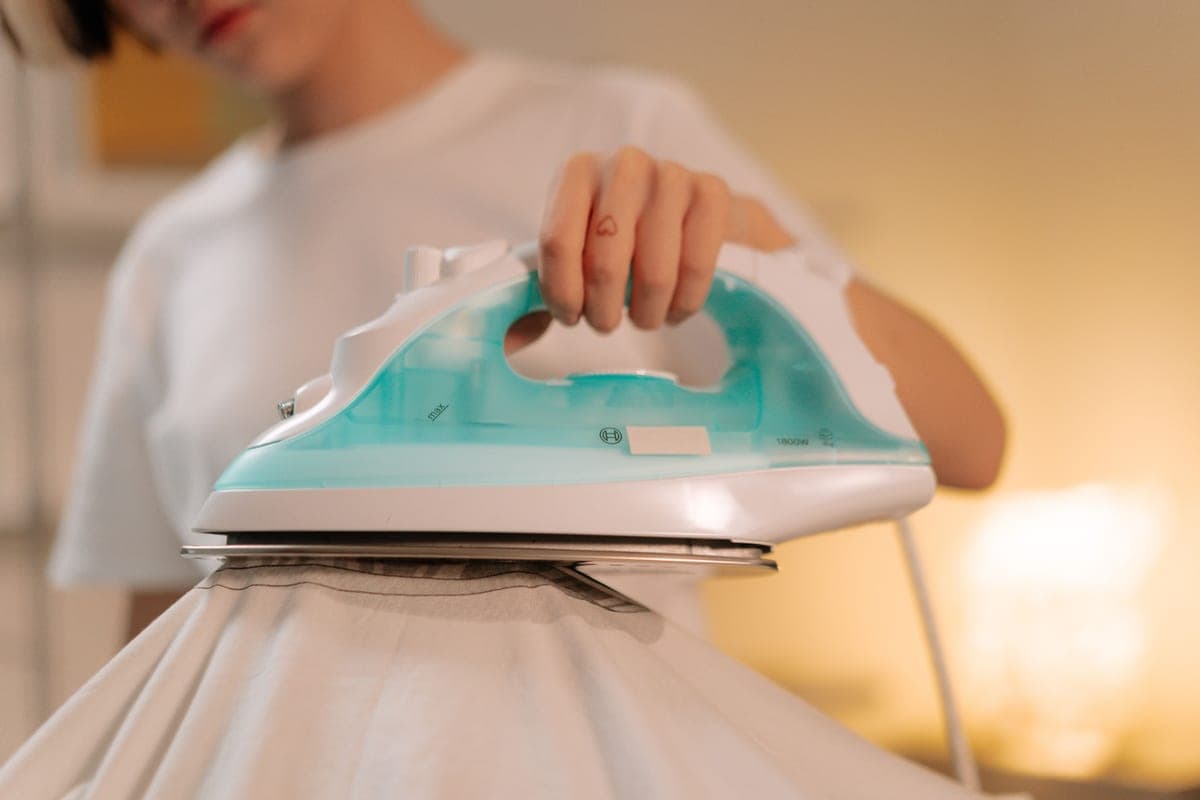 HTVRONT Auto Heat PressAn auto-open clamshell that removes the two things beginners get wrong — inconsistent pressure and forgetti... | The heat press route | Check price on Amazon #ad · affiliate link · we never show a price we cannot verify |
| 2 | 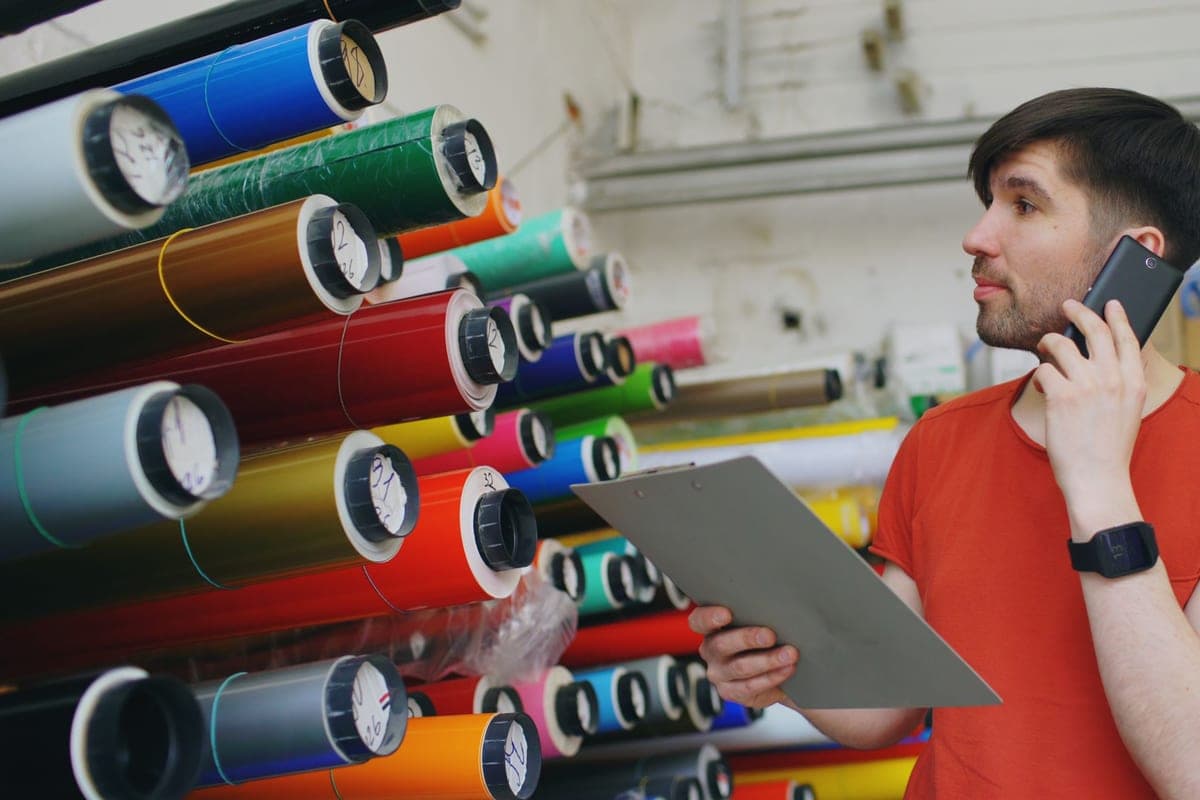 Siser EasyWeed HTVThe default heat transfer vinyl for beginners: it weeds cleanly, presses at a forgiving temperature, and is... | Single-color work a press does better | Check price on Amazon #ad · affiliate link · we never show a price we cannot verify |
| 3 | 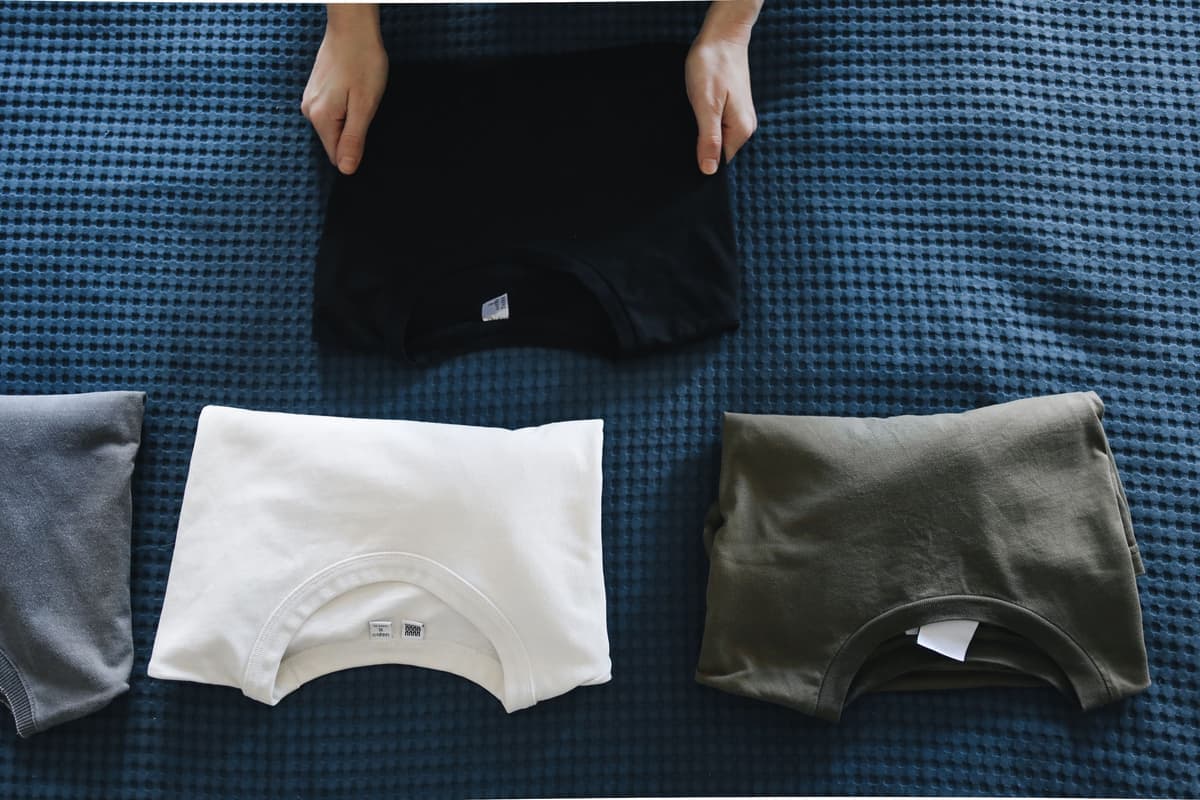 Cotton Blank T-ShirtsHeat transfer vinyl is happiest on cotton or a cotton blend, and a mid-weight ring-spun tee presses better ... | The blank both methods want | Check price on Amazon #ad · affiliate link · we never show a price we cannot verify |
Tap any row to jump to the full write-up. We do not publish prices — they move constantly, and a stale number is worse than none.
What DTG actually is
Direct-to-garment printing is, in essence, an inkjet printer for fabric. The garment is loaded onto a platen and the printer sprays water-based ink straight into the fibers. On dark garments it first lays down a white underbase, which is why white ink matters so much to the process. The print is then heat-cured.
The result has no hand feel worth speaking of and reproduces photographic detail beautifully. It is genuinely the best-looking option for complex full-color artwork on cotton.
Side by side
| Heat press | DTG printing | |
|---|---|---|
| Equipment cost | Low | Very high |
| Full-color photographic designs | Via transfers | Excellent, natively |
| Solid one-color text and logos | Crisp and cheap | Works, but not its strength |
| Works on cotton | Yes | Yes — it is a cotton process |
| Works on polyester | Yes | Poorly |
| Works on dark garments | Yes | Yes, with a white underbase |
| Hand feel | A thin layer you can feel | Almost none |
| Maintenance | Effectively none | Daily — white ink must circulate |
| Cost per shirt | Material per item | Ink, plus pretreatment on darks |
| Idle tolerance | Leave it for months | Poor — heads clog |
The maintenance problem is the real barrier
Equipment cost is the obvious difference and the maintenance requirement is the one that actually decides this for most people.
DTG white ink contains pigment particles that settle. Left standing, they separate and clog the print head — and print heads are the expensive part. That means a DTG printer needs regular use or regular maintenance cycles, and a machine left idle for a few weeks can require significant work, or an expensive part, to bring back.
A heat press has no such constraint. Leave it in a cupboard for six months, plug it in, and it works. For anyone whose order flow is seasonal or unpredictable, that difference is worth more than print quality.
The middle option most people actually want
If full-color designs on cotton and dark garments are what drew you to DTG, there is a route that gets most of the result without the machine: DTF transfers. A supplier prints your full-color design onto film, and you press it like any other transfer.
You keep full-color capability, cotton and dark garment compatibility, and no weeding — while your only equipment is the press you were buying anyway, and there is nothing to maintain. The print has slightly more hand feel than DTG. For the large majority of people comparing these two, that is the sensible answer. Which presses handle DTF.
The verdict
Buy the heat press. It costs a fraction of DTG, needs no maintenance, tolerates being ignored for months, and handles every material this site covers. Paired with bought-in DTF transfers it also covers the full-color-on-cotton work that makes DTG attractive in the first place.
DTG wins in one scenario, and it is real: a business already printing full-color designs on cotton, in consistent volume, with someone who will run the maintenance. At that point the per-shirt economics and the finish justify the machine. If that is not a fair description of your week, it is a lot of money and obligation for a print quality difference your customers may not notice.
Which press to buy, and heat press versus screen printing if volume production is what you are really weighing.
1. Best for the heat press route
HTVRONT Auto Heat Press
HTVRONT · Currently sold · Verified 2026-09-27
If the comparison lands on heat pressing — and unless you are already printing in volume it will — this is the machine shape to buy. Repeatable clamp pressure, a full platen and auto-open, for a fraction of what a DTG printer costs and with no maintenance routine at all. It also stays useful if you later add DTG, since DTG-printed garments are commonly cured or finished under a press.
What works
- Clamp pressure is repeatable in a way hand pressure never is
- Auto-open removes the most common scorch mistake
- A 15 x 15 in plate presses an adult front design in one go
What does not
- Heavy, and it needs permanent bench space
- Louder and more industrial than an EasyPress
- Overkill if you make a few shirts a year
Not for you if
You have no dedicated table. This is not a machine you clear away between projects.
Key specs
- Type
- Auto-open clamshell heat press
- Plate size
- Typically 15 x 15 in on the full-size model
- Pressure
- Adjustable clamp — consistent every press
- Auto-open
- Yes — lifts itself when the timer ends
- Bench space
- Permanent — this does not go in a drawer
#ad · affiliate link · we never show a price we cannot verify
2. Best for single-color work a press does better
Siser EasyWeed HTV
Siser · Currently sold · Verified 2026-09-27
For solid one-color text and logos, cut heat transfer vinyl is crisper, cheaper and more durable than DTG, which is at its weakest on large flat areas of solid color. Worth knowing because a lot of real orders — names, numbers, simple logos — are exactly this.
What works
- Weeds more cleanly than almost anything else at this price
- Thin enough that a layered design does not feel like a plastic patch
- Siser publishes clear time and temperature guidance for it
- Sold in single sheets, so you can try three colors without buying three rolls
What does not
- Matte only — no gloss, glitter or specialty finish in the base line
- Sheets cost more per square inch than buying a roll
- Still needs real heat and pressure; a household iron gives mixed results
Not for you if
You want a glitter or holographic finish. That is a different Siser product line, not EasyWeed.
Key specs
- Type
- Heat transfer vinyl (HTV) — for fabric
- Fabric compatibility
- Siser rates it for cotton, polyester and cotton/poly blends
- Thickness
- Thin — around 90 microns
- Carrier
- Pressure-sensitive clear carrier sheet
- Finish
- Matte
#ad · affiliate link · we never show a price we cannot verify
3. Best for the blank both methods want
Cotton Blank T-Shirts
Various · Currently sold · Verified 2026-09-27
DTG is a cotton process — it prints best on high-cotton garments, and struggles on polyester. Heat transfer vinyl is equally happy there. So the blank is the one input that does not change between the two methods, which makes the comparison cleaner than it looks.
What works
- Any color works, which sublimation cannot claim
- Soft and familiar to wear
- Cheap in multi-packs, so practice is affordable
What does not
- Cotton will not take sublimation ink at all
- Very heavy or textured cotton gives uneven HTV adhesion
- Needs a pre-press to drive out moisture before the design goes on
Not for you if
You are sublimating. Sublimation needs polyester, and cotton simply will not hold the ink.
Key specs
- Fabric
- Cotton or cotton/poly blend
- Works with
- Heat transfer vinyl — not sublimation
- Weight
- Mid-weight ring-spun presses flatter than heavy open-weave
- Color
- Any color, including dark — unlike sublimation
#ad · affiliate link · we never show a price we cannot verify
Common questions
Is DTG better than a heat press?
Can DTG print on polyester?
Why does DTG need so much maintenance?
Do you need a heat press if you have a DTG printer?
What is the cheapest way to get full-color prints on cotton?
Sources
- Siser application guidance — Heat transfer application and fabric compatibility, verified 29 September 2026
How we picked
We verify every product is currently sold by reading the manufacturer's own catalog, compare published specifications rather than marketing copy, and rank on what a first-time buyer has to decide. We do not run lab tests and we do not claim to, and commission never affects the order.
Read this next
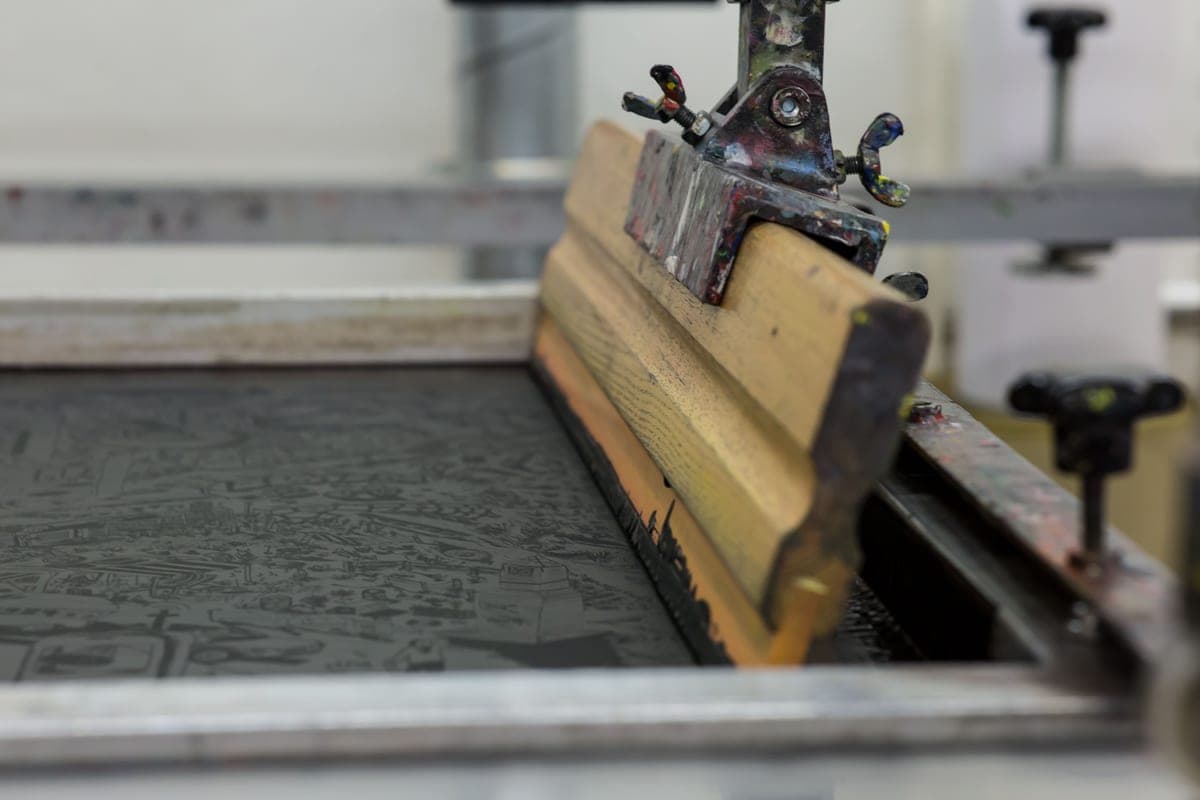
Heat Press vs Screen Printing
Setup cost, cost per shirt and the run size where screen printing overtakes a heat press.
The Best Heat Press for DTF Transfers
Which presses handle DTF transfers properly, and the pressure and peel details that decide the result.
The Best Heat Press Machines
Every type of heat press machine ranked by who it genuinely suits, from handheld to large-format.

The Best Heat Press for a Small Business
Presses built for repeatability and batch work, for anyone selling rather than making for themselves.

Sublimation vs HTV
The category-defining comparison: what each technology can and cannot do, and which to start with.
Back to Heat Presses.