The Best Heat Press for DTF Transfers
DTF is less forgiving than vinyl about pressure, and it usually wants a second press. That narrows the field.
Heads up: Mat & Blade earns a commission from qualifying purchases made through the links on this page, at no extra cost to you. It never changes which products we recommend or how we rank them. Read the full disclosure.
Use a clamshell with adjustable clamp pressure, and plan on two presses per garment. DTF transfers need firm, even contact to bond, and most manufacturers specify a second press after peeling the film. A handheld press can do it, but holding consistent pressure twice per shirt is where it starts to struggle.
Quick picks
| # | Product | Best for | Price |
|---|---|---|---|
| 1 | 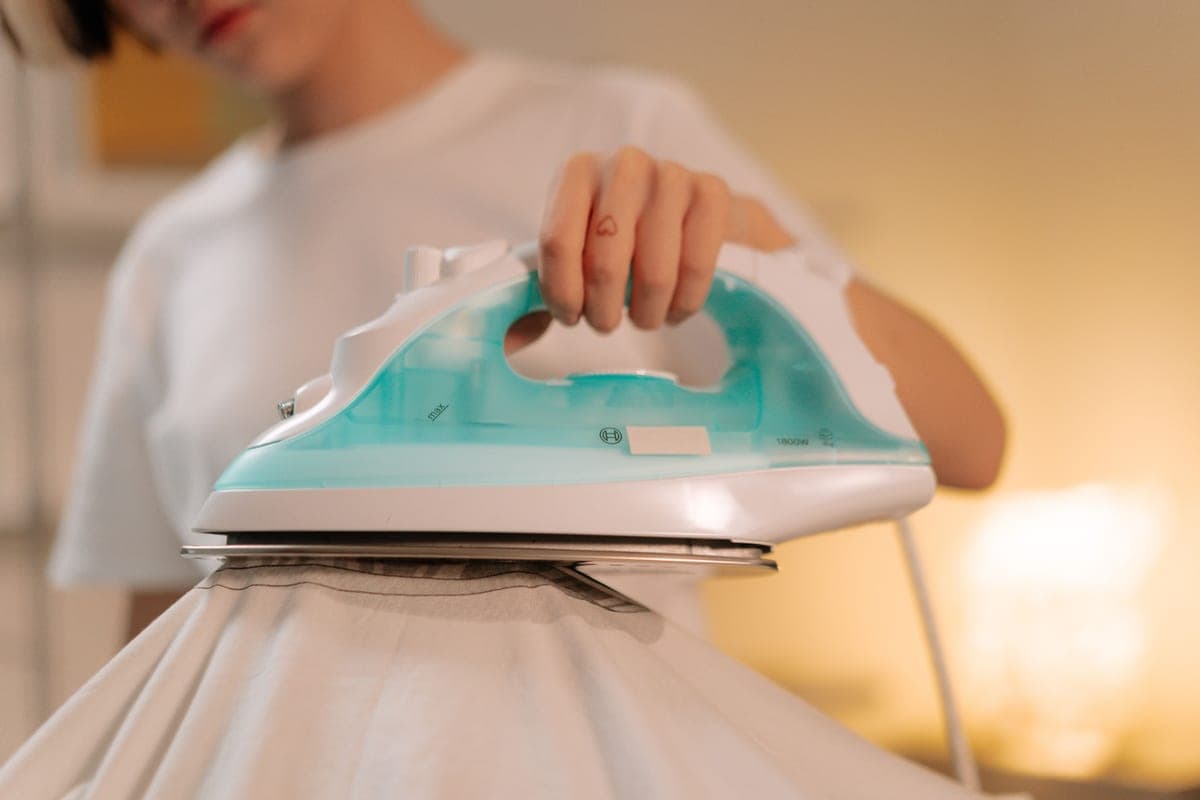 HTVRONT Auto Heat PressAn auto-open clamshell that removes the two things beginners get wrong — inconsistent pressure and forgetti... | DTF, without fighting the machine | Check price on Amazon #ad · affiliate link · we never show a price we cannot verify |
| 2 | 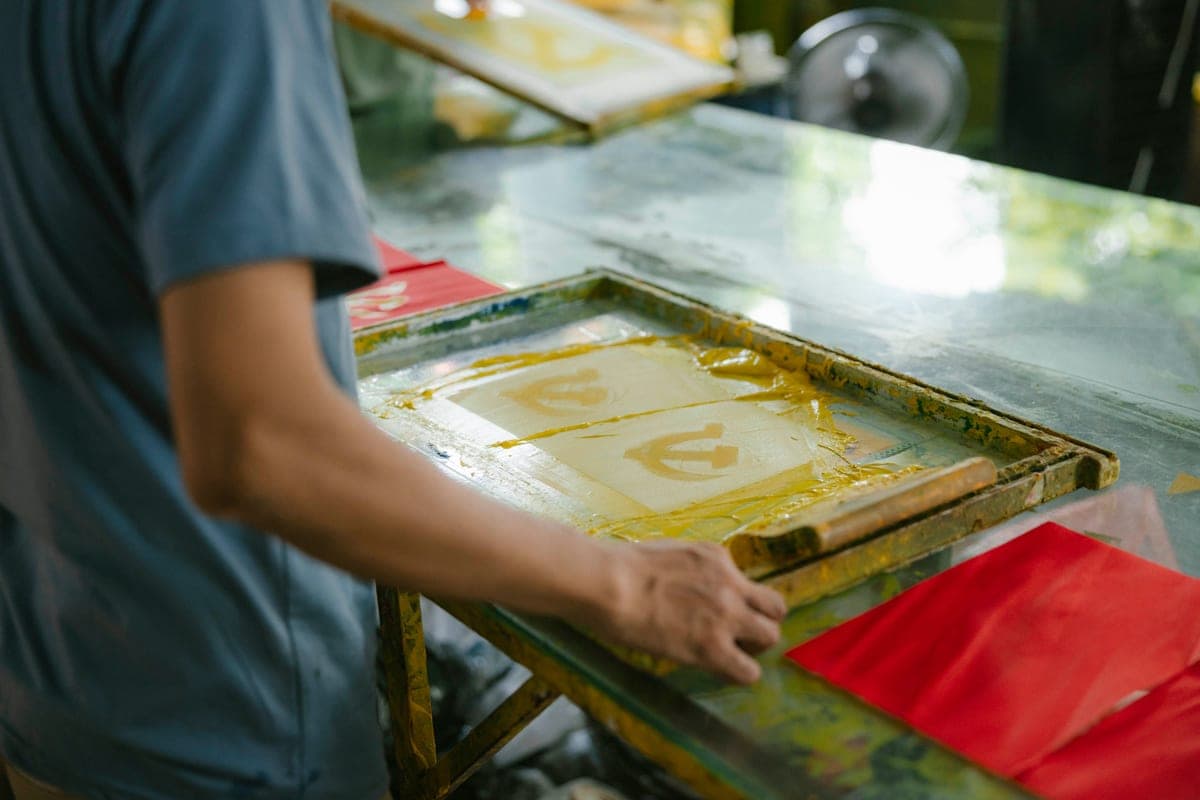 Large-Format Clamshell Heat Press (16 x 20)A 16 by 20 inch platen is the size at which hoodies, oversized prints and full DTF transfers stop needing t... | Full-size gang sheets | Check price on Amazon #ad · affiliate link · we never show a price we cannot verify |
| 3 | VEVOR Clamshell Heat PressThe budget clamshell that beats a handheld press on pressure and plate size, at the cost of build quality a... | The budget route into DTF | Check price on Amazon #ad · affiliate link · we never show a price we cannot verify |
| 4 |  Heat Press MatThe cheap accessory that fixes most failed presses: it gives you a firm, even, heat-safe surface instead of... | Even contact under the transfer | Check price on Amazon #ad · affiliate link · we never show a price we cannot verify |
Tap any row to jump to the full write-up. We do not publish prices — they move constantly, and a stale number is worse than none.
What DTF is, briefly
DTF stands for direct-to-film. A design is printed onto a special film, coated with an adhesive powder, and cured. You then press the film onto the garment, peel it away, and press again. The design ends up bonded into the fabric.
The practical appeal is that it removes the two big limits of the other methods. Unlike sublimation, it works on cotton and on dark garments. Unlike cut vinyl, it does full-color designs with no weeding at all. Most people buying DTF buy it as ready-printed transfers rather than printing their own, which means the press is the only equipment decision.
How we picked
We ranked on what DTF specifically demands rather than general press quality: whether pressure is adjustable and repeatable, whether the platen covers a full transfer sheet, and how painless a second press cycle is. Specifications come from each manufacturer's published product information. Our methodology.
What DTF asks of a press that vinyl does not
- Firmer, more even pressure. The adhesive powder has to melt into the fibers across the whole design. Heat transfer vinyl is more tolerant of a slightly light press; DTF shows it as edges that lift.
- A second press. Most DTF transfers specify pressing, peeling the film, then pressing again — often with parchment over the top — to set the finish and improve wash durability. That is two cycles per garment, which is where auto-open earns its keep.
- Attention to the peel. DTF films are commonly a cold or warm peel rather than hot. Peeling at the wrong moment lifts the design. The supplier's instruction is the one that counts.
- A narrower temperature window. DTF is generally pressed cooler than sublimation and around or slightly below typical vinyl temperatures. A display that reads high by a meaningful margin matters more here than it does with forgiving vinyl.
Our picks in full
1. Best for dtf, without fighting the machine
HTVRONT Auto Heat Press
HTVRONT · Currently sold · Verified 2026-09-27
DTF is where repeatable pressure stops being a nice-to-have. The adhesive powder on the back of a DTF transfer needs firm, genuinely even contact across the whole design to melt and bond into the fibers, and a hand-applied press varies enough between attempts to produce inconsistent results on the same design. An adjustable clamp gives you a setting you can write down and return to. Auto-open matters here too, because DTF usually needs a second press after peeling and you will be running the cycle twice per garment.
What works
- Clamp pressure is repeatable in a way hand pressure never is
- Auto-open removes the most common scorch mistake
- A 15 x 15 in plate presses an adult front design in one go
What does not
- Heavy, and it needs permanent bench space
- Louder and more industrial than an EasyPress
- Overkill if you make a few shirts a year
Not for you if
You have no dedicated table. This is not a machine you clear away between projects.
Key specs
- Type
- Auto-open clamshell heat press
- Plate size
- Typically 15 x 15 in on the full-size model
- Pressure
- Adjustable clamp — consistent every press
- Auto-open
- Yes — lifts itself when the timer ends
- Bench space
- Permanent — this does not go in a drawer
#ad · affiliate link · we never show a price we cannot verify
2. Best for full-size gang sheets
Large-Format Clamshell Heat Press (16 x 20)
Various · Currently sold · Verified 2026-09-29
DTF is usually bought as printed gang sheets that you cut apart, and the economics improve as the sheet gets bigger. A 16 by 20 inch platen presses a full oversized design or a hoodie front in one pass, and covers a 13 by 19 inch transfer completely — which a 15 by 15 platen cannot. If you are buying DTF by the roll or the meter rather than the sheet, this is the platen size that matches.
What works
- Presses a hoodie front or an oversized design in a single pass
- Covers a full 13 x 19 transfer, which a 15 x 15 platen cannot
- Clamp pressure repeats exactly, which matters most on thick garments
What does not
- Heavy, and it needs considerably more bench space than a 15 x 15
- Overkill for standard adult front prints, which fit a smaller platen
- Takes longer to reach temperature than a small plate
Not for you if
You press standard adult t-shirt designs a few times a month. A 15 by 15 platen already covers those, for less money and less table.
Key specs
- Type
- Clamshell or swing-away heat press
- Platen size
- Commonly 16 x 20 in
- Pressure
- Adjustable clamp — repeatable every press
- Bench space
- Permanent, and more of it than a 15 x 15
- Typical use
- Hoodies, DTF transfers, oversized prints, batch work
#ad · affiliate link · we never show a price we cannot verify
3. Best for the budget route into dtf
VEVOR Clamshell Heat Press
VEVOR · Currently sold · Verified 2026-09-27
A manual clamshell has the two things DTF actually requires — a full-size platen and adjustable clamp pressure — for less than a handheld press costs. What you give up matters slightly more with DTF than with vinyl: no auto-open means you are attending two press cycles per garment rather than one, and the temperature display is worth verifying with an infrared thermometer, since DTF's window is narrower than heat transfer vinyl's.
What works
- Full-size plate and real clamp pressure for less than a handheld press
- Presses an adult design in a single pass
- Widely available with lots of community guidance
What does not
- Displayed temperature can differ from actual plate temperature — worth checking
- No auto-open, so a forgotten timer scorches the shirt
- Build quality is visibly budget
Not for you if
You want to set it and trust it. Check the plate temperature with an infrared thermometer before you trust the display.
Key specs
- Type
- Manual clamshell heat press
- Plate size
- Commonly 15 x 15 in
- Pressure
- Manual knob adjustment
- Auto-open
- No — it beeps, you lift
- Bench space
- Permanent
#ad · affiliate link · we never show a price we cannot verify
4. Best for even contact under the transfer
Heat Press Mat
Various · Currently sold · Verified 2026-09-27
The cheapest thing that improves DTF results. Seams, collars and zips create high spots that steal pressure from the rest of the design, and DTF shows that unevenness more readily than vinyl does — you get a design that bonded in the middle and lifts at one edge. A firm heat-safe mat evens the surface out.
What works
- Turns an uneven surface into an even one, which is most of a good press
- Protects the table underneath
- Costs very little relative to the failures it prevents
What does not
- One more thing to store
- Does not fix pressure that is simply too light
Not for you if
You have a clamshell press with a proper lower platen. The platen already does this job.
Key specs
- Purpose
- Firm heat-resistant base that concentrates pressure into the design
- Why it matters
- Absorbs seams and zips so the design sits flat
- Sizes
- Sized to match common press plates
#ad · affiliate link · we never show a price we cannot verify
Do you need a DTF printer?
Almost certainly not, and this is worth saying plainly because the search results imply otherwise. DTF printers are expensive, need white ink that must be circulated to avoid settling, and require genuine maintenance discipline. Buying ready-printed transfers from a supplier removes all of that, and for anything below serious production volume it is cheaper as well as easier.
So for most people the honest equipment list is: a press, a firm mat, and transfers ordered as gang sheets. If you are weighing DTF against the alternatives, heat press versus DTG covers the printed-garment comparison and sublimation versus heat transfer vinyl covers the two methods this site otherwise focuses on.
Common questions
What heat press is best for DTF transfers?
Do DTF transfers need a second press?
Can you use an EasyPress for DTF transfers?
Do you peel DTF hot or cold?
Does DTF work on cotton and dark shirts?
Do I need a DTF printer to use DTF transfers?
Sources
- Siser application guidance — Heat transfer pressure and application principles, verified 29 September 2026
How we picked
We verify every product is currently sold by reading the manufacturer's own catalog, compare published specifications rather than marketing copy, and rank on what a first-time buyer has to decide. We do not run lab tests and we do not claim to, and commission never affects the order.
Read this next
The Best Heat Press Machines
Every type of heat press machine ranked by who it genuinely suits, from handheld to large-format.
Heat Press vs DTG Printing
Direct-to-garment printing compared with heat pressing on cost, color, durability and maintenance.
The Best Heat Press for a Small Business
Presses built for repeatability and batch work, for anyone selling rather than making for themselves.
Heat Press Temperature Guide
Published time and temperature figures by material, sourced — plus the three variables that matter more.

Sublimation vs HTV
The category-defining comparison: what each technology can and cannot do, and which to start with.
Back to Heat Presses.