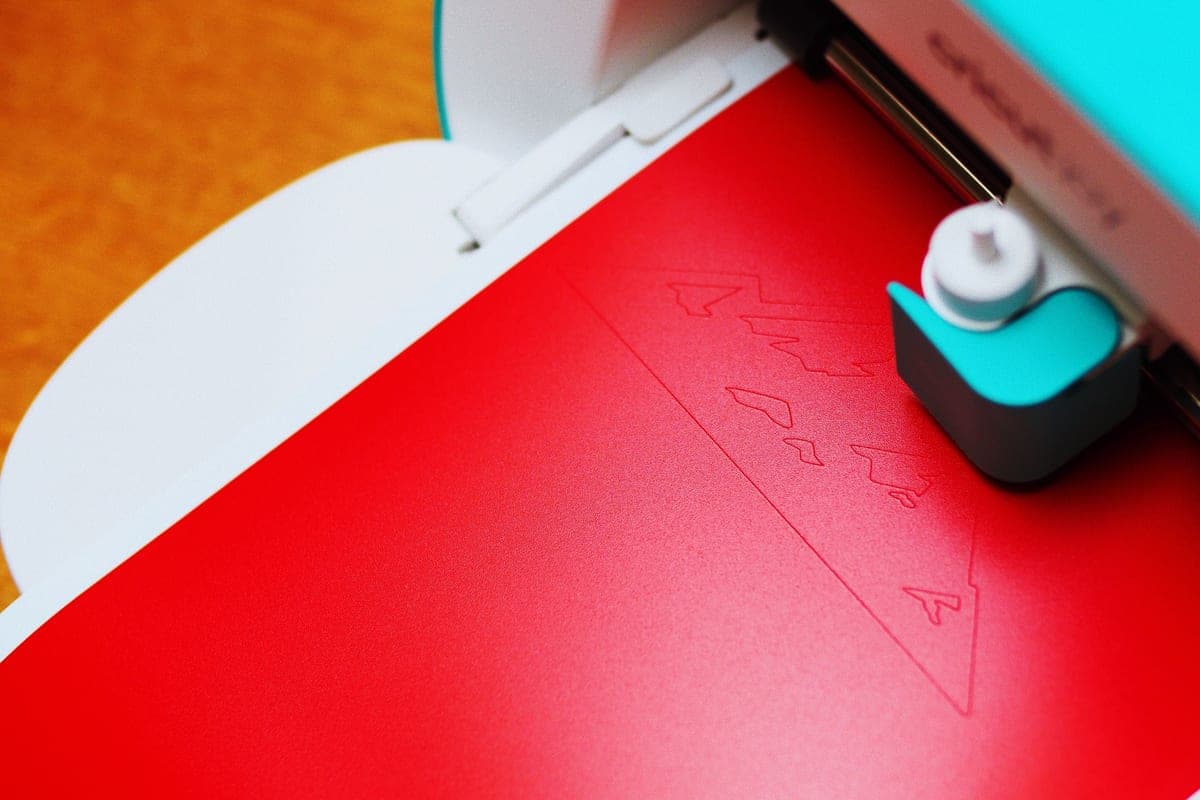
Cricut vs Silhouette
One is easier to start with. The other gives you software you own. Both answers are defensible.
Heads up: Mat & Blade earns a commission from qualifying purchases made through the links on this page, at no extra cost to you. It never changes which products we recommend or how we rank them. Read the full disclosure.
Cricut if you want the shortest path from box to finished project. Silhouette if offline software with no subscription prompts matters more than an easy first fortnight. The machines cut similarly; the difference is almost entirely software and support, and both choices are genuinely defensible.
Quick picks
| # | Product | Best for | Price |
|---|---|---|---|
| 1 |  Cricut Explore 5The sensible default for a first machine: it cuts everything a beginner actually uses, and the money you sa... | The fastest route to a finished project | Check price on Amazon #ad · affiliate link · we never show a price we cannot verify |
| 2 | Silhouette CAMEO 5The real alternative to a Cricut, and the better pick if the idea of a cloud-only design app with a subscri... | Offline software and no subscription prompts | Check price on Amazon #ad · affiliate link · we never show a price we cannot verify |
Tap any row to jump to the full write-up. We do not publish prices — they move constantly, and a stale number is worse than none.
The machines are more alike than the debate suggests
Both brands make blade cutters that drag a small blade across material on a sticky mat. Both cut vinyl, heat transfer vinyl, cardstock and paper to a standard you will not be able to tell apart on a finished decal. Both offer matless cutting with their own roll materials, both have print-then-cut on their mainstream machines, and both cut around 12 inches wide at the top of their consumer lines.
If somebody hands you a finished vinyl decal, you cannot tell which brand cut it. So the brand argument is not really about cutting.
The software difference, which is the real one
| Cricut Design Space | Silhouette Studio | |
|---|---|---|
| Where it runs | Cloud-connected; needs internet to set up and sync | Installs locally; works offline |
| Subscription | Optional Cricut Access, persistently offered | None offered or required |
| Learning curve | Gentler — fewer options, clearer defaults | Steeper — more control, more to learn |
| Design capability | Adequate for most projects | More powerful: node editing, tracing, offsets |
| SVG import | Included | Paid Studio upgrade on the basic edition |
| Material presets | Named and reliable | Present, but more manual adjustment expected |
That SVG row is worth dwelling on, because it catches people out. A great many beginners buy design files rather than drawing their own, and those files are almost always SVGs. On Cricut, importing them is included. On Silhouette's free basic edition of Studio, it is not — you need a paid Studio tier. If your plan involves purchased design files, budget for that upgrade or the comparison is not like-for-like.
The support difference, which is bigger than it looks
This is the argument that actually wins it for most beginners, and it has nothing to do with the products themselves. There are vastly more beginner tutorials filmed on Cricut machines than on everything else combined. When you hit a problem at an awkward hour — a cut that will not go through, a setting you cannot find, a design that will not import — the odds that somebody has already documented the exact fix are substantially higher with Cricut.
The same applies to accessories. Cricut blades, mats and tools are stocked in general retailers; Silhouette's are more often an online order. Neither is a problem once you are established. Both are friction in week one, which is exactly when friction matters most.
The subscription question, fairly stated
Cricut Access is optional. You can use a Cricut indefinitely without paying it, uploading and cutting your own files freely. That is worth stating clearly because plenty of comparisons imply otherwise.
What is also true is that the prompting is persistent, and for some people that genuinely sours the experience of using the machine. If you are the sort of person who finds recurring upsells irritating rather than ignorable, that is a real consideration and not a trivial one — Silhouette simply does not do it. What Access actually buys you.
Who should pick which
| If you... | Buy |
|---|---|
| Are completely new and want to be making things quickly | Cricut |
| Will buy design files rather than draw your own | Cricut — SVG import is included |
| Craft somewhere with unreliable internet | Silhouette — cuts offline |
| Find subscription prompting genuinely irritating | Silhouette |
| Have design software experience and want more control | Silhouette |
| Want to cut unbacked fabric or basswood | Cricut Maker — the specific capability lives there |
| Do not want to use a computer at all | Neither — Brother ScanNCut |
The verdict
For a first machine, Cricut wins on the things that matter in the first month: easier software, more help available, materials on a shelf nearby. That is not a statement about which company makes better hardware — it is a statement about what a beginner actually needs, which is momentum.
Silhouette wins for people who have a specific objection to the Cricut model and know what they are trading for it. Offline software with no subscription is a legitimate thing to want, and Studio is genuinely the more capable application once you are past the curve. What does not work is choosing it on principle without knowing about the SVG gate and the thinner tutorial library — that is how people end up disappointed with a perfectly good machine.
The full brand-neutral roundup, and other alternatives if neither quite fits.
1. Best for the fastest route to a finished project
Cricut Explore 5
Cricut · Currently sold · Verified 2026-09-27
Design Space is the easier application to learn, the material presets are named and reliable, and the volume of beginner tutorials filmed on Cricut machines is not close to being matched. For someone who wants to be making things this weekend rather than learning software, that is the deciding factor.
What works
- Cuts every material a beginner's first ten projects will use
- Matless Smart Material cutting means long banners and decals without a mat
- Cheapest current machine that still handles full 12 in wide vinyl
- Huge community of tutorials aimed at exactly this machine
What does not
- No rotary blade, so unbacked fabric is out
- No knife blade for basswood or thick leather
- Still needs Design Space, which needs an internet connection to set up
Not for you if
You already know you want to cut quilting fabric or thick leather. That is the Maker line's rotary and knife blades, and no accessory adds them to an Explore.
Key specs
- Cuts
- Vinyl, heat transfer vinyl, cardstock, paper, iron-on, faux leather
- Max material width
- 12 in (11.5 in cut width)
- Matless cutting
- Yes, with Smart Materials
- Tool slots
- Two — blade plus pen or scoring tool
- Rotary / knife blade
- No — Maker line only
#ad · affiliate link · we never show a price we cannot verify
2. Best for offline software and no subscription prompts
Silhouette CAMEO 5
Silhouette · Currently sold · Verified 2026-09-27
Studio installs on your computer and cuts without an internet connection, with no subscription offered at any point. It is also the more capable design application once learned — better node editing, tracing and offsets. The costs are a steeper curve and, on the basic edition, SVG import gated behind a paid upgrade.
What works
- Silhouette Studio runs on your computer and does not need to be online to cut
- No subscription is required to use the machine
- Cuts the same everyday materials a beginner uses
- Strong choice if you already own or buy SVG files from third parties
What does not
- Studio is more capable but noticeably harder to learn than Design Space
- SVG import is gated behind a paid Studio upgrade on the basic edition
- Smaller tutorial ecosystem than Cricut for absolute beginners
Not for you if
You want the shortest possible path from unboxing to a finished shirt. Design Space is the friendlier first app, even with its downsides.
Key specs
- Cuts
- Vinyl, heat transfer vinyl, cardstock, paper, fabric with backing
- Max cut width
- 12 in
- Software
- Silhouette Studio — installs locally, works offline
- File handling
- Imports SVG in the paid Studio tiers; basic edition is more limited
- Tool system
- Dual carriage with auto tool detection
#ad · affiliate link · we never show a price we cannot verify
Common questions
Is Cricut or Silhouette better for beginners?
Does Silhouette require a subscription?
Can Silhouette Studio open SVG files?
Do Cricut and Silhouette cut the same materials?
Can I use a Cricut without internet?
Sources
- Cricut official product and software information — Design Space requirements and machine specifications, verified 27 September 2026
- Silhouette America product and software information — Studio editions, SVG import tiers and CAMEO 5 specifications, verified 27 September 2026
How we picked
We verify every product is currently sold by reading the manufacturer's own catalog, compare published specifications rather than marketing copy, and rank on what a first-time buyer has to decide. We do not run lab tests and we do not claim to, and commission never affects the order.
Read this next
Best Craft Cutting Machines for Beginners
Every brand worth considering, ranked honestly — including the cases where Cricut is not the answer.

Cricut Alternatives Worth Considering
The machines that genuinely compete with Cricut, organized by the reason you want to avoid one.
The Best Cricut for Beginners
One safe default pick, plus the specific cases where a different Cricut — or no Cricut — is the better buy.
Cricut vs Brother ScanNCut
The standalone machine compared to the ecosystem leader — who each one genuinely suits.

Is Cricut Access Worth It?
What the subscription includes, who benefits, and how to use a Cricut perfectly well without it.
Back to Cutting Machines.