Guide
What You Need to Start
The genuine beginner checklist — what you need for a first project and what can wait.
You do not need everything. You need five things, in the right order — and this is the page that tells you which five.
Heads up: Mat & Blade earns a commission from qualifying purchases made through the links on this page, at no extra cost to you. It never changes which products we recommend or how we rank them. Read the full disclosure.
If you have landed here after an evening of watching craft videos, you have probably already been told you need about fourteen things. You do not. A first setup is a machine, something to cut, something to move the cut onto its surface, something to remove the waste, and a heat source if — and only if — you are making shirts. Five categories. Everything else is an upgrade you can buy later, once you know which part of this hobby you actually enjoy.
This hub exists because the most expensive mistakes in craft cutting are made in the first week, before anyone has cut anything. People buy a machine with capability they never use. They buy the wrong vinyl for the surface they had in mind and blame themselves when it peels. They buy a sublimation printer in month one and discover it will not print on the cotton shirts they already own. None of those are skill problems. They are sequencing problems, and they are avoidable.
Buy in this order and each purchase tells you something useful about the next one.
It does not tell you this is easy. Weeding a detailed design for the first time is genuinely fiddly. A shirt pressed at the wrong temperature will peel in the wash, and it will peel whether or not anybody told you the temperature mattered. Treating a beginner as someone who needs reassurance rather than information is the main reason so much craft content is useless — you are not fragile, you are new, and the fix is a number and a reason, not encouragement.
It also does not tell you that every product is wonderful. Every page on this site names who a product is wrong for, because a recommendation with no downside attached is a sales pitch wearing a review's clothes. If a machine is a bad fit for your projects, we would rather say so on the page than have you find out after the box is open.
The machine is not the whole cost, and this is the single thing beginners most consistently underestimate. Mats wear out. Blades dull. Vinyl gets wasted while you learn. Transfer tape runs out faster than you expect. If you budget only for the machine, your first month will feel like a series of unwelcome small purchases. Our cost guide walks through the full component list so you can see the whole picture before you commit, rather than in installments.
We do not publish prices anywhere on this site. Retail prices in this category move constantly, run frequent promotions, and vary by retailer — so a number typed into a page today is misleading within weeks. Every product links straight to its current listing instead, and you check the live figure yourself. That is less convenient and considerably more honest.
Skip the general advice and go straight to the relevant hub. Making shirts means heat transfer vinyl and a heat source. Making decals for cars, tumblers or laptops means permanent adhesive vinyl and no heat press at all. Printing full-color designs on mugs and polyester means sublimation, which is a separate hobby with its own costs — worth knowing before you get drawn into it.
And if the thing you actually want is a side income rather than a hobby, what to make and sell covers which product categories hold up, and which ones are more crowded than they look.
Guide
The genuine beginner checklist — what you need for a first project and what can wait.
Best Starter Kit
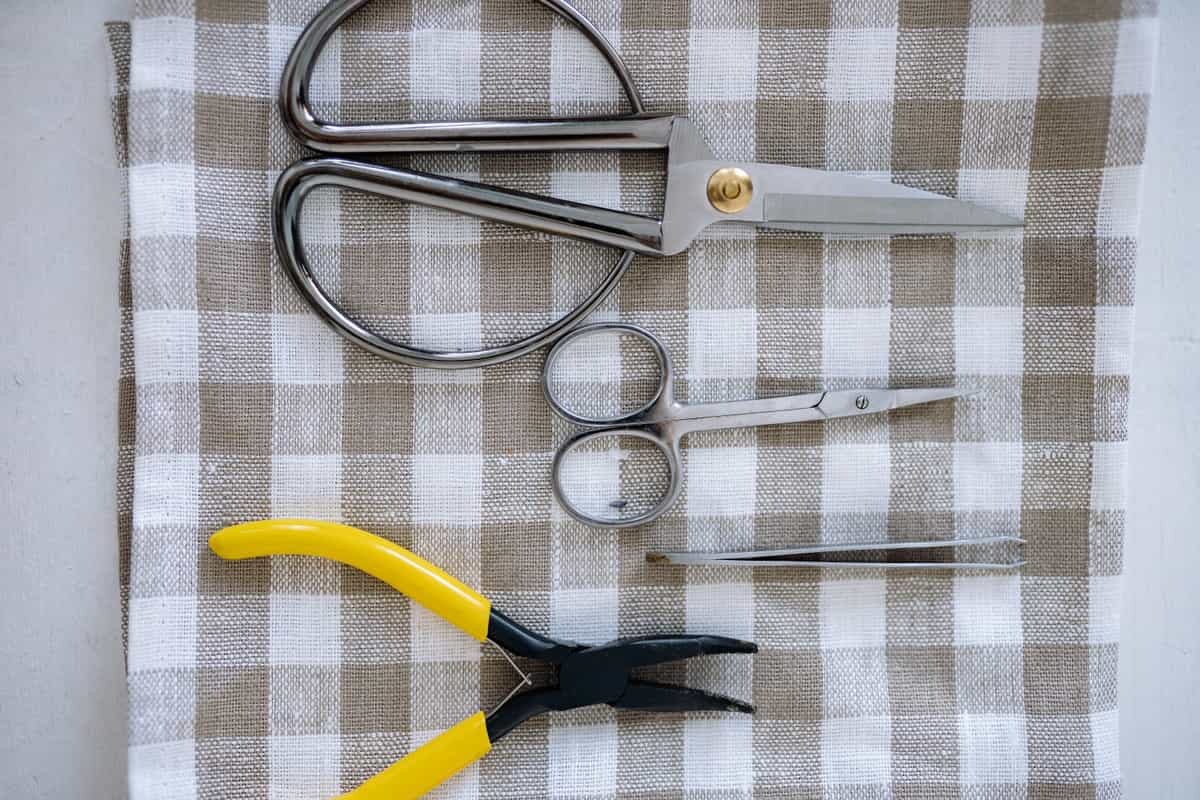
A starter kit built from components worth owning, and why most bundles are not the value they look.
Top pick: Cricut Explore 5
#ad · affiliate link · we never show a price we cannot verify
Essential Accessories
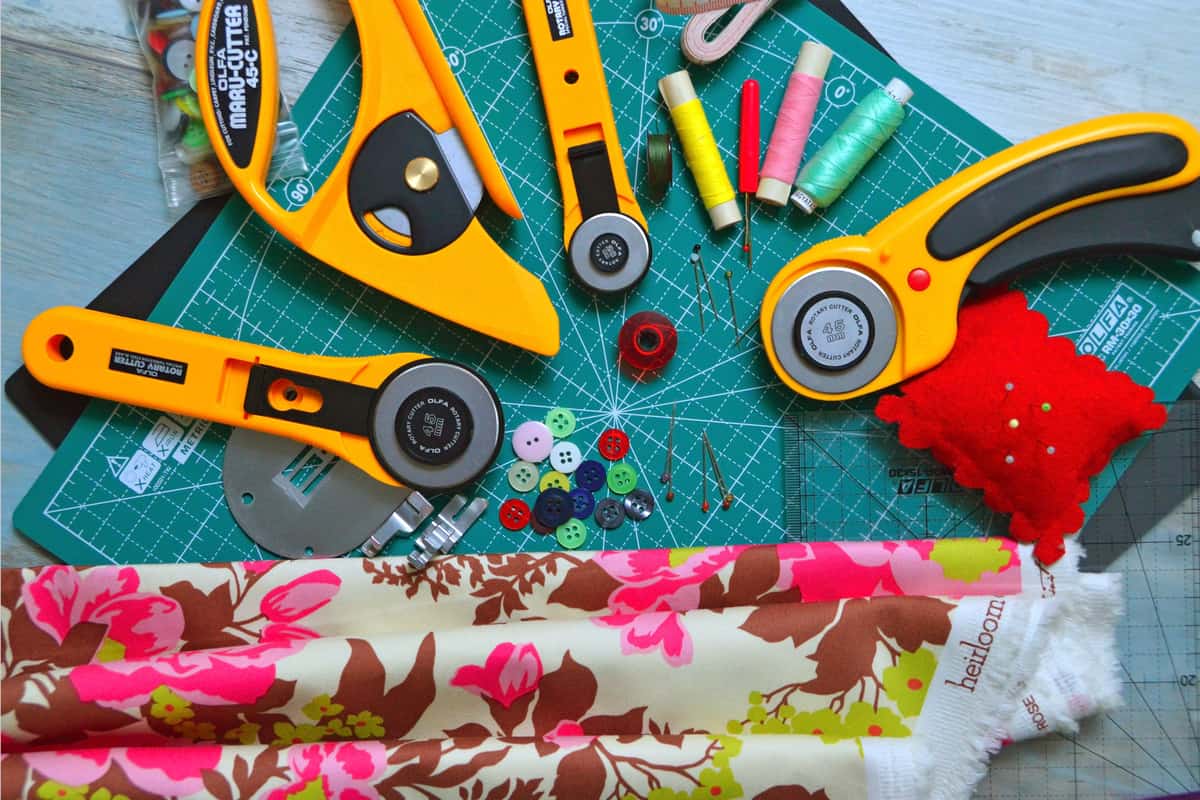
The short list that genuinely earns its space, the longer list that does not, and the buying order.
Top pick: Vinyl Weeding Tool Set
#ad · affiliate link · we never show a price we cannot verify
Guide
A complete first-shirt walkthrough, with the three common mistakes flagged before you make them.
Guide
The cheapest first project — a complete decal walkthrough with no heat source required.
Guide
Which product categories hold up commercially, which are crowded, and what to check before listing.
Best Bundle Value
How to tell a genuine bundle from a padded one, and what a good one actually contains.
Top pick: Cricut Explore 5
#ad · affiliate link · we never show a price we cannot verify

Guide
The six Design Space functions that cover almost everything, and what each one actually does.
Best Gifts for Crafters
For anyone buying a gift for someone with a cutting machine — what gets used and what gets shelved.
Top pick: Vinyl Weeding Tool Set
#ad · affiliate link · we never show a price we cannot verify
Best Small-Budget Gifts
Small-budget gifts that genuinely get used, and what to avoid at this price point.
Top pick: Vinyl Weeding Tool Set
#ad · affiliate link · we never show a price we cannot verify