
HTV vs Adhesive Vinyl
Two materials, two completely different jobs, and one mistake that ruins a lot of first projects.
Heads up: Mat & Blade earns a commission from qualifying purchases made through the links on this page, at no extra cost to you. It never changes which products we recommend or how we rank them. Read the full disclosure.
HTV goes on fabric with heat. Adhesive vinyl goes on hard surfaces with glue. They are not interchangeable in either direction. Adhesive vinyl on a shirt goes stiff, cracks and comes off in the first wash; HTV on a tumbler does not stick at all. This one distinction prevents most first-project failures.
Quick picks
| # | Product | Best for | Price |
|---|---|---|---|
| 1 | 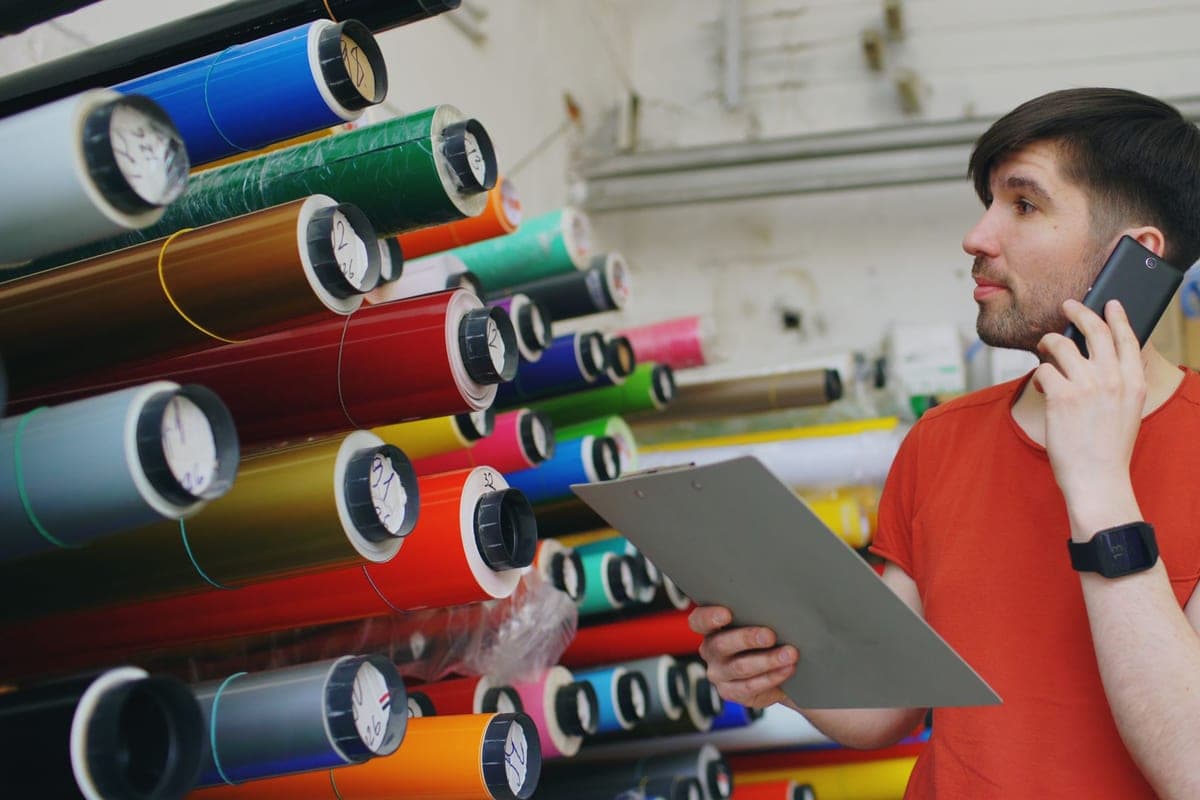 Siser EasyWeed HTVThe default heat transfer vinyl for beginners: it weeds cleanly, presses at a forgiving temperature, and is... | Fabric — shirts, bags, hats | Check price on Amazon #ad · affiliate link · we never show a price we cannot verify |
| 2 | 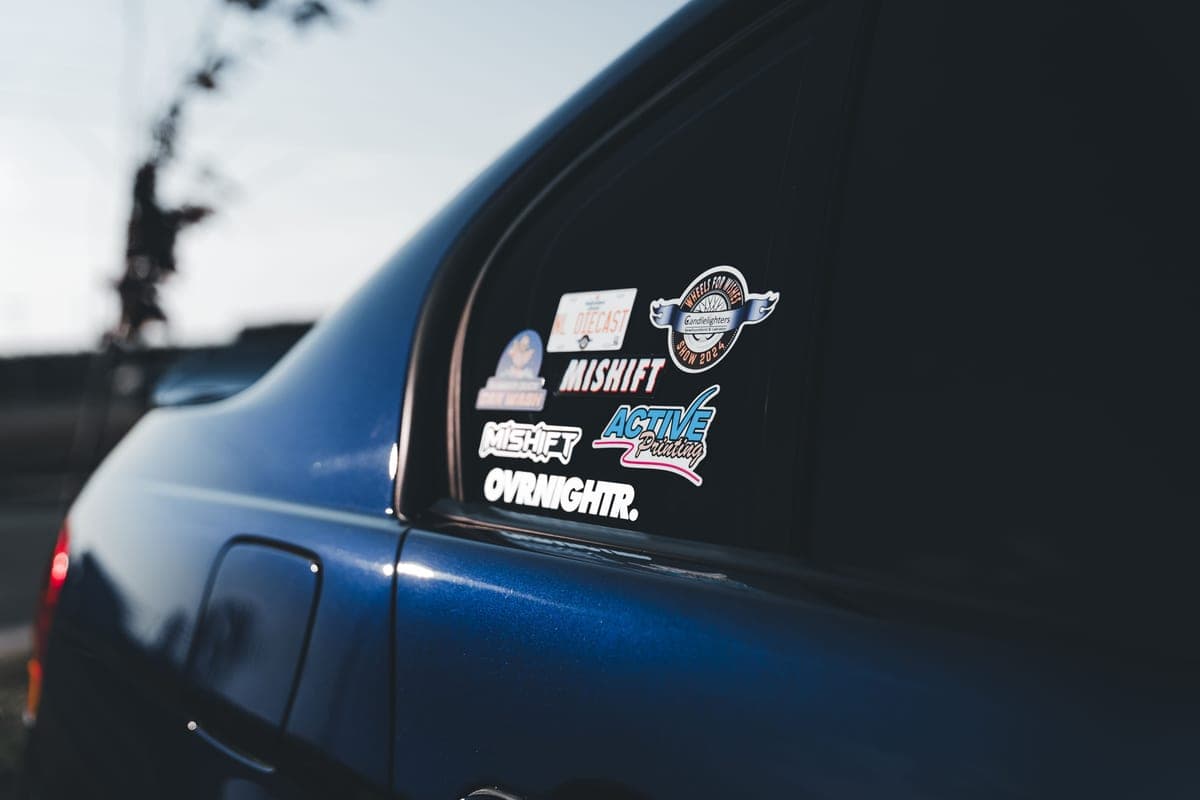 Oracal 651 Permanent VinylThe industry-standard permanent adhesive vinyl, and the one to use for anything that has to survive weather... | Hard surfaces — tumblers, cars, glass | Check price on Amazon #ad · affiliate link · we never show a price we cannot verify |
| 3 | 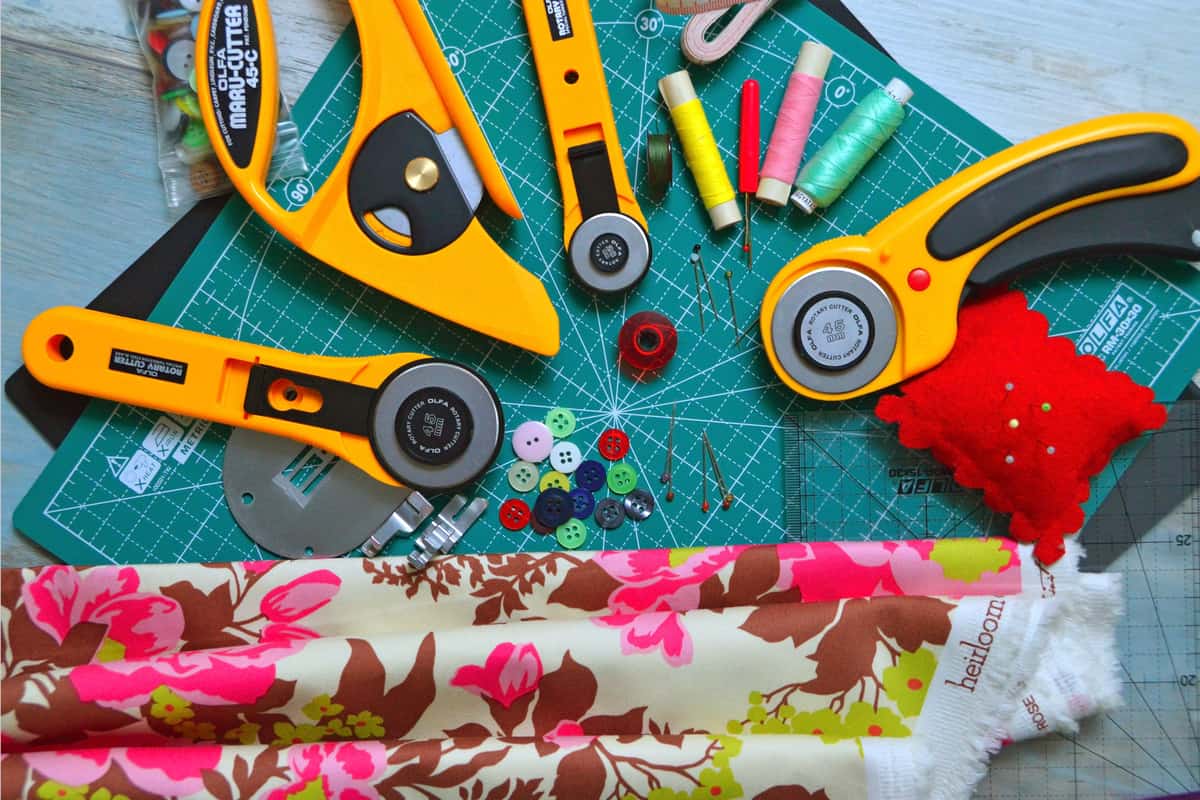 Vinyl Transfer TapeNot optional. Without transfer tape you cannot move a weeded multi-piece decal onto a surface with the spac... | Applying adhesive vinyl only | Check price on Amazon #ad · affiliate link · we never show a price we cannot verify |
Tap any row to jump to the full write-up. We do not publish prices — they move constantly, and a stale number is worse than none.
The differences, side by side
| Heat transfer vinyl (HTV) | Adhesive vinyl | |
|---|---|---|
| Also sold as | Iron-on | Craft vinyl, permanent vinyl, removable vinyl |
| Goes on | Fabric — shirts, bags, hats, tea towels | Hard surfaces — tumblers, glass, cars, walls, wood |
| Sticks by | Heat and pressure | Adhesive, no heat |
| Backing | Clear plastic carrier sheet on the front | Paper backing on the back |
| Cut | Mirrored, face down | Normal, face up |
| Needs transfer tape | No — carrier sheet does the job | Yes, for multi-piece designs |
| Survives a washing machine | Yes | No |
| Needs a heat source | Yes | No |
How to tell them apart in your hand
Three reliable tells, useful when packaging has been thrown away or when a shop's labeling is unhelpful.
- Look at the shiny side. HTV has a clear plastic carrier sheet on the front that you can see the color through. Adhesive vinyl has a paper backing on the back, and the front is the color itself.
- Try a corner. Adhesive vinyl peels away from its paper backing and feels tacky. HTV does not peel from its carrier easily at all before it has been heated.
- Check whether it is sold with transfer tape. Adhesive vinyl listings mention transfer tape constantly because you need it. HTV listings never do.
What happens when you get it wrong
Adhesive vinyl on fabric is the common one. It appears to work — the decal sticks, the shirt looks finished — and then it goes stiff, cracks along the fold lines, and separates in the wash. The adhesive was never designed to flex with fabric or survive detergent and agitation.
HTV on a hard surface fails more obviously. Without heat it does not adhere at all, and with heat on a tumbler or a window you are applying a fabric adhesive to a non-porous surface that it has nothing to bond into. It peels quickly.
Which one does your project need?
| Project | Use |
|---|---|
| T-shirt, hoodie, tote bag | HTV |
| Baseball cap | HTV, with a curved press or mini press |
| Tumbler or water bottle | Adhesive (permanent) |
| Car window decal | Adhesive (permanent) |
| Painted wall quote | Adhesive (removable) |
| Glass or ceramic decor | Adhesive (permanent) |
| Wooden sign | Adhesive, or use it as a paint stencil |
| Canvas tote | HTV — it is fabric |
| Laptop or phone case | Adhesive |
What you need for each
For HTV: the vinyl, a weeding hook, and a heat source that holds a set temperature. No transfer tape. Which HTV to buy and which heat source.
For adhesive vinyl: the vinyl, a weeding hook, transfer tape and a scraper. No heat source at all, which makes decal projects the cheaper starting point. Which adhesive vinyl to buy, and then permanent or removable.
1. Best for fabric — shirts, bags, hats
Siser EasyWeed HTV
Siser · Currently sold · Verified 2026-09-27
Heat transfer vinyl. Bonds to fabric fibers under heat and pressure, survives washing, and works on any color of shirt including dark. This is what you want for anything you wear.
What works
- Weeds more cleanly than almost anything else at this price
- Thin enough that a layered design does not feel like a plastic patch
- Siser publishes clear time and temperature guidance for it
- Sold in single sheets, so you can try three colors without buying three rolls
What does not
- Matte only — no gloss, glitter or specialty finish in the base line
- Sheets cost more per square inch than buying a roll
- Still needs real heat and pressure; a household iron gives mixed results
Not for you if
You want a glitter or holographic finish. That is a different Siser product line, not EasyWeed.
Key specs
- Type
- Heat transfer vinyl (HTV) — for fabric
- Fabric compatibility
- Siser rates it for cotton, polyester and cotton/poly blends
- Thickness
- Thin — around 90 microns
- Carrier
- Pressure-sensitive clear carrier sheet
- Finish
- Matte
#ad · affiliate link · we never show a price we cannot verify
2. Best for hard surfaces — tumblers, cars, glass
Oracal 651 Permanent Vinyl
Oracal · Currently sold · Verified 2026-09-27
Adhesive vinyl. Sticks by adhesive with no heat involved, rated for years outdoors, and designed for surfaces you can wipe rather than wash in a machine. This is what you want for anything you put on an object.
What works
- The reference permanent vinyl — settings and behavior are documented everywhere
- Genuinely weather-resistant, which most craft-store vinyl is not
- Wide color range and readily available by the roll
What does not
- Permanent means permanent — removing it from paint or a wall can take finish with it
- Gloss finish is not what you want on a wall quote
- Not for fabric under any circumstances
Not for you if
You are decorating a rented wall. Use removable 631 instead and keep your deposit.
Key specs
- Type
- Adhesive vinyl — for hard surfaces, not fabric
- Adhesive
- Permanent, solvent-based
- Outdoor durability
- Oracal rates 651 for up to six years outdoors
- Finish
- Gloss (matte available in some colors)
- Typical use
- Car decals, window signs, tumblers, outdoor labels
#ad · affiliate link · we never show a price we cannot verify
3. Best for applying adhesive vinyl only
Vinyl Transfer Tape
Various · Currently sold · Verified 2026-09-27
Needed for adhesive decals and not for HTV — a useful tell in itself. HTV arrives with its own clear carrier sheet that does the same job, which is why HTV listings never mention transfer tape.
What works
- Turns an impossible alignment job into a single motion
- Gridded versions make straight application genuinely easy
- Cheap relative to how much frustration it removes
What does not
- High-tack tape can pull thin vinyl off its backing and tear it
- Not used for heat transfer vinyl, which has its own carrier sheet
Not for you if
You are only making shirts. HTV comes with its own carrier and needs no transfer tape.
Key specs
- Purpose
- Lifts a weeded decal off its backing and places it as one piece
- Tack
- Medium tack suits most craft vinyl
- Format
- Rolls, usually 12 in wide; gridded versions help alignment
- Reusable
- A sheet can usually be reused several times
#ad · affiliate link · we never show a price we cannot verify
Common questions
What is the difference between HTV and adhesive vinyl?
Can I use adhesive vinyl on a t-shirt?
Can I use HTV on a tumbler?
Do I mirror adhesive vinyl?
Which vinyl is cheaper to start with?
Sources
- Siser product and application guidance — HTV construction, carrier sheet and application method, verified 27 September 2026
- Orafol / Oracal product data — Adhesive vinyl construction and intended surfaces, verified 27 September 2026
How we picked
We verify every product is currently sold by reading the manufacturer's own catalog, compare published specifications rather than marketing copy, and rank on what a first-time buyer has to decide. We do not run lab tests and we do not claim to, and commission never affects the order.
Read this next
The Best HTV Vinyl for Beginners
Which heat transfer vinyl weeds cleanly and presses forgivingly — and which to switch to later.
The Best Vinyl for a Cricut
The right vinyl for each surface — permanent, removable and heat transfer, with the reasoning.
Permanent vs Removable Vinyl
Which adhesive vinyl for which surface, with the durability ratings and the consequences of choosing wrong.

Your First Cricut Shirt
A complete first-shirt walkthrough, with the three common mistakes flagged before you make them.
Your First Vinyl Decal
The cheapest first project — a complete decal walkthrough with no heat source required.
Back to Vinyl & Materials.