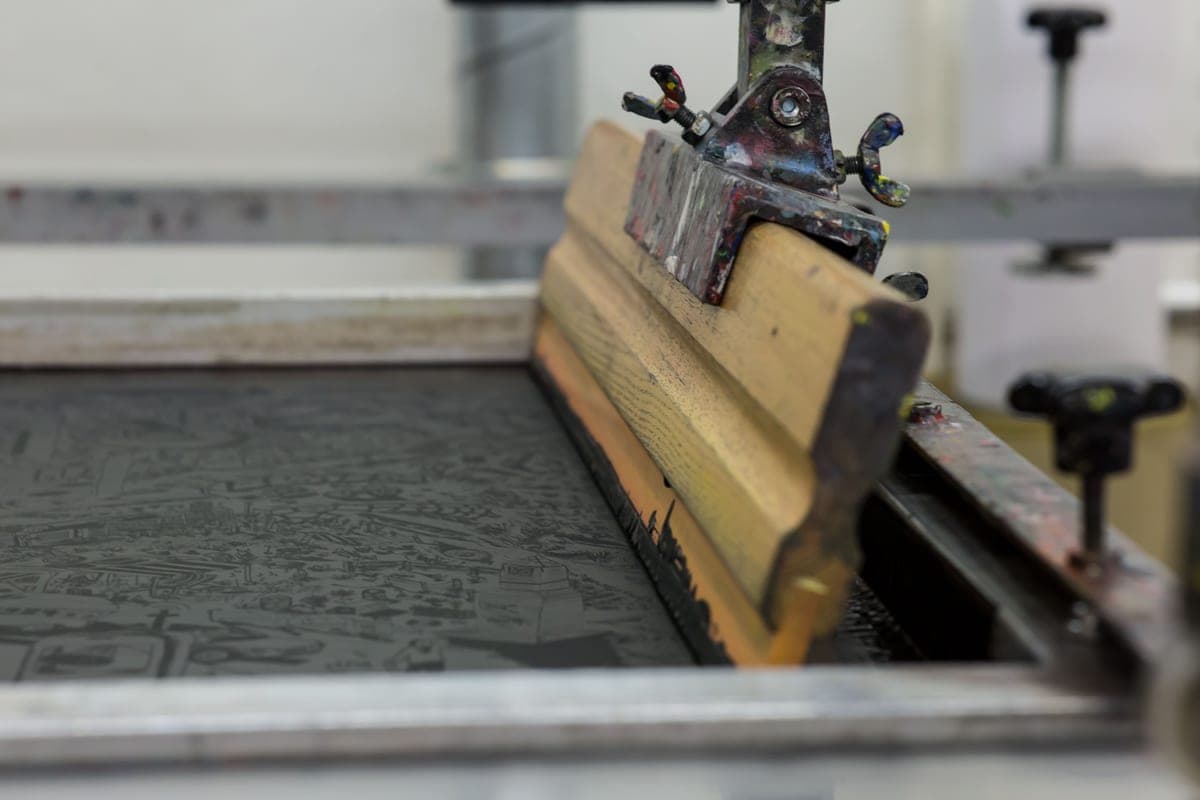
Heat Press vs Screen Printing
One is cheap to start and cheap per shirt only in small numbers. The other is the reverse. The crossover is the whole decision.
Heads up: Mat & Blade earns a commission from qualifying purchases made through the links on this page, at no extra cost to you. It never changes which products we recommend or how we rank them. Read the full disclosure.
A heat press for anything under roughly a few dozen identical shirts; screen printing above it. Screen printing has a real per-design setup cost — screens, emulsion, exposure, cleanup — that is punishing on a run of ten and negligible on a run of five hundred. A heat press has almost no setup per design and a higher cost per shirt that never falls.
Quick picks
| # | Product | Best for | Price |
|---|---|---|---|
| 1 | 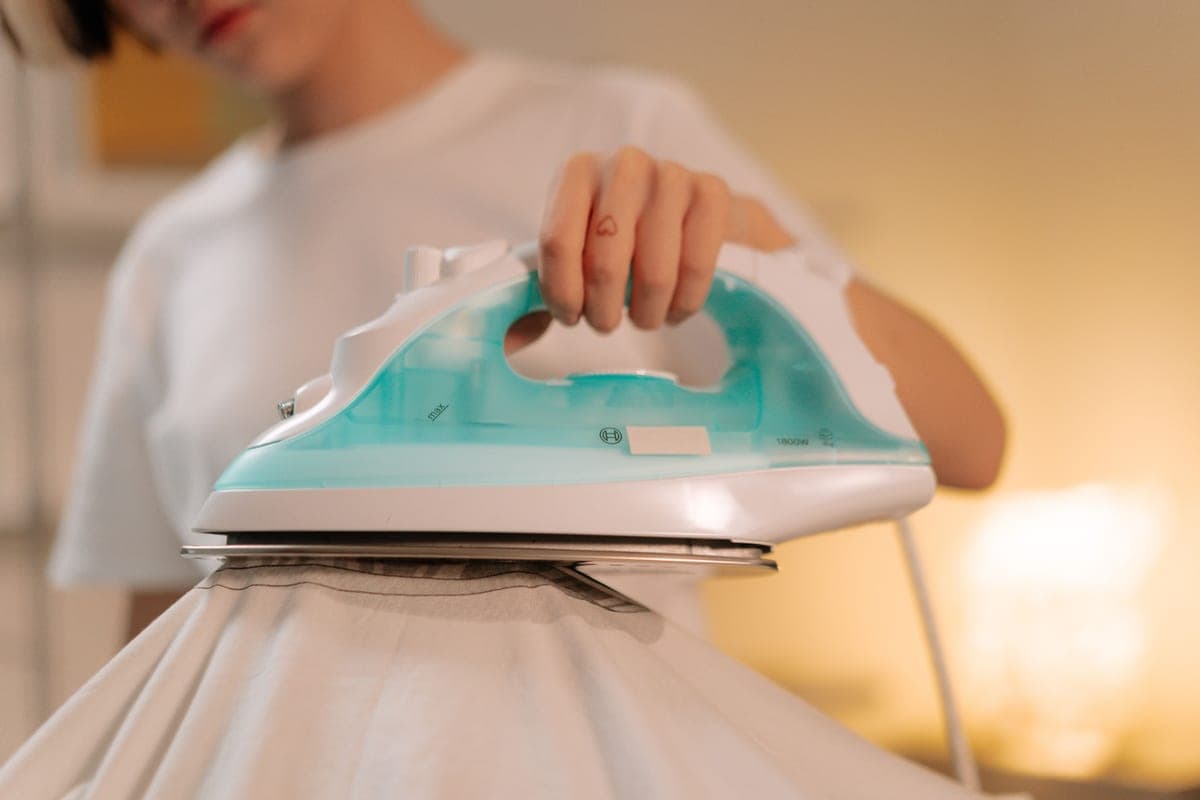 HTVRONT Auto Heat PressAn auto-open clamshell that removes the two things beginners get wrong — inconsistent pressure and forgetti... | The heat press route | Check price on Amazon #ad · affiliate link · we never show a price we cannot verify |
| 2 | 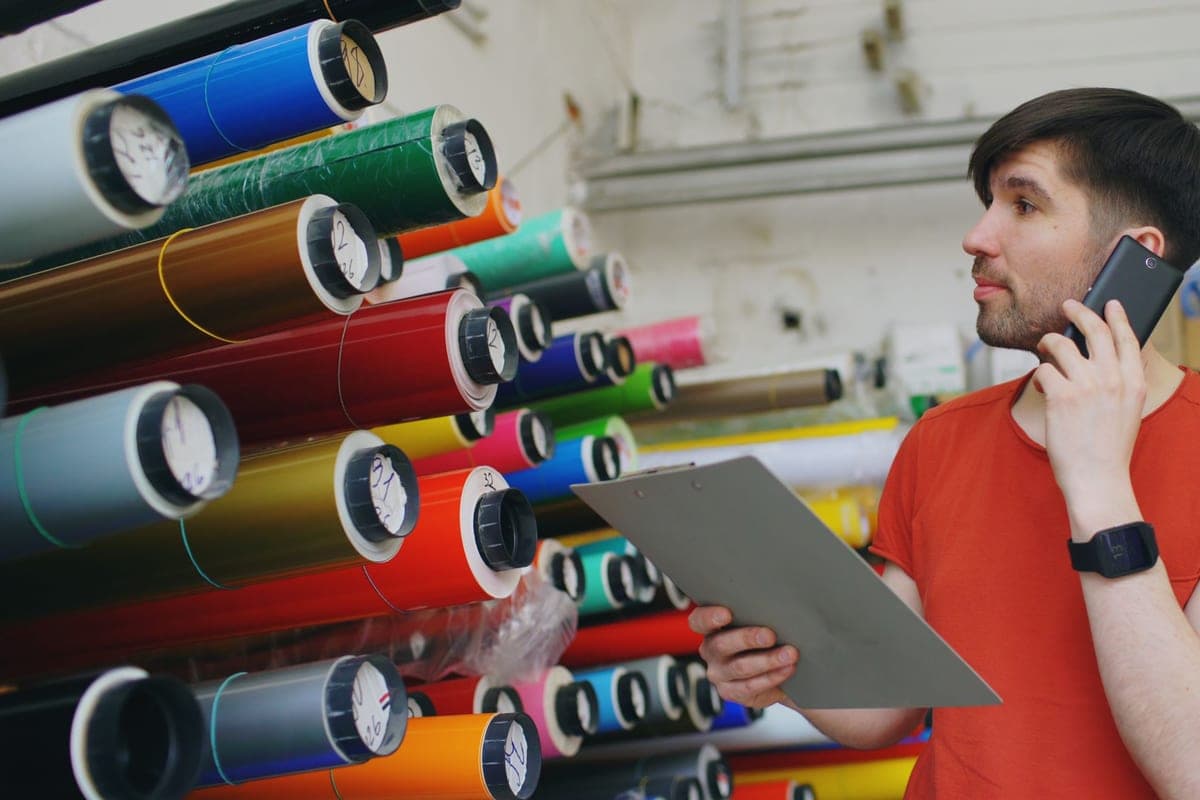 Siser EasyWeed HTVThe default heat transfer vinyl for beginners: it weeds cleanly, presses at a forgiving temperature, and is... | One-color designs on a press | Check price on Amazon #ad · affiliate link · we never show a price we cannot verify |
| 3 | 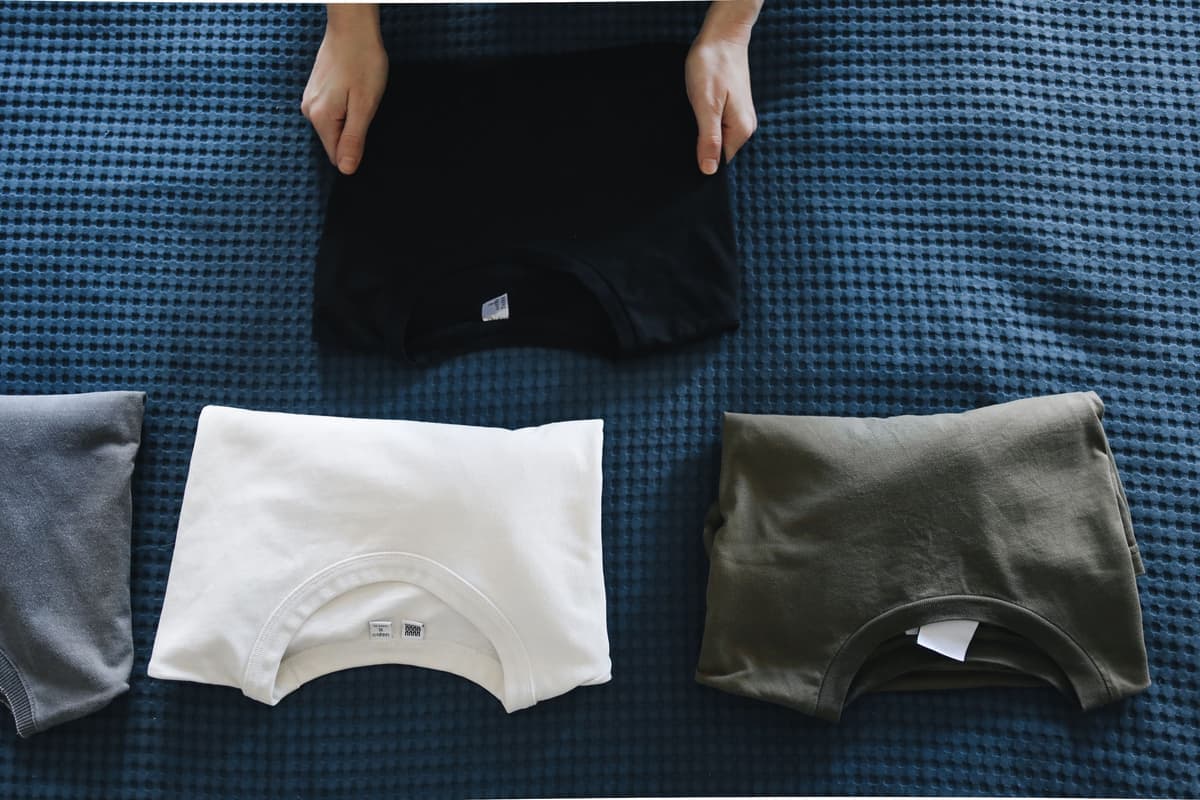 Cotton Blank T-ShirtsHeat transfer vinyl is happiest on cotton or a cotton blend, and a mid-weight ring-spun tee presses better ... | The blank either way | Check price on Amazon #ad · affiliate link · we never show a price we cannot verify |
Tap any row to jump to the full write-up. We do not publish prices — they move constantly, and a stale number is worse than none.
The two methods, side by side
| Heat press | Screen printing | |
|---|---|---|
| Setup cost to start | Low — press, material, blanks | Higher — screens, emulsion, exposure unit, inks, washout area |
| Setup per design | Effectively none — cut and press | Real — burn a screen per color, then reclaim it |
| Cost per shirt at volume | Does not fall much | Falls sharply |
| Full-color photographic designs | Yes (sublimation or printed transfer) | Difficult and expensive |
| Multi-color designs | Layered, one press at a time | One screen per color, then fast |
| One-off or personalized items | Ideal | Impractical |
| Space needed | A table | A dedicated area with water access |
| Feel on the shirt | A thin layer you can feel | Ink in the weave, softer at volume |
| Learning curve | Short | Considerably longer |
Where the crossover actually sits
There is no single number, and anyone quoting one is guessing at your inputs. What is reliable is the shape of the curve.
Screen printing front-loads its cost. You pay for a screen per color in the design, plus the time to coat, expose, wash out and later reclaim it. That cost is identical whether you then print ten shirts or a thousand, so the cost per shirt falls steeply as the run grows.
Heat pressing front-loads almost nothing. A new design costs a cut and a press. But the material cost per shirt is what it is, and pressing is a per-item manual operation that does not get cheaper with repetition — the hundredth shirt takes as long as the first.
So: many designs in small quantities favors the press. One design in large quantities favors screens. Work out which of those describes your orders and the answer follows.
What each one is genuinely better at
Screen printing produces the softest hand feel at volume, because the ink sits in the weave rather than as a layer on top. It is extremely durable, and once the screens exist the printing itself is fast. For a single design in the hundreds, nothing else competes on cost per shirt.
A heat press handles full-color and photographic designs that screen printing struggles with, does personalization natively, switches between designs instantly, and needs a table rather than a room with a sink. It also lets you start this weekend rather than after a fortnight of learning.
The verdict
For almost everyone reading this page, a heat press is the right answer — not because it is a better technology, but because the work most people actually have is small runs, varied designs and personalized items, which is exactly the shape screen printing handles worst.
Screen printing wins decisively in one scenario, and it is a real one: a single design, one or two colors, printed in the hundreds, repeatedly. Club shirts, event merchandise, a product line you reorder. If that describes your orders, the setup cost pays for itself quickly and the per-shirt economics are not close.
The honest middle position is that plenty of established shops run both, and send each job to whichever is cheaper. If you are choosing your first setup, start with the press — which one to buy — because it is cheaper to be wrong about.
1. Best for the heat press route
HTVRONT Auto Heat Press
HTVRONT · Currently sold · Verified 2026-09-27
If the comparison lands on heat pressing — and for most people reading this it will — an auto-open clamshell with repeatable clamp pressure is the machine. It presses an adult design in one pass, the pressure does not drift between the first shirt and the twentieth, and there is no screen, no emulsion and no cleanup between designs.
What works
- Clamp pressure is repeatable in a way hand pressure never is
- Auto-open removes the most common scorch mistake
- A 15 x 15 in plate presses an adult front design in one go
What does not
- Heavy, and it needs permanent bench space
- Louder and more industrial than an EasyPress
- Overkill if you make a few shirts a year
Not for you if
You have no dedicated table. This is not a machine you clear away between projects.
Key specs
- Type
- Auto-open clamshell heat press
- Plate size
- Typically 15 x 15 in on the full-size model
- Pressure
- Adjustable clamp — consistent every press
- Auto-open
- Yes — lifts itself when the timer ends
- Bench space
- Permanent — this does not go in a drawer
#ad · affiliate link · we never show a price we cannot verify
2. Best for one-color designs on a press
Siser EasyWeed HTV
Siser · Currently sold · Verified 2026-09-27
For the single-color text and logo work that screen printing is traditionally good at, cut heat transfer vinyl matches it closely on the finished result at a fraction of the setup. It weeds cleanly, presses at a forgiving temperature, and changing design costs nothing but another cut.
What works
- Weeds more cleanly than almost anything else at this price
- Thin enough that a layered design does not feel like a plastic patch
- Siser publishes clear time and temperature guidance for it
- Sold in single sheets, so you can try three colors without buying three rolls
What does not
- Matte only — no gloss, glitter or specialty finish in the base line
- Sheets cost more per square inch than buying a roll
- Still needs real heat and pressure; a household iron gives mixed results
Not for you if
You want a glitter or holographic finish. That is a different Siser product line, not EasyWeed.
Key specs
- Type
- Heat transfer vinyl (HTV) — for fabric
- Fabric compatibility
- Siser rates it for cotton, polyester and cotton/poly blends
- Thickness
- Thin — around 90 microns
- Carrier
- Pressure-sensitive clear carrier sheet
- Finish
- Matte
#ad · affiliate link · we never show a price we cannot verify
3. Best for the blank either way
Cotton Blank T-Shirts
Various · Currently sold · Verified 2026-09-27
Both methods work on cotton, which is worth noting because it is the one input the two share. A mid-weight ring-spun tee presses flatter than a heavy open-weave one under a heat press, and takes screen ink cleanly too.
What works
- Any color works, which sublimation cannot claim
- Soft and familiar to wear
- Cheap in multi-packs, so practice is affordable
What does not
- Cotton will not take sublimation ink at all
- Very heavy or textured cotton gives uneven HTV adhesion
- Needs a pre-press to drive out moisture before the design goes on
Not for you if
You are sublimating. Sublimation needs polyester, and cotton simply will not hold the ink.
Key specs
- Fabric
- Cotton or cotton/poly blend
- Works with
- Heat transfer vinyl — not sublimation
- Weight
- Mid-weight ring-spun presses flatter than heavy open-weave
- Color
- Any color, including dark — unlike sublimation
#ad · affiliate link · we never show a price we cannot verify
Common questions
Is a heat press cheaper than screen printing?
Which lasts longer, heat press or screen printing?
Can you screen print personalized names and numbers?
Which is better for full-color designs?
Do I need special equipment to start screen printing?
Sources
- Siser application guidance — Heat transfer vinyl application requirements and durability guidance, verified 29 September 2026
How we picked
We verify every product is currently sold by reading the manufacturer's own catalog, compare published specifications rather than marketing copy, and rank on what a first-time buyer has to decide. We do not run lab tests and we do not claim to, and commission never affects the order.
Read this next
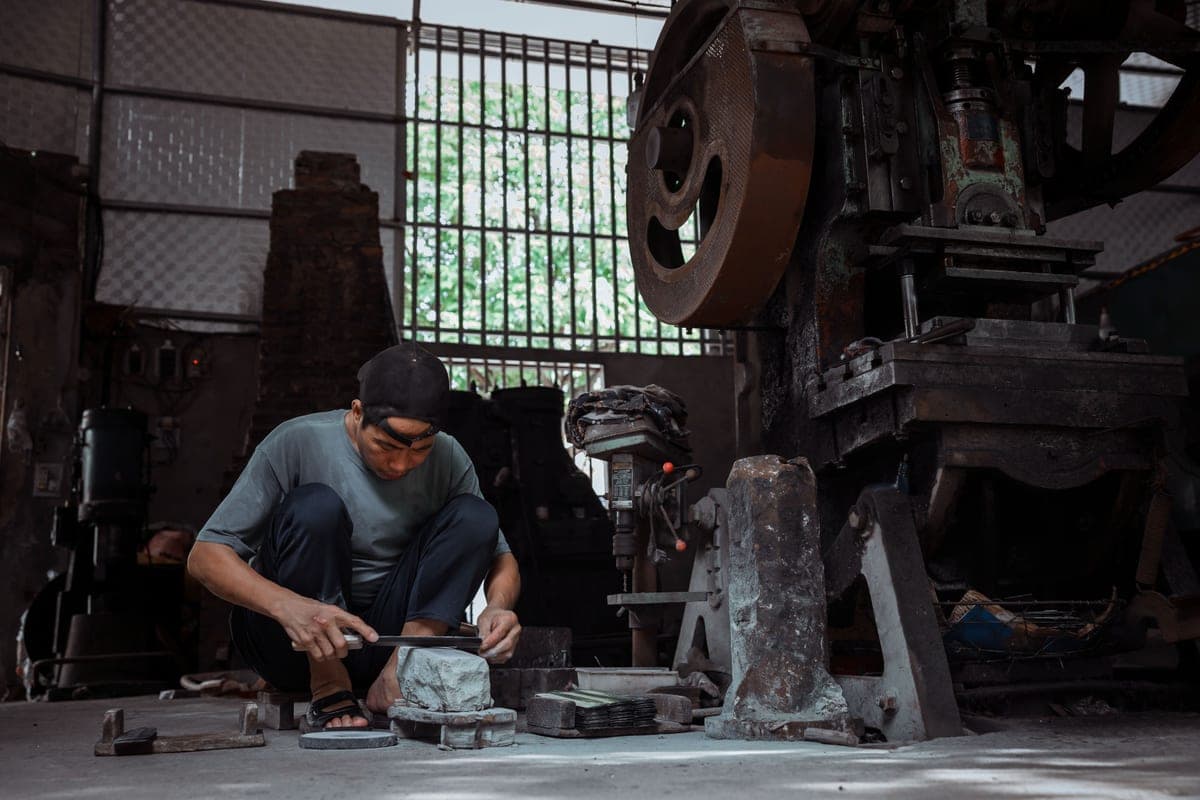
The Best Heat Press Machines
Every type of heat press machine ranked by who it genuinely suits, from handheld to large-format.
Heat Press vs DTG Printing
Direct-to-garment printing compared with heat pressing on cost, color, durability and maintenance.
The Best Heat Press for a Small Business
Presses built for repeatability and batch work, for anyone selling rather than making for themselves.
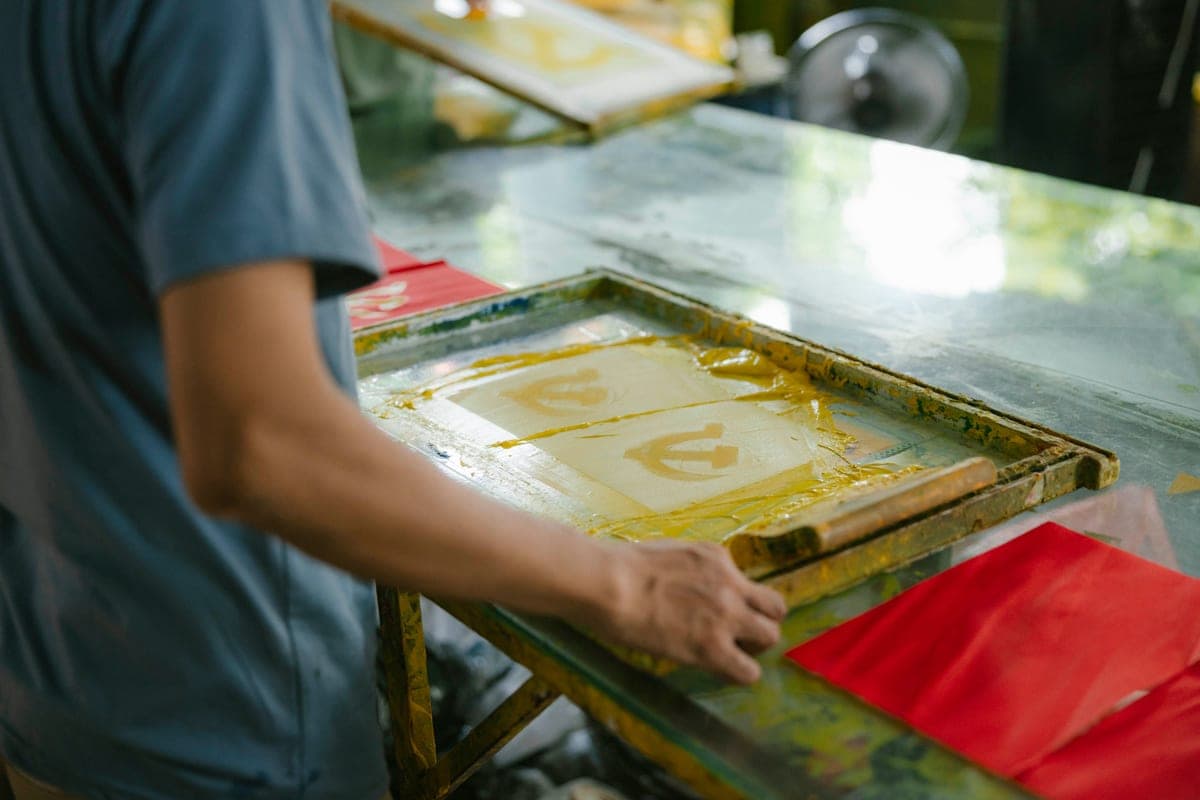
The Best Heat Press for T-Shirts
Presses sized for real adult shirt designs, ranked by plate coverage and pressure consistency.
How to Use HTV
The full HTV process from cut to peel, plus a troubleshooting section for when it does not stick.
Back to Heat Presses.