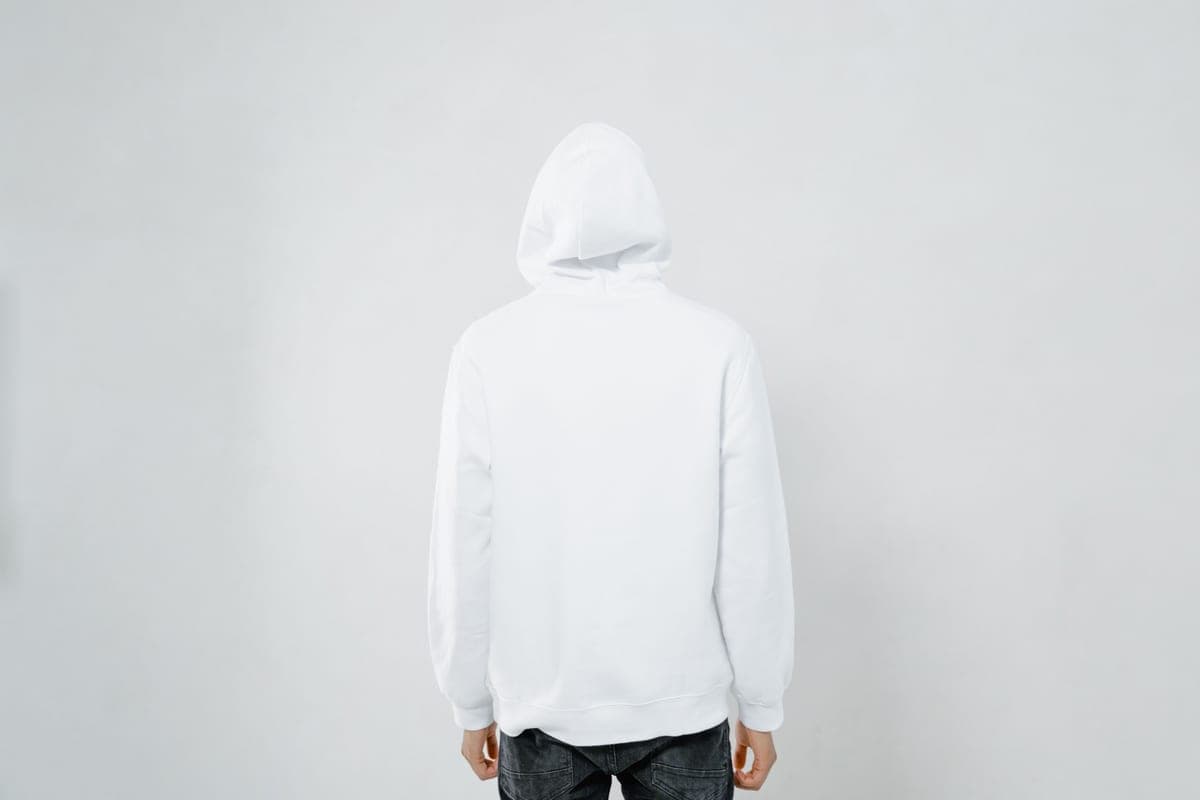
The Best Heat Press for Hoodies
Thicker fabric, a front pocket and a bigger design area. Hoodies punish a press that was sized for t-shirts.
Heads up: Mat & Blade earns a commission from qualifying purchases made through the links on this page, at no extra cost to you. It never changes which products we recommend or how we rank them. Read the full disclosure.
A 16 by 20 inch platen presses a hoodie front in one pass; a 15 by 15 usually needs two. Beyond size, hoodies need firm repeatable pressure because thick fleece compresses under the platen, and they need a mat inside the garment so the front pocket does not steal pressure from your design.
Quick picks
| # | Product | Best for | Price |
|---|---|---|---|
| 1 |  Large-Format Clamshell Heat Press (16 x 20)A 16 by 20 inch platen is the size at which hoodies, oversized prints and full DTF transfers stop needing t... | Hoodies, properly | Check price on Amazon #ad · affiliate link · we never show a price we cannot verify |
| 2 |  HTVRONT Auto Heat PressAn auto-open clamshell that removes the two things beginners get wrong — inconsistent pressure and forgetti... | Hoodies at 15 x 15 | Check price on Amazon #ad · affiliate link · we never show a price we cannot verify |
| 3 | VEVOR Clamshell Heat PressThe budget clamshell that beats a handheld press on pressure and plate size, at the cost of build quality a... | Occasional hoodies on a budget | Check price on Amazon #ad · affiliate link · we never show a price we cannot verify |
| 4 |  Heat Press MatThe cheap accessory that fixes most failed presses: it gives you a firm, even, heat-safe surface instead of... | Pockets, seams and zips | Check price on Amazon #ad · affiliate link · we never show a price we cannot verify |
Tap any row to jump to the full write-up. We do not publish prices — they move constantly, and a stale number is worse than none.
Why hoodies are harder than t-shirts
Four differences, and each one is a separate small problem.
- The design area is bigger. A hoodie front print is typically larger than a tee print, so a platen that covered your shirts in one pass may not cover this.
- The fabric is thick and compressible. Fleece gives under the platen, so the effective pressure changes as it compresses. A clamp you can set and repeat handles this far better than hand pressure.
- There is a pocket in the way. The kangaroo pocket creates a raised double-thickness area right where designs often sit, which steals pressure from everything around it.
- Seams are heavier. Thick side and shoulder seams create high spots nearer the print area than they do on a tee.
How we picked
We ranked by platen coverage against a real hoodie front design and by whether pressure is adjustable and repeatable, since compressible fleece is what makes hand pressure unreliable here. Specifications come from each manufacturer's published product information. Our methodology.
Our picks in full
1. Best for hoodies, properly
Large-Format Clamshell Heat Press (16 x 20)
Various · Currently sold · Verified 2026-09-29
A 16 by 20 inch platen is the size at which a hoodie front stops being a two-pass job. That matters more on a hoodie than on a tee, because the overlap line on thick fleece is harder to place accurately and easier to see if you get it slightly wrong. The extra platen also gives you room to work around the front pocket rather than fighting it. If hoodies are a regular part of what you make, this is the correct tool rather than an upgrade.
What works
- Presses a hoodie front or an oversized design in a single pass
- Covers a full 13 x 19 transfer, which a 15 x 15 platen cannot
- Clamp pressure repeats exactly, which matters most on thick garments
What does not
- Heavy, and it needs considerably more bench space than a 15 x 15
- Overkill for standard adult front prints, which fit a smaller platen
- Takes longer to reach temperature than a small plate
Not for you if
You press standard adult t-shirt designs a few times a month. A 15 by 15 platen already covers those, for less money and less table.
Key specs
- Type
- Clamshell or swing-away heat press
- Platen size
- Commonly 16 x 20 in
- Pressure
- Adjustable clamp — repeatable every press
- Bench space
- Permanent, and more of it than a 15 x 15
- Typical use
- Hoodies, DTF transfers, oversized prints, batch work
#ad · affiliate link · we never show a price we cannot verify
2. Best for hoodies at 15 x 15
HTVRONT Auto Heat Press
HTVRONT · Currently sold · Verified 2026-09-27
A full-size clamshell handles hoodies competently if you accept two overlapping presses on larger designs. What makes it work is the adjustable clamp: thick fleece compresses under pressure, and a clamp you can set and repeat handles that far better than hand pressure, which tends to drift as the fabric gives. Auto-open helps too, since a hoodie takes longer to set up under the platen than a tee.
What works
- Clamp pressure is repeatable in a way hand pressure never is
- Auto-open removes the most common scorch mistake
- A 15 x 15 in plate presses an adult front design in one go
What does not
- Heavy, and it needs permanent bench space
- Louder and more industrial than an EasyPress
- Overkill if you make a few shirts a year
Not for you if
You have no dedicated table. This is not a machine you clear away between projects.
Key specs
- Type
- Auto-open clamshell heat press
- Plate size
- Typically 15 x 15 in on the full-size model
- Pressure
- Adjustable clamp — consistent every press
- Auto-open
- Yes — lifts itself when the timer ends
- Bench space
- Permanent — this does not go in a drawer
#ad · affiliate link · we never show a price we cannot verify
3. Best for occasional hoodies on a budget
VEVOR Clamshell Heat Press
VEVOR · Currently sold · Verified 2026-09-27
A manual clamshell gives full-size pressing and adjustable clamp pressure for the lowest cost, which is enough for hoodies if you are making them occasionally rather than in batches. The absence of auto-open is felt a little more here, because a thicker garment takes longer to position and you are more likely to still be adjusting it when the timer starts.
What works
- Full-size plate and real clamp pressure for less than a handheld press
- Presses an adult design in a single pass
- Widely available with lots of community guidance
What does not
- Displayed temperature can differ from actual plate temperature — worth checking
- No auto-open, so a forgotten timer scorches the shirt
- Build quality is visibly budget
Not for you if
You want to set it and trust it. Check the plate temperature with an infrared thermometer before you trust the display.
Key specs
- Type
- Manual clamshell heat press
- Plate size
- Commonly 15 x 15 in
- Pressure
- Manual knob adjustment
- Auto-open
- No — it beeps, you lift
- Bench space
- Permanent
#ad · affiliate link · we never show a price we cannot verify
4. Best for pockets, seams and zips
Heat Press Mat
Various · Currently sold · Verified 2026-09-27
A hoodie has more obstacles than any t-shirt — a kangaroo pocket, thick side seams, sometimes a zip. All of them create high spots that steal pressure from the design. A firm heat-safe mat slipped inside the garment lifts the printing area clear of what is behind it, which is the standard fix and costs very little.
What works
- Turns an uneven surface into an even one, which is most of a good press
- Protects the table underneath
- Costs very little relative to the failures it prevents
What does not
- One more thing to store
- Does not fix pressure that is simply too light
Not for you if
You have a clamshell press with a proper lower platen. The platen already does this job.
Key specs
- Purpose
- Firm heat-resistant base that concentrates pressure into the design
- Why it matters
- Absorbs seams and zips so the design sits flat
- Sizes
- Sized to match common press plates
#ad · affiliate link · we never show a price we cannot verify
The pocket problem, and how to solve it
This is the issue people write in about. A kangaroo pocket is a double layer of fleece sitting directly behind the lower part of a typical front print. Press over it and the pocket area takes most of the pressure, leaving the surrounding design under-pressed — which fails in the wash while the middle holds perfectly.
The standard fix is to slide a firm heat-safe mat or pressing pillow inside the hoodie, under the print area. That lifts the fabric you are pressing clear of the pocket behind it, so the platen meets a single flat layer. It is cheap, it takes a second, and it turns an unreliable press into a routine one.
The alternative is to place the design above the pocket entirely. That works, and it constrains your layout — which is fine for a chest print and limiting for a large front graphic.
Material choice on fleece
Hoodies are usually cotton or a cotton-polyester blend, which suits heat transfer vinyl well. Check the fiber content rather than assuming: a polyester-rich blend needs the lower end of your material's published temperature range, because polyester scorches where cotton does not.
Avoid heavily brushed or sherpa-lined surfaces for the print area. A raised nap sits between the vinyl and the fibers, flattens under the press, then recovers afterwards and lifts the design edges. Which fabrics take HTV cleanly, and the sourced settings table.
Common questions
What size heat press do I need for hoodies?
How do you heat press over a hoodie pocket?
What temperature for HTV on a hoodie?
Why did my hoodie design peel but my t-shirts are fine?
Can an EasyPress do hoodies?
Sources
- Siser product and application guidance — Fabric compatibility and pressure requirements for heat transfer vinyl, verified 29 September 2026
How we picked
We verify every product is currently sold by reading the manufacturer's own catalog, compare published specifications rather than marketing copy, and rank on what a first-time buyer has to decide. We do not run lab tests and we do not claim to, and commission never affects the order.
Read this next
The Best Heat Press Machines
Every type of heat press machine ranked by who it genuinely suits, from handheld to large-format.
The Best Heat Press for a Small Business
Presses built for repeatability and batch work, for anyone selling rather than making for themselves.
The Best Heat Press for T-Shirts
Presses sized for real adult shirt designs, ranked by plate coverage and pressure consistency.
Choosing HTV by Fabric Type
Which heat transfer vinyl suits each fabric, and the fabrics that resist adhesive regardless.
Heat Press Temperature Guide
Published time and temperature figures by material, sourced — plus the three variables that matter more.
Back to Heat Presses.