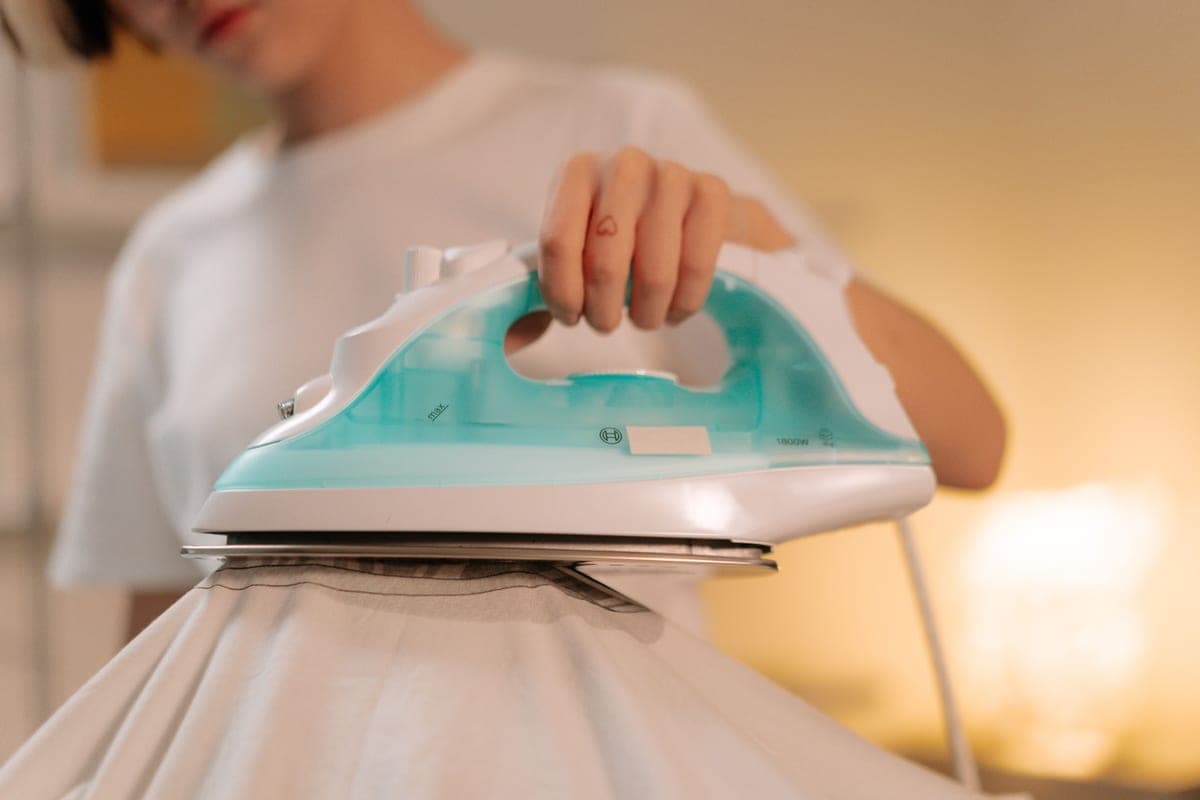
What Size Heat Press Do I Need?
One size covers most people. The question is whether you are in the group it does not.
Heads up: Mat & Blade earns a commission from qualifying purchases made through the links on this page, at no extra cost to you. It never changes which products we recommend or how we rank them. Read the full disclosure.
A 15 x 15 inch platen is the right size for most people: it presses a standard adult shirt front in one go and handles tote bags, pillow covers and most flat work. Go smaller — 12 x 10 or 9 x 9 on a handheld press — if storage space matters more than platen area. Go to 16 x 20 only for hoodies, oversized prints, DTF transfers or batch production. Size up for the biggest design you will realistically press, not the biggest you can imagine, because platen area and permanent bench space rise together.
Platen size against real projects
Design width is what decides this, and most people overestimate how big a shirt graphic actually is. A typical adult shirt front print runs 10 to 12 inches wide.
| Project | Design area | 9x9 | 12x10 | 15x15 | 16x20 |
|---|---|---|---|---|---|
| Pocket print | 4 x 4 in | Yes | Yes | Yes | Yes |
| Kids' shirt front | 6 x 8 in | Yes | Yes | Yes | Yes |
| Adult shirt front, standard | 10 x 12 in | No | Mostly | Yes | Yes |
| Adult shirt front, large | 12 x 14 in | No | No | Yes | Yes |
| Tote bag | 10 x 12 in | No | Mostly | Yes | Yes |
| Hoodie front | 12 x 15 in | No | No | Tight | Yes |
| Oversized / all-over print | 15 x 18 in | No | No | No | Yes |
| DTF transfer, full front | 12 x 16 in | No | No | Tight | Yes |
| Hat or cap | n/a | No | No | No | No |
| Tumbler | n/a | No | No | No | No |
Why pressing in two passes is a bad plan
The obvious workaround for an undersized press is to press half the design, reposition, and press the other half. It is worth understanding why this goes wrong, because it is the reason platen size matters at all.
The overlap band gets pressed twice, so it receives double the heat and dwell time. On heat transfer vinyl that shows as a visible gloss or texture change along the seam, and on a thin vinyl it can over-cure and start to crack. Alignment is the second problem: the carrier sheet has to land in exactly the right place on a shirt that has already been heated and may have shifted. It is possible, people do it, and it is not a technique you want to need on a gift.
The practical rule: buy a platen that covers your largest realistic design in one press. The step from a 12 x 10 to a 15 x 15 is the one that removes this problem for most people.
Size is not the only thing that decides a press
Platen area gets the attention, and three other things matter as much or more.
- Pressure, and where it comes from. A clamshell applies mechanical pressure through an adjustable clamp, so every press is the same. A handheld press applies whatever pressure you lean with. Both work; only one is repeatable. EasyPress versus a heat press is the full version of this.
- Even temperature across the plate. A large plate with cold corners is worse than a small even one. This is where very cheap large presses disappoint, and it shows up as a design that lifts at one edge only.
- Auto-open. On a clamshell this is a comfort feature with a real consequence: a press left closed past the timer scorches the garment. Over a batch it is the difference between relaxed and vigilant.
- Where it will live. A 15 x 15 needs permanent bench space and a 16 x 20 needs more. A handheld press goes in a cupboard. Space is the constraint that actually stops people, not price.
Our picks in full
1. Best for the 15x15 that covers most people
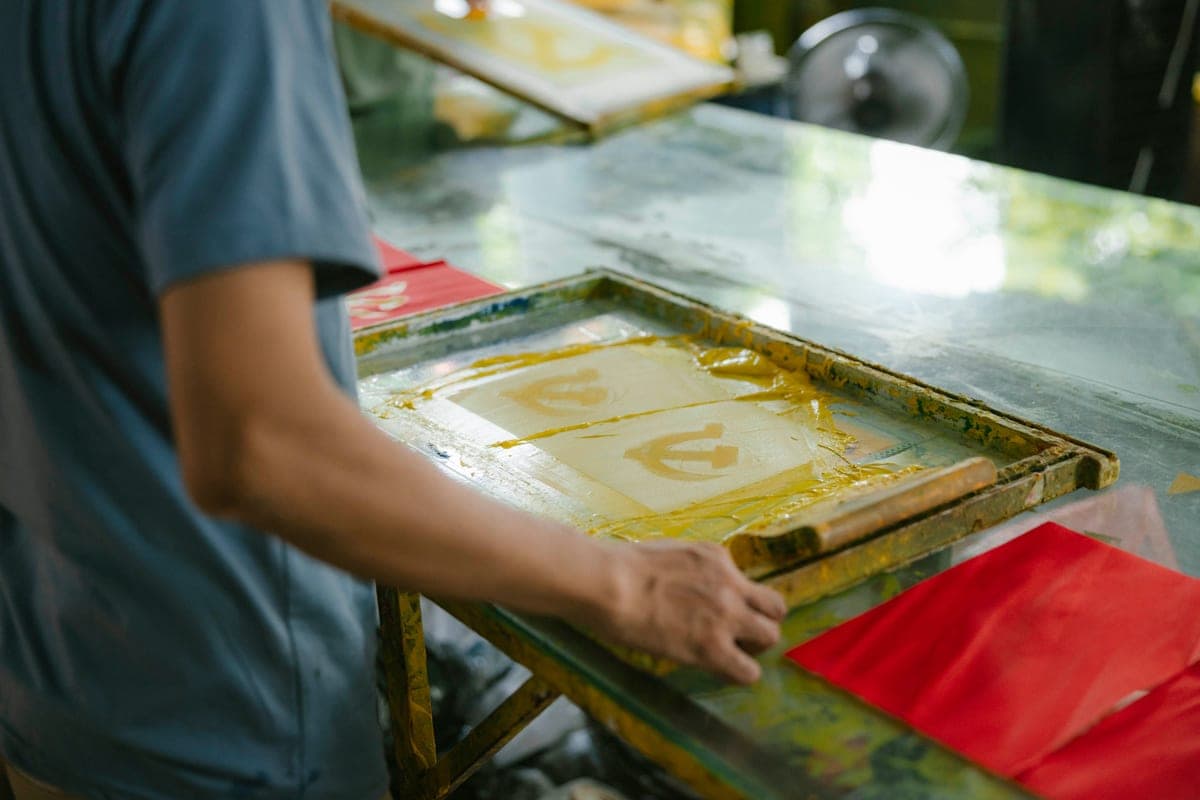
VEVOR Clamshell Heat Press
VEVOR · Currently sold · Verified 2026-09-27
The size most buyers should land on, at the cheapest price that still buys a real press. A 15 x 15 platen covers a standard adult shirt front in one press, which is the sizing bar that matters, and it leaves room for tote bags and most flat work. Adjustable clamp pressure means the same result every press rather than however hard you leaned. It does not auto-open — it beeps and you lift it — which over a long batch is the genuine ergonomic cost of buying at this price.
What works
- Full-size plate and real clamp pressure for less than a handheld press
- Presses an adult design in a single pass
- Widely available with lots of community guidance
What does not
- Displayed temperature can differ from actual plate temperature — worth checking
- No auto-open, so a forgotten timer scorches the shirt
- Build quality is visibly budget
Not for you if
You want to set it and trust it. Check the plate temperature with an infrared thermometer before you trust the display.
Key specs
- Type
- Manual clamshell heat press
- Plate size
- Commonly 15 x 15 in
- Pressure
- Manual knob adjustment
- Auto-open
- No — it beeps, you lift
- Bench space
- Permanent
#ad · affiliate link · we never show a price we cannot verify
2. Best for enough size without permanent bench space
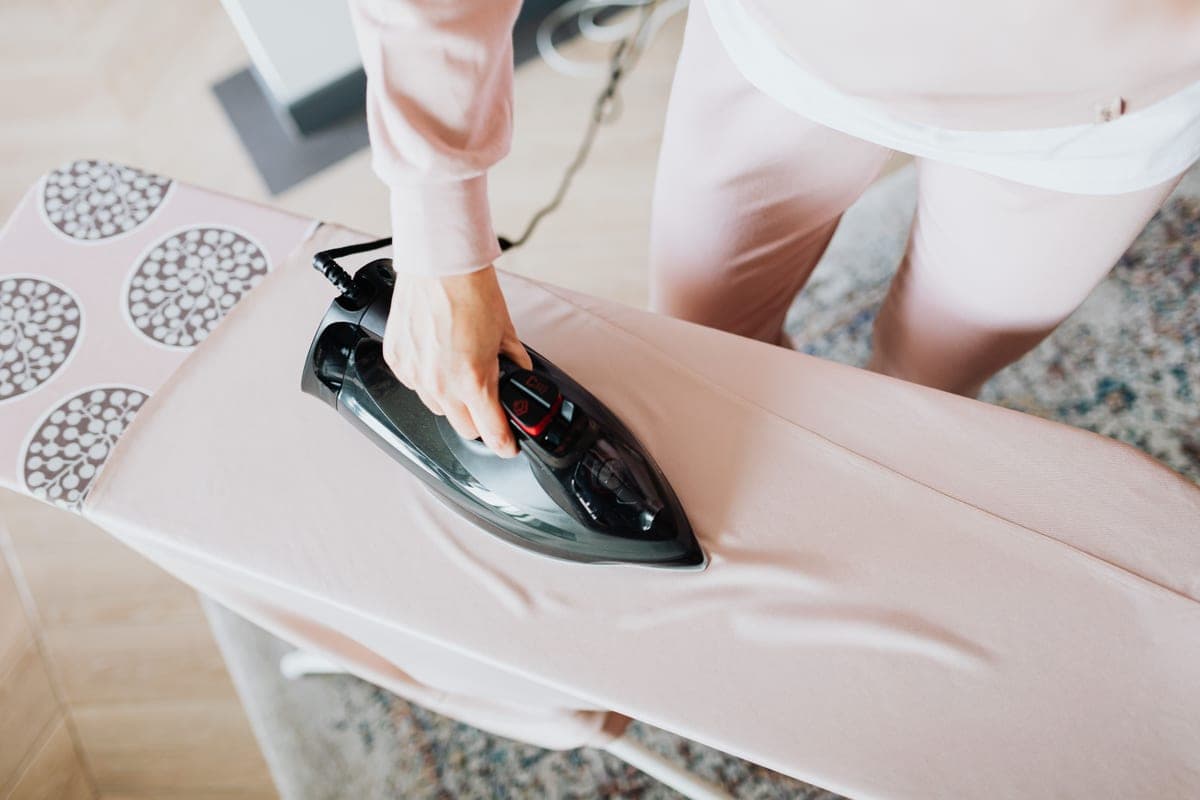
Cricut EasyPress SE
Cricut · Currently sold · Verified 2026-09-27
The right answer when space, not platen area, is the constraint. The SE line's 12 x 10 plate covers most adult shirt designs in a single press and the 9 x 9 covers smaller ones, and either stores on a shelf between projects instead of occupying a worktop permanently. It holds a set temperature properly, unlike a household iron. What it does not provide is mechanical pressure — that comes from you leaning on it, which is why it needs a firm mat underneath rather than an ironing board.
What works
- Holds a set temperature, which a household iron does not
- Even plate contact across the whole design
- Cricut's Heat Guide gives exact settings for it by material
- Stores away, which matters more than people expect
What does not
- You supply the pressure by leaning on it, so results depend on your technique
- Costs more than a comparably sized clamshell press
- Small plates mean multi-press passes on a big design
Not for you if
You are pressing more than a handful of shirts a week. Leaning on a handheld press twenty times an evening gets old fast — buy a clamshell.
Key specs
- Type
- Handheld heat press
- Plate sizes
- 12 x 10 in and 9 x 9 in in the SE line
- Temperature
- Set precisely; holds it, unlike a household iron
- Timer
- Built in, with an audible finish
- Storage
- Shelf or drawer — no permanent bench space
#ad · affiliate link · we never show a price we cannot verify
3. Best for hoodies, dtf and batch work
Large-Format Clamshell Heat Press (16 x 20)
Various · Currently sold · Verified 2026-09-29
The size-up that is worth it for a specific set of jobs. A 16 x 20 platen presses a hoodie front without repositioning, covers oversized and all-over prints, and handles DTF transfers that run larger than a standard shirt graphic. Adjustable clamp pressure makes it repeatable across a run. The cost is bench space and more of it than a 15 x 15 needs — this is a permanent fixture, and buying it for occasional single shirts is paying for capability that sits idle.
What works
- Presses a hoodie front or an oversized design in a single pass
- Covers a full 13 x 19 transfer, which a 15 x 15 platen cannot
- Clamp pressure repeats exactly, which matters most on thick garments
What does not
- Heavy, and it needs considerably more bench space than a 15 x 15
- Overkill for standard adult front prints, which fit a smaller platen
- Takes longer to reach temperature than a small plate
Not for you if
You press standard adult t-shirt designs a few times a month. A 15 by 15 platen already covers those, for less money and less table.
Key specs
- Type
- Clamshell or swing-away heat press
- Platen size
- Commonly 16 x 20 in
- Pressure
- Adjustable clamp — repeatable every press
- Bench space
- Permanent, and more of it than a 15 x 15
- Typical use
- Hoodies, DTF transfers, oversized prints, batch work
#ad · affiliate link · we never show a price we cannot verify
4. Best for making a smaller press work like a bigger one
Heat Press Mat
Various · Currently sold · Verified 2026-09-27
The cheapest thing on this page and the one that changes results most on a handheld press. A firm heat-resistant mat concentrates the pressure you apply into the design instead of letting a soft surface absorb it, and it swallows seams and zips so the design area sits flat. A handheld press on an ironing board is the single most common reason a shirt lifts after two washes, and this fixes it for very little money. Sized to match common plates.
What works
- Turns an uneven surface into an even one, which is most of a good press
- Protects the table underneath
- Costs very little relative to the failures it prevents
What does not
- One more thing to store
- Does not fix pressure that is simply too light
Not for you if
You have a clamshell press with a proper lower platen. The platen already does this job.
Key specs
- Purpose
- Firm heat-resistant base that concentrates pressure into the design
- Why it matters
- Absorbs seams and zips so the design sits flat
- Sizes
- Sized to match common press plates
#ad · affiliate link · we never show a price we cannot verify
Sizing by what you are making
- Shirts for yourself and gifts, a few at a time. A 12 x 10 handheld press or a 15 x 15 clamshell. Pick on space, not size — both cover the designs.
- Shirts to sell, in small runs. 15 x 15 clamshell with auto-open. Repeatable pressure and a timer that lifts itself matter more than another two inches.
- Hoodies and sweatshirts. 16 x 20. A hoodie front is the project a 15 x 15 genuinely struggles with.
- DTF transfers. 16 x 20. DTF designs tend to run large, and the press pressure requirement is higher. The best heat press for DTF transfers covers the specifics.
- Bags, pillow covers, tea towels. 15 x 15 covers all of them comfortably.
- Small items only — patches, pockets, baby clothes. A 9 x 9 handheld press, and the EasyPress Mini for seams and awkward corners.
Still deciding whether you need a press at all? Do you need a heat press is the honest answer, and if your projects are hard-surface decals the answer is no. For the shortlist by price, the best budget heat press and the best heat press for beginners are the roundups, and the heat press cost guide covers what the whole setup runs to.
Common questions
What size heat press do I need for t-shirts?
Is a 9x9 heat press big enough?
Do I need a 16x20 heat press?
Can I press a large design in two passes?
What size press do I need for hats?
Does platen size affect temperature evenness?
Sources
- Cricut official product catalog — EasyPress SE plate sizes and EasyPress Mini intended uses, verified 6 October 2026
- Siser application guidance — Published heat transfer vinyl time, temperature and pressure requirements, verified 6 October 2026
How we picked
We verify every product is currently sold by reading the manufacturer's own catalog, compare published specifications rather than marketing copy, and rank on what a first-time buyer has to decide. We do not run lab tests and we do not claim to, and commission never affects the order.
Read this next
The Best Heat Press for Beginners
Handheld or clamshell, which suits your volume and space, and when you need no press at all.
EasyPress vs Heat Press
Handheld or clamshell — the real trade-off between storage convenience and repeatable results.
The Best Heat Press for T-Shirts
Presses sized for real adult shirt designs, ranked by plate coverage and pressure consistency.
The Best Heat Press for Hoodies
Presses sized and built for hoodies, plus the pocket, seam and thickness problems to plan around.
The Best Heat Press for Hats
Why caps need a curved platen, which presses do it, and the cheap compromise for occasional hats.
What a Heat Press Setup Costs
Every component a fabric setup needs beyond the press itself, and what recurs.
Back to Heat Presses.