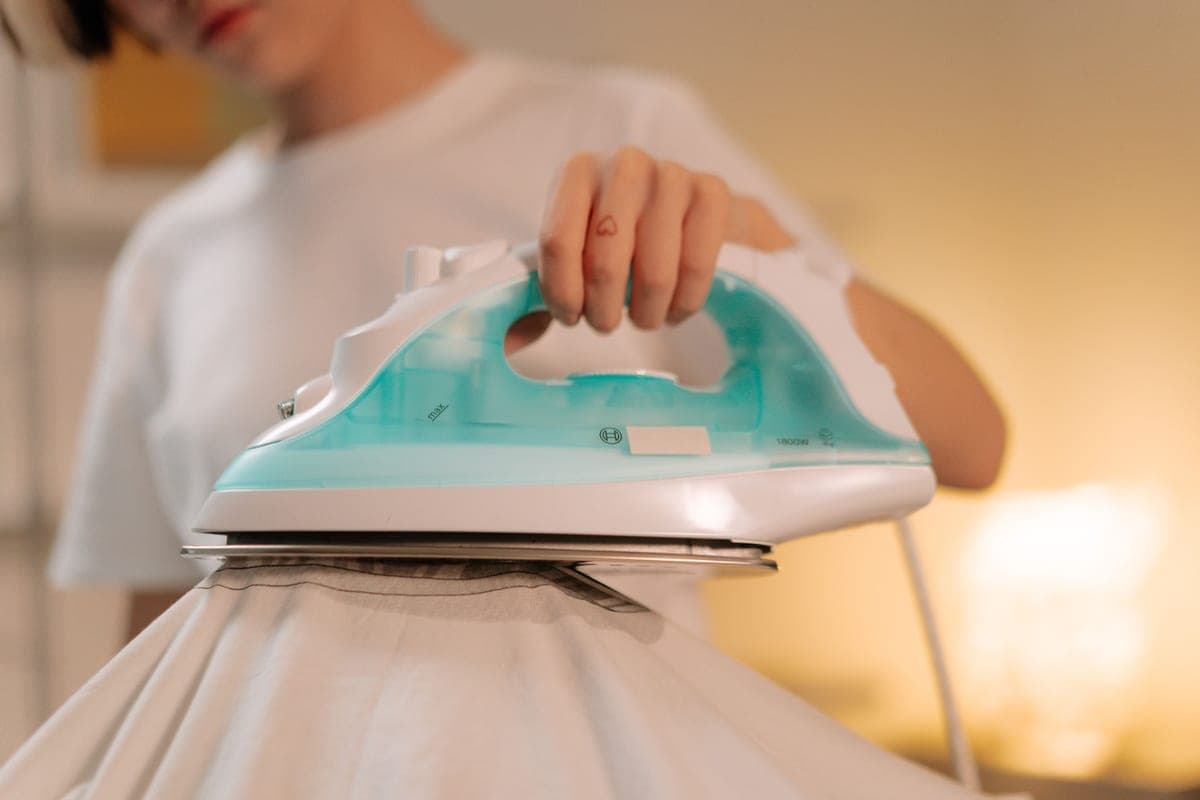
The Best Heat Press for Hats
A cap crown is curved. A flat plate is not. That mismatch is the entire problem.
Heads up: Mat & Blade earns a commission from qualifying purchases made through the links on this page, at no extra cost to you. It never changes which products we recommend or how we rank them. Read the full disclosure.
Caps need a curved platen. A flat plate touches only the middle of a curved cap crown, so the edges of a design never get proper contact and lift within a few wears. A dedicated cap press is the correct answer; a mini press is the workable compromise for occasional hats.
Quick picks
| # | Product | Best for | Price |
|---|---|---|---|
| 1 | 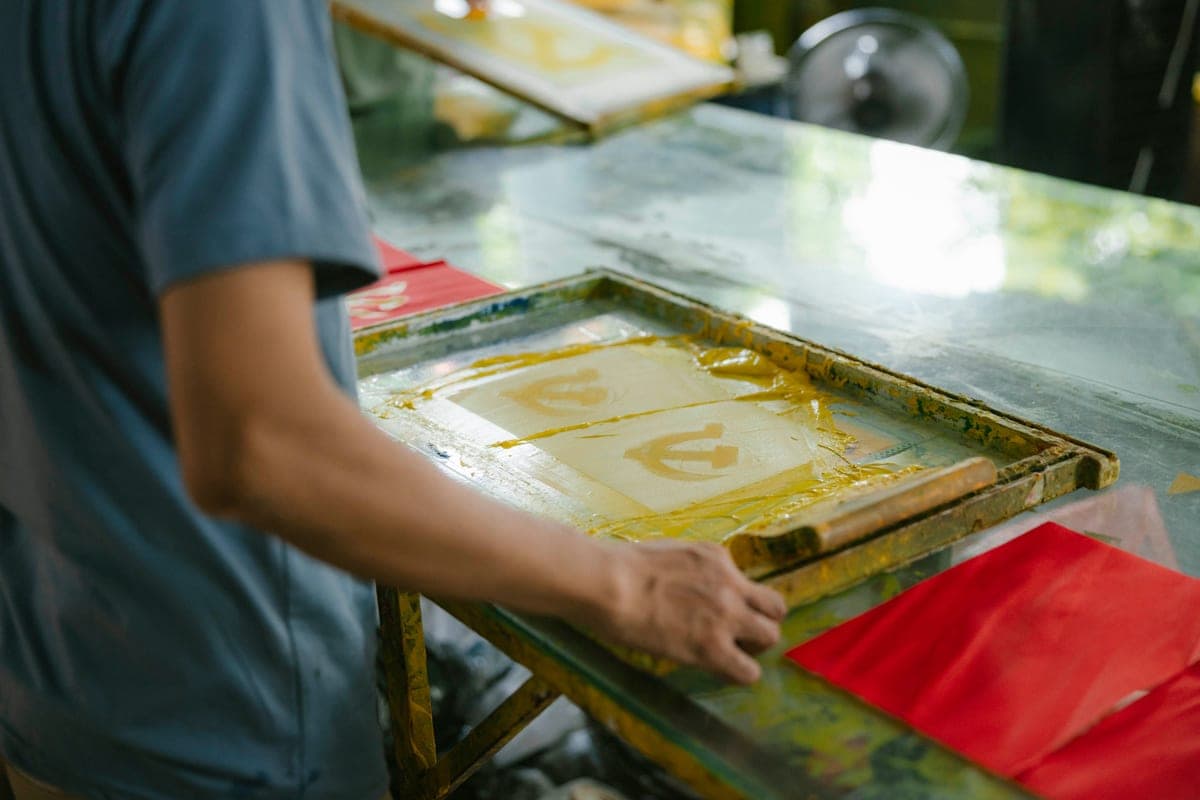 Curved Hat Heat PressA curved platen is the only way to get even pressure across a cap front — a flat press simply cannot do it. | Hats, properly | Check price on Amazon #ad · affiliate link · we never show a price we cannot verify |
| 2 | 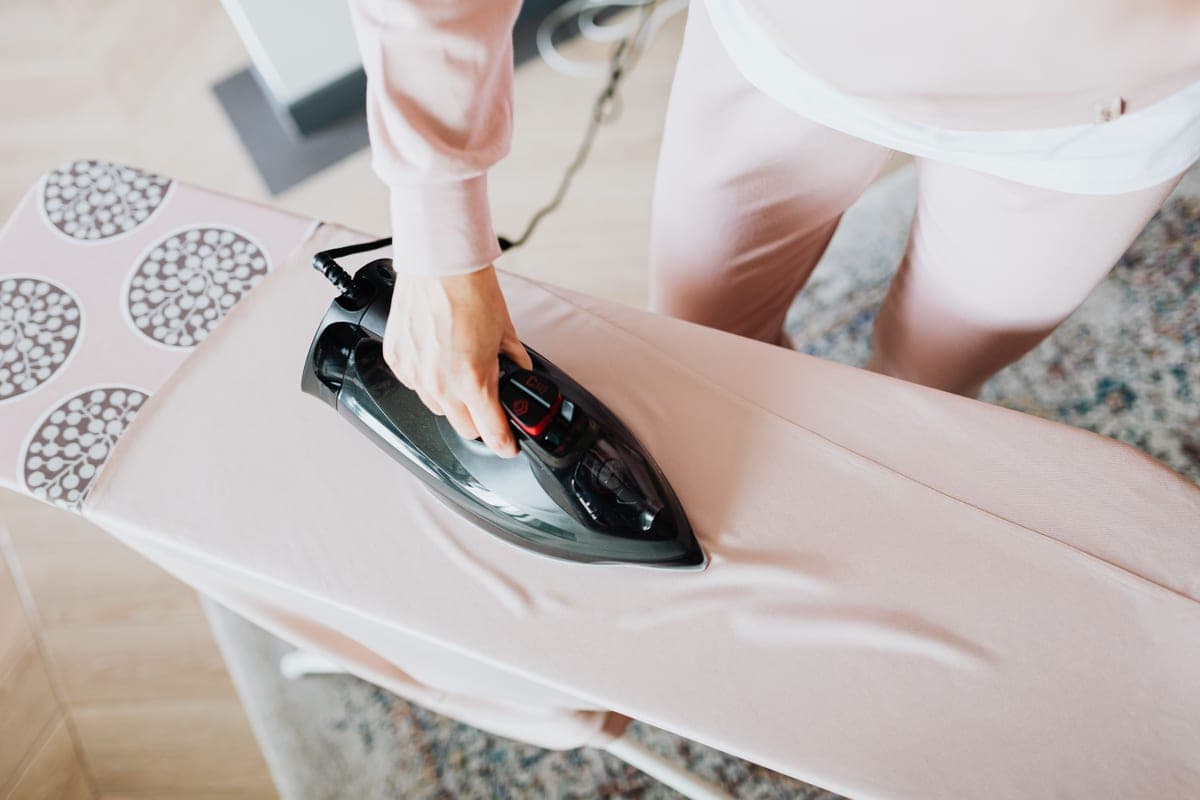 Cricut EasyPress MiniA specialist, not a first press — it goes where a flat plate cannot, and it is far too small to press a shi... | Occasional hats on a budget | Check price on Amazon #ad · affiliate link · we never show a price we cannot verify |
| 3 | 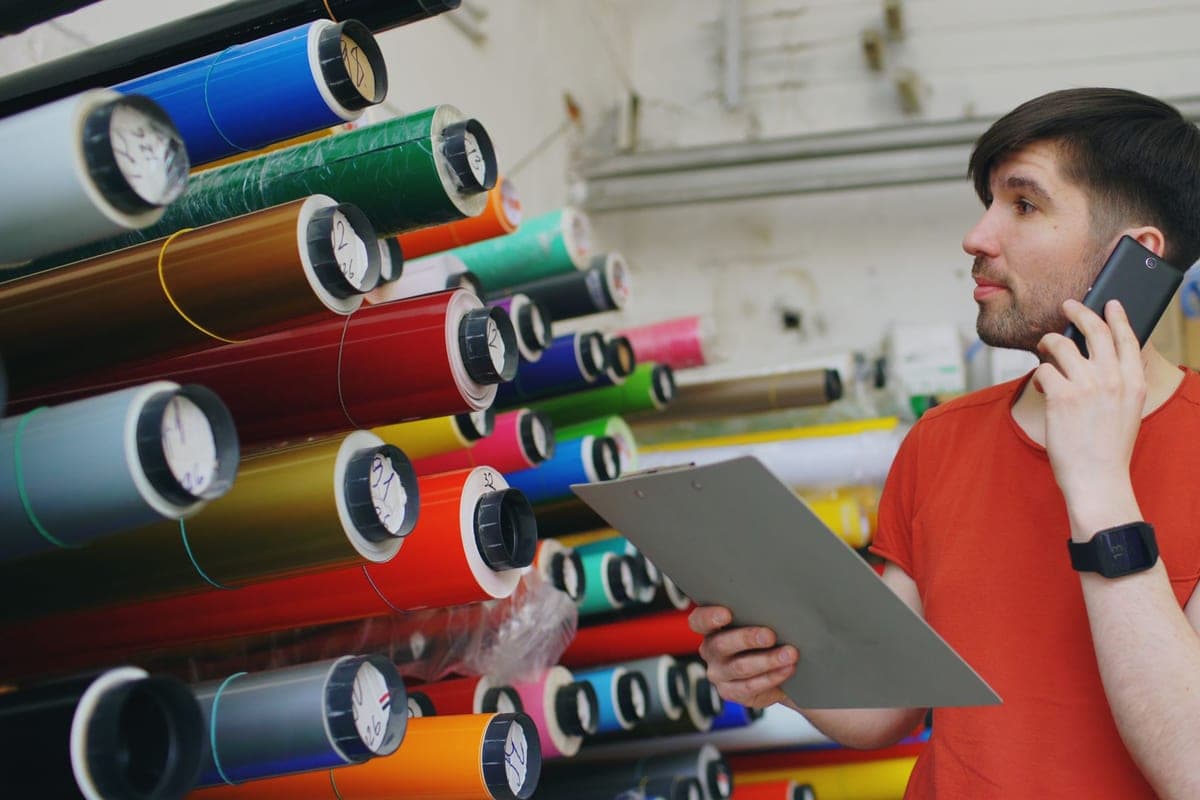 Siser EasyWeed HTVThe default heat transfer vinyl for beginners: it weeds cleanly, presses at a forgiving temperature, and is... | The material for caps | Check price on Amazon #ad · affiliate link · we never show a price we cannot verify |
Tap any row to jump to the full write-up. We do not publish prices — they move constantly, and a stale number is worse than none.
Why flat presses fail on caps
Put a ruler across the front of a baseball cap and the gap at the edges is obvious. A flat heat plate makes contact along a narrow band in the middle of that curve, and everywhere else the plate is simply not touching the fabric.
Heat transfer vinyl needs three things at once: temperature, time and pressure. Where the plate is not touching, there is no pressure and reduced heat, so the vinyl in those areas never properly bonds. It usually looks fine coming off the press — and then the edges of the design lift after a few wears, which people mistake for bad vinyl.
How we picked
Ranked by whether the press can make even contact across a curved cap front, which is the single determining factor for this job. We include the compromise option honestly rather than pretending a mini press is equivalent to a cap platen. Our methodology.
The options in full
1. Best for hats, properly
Curved Hat Heat Press
Various · Currently sold · Verified 2026-09-27
A curved platen shaped to match a cap crown, which is the only way to get even pressure across a cap front. A flat plate touches the middle and leaves the edges of a design without contact, so they lift. If hats are a regular part of what you make, this is the correct tool rather than an upgrade, and it is relatively cheap for a dedicated machine.
What works
- Even pressure across a curved cap front, which nothing flat achieves
- Much faster and more reliable than an EasyPress Mini on hats
- Relatively cheap for a dedicated tool
What does not
- Single-purpose — it presses hats and nothing else
- Another permanent item on the bench
Not for you if
You make one or two hats a year. An EasyPress Mini will get you through that without a second machine.
Key specs
- Type
- Curved-platen cap press
- Platen
- Curved to match a cap crown
- Typical use
- Baseball caps, beanies with a flat front panel
- Flat items
- No — this presses caps and nothing else
#ad · affiliate link · we never show a price we cannot verify
2. Best for occasional hats on a budget
Cricut EasyPress Mini
Cricut · Currently sold · Verified 2026-09-27
The workable compromise. Its small plate and pointed tip let you work around a cap's curve in sections, pressing small areas at a time rather than the whole design at once. Slower and fiddlier than a proper cap press, and entirely adequate for a handful of hats a year. If you make one or two, this saves you buying a second machine.
What works
- Reaches into seams and curves no full-size plate can touch
- Makes hats and shoes genuinely possible
- Very cheap relative to a full press
What does not
- Far too small to press a shirt front in one go
- Preset heat levels rather than a precise temperature
Not for you if
This is your only heat source. It cannot press a normal shirt design in an acceptable number of passes.
Key specs
- Type
- Miniature handheld heat press
- Plate
- Small, with a pointed tip for corners and seams
- Typical use
- Hats, shoes, pockets, seams, small patches
- Heat settings
- Three preset levels
#ad · affiliate link · we never show a price we cannot verify
3. Best for the material for caps
Siser EasyWeed HTV
Siser · Currently sold · Verified 2026-09-27
Caps are usually structured with a stiff front panel and often made from blends, so a forgiving HTV with published fabric guidance matters more than usual. Check the cap's fiber content before pressing — many are polyester or a blend and scorch at temperatures cotton tolerates.
What works
- Weeds more cleanly than almost anything else at this price
- Thin enough that a layered design does not feel like a plastic patch
- Siser publishes clear time and temperature guidance for it
- Sold in single sheets, so you can try three colors without buying three rolls
What does not
- Matte only — no gloss, glitter or specialty finish in the base line
- Sheets cost more per square inch than buying a roll
- Still needs real heat and pressure; a household iron gives mixed results
Not for you if
You want a glitter or holographic finish. That is a different Siser product line, not EasyWeed.
Key specs
- Type
- Heat transfer vinyl (HTV) — for fabric
- Fabric compatibility
- Siser rates it for cotton, polyester and cotton/poly blends
- Thickness
- Thin — around 90 microns
- Carrier
- Pressure-sensitive clear carrier sheet
- Finish
- Matte
#ad · affiliate link · we never show a price we cannot verify
Pressing a cap without a cap press
If you are making one or two hats and a dedicated machine is not worth it, this works.
1Keep the design small and central
Work within the flattest part of the front panel. A large design that wraps toward the seams is where the compromise breaks down — stay well inside it.
2Check the cap's fiber content
Many caps are polyester or a blend, which scorches at temperatures cotton handles. Use the lower published setting for your material and test on an inconspicuous spot if you are unsure.
3Support the crown from inside
Stuff the cap with a rolled towel or a heat-safe form so the front panel is held taut and slightly flattened. Without support the fabric gives under the press and contact gets worse rather than better.
4Press in sections with a mini press
Work across the design in small overlapping areas rather than trying to cover it in one go. Hold each area for the full published time — a quick pass over each section is not the same thing.
5Mind the seam and the button
The center seam and the top button are raised, and pressing over them creates a high spot that takes pressure away from everywhere else. Design around them where you can.
Is a dedicated cap press worth it?
If you make hats regularly, yes without much hesitation — they are relatively inexpensive for a dedicated machine, and the alternative is a slow, fiddly process with a meaningfully higher failure rate. If hats are an occasional request, a mini press and the technique above will get you through without a second machine on the bench.
The honest middle position: if you are selling hats, buy the cap press. A design that lifts after a few wears is a customer complaint, and the compromise method's failure rate is too high to build a product on.
General heat press options if you still need a main press, and the temperature guide for the settings.
Common questions
Can you use a regular heat press on hats?
What kind of heat press do you need for caps?
Can I use a Cricut EasyPress Mini on hats?
Why does my hat design peel at the edges?
Are structured or unstructured caps easier to press?
Sources
- Siser application guidance — Pressure and contact requirements for heat transfer vinyl, verified 27 September 2026
- Cricut heat press product information — EasyPress Mini specifications and intended uses, verified 27 September 2026
How we picked
We verify every product is currently sold by reading the manufacturer's own catalog, compare published specifications rather than marketing copy, and rank on what a first-time buyer has to decide. We do not run lab tests and we do not claim to, and commission never affects the order.
Read this next
The Best Heat Press for Beginners
Handheld or clamshell, which suits your volume and space, and when you need no press at all.
Heat Press Temperature Guide
Published time and temperature figures by material, sourced — plus the three variables that matter more.
How to Use HTV
The full HTV process from cut to peel, plus a troubleshooting section for when it does not stick.
The Best Heat Press for T-Shirts
Presses sized for real adult shirt designs, ranked by plate coverage and pressure consistency.
Back to Heat Presses.