Cricut EasyPress Mini Review
It is a palm-sized press with a pointed tip, and it exists to reach the places a flat plate cannot. Judge it on that, not on shirts.
Heads up: Mat & Blade earns a commission from qualifying purchases made through the links on this page, at no extra cost to you. It never changes which products we recommend or how we rank them. Read the full disclosure.
The EasyPress Mini is a good specialist and a bad first press. It is a palm-sized handheld press with a small ceramic-coated plate and a pointed tip, three heat settings, a stated maximum of 400°F / 205°C, an insulated safety base and an auto-off. That specification is exactly right for hats, shoes, seams, pockets and small patches, and it is nowhere near enough for a shirt front — the plate is roughly 2 inches by 3 inches, so an adult chest design would take a dozen overlapping passes, and overlapping passes on fabric is how you get a visible press line and a half-bonded transfer.
What it is
A handheld heat press about the size of a computer mouse, with a heat plate listed at roughly 4.7 cm by 8.1 cm — a little under 2 inches by 3 inches — and a tapered tip at one end. Cricut gives it three heat levels rather than a numeric temperature dial, with a stated maximum of 400°F / 205°C, and it sits in an insulated base when you put it down. There is no timer and no pressure mechanism: you provide both, which is the defining fact about using it.
That lack of a dial is worth being clear about. Three preset levels is coarser than the published settings for most materials, which are given as specific numbers. In practice you match the level to the material's range and test on a scrap, which is more trial-and-error than a press with a set temperature and a countdown. For small, simple designs that is an acceptable trade; for anything where the setting has to be exact, it is a real limitation.
The three jobs it genuinely solves
1. Curved panels — hats and shoes
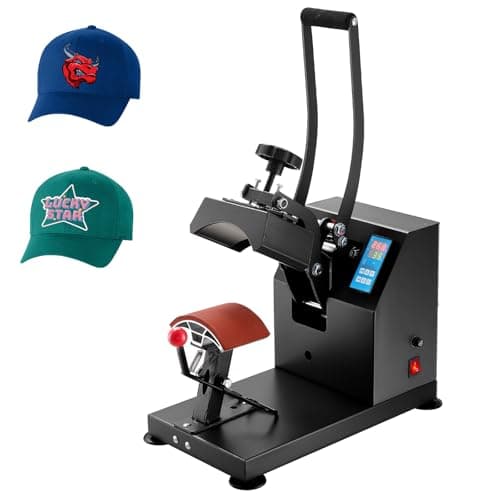
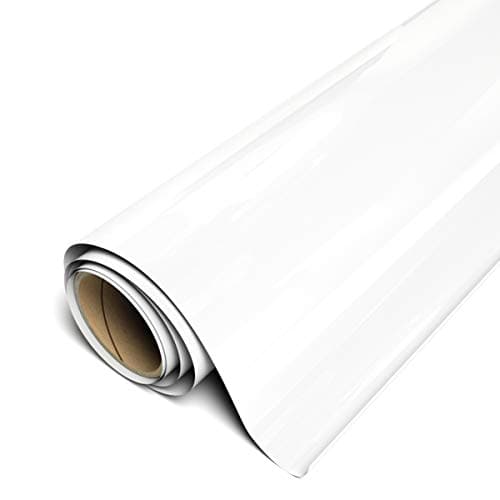
A flat plate on a curved hat panel touches in the middle and lifts at the sides, so the design bonds in a stripe. The Mini is small enough to sit inside the curve and the tip reaches into the corner where the panel meets the seam. That is the entire reason it exists, and on this job it is the cheapest working answer short of a dedicated curved hat press. The best hat heat press covers when to step up to the dedicated machine, and the best HTV for hats covers the material side of the same project.
2. Seams, hems and pockets
A full plate pressed over a pocket or a side seam does two bad things at once: it presses the garment's own seam into the design, and it loses contact in the dip next to the raised edge. With a small plate you can work alongside a seam rather than over it. The pointed tip is the part that earns the money — it gets heat into a corner a rectangular plate cannot approach.
3. Small items with no flat area
Baby clothes, masks, coasters, patches, luggage tags, the toe of a canvas shoe. These are projects where a full press is awkward rather than impossible, and where the small plate plus a firm mat is simply the pleasanter way to work. It is also genuinely portable, which matters if you press at a craft fair or a kitchen table rather than a dedicated bench.
Where it falls short
- It cannot press a shirt design. The plate is about 2 by 3 inches. Covering an adult chest design means many overlapping passes, uneven dwell time across the design, and a visible line where passes meet.
- No timer. You count, and your count drifts. For a 15 second press that matters more than it sounds.
- No pressure mechanism. All pressure is yours, which means results vary with how tired you are and what surface you are pressing on.
- Three preset levels, not a temperature. Coarser than the published settings for most materials, so expect to test on a scrap.
- Small plate, slow work. Even on the jobs it is good at, a hat panel takes several placements rather than one press.
- It is a second purchase. Almost everything it does well assumes you already own something that presses flat work properly.
Who it is for
Someone who already has a working heat source for flat work and has run into the limits of it. If you have tried to put a design on a cap, pressed a pocket and watched the seam emboss itself through the vinyl, or given up on a pair of canvas shoes, the Mini is a small purchase that opens all three projects. It is also a sensible buy for anyone selling at markets, where portability and a quick heat-up matter.
It suits beginners in one specific case: when the projects you actually care about are small from the start. If your plan is onesies for a new baby, name tags on school gear and a hat, the Mini plus a firm mat is a complete setup and you can skip the full-size press for now. Be honest with yourself about whether a shirt is really off the list, because that is the line where this stops working.
Who it is not for
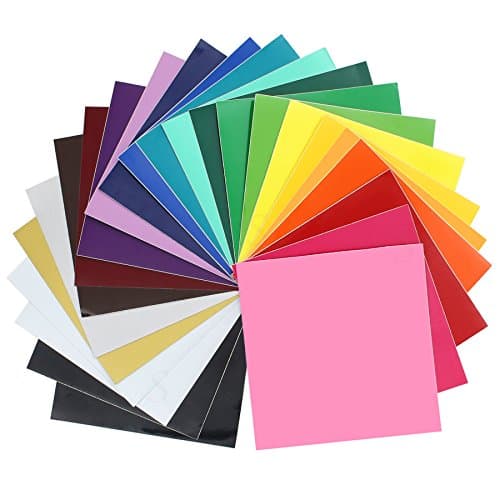
Anyone whose first project is a t-shirt, and anyone hoping this is the cheap way to avoid buying a real press. It is not. A budget clamshell or a full-size EasyPress costs more and does the central job properly, and starting with the Mini usually means buying twice. Do you need a heat press covers the honest minimum for fabric work, and the best budget heat press covers the cheapest press that genuinely presses shirts.
Using it well
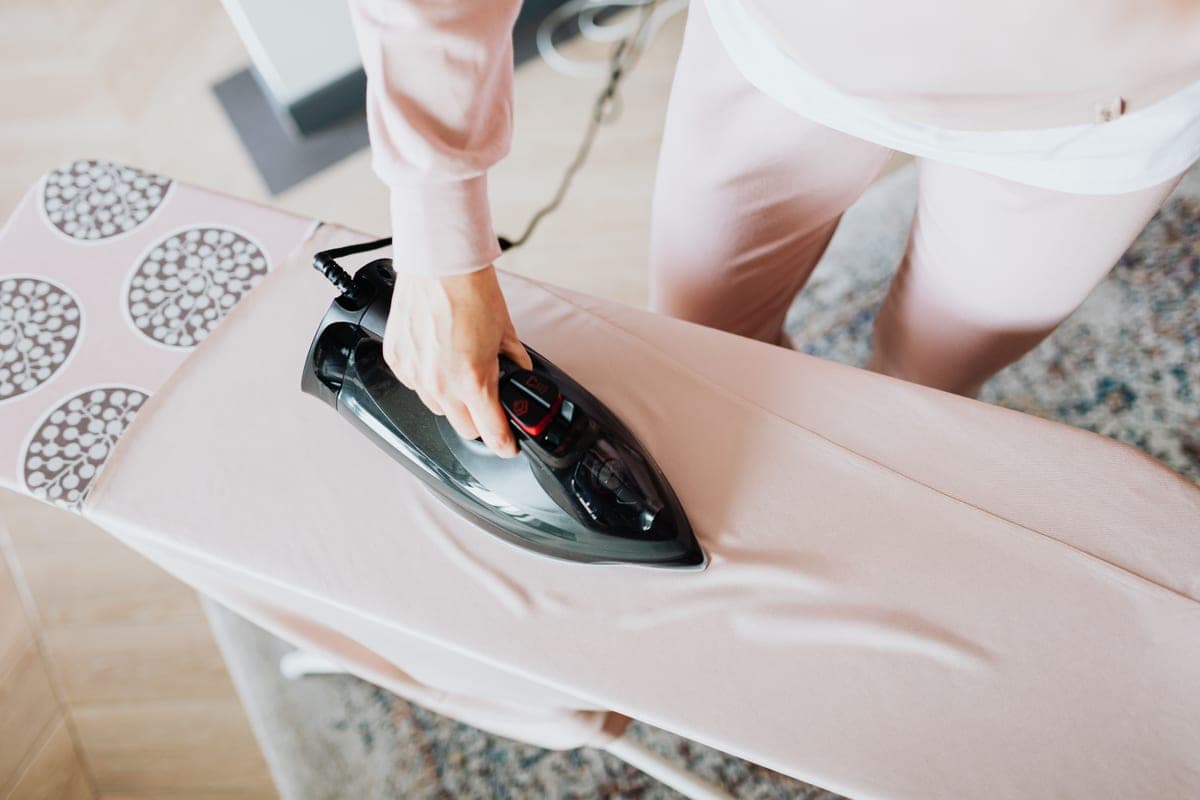
- Press on a firm surface. A heat press mat or a hard board, never a soft ironing board. Hand pressure on a soft surface is the single biggest cause of lifted corners with any handheld press.
- Pre-press the blank. A few seconds of heat drives out moisture and flattens the fabric. On a hat, it also flattens the panel you are about to work on.
- Work in overlapping placements, with the design small. Keep designs inside roughly the plate footprint where you can. If a design needs two placements, overlap them and accept that this is the compromise.
- Use a timer on your phone. There is no timer in the press, and counting in your head is not accurate enough for a 15 second press.
- Match the heat level to the material's published range, then test. Three levels is coarse. A scrap of the same material tells you more than any chart — the figures in the heat press temperature guide are the starting point.
- Peel as the carrier says. Hot peel or cold peel is a property of the vinyl, not of the press, and getting it wrong lifts the design.
The verdict
Judged as what it is — a specialist tool for curves, seams and small items — the EasyPress Mini is a sensible, cheap, genuinely useful purchase, and the pointed tip does something no other press in this price range does. Judged as a heat press, it is not one: no timer, no pressure, three coarse heat levels and a plate too small for the job most people buy a press for. Buy it second, buy a firm mat with it, and it will earn its space in a drawer. Buy it first and you will be buying a real press within a month.
One thing it does reach the temperature for is Cricut Infusible Ink, which needs 400°F and is the cheapest route to a sublimated design if you already own a cutting machine — though the small plate again limits you to small items. Infusible Ink versus sublimation covers whether that route suits you at all.
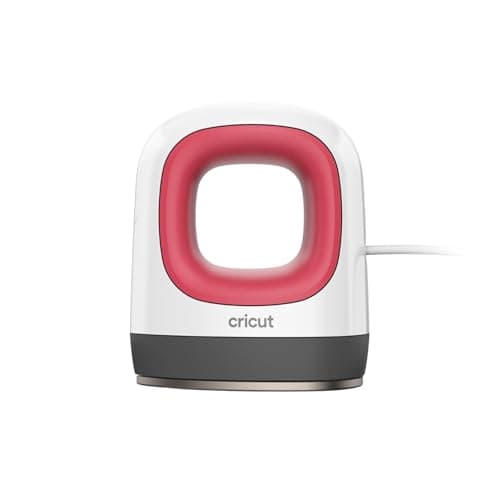
1. Best for hats, shoes, seams and anything a flat plate cannot reach
Cricut EasyPress Mini
Cricut · Currently sold · Verified 2026-09-27
Bought for what it is, this is one of the better-value items in the Cricut range. The pointed tip and the small ceramic-coated plate get heat onto a curved hat panel, a shoe, a pocket seam, a sleeve hem or a baby onesie — places where a full-size plate either does not fit or presses the garment's own seams into the design. It reaches 400°F, which is enough for heat transfer vinyl and for Infusible Ink, and it heats in well under a minute. Bought as a first or only press, it is the wrong purchase, and no technique fixes that.
What works
- Reaches into seams and curves no full-size plate can touch
- Makes hats and shoes genuinely possible
- Very cheap relative to a full press
What does not
- Far too small to press a shirt front in one go
- Preset heat levels rather than a precise temperature
Not for you if
This is your only heat source. It cannot press a normal shirt design in an acceptable number of passes.
Key specs
- Type
- Miniature handheld heat press
- Plate
- Small, with a pointed tip for corners and seams
- Typical use
- Hats, shoes, pockets, seams, small patches
- Heat settings
- Three preset levels
#ad · affiliate link · we never show a price we cannot verify
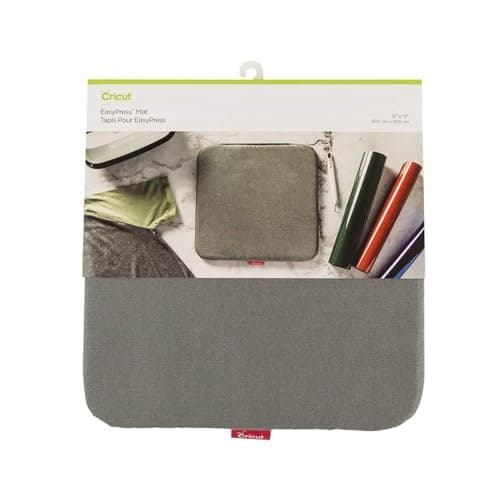
2. Best for the thing that makes a handheld press work at all
Cricut EasyPress Mat
Cricut · Currently sold · Verified 2026-09-27
A handheld press only applies the pressure you push into it, and a soft ironing board absorbs most of that. A firm heat-resistant mat gives you a surface that pushes back, which is what turns hand weight into even contact. With the Mini it does a second job: you can hang the bulk of a hat or a shoe off the edge of the mat so only the panel you are pressing sits under the plate. If you buy the Mini and nothing else, buy this too.
What works
- Turns an uneven surface into an even one, which is most of a good press
- Protects the table underneath
- Costs very little relative to the failures it prevents
What does not
- One more thing to store
- Does not fix pressure that is simply too light
Not for you if
You have a clamshell press with a proper lower platen. The platen already does this job.
Key specs
- Purpose
- Firm heat-resistant base that concentrates pressure into the design
- Why it matters
- Absorbs seams and zips so the design sits flat
- Sizes
- 12 in x 12 in; Cricut also lists a 16 in x 20 in mat
Price as of November 12, 2026
#ad · affiliate link · we never show a price we cannot verify
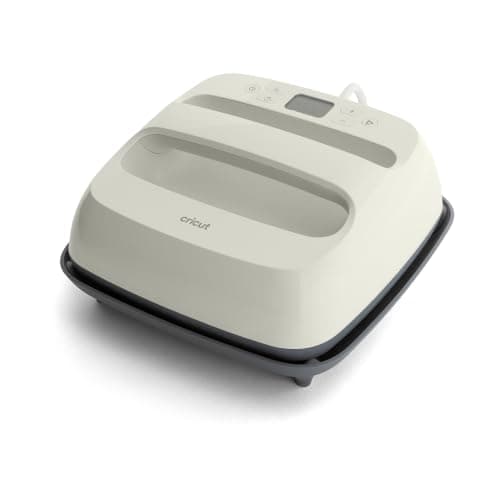
3. Best for the press that should come first
Cricut EasyPress SE
Cricut · Currently sold · Verified 2026-09-27
If you do not already own a full-size heat source, this is the purchase that belongs ahead of the Mini. A full plate presses a shirt design in one shot at a set temperature and a timed cycle, which is the core job of a press and the thing the Mini explicitly cannot do. The SE's square plate and detached-handle design also makes it easier to put real weight through the middle of a design. Buy this first, then add the Mini when a hat or a seam makes you want one.
What works
- Holds a set temperature, which a household iron does not
- Even plate contact across the whole design
- Cricut's Heat Guide gives exact settings for it by material
- Stores away, which matters more than people expect
What does not
- You supply the pressure by leaning on it, so results depend on your technique
- Costs more than a comparably sized clamshell press
- Small plates mean multi-press passes on a big design
Not for you if
You are pressing more than a handful of shirts a week. Leaning on a handheld press twenty times an evening gets old fast — buy a clamshell.
Key specs
- Type
- Handheld heat press
- Plate sizes
- 12 x 10 in and 9 x 9 in in the SE line
- Temperature
- Set precisely; holds it, unlike a household iron
- Timer
- Built in, with an audible finish
- Storage
- Shelf or drawer — no permanent bench space
Price as of November 12, 2026
#ad · affiliate link · we never show a price we cannot verify
4. Best for the material the mini handles best
Siser EasyWeed HTV
Siser · Currently sold · Verified 2026-09-27
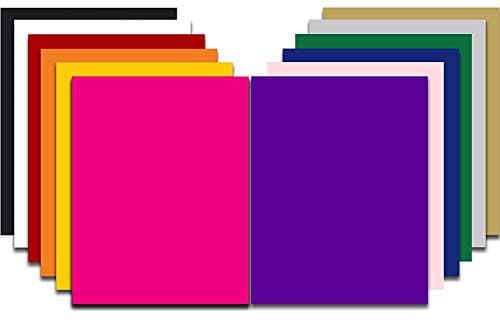
Small, simple designs are what a tiny plate presses well, and thin HTV with clean weeding is what makes small designs survive. Siser rates EasyWeed for cotton, polyester and poly-cotton blends, which covers hat panels, canvas shoes and onesies alike, and it weeds cleanly at the sizes you are working at here — which matters more than usual, because a letter that tears on a 2 inch design has cost you the whole design. Specialty glitter and thicker films are harder to get right with hand pressure.
What works
- Weeds more cleanly than almost anything else at this price
- Thin enough that a layered design does not feel like a plastic patch
- Siser publishes clear time and temperature guidance for it
- Sold in single sheets, so you can try three colors without buying three rolls
What does not
- Matte only — no gloss, glitter or specialty finish in the base line
- Sheets cost more per square inch than buying a roll
- Still needs real heat and pressure; a household iron gives mixed results
Not for you if
You want a glitter or holographic finish. That is a different Siser product line, not EasyWeed.
Key specs
- Type
- Heat transfer vinyl (HTV) — for fabric
- Fabric compatibility
- Siser rates it for cotton, polyester and cotton/poly blends
- Thickness
- Siser published 90 microns / 3.5 mils
- Application
- Siser lists 305°F for 10-15 seconds at medium pressure
- Carrier
- Pressure-sensitive clear carrier sheet
- Finish
- Semi-gloss — EasyWeed Matte is a separate Siser line
Price as of November 12, 2026
#ad · affiliate link · we never show a price we cannot verify
Common questions
Is the Cricut EasyPress Mini worth it?
How hot does the EasyPress Mini get?
Can you press a t-shirt with the EasyPress Mini?
Does the EasyPress Mini work on hats?
Do you need a mat with the EasyPress Mini?
EasyPress Mini or a full-size EasyPress?
Sources
- Cricut EasyPress Mini — retail specification listing — Confirmed the EasyPress Mini is a current product with three heat settings, a stated maximum of 205°C / 400°F, a ceramic-coated plate listed at 4.7 x 8.1 cm, an insulated safety base and auto-off - checked 15 October 2026
- Cricut EasyPress Mini — independent review — Independent review corroborating the plate size, the three heat levels and the intended use on small or odd-shaped projects such as shoes, hats and baby clothes - checked 15 October 2026
- Cricut Heat Guide — Cricut's published time, temperature and pressure settings by base material and press - checked 15 October 2026
How we picked
We verify every product is currently sold by reading the manufacturer's own catalog, compare published specifications rather than marketing copy, and rank on what a first-time buyer has to decide. We do not run lab tests and we do not claim to, and commission never affects the order.
Read this next
Cricut EasyPress Mini vs a Full-Size Press
What the EasyPress Mini is actually for, why it cannot be your only heat source, and how it compares to a full-size EasyPress and a clamshell press.
The Best Heat Press for Hats
Why caps need a curved platen, which presses do it, and the cheap compromise for occasional hats.
The Best HTV for Hats and Caps
Which HTV holds on a cap panel, why the curve and the seam decide the result, and the two heat sources that can actually press one.
Cricut EasyPress SE Review
The current EasyPress: accurate temperature, easy storage, and pressure that depends on you.
Do You Need a Heat Press?
When a heat source is genuinely required, when it is not, and what an iron can realistically do.
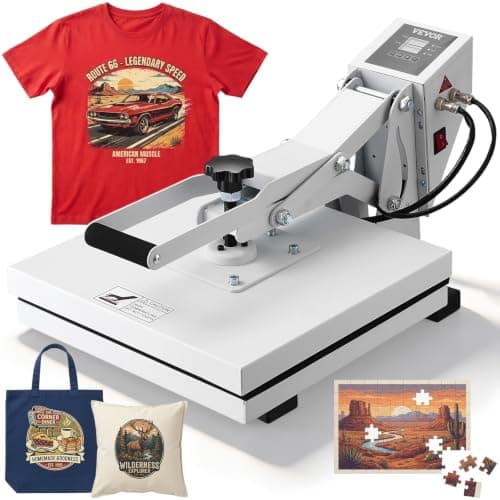
The Best Budget Heat Press
The cheapest presses that genuinely work, what you give up, and the check to run before trusting one.
Back to Heat Presses.