Cricut EasyPress SE Review
The easiest first heat source to live with, and clear about what a clamshell does better.
Heads up: Mat & Blade earns a commission from qualifying purchases made through the links on this page, at no extra cost to you. It never changes which products we recommend or how we rank them. Read the full disclosure.
The EasyPress SE is the easiest first heat source to live with, and the right pick if you make a handful of shirts a month. It holds temperature accurately, gives even plate contact, and stores in a cupboard. What it does not do is apply pressure for you — that is your arms, and consistency varies.
What it is
A handheld heat press: a flat heated plate with a handle, a precise temperature setting and a built-in timer with an audible finish. The SE line comes in a larger 12 by 10 inch plate and a smaller 9 by 9. You place the garment on a firm surface, position the design, set the temperature and time, and press down firmly for the duration.
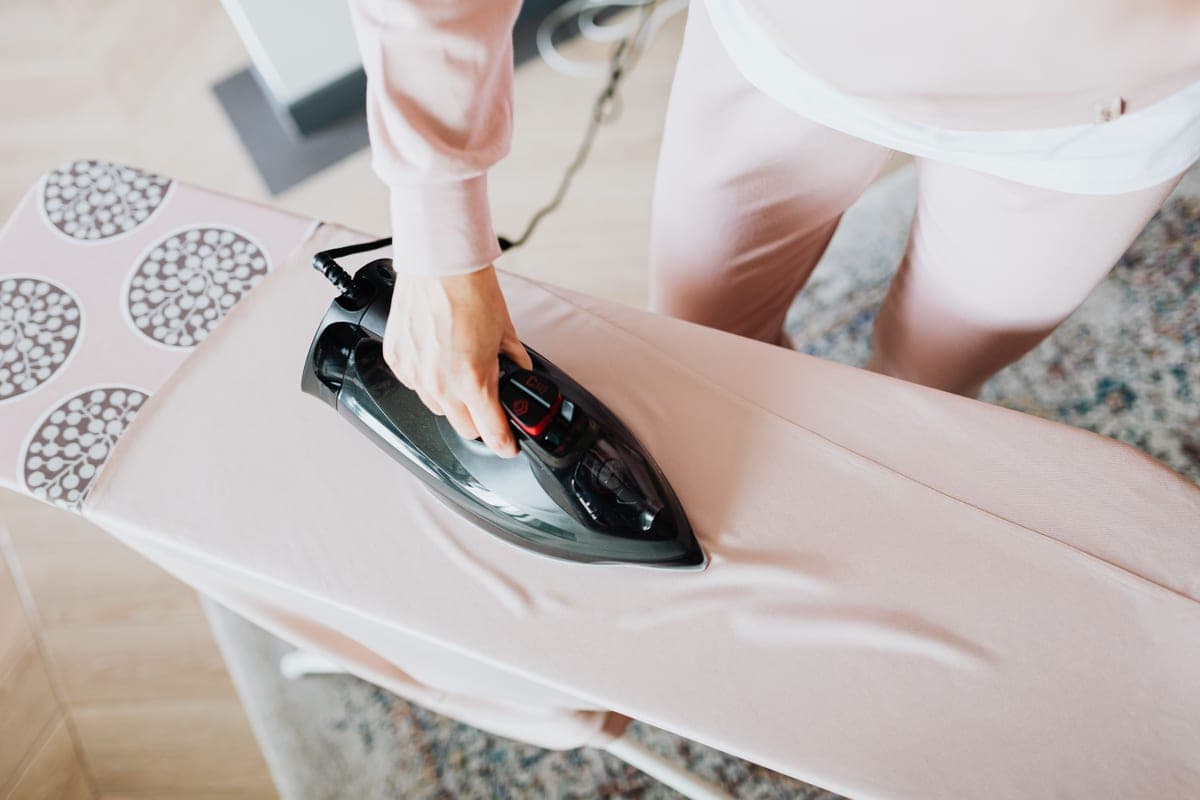
What it does better than an iron
The comparison that matters, because an iron is what most people would otherwise use.
| Household iron | EasyPress SE | |
|---|---|---|
| Temperature | Thermostat cycles — swings by tens of degrees | Holds a set value |
| Plate surface | Steam holes create uneven pressure | Flat and solid |
| Timer | None | Built in, audible |
| Settings guidance | None for craft materials | Published by material name |
| Plate size | Small, requires many passes | Covers most designs |
That is the whole case for buying one, and it is a good case. Most first-shirt failures come down to temperature or pressure being wrong, and this fixes one of those two outright.
Where a clamshell beats it
Pressure consistency, mainly. You supply the force by leaning on the plate, so how much pressure the design gets depends on your technique, your weight and how tired you are on the twelfth shirt. A clamshell's clamp applies the same pressure every single time.
That matters because an under-pressed design looks perfect and fails later. It sticks, peels cleanly, the shirt looks finished — and lifts at the corners on the third wash. If you are selling shirts, that failure mode is the argument for a clamshell. The full comparison.
Plate size is the other gap. A 15 by 15 clamshell covers an adult design with room to spare; the SE covers most designs and needs a second overlapping press for larger ones.
Who it is for
Anyone making a handful of shirts, bags or tea towels a month who does not have — or does not want to give up — permanent bench space. The storage point is not a minor convenience: a press you have to clear a table for is a press you use less often, and that quietly decides whether the hobby sticks.
It also suits anyone who wants fewer variables while learning. The published settings by material name are genuinely useful when you are not yet confident enough to know whether a number is wrong.
Who it is not for
Anyone pressing more than a handful of shirts in a session. Leaning on a handheld press twenty times an evening is tiring, and tired pressing is inconsistent pressing. It is also the wrong choice if you are selling, for the repeatability reason above.
And it is a poor fit for caps — a flat plate cannot make even contact on a curved crown, which needs a curved platen or a mini press.
The verdict
A well-judged product for its actual audience. It solves the temperature problem completely, it stores away, and its published settings remove a real source of beginner anxiety. It does not solve the pressure problem, and it is honest to say that a cheaper clamshell does — while taking a permanent table you may not have.
If you make a few things a month and space matters, buy it. If you are moving toward volume or selling, look at a clamshell instead.
1. Best for a first heat source that stores away
Cricut EasyPress SE
Cricut · Currently sold · Verified 2026-09-27
Holds a set temperature accurately, gives even plate contact, and goes back in a cupboard when you are done. Cricut's Heat Guide lists exact settings for it by material name, which removes the guesswork that makes a first shirt nerve-wracking.
What works
- Holds a set temperature, which a household iron does not
- Even plate contact across the whole design
- Cricut's Heat Guide gives exact settings for it by material
- Stores away, which matters more than people expect
What does not
- You supply the pressure by leaning on it, so results depend on your technique
- Costs more than a comparably sized clamshell press
- Small plates mean multi-press passes on a big design
Not for you if
You are pressing more than a handful of shirts a week. Leaning on a handheld press twenty times an evening gets old fast — buy a clamshell.
Key specs
- Type
- Handheld heat press
- Plate sizes
- 12 x 10 in and 9 x 9 in in the SE line
- Temperature
- Set precisely; holds it, unlike a household iron
- Timer
- Built in, with an audible finish
- Storage
- Shelf or drawer — no permanent bench space
#ad · affiliate link · we never show a price we cannot verify
2. Best for required, not optional, with this press
Heat Press Mat
Various · Currently sold · Verified 2026-09-27
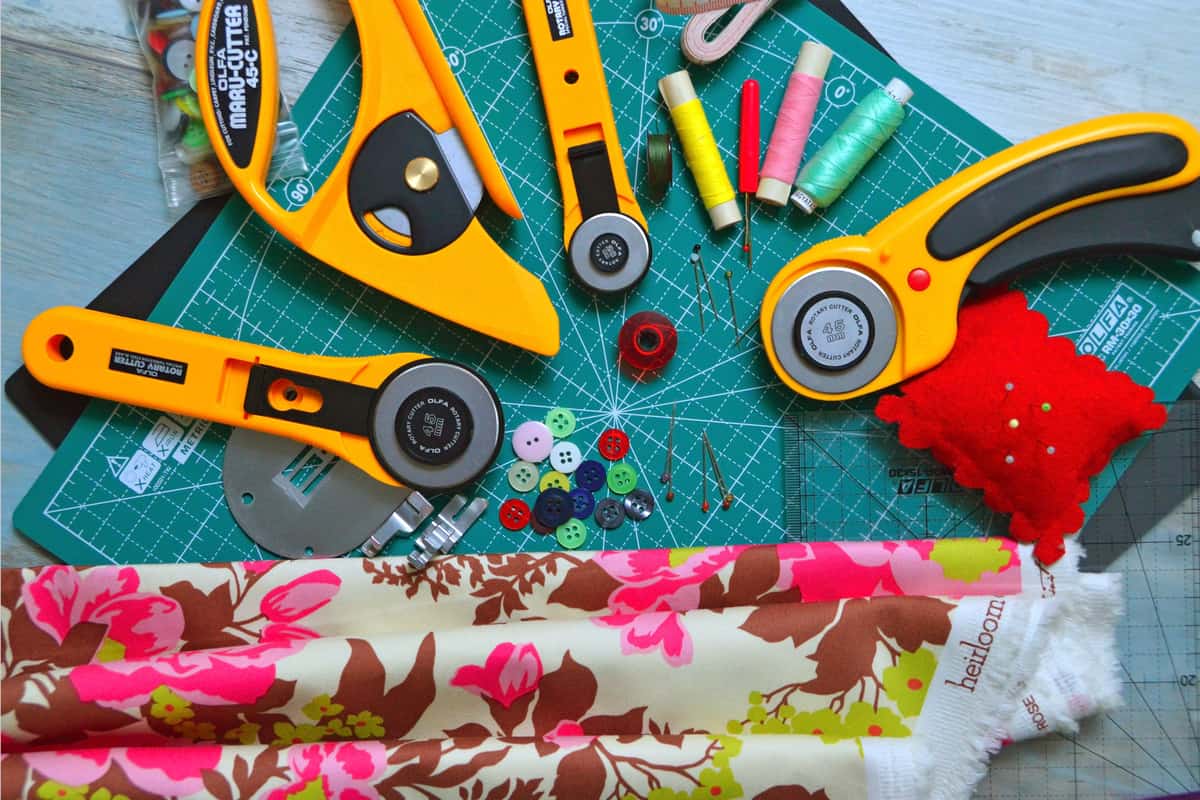
A handheld press relies entirely on the surface underneath for even pressure. On a padded ironing board, seams and hems absorb the pressure meant for the design. A firm mat is what makes this press perform as intended.
What works
- Turns an uneven surface into an even one, which is most of a good press
- Protects the table underneath
- Costs very little relative to the failures it prevents
What does not
- One more thing to store
- Does not fix pressure that is simply too light
Not for you if
You have a clamshell press with a proper lower platen. The platen already does this job.
Key specs
- Purpose
- Firm heat-resistant base that concentrates pressure into the design
- Why it matters
- Absorbs seams and zips so the design sits flat
- Sizes
- Sized to match common press plates
#ad · affiliate link · we never show a price we cannot verify
Common questions
Is the Cricut EasyPress SE worth it?
Is an EasyPress better than a heat press?
What size EasyPress SE should I get?
Do I need a mat with an EasyPress?
Can the EasyPress SE do hats?
Sources
- Cricut heat press product information and Heat Guide — EasyPress SE plate sizes, temperature control and published settings by material, verified 27 September 2026
How we picked
We verify every product is currently sold by reading the manufacturer's own catalog, compare published specifications rather than marketing copy, and rank on what a first-time buyer has to decide. We do not run lab tests and we do not claim to, and commission never affects the order.
Read this next
EasyPress vs Heat Press
Handheld or clamshell — the real trade-off between storage convenience and repeatable results.
The Best Heat Press for Beginners
Handheld or clamshell, which suits your volume and space, and when you need no press at all.
Cricut EasyPress vs HTVRONT
Two popular first presses compared, with the trade-off stated plainly rather than hedged.
Heat Press Temperature Guide
Published time and temperature figures by material, sourced — plus the three variables that matter more.
How to Use HTV
The full HTV process from cut to peel, plus a troubleshooting section for when it does not stick.
Back to Heat Presses.