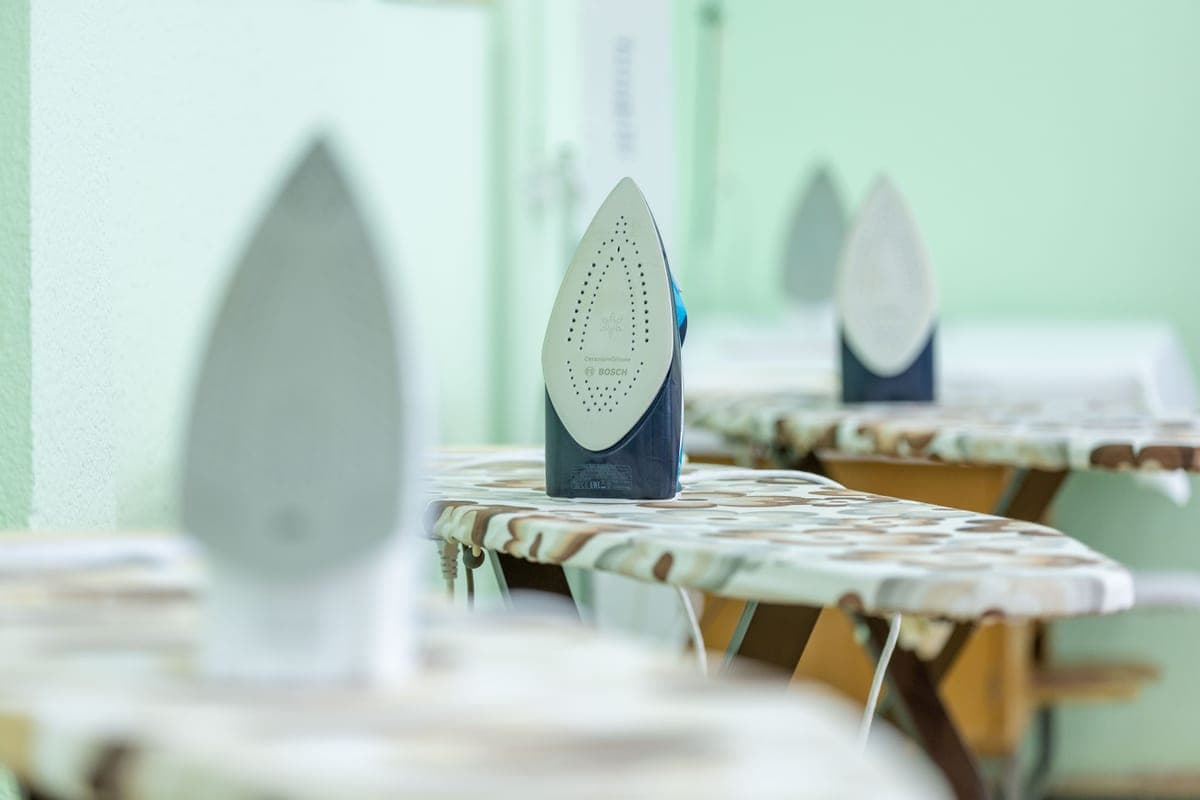
Heat Press vs Iron
An iron fails at both halves of the job. Here is exactly how, and when that still does not matter.
Heads up: Mat & Blade earns a commission from qualifying purchases made through the links on this page, at no extra cost to you. It never changes which products we recommend or how we rank them. Read the full disclosure.
A heat press wins, and the reason is specific: an iron holds neither a steady temperature nor even pressure. Its thermostat cycles on and off around an average, and its soleplate has steam holes, so parts of your design get less pressure than others. You can make a shirt with an iron — the failure rate is simply higher.
Quick picks
| # | Product | Best for | Price |
|---|---|---|---|
| 1 | 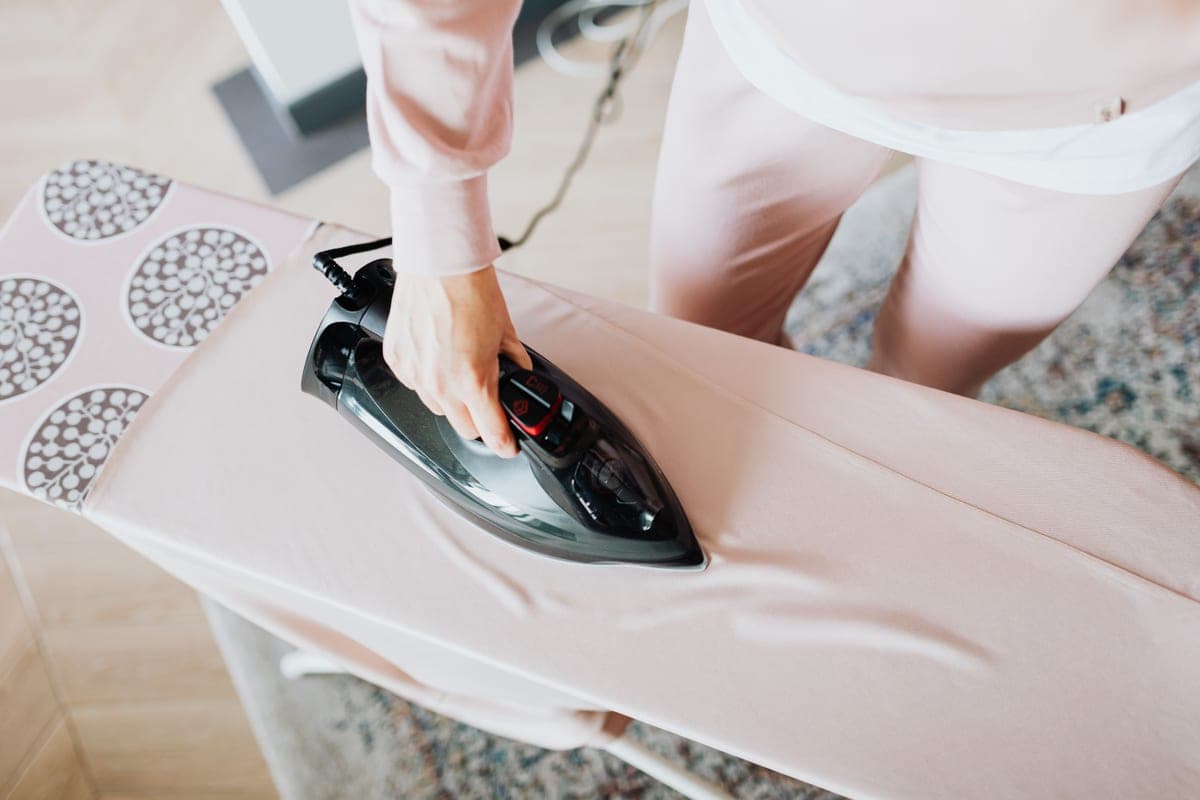 Cricut EasyPress SEThe current EasyPress and the easiest first heat source: controlled temperature, a flat even plate, and it ... | The first real upgrade | Check price on Amazon #ad · affiliate link · we never show a price we cannot verify |
| 2 | 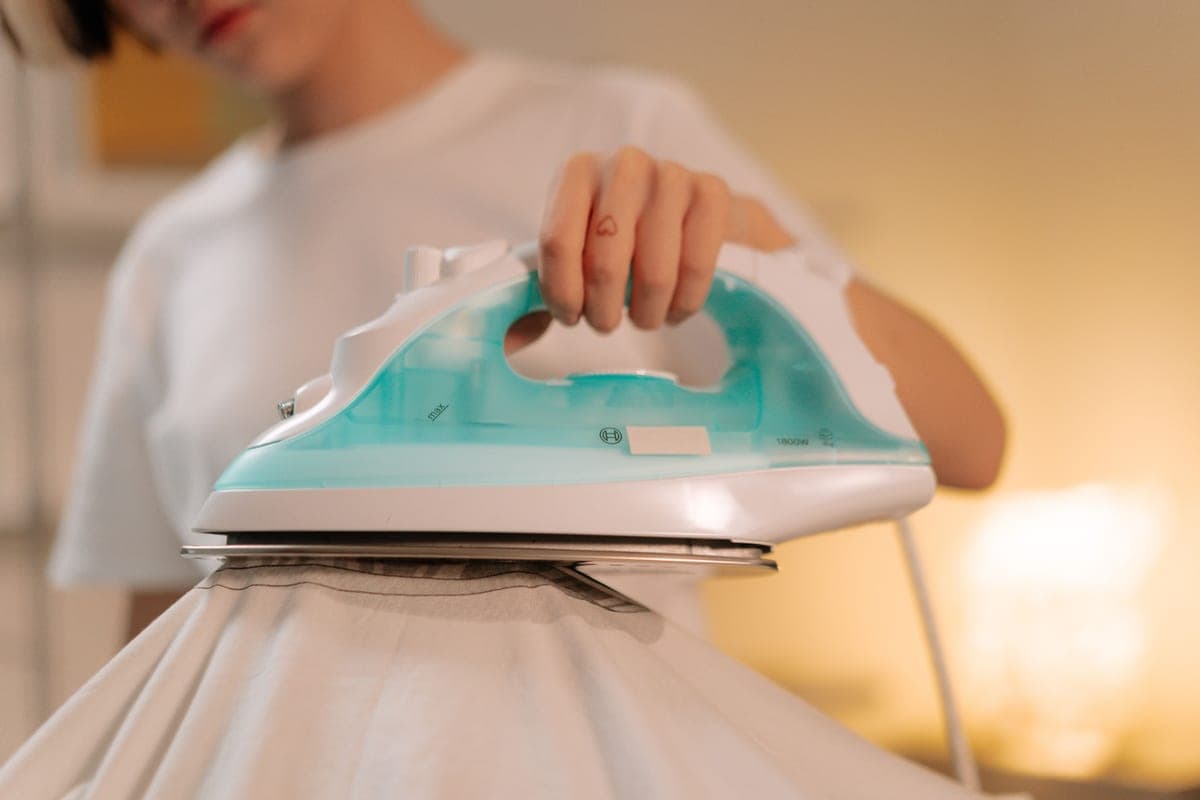 HTVRONT Auto Heat PressAn auto-open clamshell that removes the two things beginners get wrong — inconsistent pressure and forgetti... | If you have a table | Check price on Amazon #ad · affiliate link · we never show a price we cannot verify |
| 3 | 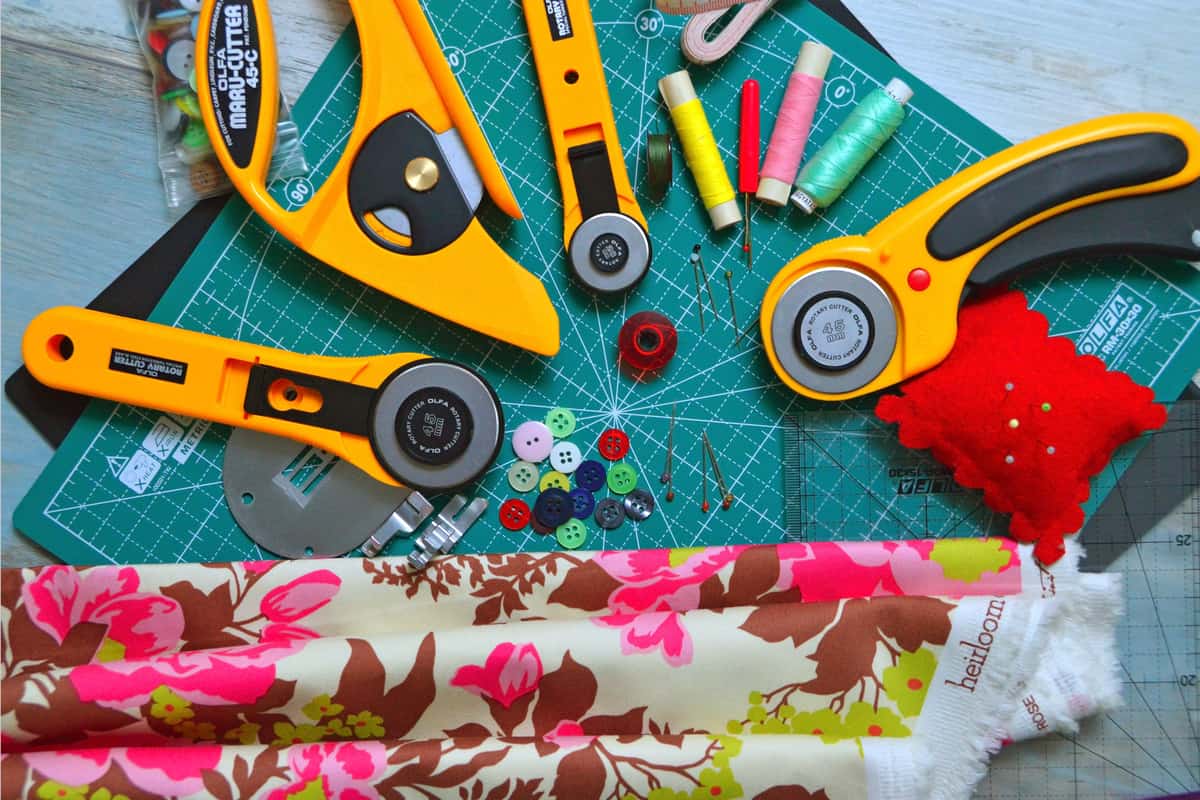 Heat Press MatThe cheap accessory that fixes most failed presses: it gives you a firm, even, heat-safe surface instead of... | Making an iron work better | Check price on Amazon #ad · affiliate link · we never show a price we cannot verify |
| 4 | 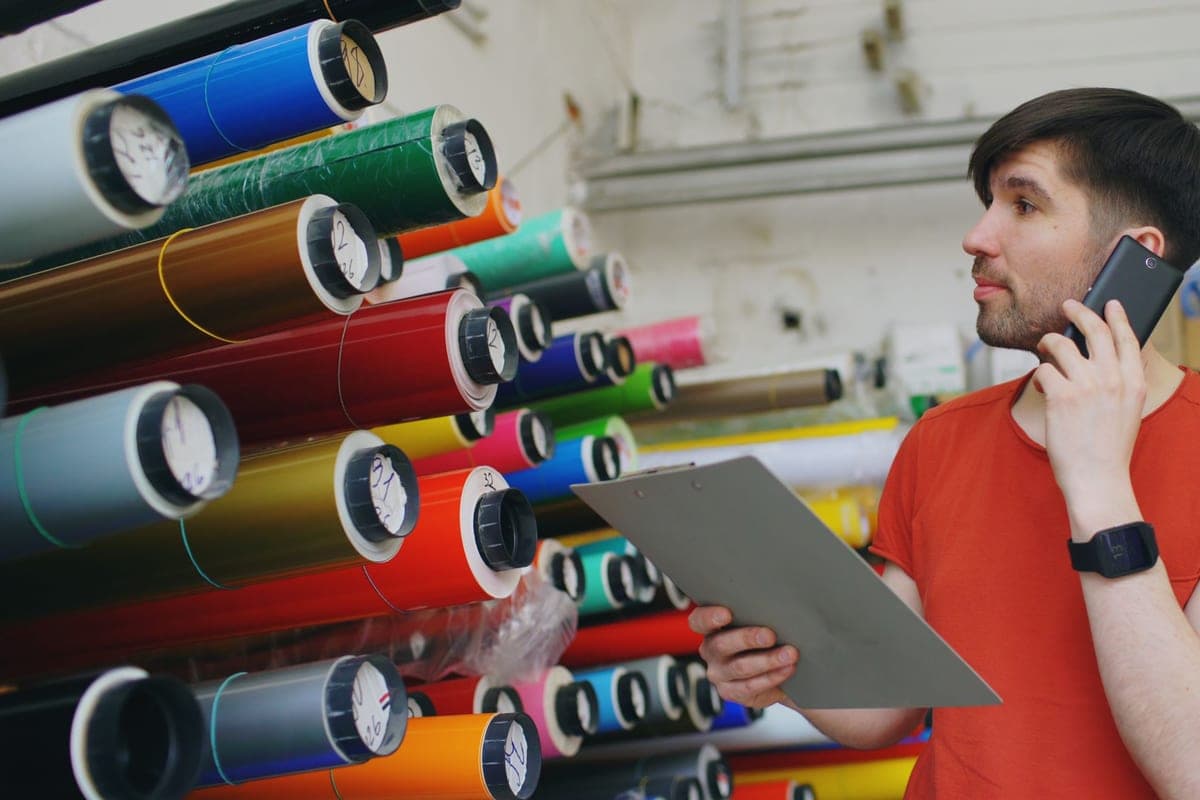 Siser EasyWeed HTVThe default heat transfer vinyl for beginners: it weeds cleanly, presses at a forgiving temperature, and is... | The most forgiving material | Check price on Amazon #ad · affiliate link · we never show a price we cannot verify |
Tap any row to jump to the full write-up. We do not publish prices — they move constantly, and a stale number is worse than none.
Side by side
| Household iron | Heat press | |
|---|---|---|
| Temperature | Cycles — swings by tens of degrees | Holds a set value |
| Plate surface | Steam holes — uneven pressure | Flat and solid |
| Pressure | Your arms, on a soft board | Your arms on a firm surface, or a clamp |
| Timer | None | Built in |
| Plate size | Small — many passes | Covers most designs |
| Settings guidance | None for craft materials | Published by material |
| Cost | You already own one | A real purchase |
| Storage | Trivial | Shelf or permanent table |
Why an iron actually fails
It is worth being precise rather than just asserting that irons are worse, because the failure is predictable and that makes it manageable.
Temperature. An iron's thermostat switches the element on and off to hold an average, so the plate temperature swings by tens of degrees around the number on the dial. Heat transfer adhesives activate within a range. If part of your press happened during a trough, part of your design never reached activation temperature.
Pressure. The soleplate is perforated with steam holes, so the areas of a design sitting over holes receive noticeably less pressure. Ironing boards are also padded, which absorbs force rather than transmitting it into the design. Between them you get pressure that is uneven in ways you cannot see.
The result is a consistent, recognizable failure: the design adheres, looks finished, and lifts at the corners after a couple of washes.
Getting the most out of an iron
If you want to find out whether you enjoy making shirts before buying a press, this closes most of the gap.
1Turn steam off and empty the reservoir
Steam works directly against you, and moisture under a transfer prevents bonding. Empty it so nothing can release mid-press.
2Work on a firm surface
A wooden board or a firm heat-safe mat on a table, never a padded ironing board. This is the single biggest improvement available and it costs almost nothing.
3Set it high and let it stabilize
Use the highest steady setting the fabric tolerates, and give it several minutes rather than pressing the moment the light goes out.
4Pre-press the blank
Five seconds on the bare garment to drive out moisture and flatten the fabric before the design goes anywhere near it.
5Press, do not iron
Push straight down with your body weight and hold. Sliding shifts the design and applies uneven force — this is the habit most people have to unlearn.
6Work in overlapping sections
An iron's plate is small, so press one area at a time for the full duration and overlap, rather than sweeping across the design.
7Use a cover sheet
Parchment between the iron and the carrier prevents scorching and stops the carrier sticking to the soleplate.
When an iron is genuinely fine
- Finding out whether you enjoy this. A few shirts to test the water, before committing to a press.
- Small simple designs. A chest logo in bold shapes is far more tolerant than a large detailed one.
- Items that will not be washed often. A tote bag, a cushion cover, a display piece.
- A one-off. For a single gift, buying a press to make it is not sensible.
The verdict
Buy the press. Not because an iron never works — it does, often enough to be tempting — but because its failures are invisible at the moment you make the item and show up in the wash, which is the worst possible time to discover them.
The honest exception is genuine uncertainty. If you are not sure you will enjoy this, an iron plus a firm mat and forgiving material is a reasonable way to find out for almost nothing. Just treat the results as a trial rather than a standard, and move to a press the moment you decide to keep going. Which press to buy first.
1. Best for the first real upgrade
Cricut EasyPress SE
Cricut · Currently sold · Verified 2026-09-27
The smallest step from an iron that actually fixes something. It holds a set temperature rather than cycling around one, and its solid plate applies even contact where a soleplate's steam holes cannot. It also stores in a cupboard, which is the main reason people stay on an iron in the first place.
What works
- Holds a set temperature, which a household iron does not
- Even plate contact across the whole design
- Cricut's Heat Guide gives exact settings for it by material
- Stores away, which matters more than people expect
What does not
- You supply the pressure by leaning on it, so results depend on your technique
- Costs more than a comparably sized clamshell press
- Small plates mean multi-press passes on a big design
Not for you if
You are pressing more than a handful of shirts a week. Leaning on a handheld press twenty times an evening gets old fast — buy a clamshell.
Key specs
- Type
- Handheld heat press
- Plate sizes
- 12 x 10 in and 9 x 9 in in the SE line
- Temperature
- Set precisely; holds it, unlike a household iron
- Timer
- Built in, with an audible finish
- Storage
- Shelf or drawer — no permanent bench space
#ad · affiliate link · we never show a price we cannot verify
2. Best for if you have a table
HTVRONT Auto Heat Press
HTVRONT · Currently sold · Verified 2026-09-27
The upgrade that fixes both problems at once. A clamp supplies identical pressure every press, which neither an iron nor a handheld plate can do, and auto-open removes the scorch that happens when attention wanders. If bench space is available, this skips the intermediate step entirely.
What works
- Clamp pressure is repeatable in a way hand pressure never is
- Auto-open removes the most common scorch mistake
- A 15 x 15 in plate presses an adult front design in one go
What does not
- Heavy, and it needs permanent bench space
- Louder and more industrial than an EasyPress
- Overkill if you make a few shirts a year
Not for you if
You have no dedicated table. This is not a machine you clear away between projects.
Key specs
- Type
- Auto-open clamshell heat press
- Plate size
- Typically 15 x 15 in on the full-size model
- Pressure
- Adjustable clamp — consistent every press
- Auto-open
- Yes — lifts itself when the timer ends
- Bench space
- Permanent — this does not go in a drawer
#ad · affiliate link · we never show a price we cannot verify
3. Best for making an iron work better
Heat Press Mat
Various · Currently sold · Verified 2026-09-27
The cheapest single improvement if you are staying on an iron for now. Most of an iron's pressure problem is the surface underneath — a padded ironing board absorbs the force you apply and lets seams and hems take what is left. A firm heat-safe mat puts that pressure back into the design.
What works
- Turns an uneven surface into an even one, which is most of a good press
- Protects the table underneath
- Costs very little relative to the failures it prevents
What does not
- One more thing to store
- Does not fix pressure that is simply too light
Not for you if
You have a clamshell press with a proper lower platen. The platen already does this job.
Key specs
- Purpose
- Firm heat-resistant base that concentrates pressure into the design
- Why it matters
- Absorbs seams and zips so the design sits flat
- Sizes
- Sized to match common press plates
#ad · affiliate link · we never show a price we cannot verify
4. Best for the most forgiving material
Siser EasyWeed HTV
Siser · Currently sold · Verified 2026-09-27
If you are pressing with an iron, material choice does real work. A heat transfer vinyl that weeds cleanly and presses at a moderate, forgiving temperature tolerates the inconsistency an iron introduces better than a cheap or specialty film will.
What works
- Weeds more cleanly than almost anything else at this price
- Thin enough that a layered design does not feel like a plastic patch
- Siser publishes clear time and temperature guidance for it
- Sold in single sheets, so you can try three colors without buying three rolls
What does not
- Matte only — no gloss, glitter or specialty finish in the base line
- Sheets cost more per square inch than buying a roll
- Still needs real heat and pressure; a household iron gives mixed results
Not for you if
You want a glitter or holographic finish. That is a different Siser product line, not EasyWeed.
Key specs
- Type
- Heat transfer vinyl (HTV) — for fabric
- Fabric compatibility
- Siser rates it for cotton, polyester and cotton/poly blends
- Thickness
- Thin — around 90 microns
- Carrier
- Pressure-sensitive clear carrier sheet
- Finish
- Matte
#ad · affiliate link · we never show a price we cannot verify
Common questions
Can you use an iron instead of a heat press?
Why is a heat press better than an iron?
How do I use an iron for heat transfer vinyl?
Should I use steam when pressing HTV with an iron?
Can I sell shirts made with an iron?
Sources
- Siser application guidance — Heat, time and pressure requirements for heat transfer vinyl, verified 29 September 2026
- Cricut Heat Guide and material information — Iron-on application requirements, verified 29 September 2026
How we picked
We verify every product is currently sold by reading the manufacturer's own catalog, compare published specifications rather than marketing copy, and rank on what a first-time buyer has to decide. We do not run lab tests and we do not claim to, and commission never affects the order.
Read this next
Do You Need a Heat Press?
When a heat source is genuinely required, when it is not, and what an iron can realistically do.
The Best Heat Press for Beginners
Handheld or clamshell, which suits your volume and space, and when you need no press at all.
The Best Heat Press Machines
Every type of heat press machine ranked by who it genuinely suits, from handheld to large-format.
How to Use HTV
The full HTV process from cut to peel, plus a troubleshooting section for when it does not stick.
Heat Press Temperature Guide
Published time and temperature figures by material, sourced — plus the three variables that matter more.
Back to Heat Presses.