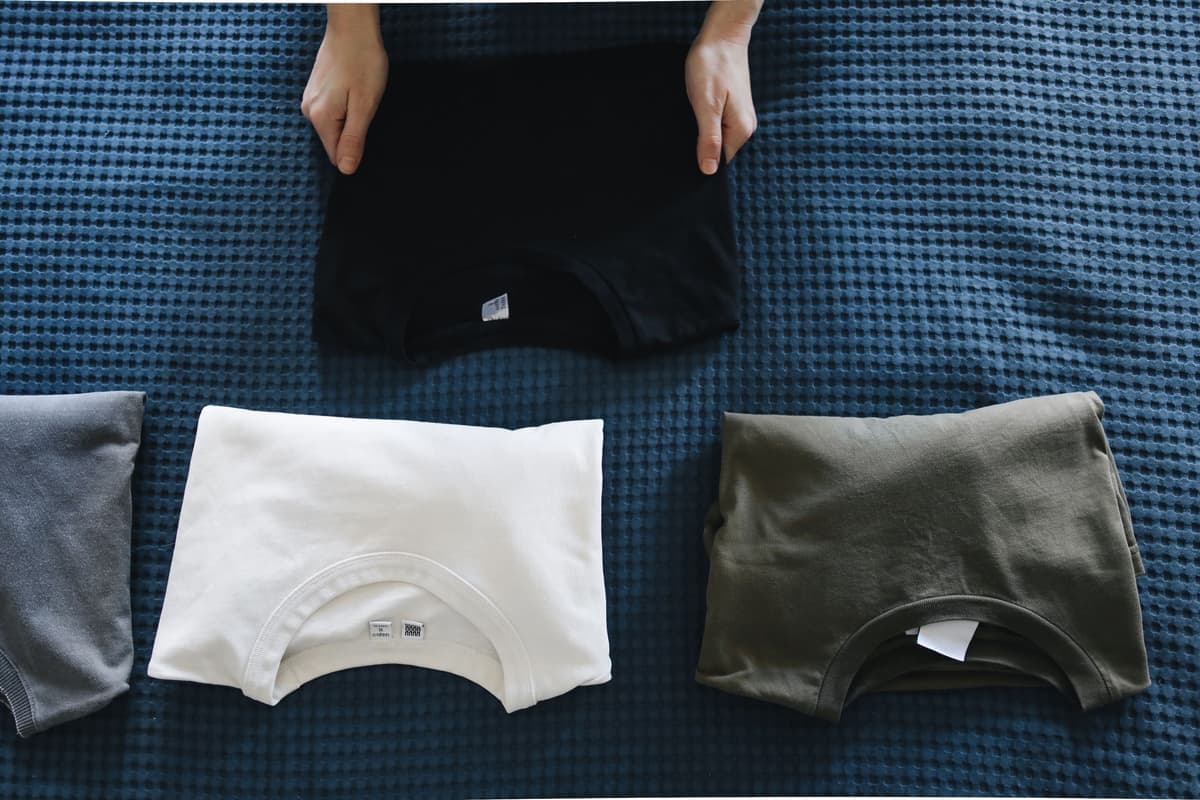
The Best Blank Shirts for HTV
A good design on a bad blank still looks like a bad shirt. Here is what to buy.
Heads up: Mat & Blade earns a commission from qualifying purchases made through the links on this page, at no extra cost to you. It never changes which products we recommend or how we rank them. Read the full disclosure.
Buy mid-weight cotton or cotton-rich blend blanks in ring-spun cotton. Heat transfer vinyl bonds best to them, every color works including dark, and a smoother knit gives the even contact a clean press needs. Heavy open-weave cotton and textured fabrics are where avoidable problems come from.
Quick picks
| # | Product | Best for | Price |
|---|---|---|---|
| 1 | Cotton Blank T-ShirtsHeat transfer vinyl is happiest on cotton or a cotton blend, and a mid-weight ring-spun tee presses better ... | Heat transfer vinyl | Check price on Amazon #ad · affiliate link · we never show a price we cannot verify |
| 2 | 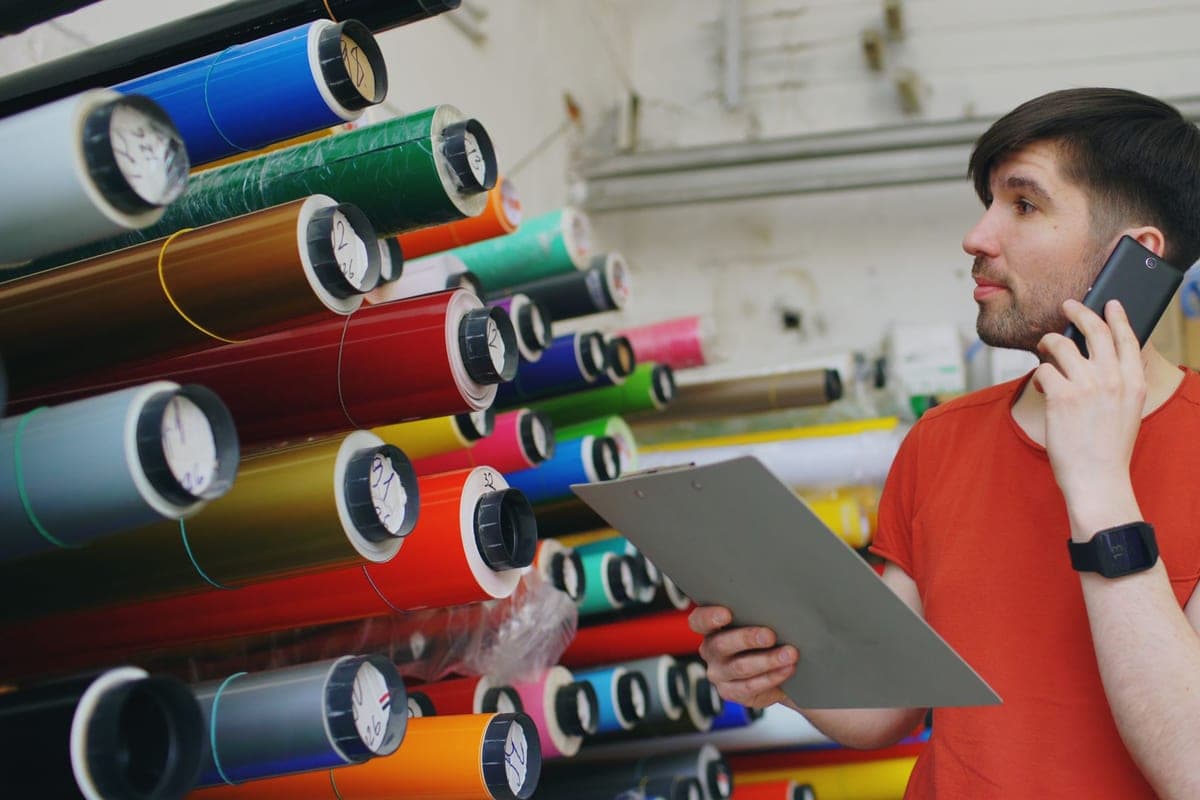 Siser EasyWeed HTVThe default heat transfer vinyl for beginners: it weeds cleanly, presses at a forgiving temperature, and is... | The material going onto it | Check price on Amazon #ad · affiliate link · we never show a price we cannot verify |
| 3 | Polyester Blank ShirtsSublimation bonds to polyester and only polyester — the blank matters more than the printer, and this is th... | Not this — read why | Check price on Amazon #ad · affiliate link · we never show a price we cannot verify |
| 4 |  Heat Press MatThe cheap accessory that fixes most failed presses: it gives you a firm, even, heat-safe surface instead of... | Making any blank press evenly | Check price on Amazon #ad · affiliate link · we never show a price we cannot verify |
Tap any row to jump to the full write-up. We do not publish prices — they move constantly, and a stale number is worse than none.
What actually matters in a blank
| Property | What to look for | Why |
|---|---|---|
| Fiber | Cotton or cotton-rich blend | HTV bonds well; any color works |
| Knit | Ring-spun or combed cotton | Smoother surface means even contact and a flatter design |
| Weight | Mid-weight | Heavy open-weave fabric has texture that prevents full contact |
| Surface | No brushed nap or heavy texture | Nap lifts between the vinyl and the fibers |
| Finish | No water-repellent or performance coating | Coatings actively resist adhesive |
| Color | Anything, including dark | This is HTV's advantage over sublimation |
How we picked
We ranked blanks by the properties that determine whether a press succeeds — fiber content, knit smoothness and surface finish — using material compatibility guidance published by the vinyl manufacturers, since it is their adhesive that has to bond. We do not name specific shirt brands because blank ranges change constantly and a brand recommendation goes stale faster than a specification does. Our methodology.
The picks in full
1. Best for heat transfer vinyl
Cotton Blank T-Shirts
Various · Currently sold · Verified 2026-09-27
Cotton and cotton-rich blends are what HTV is happiest on, and any color works — including dark, which is the main practical advantage HTV holds over sublimation. A mid-weight ring-spun tee presses flatter than a cheap heavy open-weave one, where the fabric texture prevents even contact and the design ends up with a slightly pebbled surface. Pre-press every blank for five seconds to drive out moisture before the design goes on.
What works
- Any color works, which sublimation cannot claim
- Soft and familiar to wear
- Cheap in multi-packs, so practice is affordable
What does not
- Cotton will not take sublimation ink at all
- Very heavy or textured cotton gives uneven HTV adhesion
- Needs a pre-press to drive out moisture before the design goes on
Not for you if
You are sublimating. Sublimation needs polyester, and cotton simply will not hold the ink.
Key specs
- Fabric
- Cotton or cotton/poly blend
- Works with
- Heat transfer vinyl — not sublimation
- Weight
- Mid-weight ring-spun presses flatter than heavy open-weave
- Color
- Any color, including dark — unlike sublimation
#ad · affiliate link · we never show a price we cannot verify
2. Best for the material going onto it
Siser EasyWeed HTV
Siser · Currently sold · Verified 2026-09-27
Pairs with almost any cotton or blend blank, and Siser publish fabric compatibility and settings you can follow. Worth matching deliberately: the shirt and the vinyl have to agree on a temperature, and polyester blanks scorch at temperatures cotton tolerates comfortably.
What works
- Weeds more cleanly than almost anything else at this price
- Thin enough that a layered design does not feel like a plastic patch
- Siser publishes clear time and temperature guidance for it
- Sold in single sheets, so you can try three colors without buying three rolls
What does not
- Matte only — no gloss, glitter or specialty finish in the base line
- Sheets cost more per square inch than buying a roll
- Still needs real heat and pressure; a household iron gives mixed results
Not for you if
You want a glitter or holographic finish. That is a different Siser product line, not EasyWeed.
Key specs
- Type
- Heat transfer vinyl (HTV) — for fabric
- Fabric compatibility
- Siser rates it for cotton, polyester and cotton/poly blends
- Thickness
- Thin — around 90 microns
- Carrier
- Pressure-sensitive clear carrier sheet
- Finish
- Matte
#ad · affiliate link · we never show a price we cannot verify
3. Best for not this — read why
Polyester Blank Shirts
Various · Currently sold · Verified 2026-09-27
Included as a deliberate contrast. Polyester blanks are what sublimation needs, and they are the harder choice for heat transfer vinyl because polyester scorches at lower temperatures than cotton. You can press HTV onto polyester using the material's lower published setting, but if you are choosing blanks freely for a vinyl project, cotton is the easier surface.
What works
- The only fabric sublimation genuinely bonds to
- Result has no hand feel at all — the design is in the fabric
- Will not crack or peel the way a vinyl transfer can
What does not
- White or near-white only — this is a hard physical limit
- 100% polyester feels different from a cotton tee
- Blends fade the design, which you may or may not want
Not for you if
You want a soft cotton shirt or a dark shirt. Use heat transfer vinyl instead — it works on both.
Key specs
- Fabric
- 100% polyester, or a high-polyester blend
- Color
- White or very light — dark fabric will not work
- Why polyester
- Sublimation ink bonds to polymer, not to cotton fiber
- Blend behavior
- A 65/35 blend gives a faded, vintage-looking result
#ad · affiliate link · we never show a price we cannot verify
4. Best for making any blank press evenly
Heat Press Mat
Various · Currently sold · Verified 2026-09-27
The accessory that fixes most uneven presses. Pressing on a padded ironing board lets seams, collars and hems absorb pressure meant for the design, which is why one corner lifts and the rest holds. A firm mat gives you a flat even base for very little money.
What works
- Turns an uneven surface into an even one, which is most of a good press
- Protects the table underneath
- Costs very little relative to the failures it prevents
What does not
- One more thing to store
- Does not fix pressure that is simply too light
Not for you if
You have a clamshell press with a proper lower platen. The platen already does this job.
Key specs
- Purpose
- Firm heat-resistant base that concentrates pressure into the design
- Why it matters
- Absorbs seams and zips so the design sits flat
- Sizes
- Sized to match common press plates
#ad · affiliate link · we never show a price we cannot verify
Fabrics that cause problems
- Performance and athletic fabrics with a water-repellent finish. The coating is designed to repel liquids, and it does the same to adhesive. Some are fine; check for a stated finish before buying in bulk.
- Heavy fleece and brushed surfaces. The raised nap sits between the vinyl and the fibers. A firm press flattens it temporarily, and it recovers, lifting the edges of the design.
- Very heavy open-weave cotton. The texture prevents full contact, leaving a pebbled look and weak adhesion in the gaps.
- Anything with a slub or deliberate texture. Fashionable, and a poor surface for a flat transfer.
- Waterproof or coated outerwear. Both the coating and the usually low temperature tolerance work against you.
Cotton or polyester — it depends on the technology
This trips people up, because the correct blank is the opposite depending on what you are doing.
Heat transfer vinyl wants cotton or a cotton-rich blend, and works on any color. Sublimation requires polyester or a polymer coating, and only works on white or very light blanks because the ink is translucent. If you intend to do both eventually, you will end up buying two kinds of blank. The full comparison.
Blends sit in between and behave differently for each: a cotton-rich blend presses HTV well, while a polyester-rich blend sublimates with a deliberately faded look. Neither is wrong; they are just different results.
Once you have the blank, how to use HTV covers the press, and the temperature guide gives the published figures by material.
Common questions
What blank shirts work best with heat transfer vinyl?
Can you put HTV on polyester?
Why does HTV peel off some shirts and not others?
Do I need to pre-press a shirt before applying HTV?
Should I buy cotton or polyester blanks?
Sources
- Siser product and application guidance — EasyWeed fabric compatibility and pre-press guidance, verified 27 September 2026
- Cricut Heat Guide and material information — Iron-on fabric compatibility, verified 27 September 2026
How we picked
We verify every product is currently sold by reading the manufacturer's own catalog, compare published specifications rather than marketing copy, and rank on what a first-time buyer has to decide. We do not run lab tests and we do not claim to, and commission never affects the order.
Read this next
The Best HTV Vinyl for Beginners
Which heat transfer vinyl weeds cleanly and presses forgivingly — and which to switch to later.
How to Use HTV
The full HTV process from cut to peel, plus a troubleshooting section for when it does not stick.

Your First Cricut Shirt
A complete first-shirt walkthrough, with the three common mistakes flagged before you make them.
Heat Press Temperature Guide
Published time and temperature figures by material, sourced — plus the three variables that matter more.
Sublimation vs HTV
The category-defining comparison: what each technology can and cannot do, and which to start with.
Back to Vinyl & Materials.