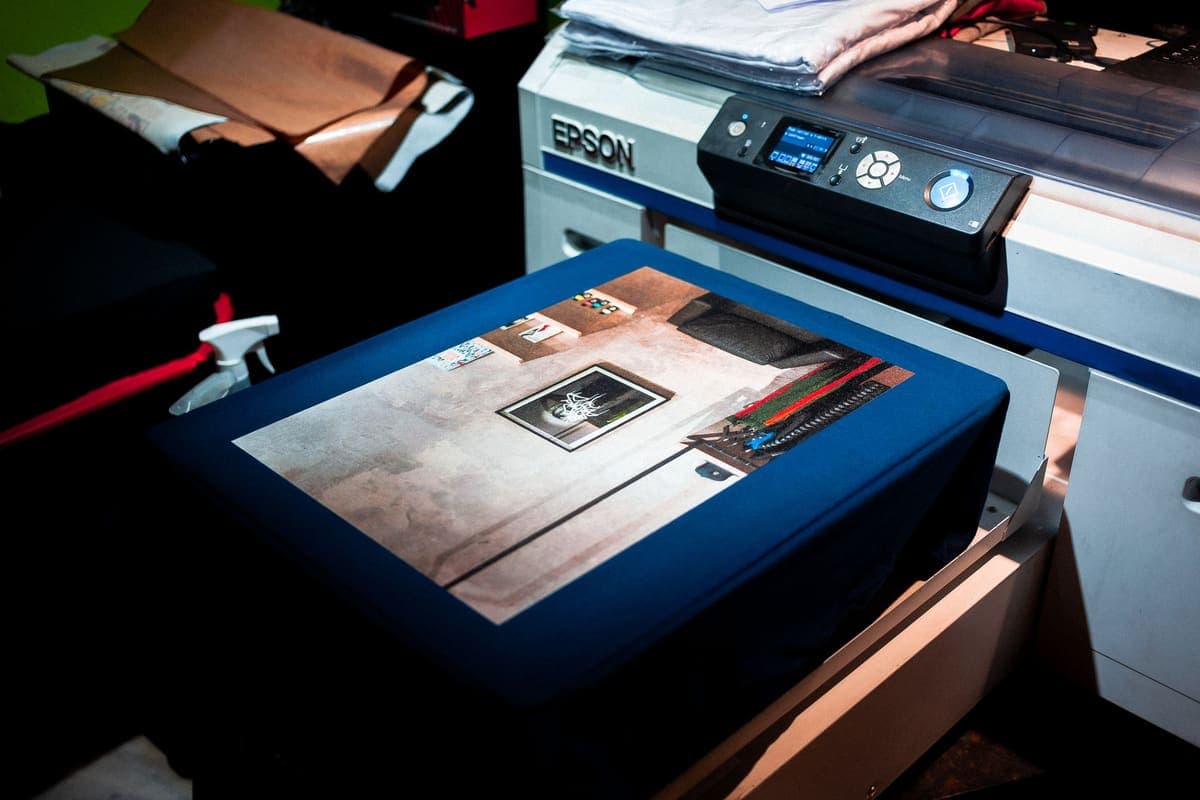
Sublimation Printer and Heat Press
Buy them as a pair, because the press decides what the printer can actually make.
Heads up: Mat & Blade earns a commission from qualifying purchases made through the links on this page, at no extra cost to you. It never changes which products we recommend or how we rank them. Read the full disclosure.
Buy a printer whose print width matches your press, not the widest printer you can afford — and if drinkware is on your list, budget for a second, curved press, because no flat press transfers onto a tumbler evenly. A letter-size printer paired with a 15 by 15 inch flat press covers shirts, bags, mouse mats and sheet blanks. Tumblers and mugs are a separate machine, not a technique you can learn.
Match the print width to the platen
This is the pairing mistake that costs real money, and it runs in both directions.
A printer wider than your press produces transfers you cannot press in one pass. Sublimation shows an overlap as a visible line, because the second press re-heats ink that has already transferred. A press much larger than your printer, meanwhile, is bench space and heat-up time you are not using.
| What you want to make | Printer width | Press | Note |
|---|---|---|---|
| Shirts, bags, mouse mats | 8.5 in (letter) | 15 x 15 in flat clamshell | The standard first pairing |
| Hoodies, oversized prints | 13 x 19 in wide format | 16 x 20 in platen | Buy the press first — it is the constraint |
| Tumblers, mugs | 8.5 in is plenty | Curved tumbler or mug press | A flat press cannot wrap a cylinder |
| Coasters, slate, keyrings | 8.5 in | 15 x 15 in flat | Hard blanks need firm even pressure |
| Full transfer sheets for resale | 13 x 19 in wide format | 16 x 20 in platen | Gang sheets need the whole platen |
What sublimation asks of a press that vinyl does not
A press that presses heat transfer vinyl happily can still be a poor sublimation press, because the demands are different in three specific ways.
- Higher temperature for longer. Published guidance for polyester fabric sits around 385 to 400°F for roughly 45 to 60 seconds, against a much shorter press for most HTV. A press that drifts over a minute is a problem here.
- A narrow safe window. Polyester scorches and yellows into a permanent patch above that range, so a display that reads low by a meaningful margin will ruin garments. Check the plate with an infrared thermometer once, at the start.
- Even pressure held throughout. Any unevenness shows as a pale patch, because the ink only transfers where contact is sustained. This is the argument for a clamp over a handheld plate.
Our sublimation temperature guide has the published ranges by blank type, and the best heat press for sublimation is the full press roundup for this job.
Our picks
1. Best for the printer half, letter size
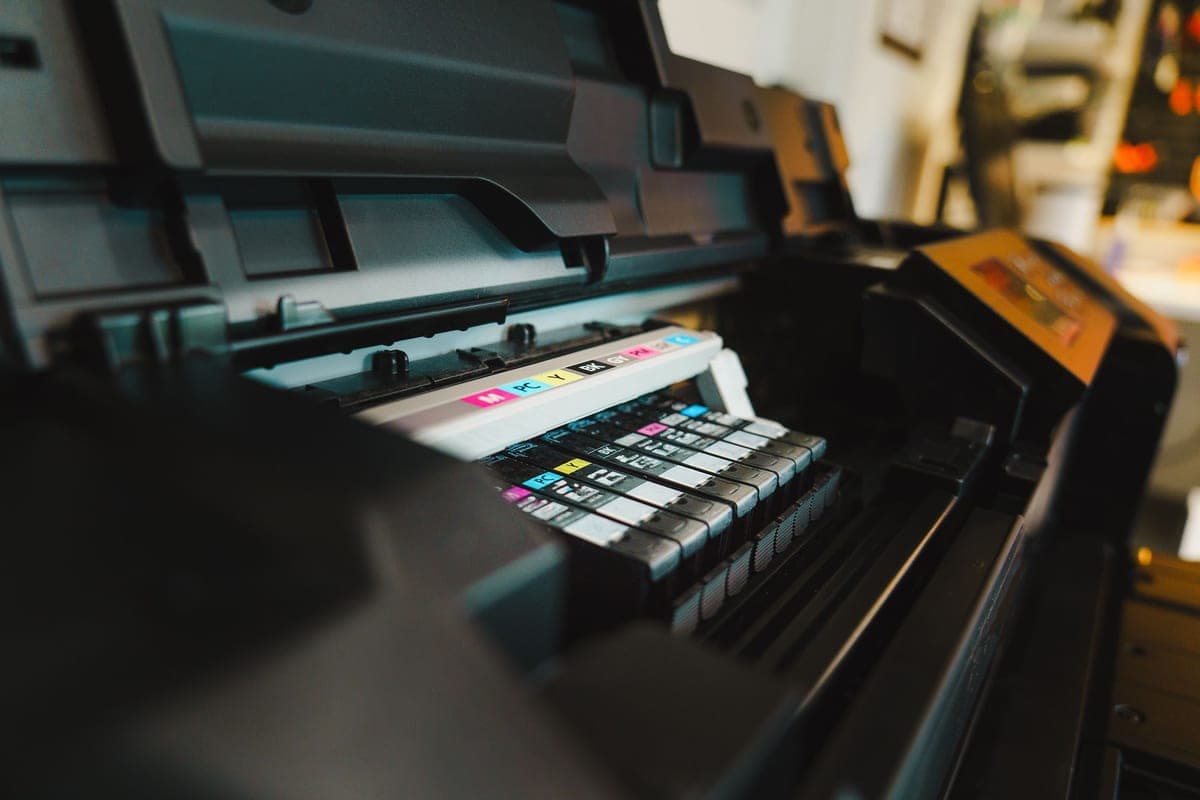
Epson EcoTank ET-2800
Epson · Currently sold · Verified 2026-09-27
The sensible printer to pair with a first press, because its 8.5 inch print width matches what a standard press can transfer in one pass. Prints wider than your platen are wasted capability — a 13 by 19 inch transfer that has to be pressed in two overlapping passes shows the join. It is a refillable-tank printer people convert with sublimation ink, which is where the low running cost comes from and also where Epson's warranty exclusion for non-genuine ink applies.
What works
- By far the cheapest way to start sublimating
- Refillable tanks mean low running cost once converted
- Very widely documented by the crafting community
What does not
- Converting it with third-party sublimation ink voids Epson's coverage for ink-related damage
- A converted printer cannot go back to regular ink
- 8.5 in width limits you to letter-size transfers
Not for you if
You want a supported, warrantied sublimation setup you can call for help on. Buy a dedicated sublimation printer instead.
Key specs
- Type
- Refillable-tank inkjet — sold as a regular printer
- Sublimation
- Not a sublimation printer as sold; people convert it
- Max print width
- 8.5 in (letter)
- Ink system
- Four refillable tanks
- Warranty note
- Epson's warranty covers damage from genuine ink, not third-party ink
#ad · affiliate link · we never show a price we cannot verify
2. Best for the press half, for flat items
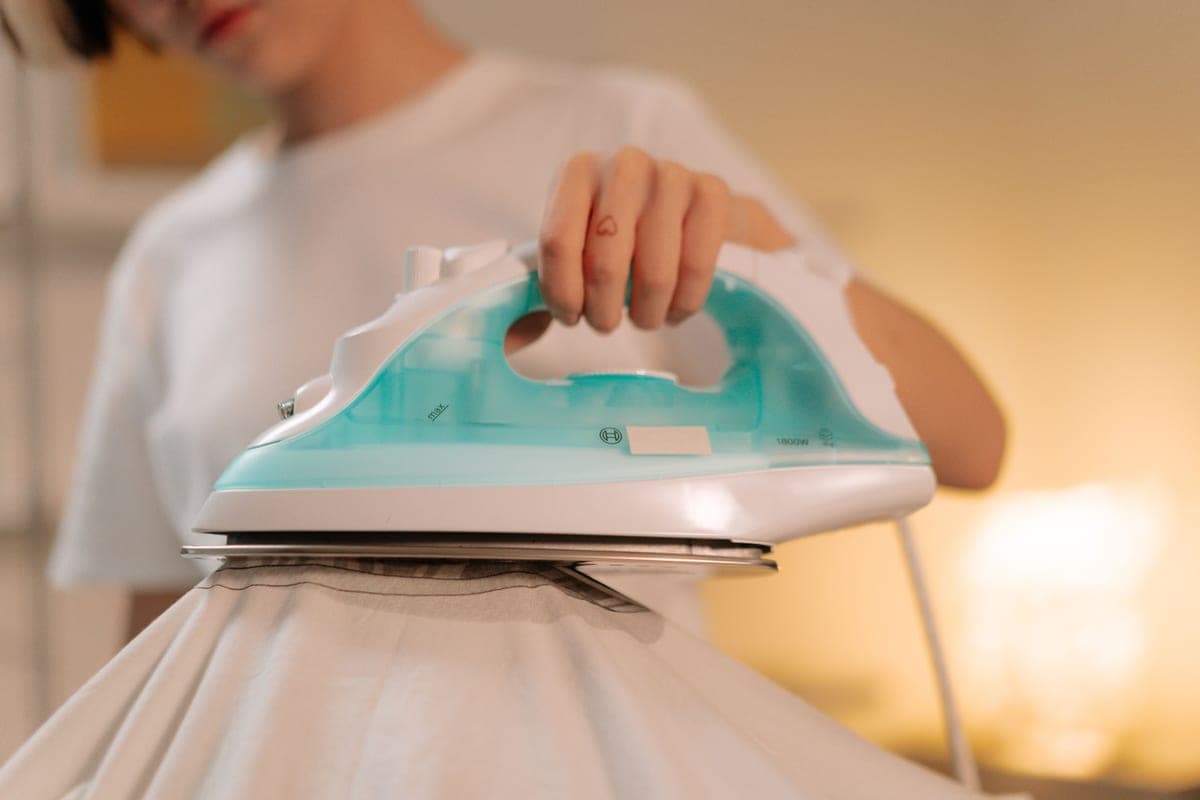
HTVRONT Auto Heat Press
HTVRONT · Currently sold · Verified 2026-09-27
Sublimation asks more of a press than vinyl does: longer dwell times at higher temperatures with even pressure, which is exactly where arms and guesswork fail. An auto-open clamshell with adjustable clamp pressure repeats the same press every time and lifts itself when the timer ends, and a minute-long dwell is long enough to get distracted. A 15 by 15 inch platen covers an adult front print and a letter-size transfer comfortably. It needs permanent bench space.
What works
- Clamp pressure is repeatable in a way hand pressure never is
- Auto-open removes the most common scorch mistake
- A 15 x 15 in plate presses an adult front design in one go
What does not
- Heavy, and it needs permanent bench space
- Louder and more industrial than an EasyPress
- Overkill if you make a few shirts a year
Not for you if
You have no dedicated table. This is not a machine you clear away between projects.
Key specs
- Type
- Auto-open clamshell heat press
- Plate size
- Typically 15 x 15 in on the full-size model
- Pressure
- Adjustable clamp — consistent every press
- Auto-open
- Yes — lifts itself when the timer ends
- Bench space
- Permanent — this does not go in a drawer
#ad · affiliate link · we never show a price we cannot verify
3. Best for drinkware, which a flat press cannot do
Tumbler Heat Press
Various · Currently sold · Verified 2026-10-01
The purchase people discover after buying everything else. A flat platen touches a cylinder along a narrow line, so only a thin strip of a tumbler transfer is ever in contact — and sublimation needs sustained even contact across the whole design. A curved press closes around the blank instead. Many models take mugs as well as tumblers, and a dedicated convection oven is the slower alternative that handles several blanks at once.
What works
- Wraps the blank, so the whole design gets even contact
- Far more consistent than rotating a tumbler against a flat press
- Many models take mugs as well as tumblers, which widens the product range
What does not
- Single-purpose — it presses round blanks and nothing else
- Another permanent item on the bench
- Sizes are specific, so check it fits the blanks you actually buy
Not for you if
You are making vinyl decals for tumblers. Adhesive vinyl needs no heat at all, so this is a purchase you can skip entirely.
Key specs
- Type
- Curved-platen cup and tumbler press
- Common sizes
- Sized for 20 oz skinny tumblers; many also take 11-17 oz mugs
- Controls
- Set temperature and timer, like a flat press
- Needed for
- Sublimation on tumblers and mugs — not for vinyl decals
- Alternative
- A dedicated convection oven, which is slower and handles several blanks at once
#ad · affiliate link · we never show a price we cannot verify
4. Best for the blank that makes the pair work
Polyester Blank Shirts
Various · Currently sold · Verified 2026-09-27
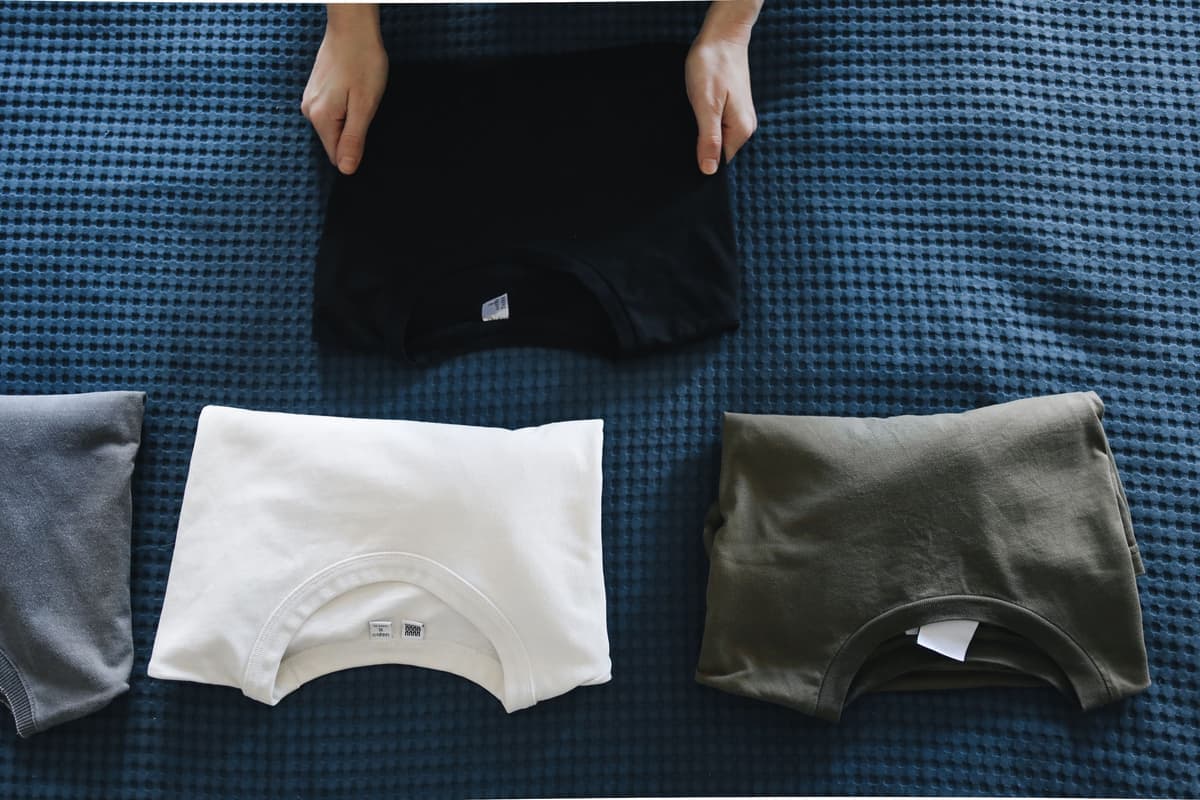
Included because the most expensive failure in this setup is not equipment, it is buying the wrong blanks. Sublimation ink bonds to polymer, so a 100% polyester white shirt gives the full-strength result, a 65/35 blend gives a deliberately faded one, and cotton loses the design in the wash. White or very light only, because the ink is translucent and there is no white ink to print.
What works
- The only fabric sublimation genuinely bonds to
- Result has no hand feel at all — the design is in the fabric
- Will not crack or peel the way a vinyl transfer can
What does not
- White or near-white only — this is a hard physical limit
- 100% polyester feels different from a cotton tee
- Blends fade the design, which you may or may not want
Not for you if
You want a soft cotton shirt or a dark shirt. Use heat transfer vinyl instead — it works on both.
Key specs
- Fabric
- 100% polyester, or a high-polyester blend
- Color
- White or very light — dark fabric will not work
- Why polyester
- Sublimation ink bonds to polymer, not to cotton fiber
- Blend behavior
- A 65/35 blend gives a faded, vintage-looking result
#ad · affiliate link · we never show a price we cannot verify
Quick picks
| # | Product | Best for | Price |
|---|---|---|---|
| 1 | Epson EcoTank ET-2800The printer most people convert — cheap, refillable, and widely documented. Read the warranty section befor... | The printer half, letter size | Check price on Amazon #ad · affiliate link · we never show a price we cannot verify |
| 2 | HTVRONT Auto Heat PressAn auto-open clamshell that removes the two things beginners get wrong — inconsistent pressure and forgetti... | The press half, for flat items | Check price on Amazon #ad · affiliate link · we never show a price we cannot verify |
| 3 | Tumbler Heat PressA curved heating element that closes around a tumbler, which is the only practical way to sublimate one — a... | Drinkware, which a flat press cannot do | Check price on Amazon #ad · affiliate link · we never show a price we cannot verify |
| 4 | Polyester Blank ShirtsSublimation bonds to polyester and only polyester — the blank matters more than the printer, and this is th... | The blank that makes the pair work | Check price on Amazon #ad · affiliate link · we never show a price we cannot verify |
Tap any row to jump to the full write-up. We do not publish prices — they move constantly, and a stale number is worse than none.
The full working setup, in order
Buying in this order means each purchase tells you something about the next one, and nothing arrives before you can use it.
- Printer and sublimation ink. Which pairing, and what the conversion costs you, is in sublimation printer and ink.
- Sublimation paper. Coated, one printable side. Our paper picks.
- A press sized to your printer. Flat for fabric and sheet goods; curved for drinkware.
- Blanks that are polyester or polymer-coated. What actually works.
- Heat-resistant tape, butcher paper and a lint roller. Tape stops the transfer shifting, butcher paper protects the platen from ink ghosting, and lint on a shirt prints as a white line.
Can one press do everything?
Not quite, and this is the question that decides whether the budget is one machine or two. Multi-function presses sold with interchangeable platens — a flat plate plus mug, cap and plate attachments — genuinely do cover several jobs, and for an occasional mug that is a reasonable way to avoid a second machine.
What they trade is convenience and consistency. Swapping platens takes time and a heat-up cycle, and the attachments are smaller and fussier than dedicated machines. If drinkware is the main product rather than an occasional extra, a dedicated tumbler press is faster and more repeatable. If shirts are the main product, buy the best flat press you can and add drinkware later.
For the press side in detail, the best heat press machines covers the whole range and what a heat press setup costs adds up the parts people forget.
Common questions
Do I need a heat press for sublimation, or will an iron do?
What size heat press do I need for sublimation?
Can I sublimate a tumbler with a flat heat press?
Should I buy the printer or the press first?
What temperature and time does sublimation need?
Will a multi-function press handle shirts and mugs?
Can I use the same press for sublimation and heat transfer vinyl?
Sources
- Sawgrass sublimation guidance — Published time, temperature and pressure guidance by substrate type, verified 4 October 2026
- Epson official product documentation — EcoTank print width specifications and the published statement that damage from non-genuine ink is not covered, verified 4 October 2026
- A-SUB product information — Transfer paper handling and typical press settings, verified 4 October 2026
How we picked
We verify every product is currently sold by reading the manufacturer's own catalog, compare published specifications rather than marketing copy, and rank on what a first-time buyer has to decide. We do not run lab tests and we do not claim to, and commission never affects the order.
Read this next
The Best Heat Press for Sublimation
Which presses handle sublimation's higher temperatures and longer dwell, and why tumblers need a different machine.
Sublimation Printer and Ink
Convert an EcoTank or buy a dedicated sublimation printer: what each route really costs, and the paper and blanks both still need.
Sublimation Temperature Guide
Times and temperatures by blank type, sourced, plus what to adjust when a transfer comes out pale.
The Best Sublimation Blanks
Which blanks genuinely take sublimation, which are most forgiving, and what to check before buying.
Best Sublimation Setup for Shirts and Tumblers
One printer, two heat sources — what shirts and tumblers each need, and where the money goes.
What a Heat Press Setup Costs
Every component a fabric setup needs beyond the press itself, and what recurs.
Back to Sublimation.