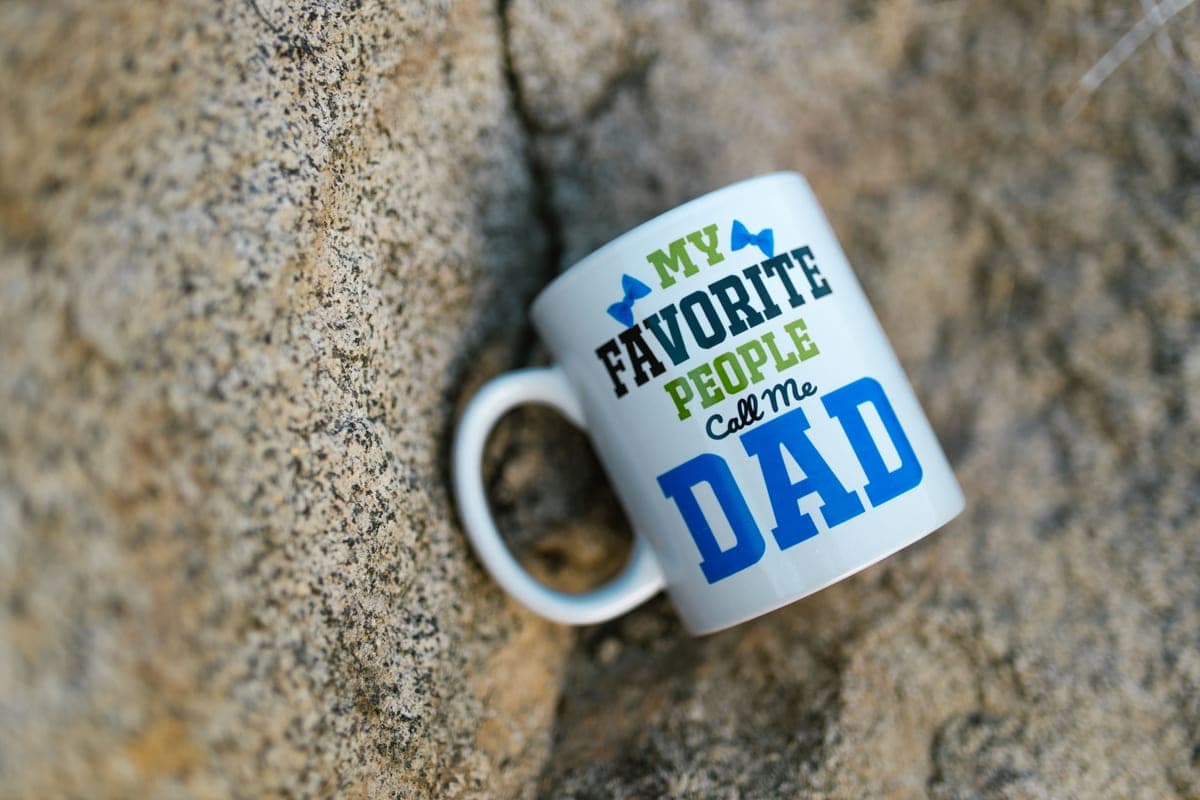
Best Sublimation Setup for Shirts and Tumblers
The printer is the same for both. The heat source is not, and that is the part people get wrong.
Heads up: Mat & Blade earns a commission from qualifying purchases made through the links on this page, at no extra cost to you. It never changes which products we recommend or how we rank them. Read the full disclosure.
One printer does both — the difference is the heat source. Shirts press flat. Tumblers cannot: a flat plate touches a round blank along a narrow line, so you need a tumbler press or a convection oven. Budget for two heat sources if you want to do both properly.
Quick picks
| # | Product | Best for | Price |
|---|---|---|---|
| 1 | 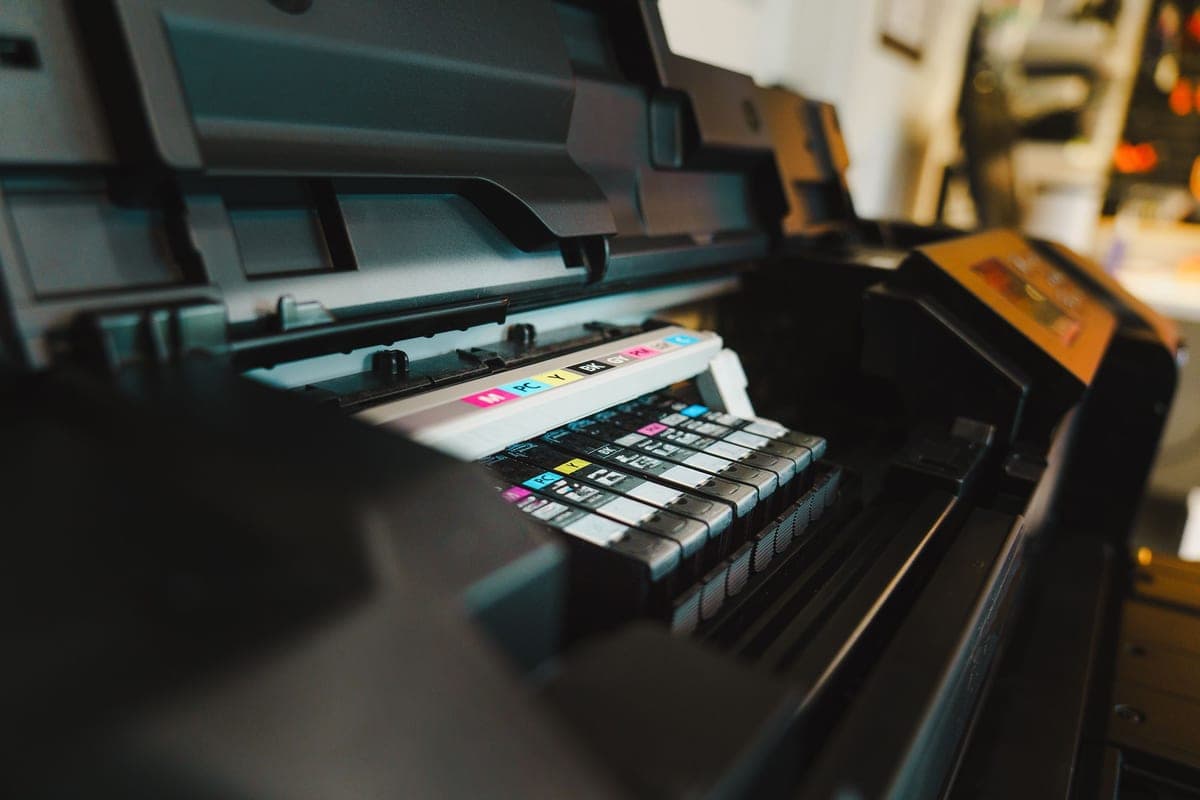 Epson EcoTank ET-2800The printer most people convert — cheap, refillable, and widely documented. Read the warranty section befor... | Printing for both | Check price on Amazon #ad · affiliate link · we never show a price we cannot verify |
| 2 | 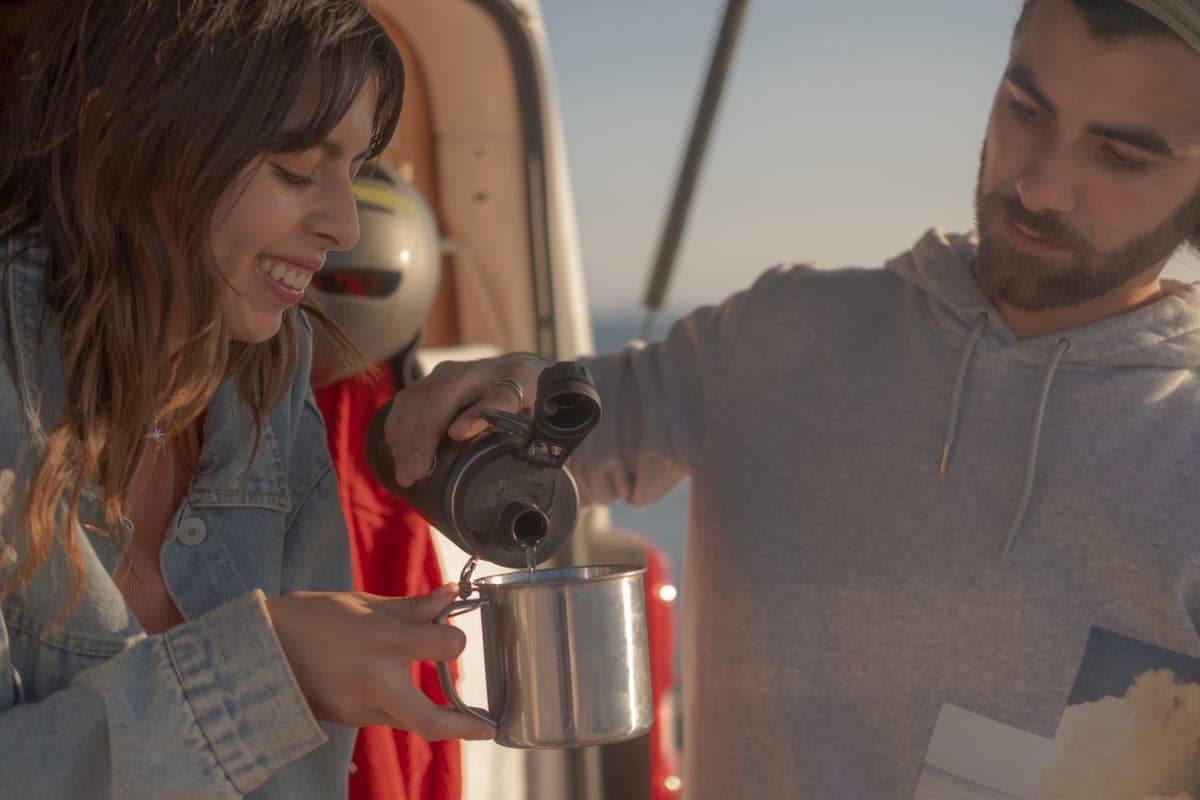 Sublimation Tumbler BlanksPolymer-coated tumblers are the most forgiving sublimation blank there is — the coating does the work, so a... | The easier of the two projects | Check price on Amazon #ad · affiliate link · we never show a price we cannot verify |
| 3 | 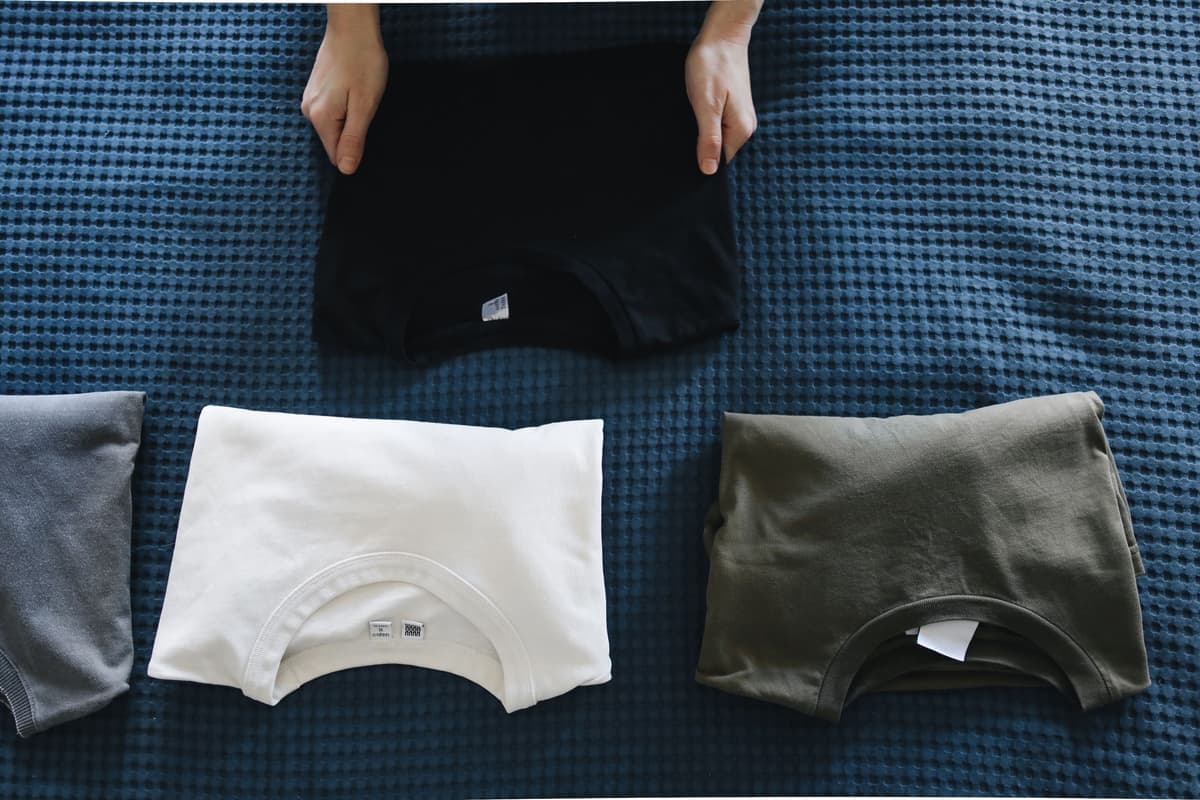 Polyester Blank ShirtsSublimation bonds to polyester and only polyester — the blank matters more than the printer, and this is th... | The fabric side | Check price on Amazon #ad · affiliate link · we never show a price we cannot verify |
| 4 | A-SUB Sublimation PaperThe paper most beginners land on, and a sensible default: high transfer rate, dries fast enough to handle, ... | Both projects | Check price on Amazon #ad · affiliate link · we never show a price we cannot verify |
Tap any row to jump to the full write-up. We do not publish prices — they move constantly, and a stale number is worse than none.
What each project needs
| Shirts | Tumblers | |
|---|---|---|
| Printer | Same letter-width printer | Same letter-width printer |
| Paper | Standard sublimation paper | Standard sublimation paper |
| Blank | 100% polyester, white or very light | Polymer-coated, white or very light |
| Heat source | Flat press | Tumbler press or convection oven |
| Temperature | Around 385-400°F | Similar, longer time |
| Time | Around 45-60 s | Longer — minutes rather than seconds |
| Forgiveness | Less — fabric shows unevenness | More — the coating does the work |
How we picked
We ranked by what each project genuinely requires rather than treating them as one purchase, because the common and expensive mistake here is assuming one heat source covers both. Substrate and temperature guidance comes from manufacturer published information. Our methodology.
The picks in full
1. Best for printing for both
Epson EcoTank ET-2800
Epson · Currently sold · Verified 2026-09-27
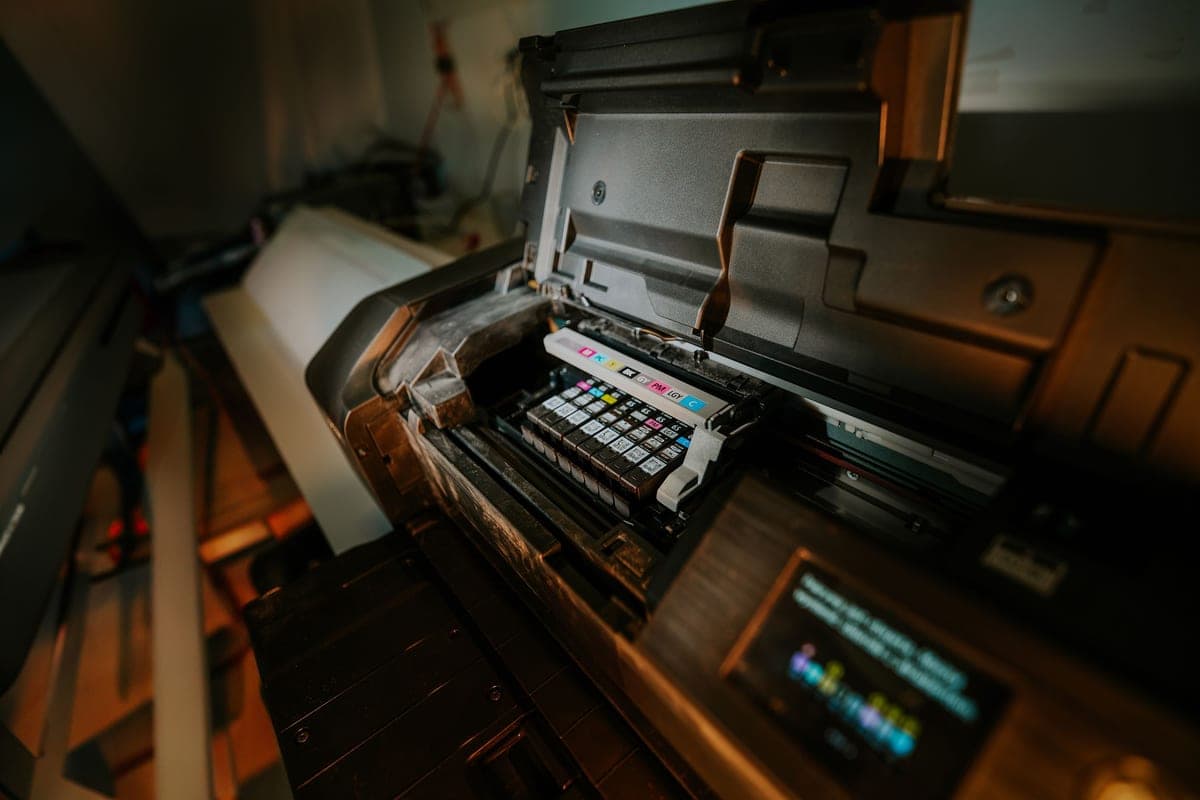
The same 8.5 inch letter-width printer serves both projects — the transfer for a shirt and the wrap for a tumbler both fit comfortably. Converting a refillable-tank printer is the cheapest route, with the warranty and one-way caveats covered in our conversion guide. There is no shirt printer and tumbler printer; there is one printer and two heat sources.
What works
- By far the cheapest way to start sublimating
- Refillable tanks mean low running cost once converted
- Very widely documented by the crafting community
What does not
- Converting it with third-party sublimation ink voids Epson's coverage for ink-related damage
- A converted printer cannot go back to regular ink
- 8.5 in width limits you to letter-size transfers
Not for you if
You want a supported, warrantied sublimation setup you can call for help on. Buy a dedicated sublimation printer instead.
Key specs
- Type
- Refillable-tank inkjet — sold as a regular printer
- Sublimation
- Not a sublimation printer as sold; people convert it
- Max print width
- 8.5 in (letter)
- Ink system
- Four refillable tanks
- Warranty note
- Epson's warranty covers damage from genuine ink, not third-party ink
#ad · affiliate link · we never show a price we cannot verify
2. Best for the easier of the two projects
Sublimation Tumbler Blanks
Various · Currently sold · Verified 2026-09-27
Polymer-coated tumblers are more forgiving than fabric — the coating does the work, colors come out bright, and small timing errors do not ruin the result. If you are doing both, start here to learn what a correct transfer looks like before moving to shirts.
What works
- The coating makes color come out bright and sharp
- Very forgiving of small timing errors
- Sold in cheap multi-packs so practice costs little
What does not
- Must be sublimation-specific — an ordinary tumbler will not take the ink
- Needs a tumbler press or an oven; a flat press cannot do it
- Not dishwasher-proof in practice, whatever the listing says
Not for you if
You only have a flat heat press. A flat plate cannot wrap a tumbler evenly.
Key specs
- Coating
- Polymer coating — required for sublimation to bond
- Common size
- 20 oz skinny tumbler
- Heat source
- Tumbler press, convection oven, or shrink wrap plus oven
- Color
- White or very light — sublimation ink is translucent
#ad · affiliate link · we never show a price we cannot verify
3. Best for the fabric side
Polyester Blank Shirts
Various · Currently sold · Verified 2026-09-27
100% polyester in white or very light. Both conditions are absolute: sublimation bonds only to polymer, and the translucent ink disappears on dark blanks. Blends give a deliberately faded result.
What works
- The only fabric sublimation genuinely bonds to
- Result has no hand feel at all — the design is in the fabric
- Will not crack or peel the way a vinyl transfer can
What does not
- White or near-white only — this is a hard physical limit
- 100% polyester feels different from a cotton tee
- Blends fade the design, which you may or may not want
Not for you if
You want a soft cotton shirt or a dark shirt. Use heat transfer vinyl instead — it works on both.
Key specs
- Fabric
- 100% polyester, or a high-polyester blend
- Color
- White or very light — dark fabric will not work
- Why polyester
- Sublimation ink bonds to polymer, not to cotton fiber
- Blend behavior
- A 65/35 blend gives a faded, vintage-looking result
#ad · affiliate link · we never show a price we cannot verify
4. Best for both projects
A-SUB Sublimation Paper
A-SUB · Currently sold · Verified 2026-09-27
The same paper works for shirts and tumblers. A high transfer rate matters slightly more on fabric, where you have less coating helping you and want as much ink as possible reaching the blank.
What works
- Consistent results across shirts, mugs and hard blanks
- Dries quickly enough that sheets do not smudge when stacked
- Cheap enough to practice with
What does not
- Only works with sublimation ink — regular ink will not transfer
- Printing on the wrong side wastes the sheet and the ink
Not for you if
You are printing on dark fabric. Sublimation does not work on dark fabric at all, whatever paper you use.
Key specs
- Type
- Dye-sublimation transfer paper
- Weight
- Commonly 125 gsm
- Sizes
- Letter and larger sheets
- Transfer rate
- High — most of the ink releases to the blank
- Printed side
- One side only — the coated side
#ad · affiliate link · we never show a price we cannot verify
Why a flat press cannot do tumblers
A tumbler is a cylinder. A flat plate touches a cylinder along a narrow line, so at any moment only a thin strip of the transfer is in contact — and sublimation needs sustained even contact across the whole design.
The two solutions both wrap the blank rather than pressing it. A tumbler press has a curved heating element that closes around the cylinder. A convection oven, with the transfer wrapped tightly and secured, heats the whole blank evenly from all sides — slower, and widely used because it is cheaper and handles multiple blanks at once.
Some people rotate a tumbler against a flat press in stages. It works occasionally and produces visible banding where the passes meet, which is why it is not a method anyone selling relies on.
The order to buy in
- Printer, ink, paper and a few blanks. The shared foundation for both projects.
- Tumbler press or dedicated convection oven, if tumblers are your main interest. They are the more forgiving project and the easier place to learn.
- Flat press, if shirts are the goal. If you already own one for heat transfer vinyl, you are covered for the fabric side.
- More blanks than you think. Early transfers get wasted while you learn timing and wrapping, and that is normal rather than a sign anything is wrong.
If you already own a flat press
You are set for shirts and need to add only a tumbler solution for the round blanks. That is often the cheapest route into sublimation for someone already making heat transfer vinyl shirts — the flat press does double duty, and a convection oven handles tumblers for relatively little.
Just remember the blanks are different. Your cotton shirts will not sublimate, and you will need polyester ones alongside them. Which blanks work, and the full comparison with vinyl.
Common questions
Can one printer do both shirts and tumblers?
Can you sublimate a tumbler with a flat heat press?
Can I use my kitchen oven for sublimation?
Which is easier, shirts or tumblers?
Do I need different paper for tumblers?
Sources
- Sawgrass sublimation guidance — Substrate types and transfer requirements for fabric and hard blanks, verified 27 September 2026
- Epson product information — EcoTank print width and specifications, verified 27 September 2026
How we picked
We verify every product is currently sold by reading the manufacturer's own catalog, compare published specifications rather than marketing copy, and rank on what a first-time buyer has to decide. We do not run lab tests and we do not claim to, and commission never affects the order.
Read this next
The Best Sublimation Printer for Beginners
Convert an EcoTank or buy a dedicated printer — the honest trade-off between cost and support.
The Best Sublimation Blanks
Which blanks genuinely take sublimation, which are most forgiving, and what to check before buying.
Sublimation Temperature Guide
Times and temperatures by blank type, sourced, plus what to adjust when a transfer comes out pale.
Sublimation for Beginners
The complete beginner walkthrough: how it works, what it needs, and the first-transfer process.

Sublimation vs HTV
The category-defining comparison: what each technology can and cannot do, and which to start with.
Back to Sublimation.