Is Sublimation Worth It?
Best results in the hobby, two hard limits that no technique gets around, and a shopping list longer than people expect.
Heads up: Mat & Blade earns a commission from qualifying purchases made through the links on this page, at no extra cost to you. It never changes which products we recommend or how we rank them. Read the full disclosure.
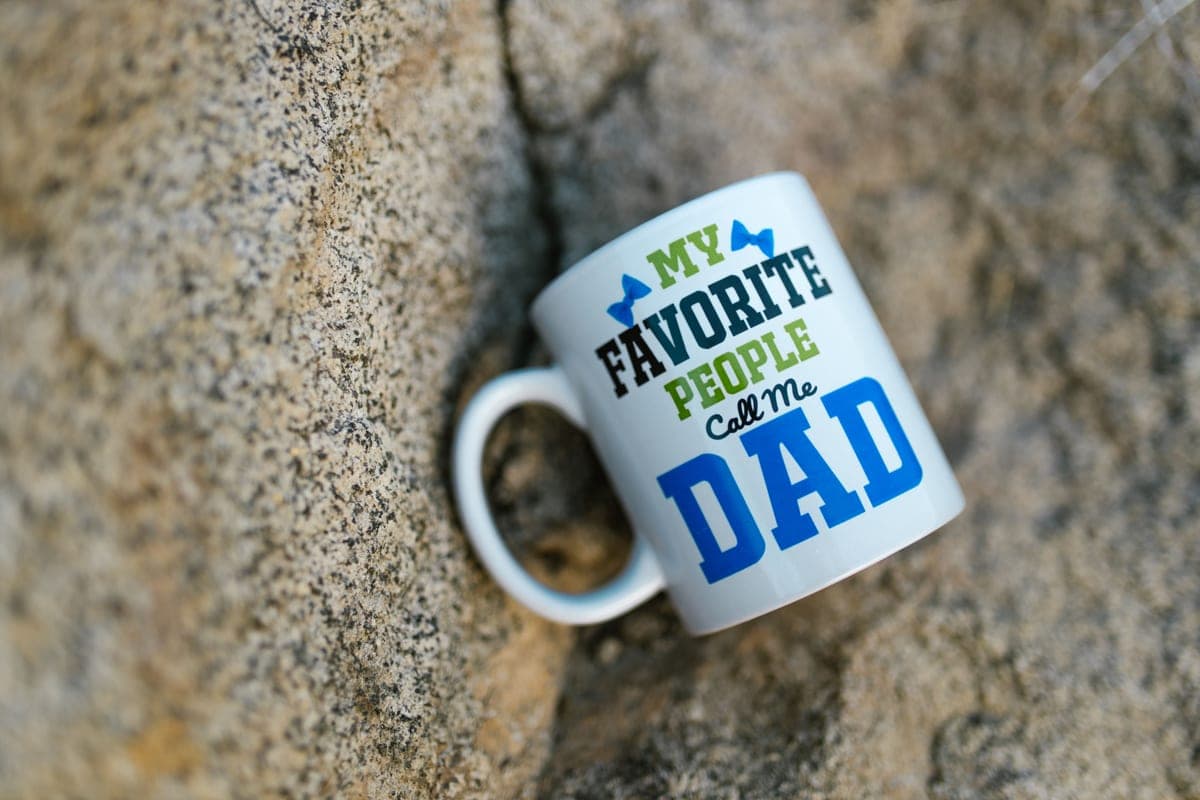
Sublimation is worth it if you are making polyester shirts, tumblers, mugs or other polymer-coated hard blanks in white or very light colours. It produces the best-looking and longest-lasting results in this hobby — the image goes into the surface, so there is nothing to peel, crack or feel. It is not worth it if you want to decorate cotton, or anything dark, because those are chemical limits no printer, paper or technique gets around. The realistic entry cost is a printer, ink, paper, a heat source and blanks, which is more than people expect going in.
The two limits, stated before anything else
These are not caveats to work around. They decide whether sublimation can do your projects at all.
It only bonds to polyester or a polymer coating. Under heat the ink becomes a gas and embeds itself into polymer. Cotton has no polymer for it to enter, so the colour sits on the fibres and washes out. A cotton-polyester blend gives a deliberately faded result in proportion to its polyester content — 65/35 looks vintage, which some people want and most beginners do not expect.
The ink is translucent and there is no white. The design takes on whatever colour is underneath it. On a white blank it looks like the file. On a pastel blank it shifts. On a black blank it is invisible. There is no dark-fabric sublimation paper that fixes this, whatever a listing claims — products sold under that name are a different transfer technology borrowing sublimation's name.
The cost of starting, itemised
Printer price is where every comparison starts and it is roughly half the real number. The list below is what you need before the first finished item exists.
| Item | Needed? | Notes |
|---|---|---|
| Printer | Required | A converted refillable-tank inkjet, or a dedicated sublimation printer |
| Sublimation ink | Required | Bottles for a conversion, or cartridges for a dedicated printer |
| Sublimation paper | Required | Coated transfer paper; ongoing consumable |
| Heat source for flat items | Required for fabric | A flat heat press — an iron does not hold temperature well enough |
| Tumbler or mug press | Required for drinkware | A curved platen, or a dedicated convection oven with wraps |
| Polymer-coated blanks | Required | Uncoated items hold nothing; white or very light only |
| Heat-resistant tape | Required | Ordinary tape fails at sublimation temperatures |
| Lint roller and butcher paper | Recommended | Lint transfers as spots; paper protects the press |
| ICC colour profile | Recommended for a conversion | Supplied by the ink maker; matters more than the ink brand |
Where sublimation genuinely beats the alternatives
On the right blank, nothing else in this hobby comes close, and it is worth being specific about why.
- Hard blanks. Tumblers, mugs, coasters, slate, photo panels, mouse mats. Vinyl on these is a decal with an edge that will eventually lift. Sublimation has no edge at all.
- Full-colour and photographic designs. Gradients, photographs and many-coloured artwork print in one pass. The vinyl equivalent is layering several colours by hand, and above three layers it stops being sensible.
- Feel. There is nothing on the surface. A sublimated polyester shirt feels like the shirt, which matters on athletic wear and is the thing people notice first.
- Durability on coated blanks. The image is in the coating, so it survives dishwashing on a coated mug — something no craft vinyl manages.
- Cost per item at volume. Once the setup exists, ink and paper per item are low. The economics improve the more you make.
Our picks in full
1. Best for the cheapest honest way to find out
Epson EcoTank ET-2800
Epson · Currently sold · Verified 2026-09-27
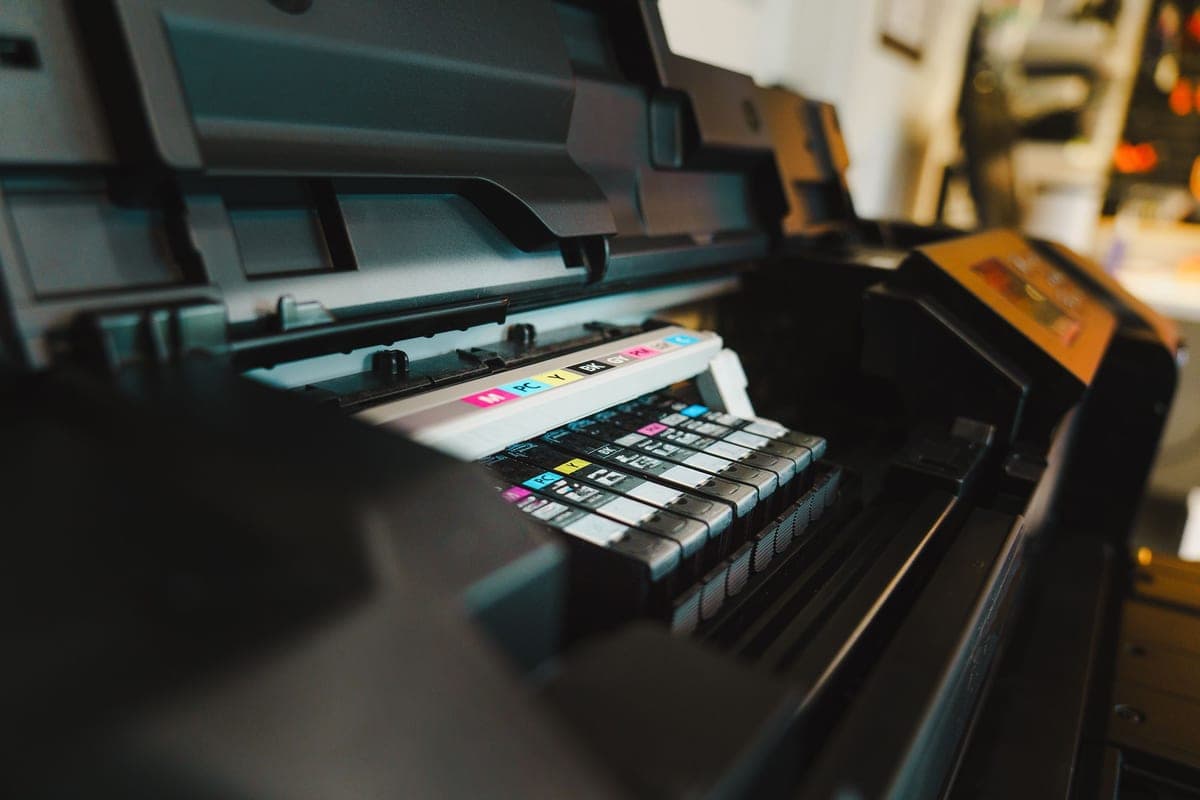
The route most people take, with one caveat worth stating plainly. It is sold as an ordinary refillable-tank inkjet, not a sublimation printer, and people convert it by filling the tanks with sublimation ink instead of Epson's. That makes it the lowest-cost entry into sublimation by a wide margin. Epson's warranty covers damage from genuine ink, not third-party ink, so the conversion is at your own risk and is not reversible — once sublimation ink has been through the head, the printer is a sublimation printer permanently.
What works
- By far the cheapest way to start sublimating
- Refillable tanks mean low running cost once converted
- Very widely documented by the crafting community
What does not
- Converting it with third-party sublimation ink voids Epson's coverage for ink-related damage
- A converted printer cannot go back to regular ink
- 8.5 in width limits you to letter-size transfers
Not for you if
You want a supported, warrantied sublimation setup you can call for help on. Buy a dedicated sublimation printer instead.
Key specs
- Type
- Refillable-tank inkjet — sold as a regular printer
- Sublimation
- Not a sublimation printer as sold; people convert it
- Max print width
- 8.5 in (letter)
- Ink system
- Four refillable tanks
- Warranty note
- Epson's warranty covers damage from genuine ink, not third-party ink
#ad · affiliate link · we never show a price we cannot verify
2. Best for a supported setup with no conversion
Sawgrass SG500
Sawgrass · Currently sold · Verified 2026-09-27
The answer if the conversion question is what is putting you off, and a reasonable one. It is sold as a sublimation printer, with sublimation ink, colour profiles and manufacturer support for sublimation use — so there is no warranty grey area and no guessing at an ICC profile. The cost is a higher purchase price and ongoing ink that comes from one supplier at their price. Whether that premium is worth it depends entirely on how much you value having somebody to call.
What works
- No conversion, no warranty question, no community workaround
- Color profiles supplied and supported by the manufacturer
- Manufacturer support when something goes wrong
What does not
- Much higher purchase price than a converted EcoTank
- Cartridge ink costs considerably more per page than tank ink
- Same 8.5 in width limit as the cheap option
Not for you if
You are experimenting to see whether you like sublimation at all. That is a lot of money to spend on a maybe.
Key specs
- Type
- Dedicated sublimation printer
- Sold as
- A sublimation printer — no conversion involved
- Max print width
- 8.5 in (letter)
- Ink
- Sawgrass SubliJet sublimation ink cartridges
- Support
- Manufacturer support and warranty for sublimation use
#ad · affiliate link · we never show a price we cannot verify
3. Best for the project that makes it click
Sublimation Tumbler Blanks
Various · Currently sold · Verified 2026-09-27
The best first sublimation project, and a good test of whether the technique suits you. Tumblers are where sublimation beats everything else outright: the image goes into the polymer coating rather than sitting on top, so there is no edge to lift, no texture to feel, and it survives washing in a way vinyl does not. 20oz skinny white blanks are the size nearly every wrap and press is built around. White or very light is a requirement, not a style choice.
What works
- The coating makes color come out bright and sharp
- Very forgiving of small timing errors
- Sold in cheap multi-packs so practice costs little
What does not
- Must be sublimation-specific — an ordinary tumbler will not take the ink
- Needs a tumbler press or an oven; a flat press cannot do it
- Not dishwasher-proof in practice, whatever the listing says
Not for you if
You only have a flat heat press. A flat plate cannot wrap a tumbler evenly.
Key specs
- Coating
- Polymer coating — required for sublimation to bond
- Common size
- 20 oz skinny tumbler
- Heat source
- Tumbler press, convection oven, or shrink wrap plus oven
- Color
- White or very light — sublimation ink is translucent
#ad · affiliate link · we never show a price we cannot verify
4. Best for the consumable nobody budgets for
A-SUB Sublimation Paper
A-SUB · Currently sold · Verified 2026-09-27
Included because the paper is a real running cost and the wrong paper wastes ink and blanks. Coated transfer paper releases most of its ink to the blank under heat, which is the whole mechanism; printing on ordinary paper transfers a faint, muddy fraction of the image. Only the coated side takes the print, and getting that backwards is the single most common first-attempt mistake. Commonly sold at 125gsm in letter and larger sheets.
What works
- Consistent results across shirts, mugs and hard blanks
- Dries quickly enough that sheets do not smudge when stacked
- Cheap enough to practice with
What does not
- Only works with sublimation ink — regular ink will not transfer
- Printing on the wrong side wastes the sheet and the ink
Not for you if
You are printing on dark fabric. Sublimation does not work on dark fabric at all, whatever paper you use.
Key specs
- Type
- Dye-sublimation transfer paper
- Weight
- Commonly 125 gsm
- Sizes
- Letter and larger sheets
- Transfer rate
- High — most of the ink releases to the blank
- Printed side
- One side only — the coated side
#ad · affiliate link · we never show a price we cannot verify
Worth it, by who you are
- Selling tumblers, mugs or drinkware. Yes, clearly. This is sublimation's home ground and the economics work at modest volume.
- Selling polyester or athletic apparel. Yes. Soft-feel full-colour prints on light polyester are exactly what it is for.
- Making personalised gifts in quantity. Yes, if the blanks are coated and light. Photo panels, coasters and mugs are where it shines.
- Making a handful of items a year. Probably not. The setup cost does not amortise, and an unused sublimation printer clogs — these printers need regular use.
- Decorating cotton shirts in any colour. No. Use heat transfer vinyl.
- Already own a cutting machine and a press, curious about the next step. Worth it, and you are most of the way there — a printer, ink, paper and coated blanks is the remaining gap. Sublimation for beginners is the walkthrough.
The running costs people miss
Two things catch people out after the purchase. Sublimation printers must be used regularly — these are inkjets, and an idle print head clogs. A printer that sits for two months may need a cleaning cycle or worse, and that is a real argument against buying one for occasional use. Blanks are the ongoing expense, not ink. Coated blanks cost noticeably more than uncoated equivalents, and that premium is permanent.
If the conversion route is the part you are unsure about, EcoTank conversion, honestly covers the warranty position without the usual hand-waving, and Sawgrass versus Epson EcoTank compares the two routes directly. For what to buy, the best sublimation printer for beginners is the roundup, and sublimation ink versus regular ink explains why the ink is not interchangeable.
Common questions
Is sublimation worth it for beginners?
Is a sublimation printer worth the money?
Can sublimation work on cotton?
Can I sublimate onto dark shirts?
What does a full sublimation setup actually cost?
Is sublimation better than heat transfer vinyl?
Sources
- Sawgrass sublimation guidance — Substrate requirements for sublimation, polyester and polymer coating limits, and SG500 specifications, verified 6 October 2026
- Epson product information — EcoTank ET-2800 specifications and warranty position on non-genuine ink, verified 6 October 2026
How we picked
We verify every product is currently sold by reading the manufacturer's own catalog, compare published specifications rather than marketing copy, and rank on what a first-time buyer has to decide. We do not run lab tests and we do not claim to, and commission never affects the order.
Read this next
Sublimation for Beginners
The complete beginner walkthrough: how it works, what it needs, and the first-transfer process.
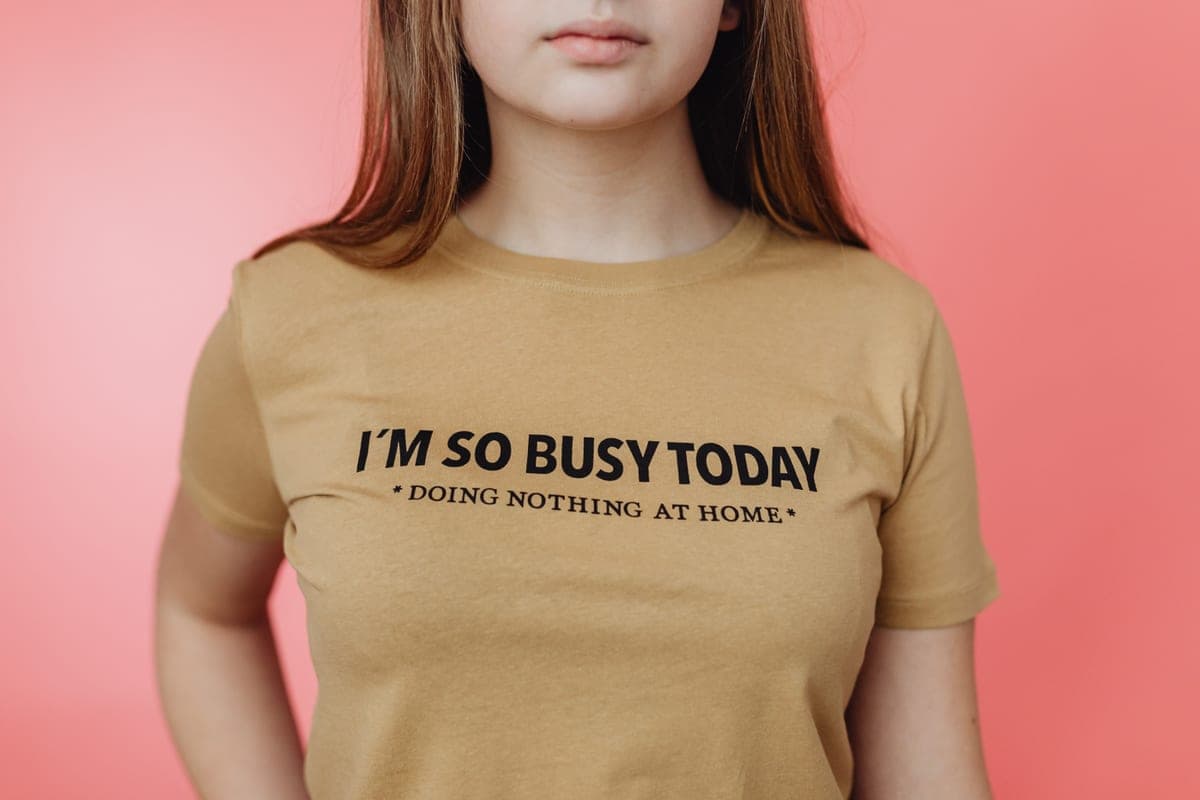
Sublimation vs HTV
The category-defining comparison: what each technology can and cannot do, and which to start with.
The Best Sublimation Printer for Beginners
Convert an EcoTank or buy a dedicated printer — the honest trade-off between cost and support.
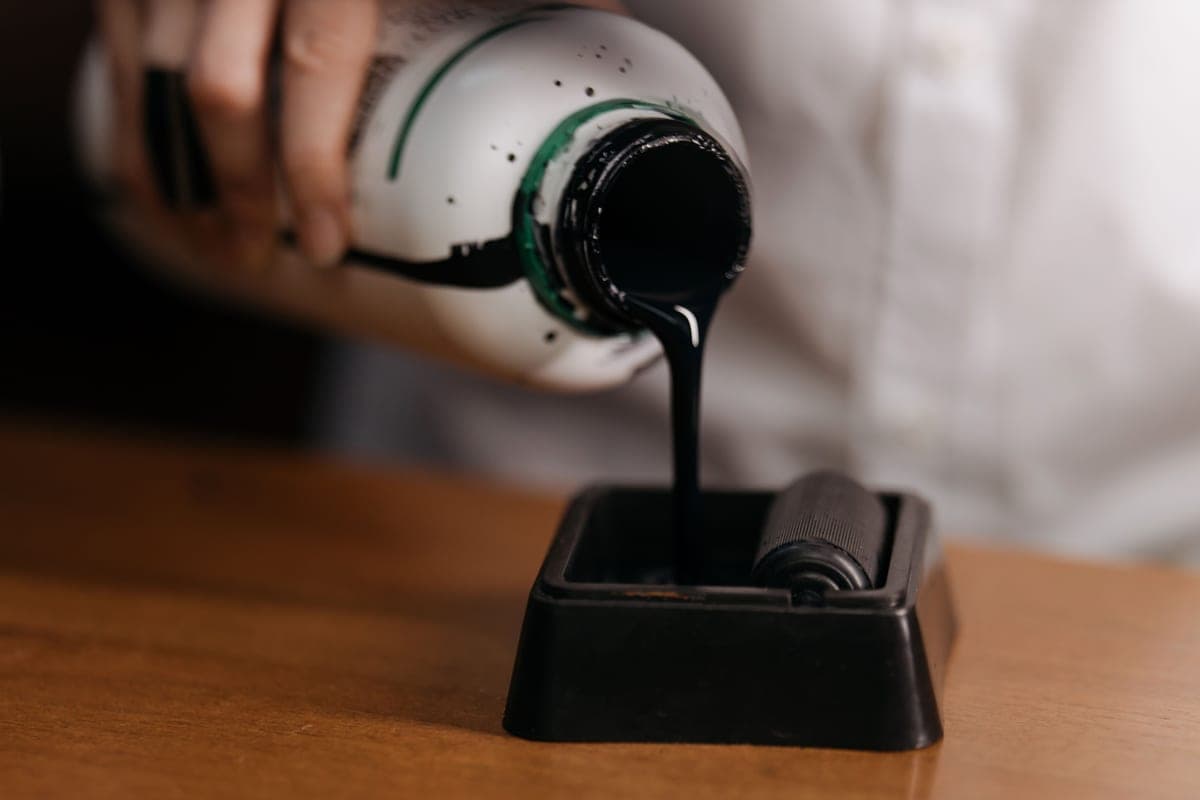
The EcoTank Conversion, Honestly
What converting an EcoTank actually costs you in warranty and reversibility, stated up front.
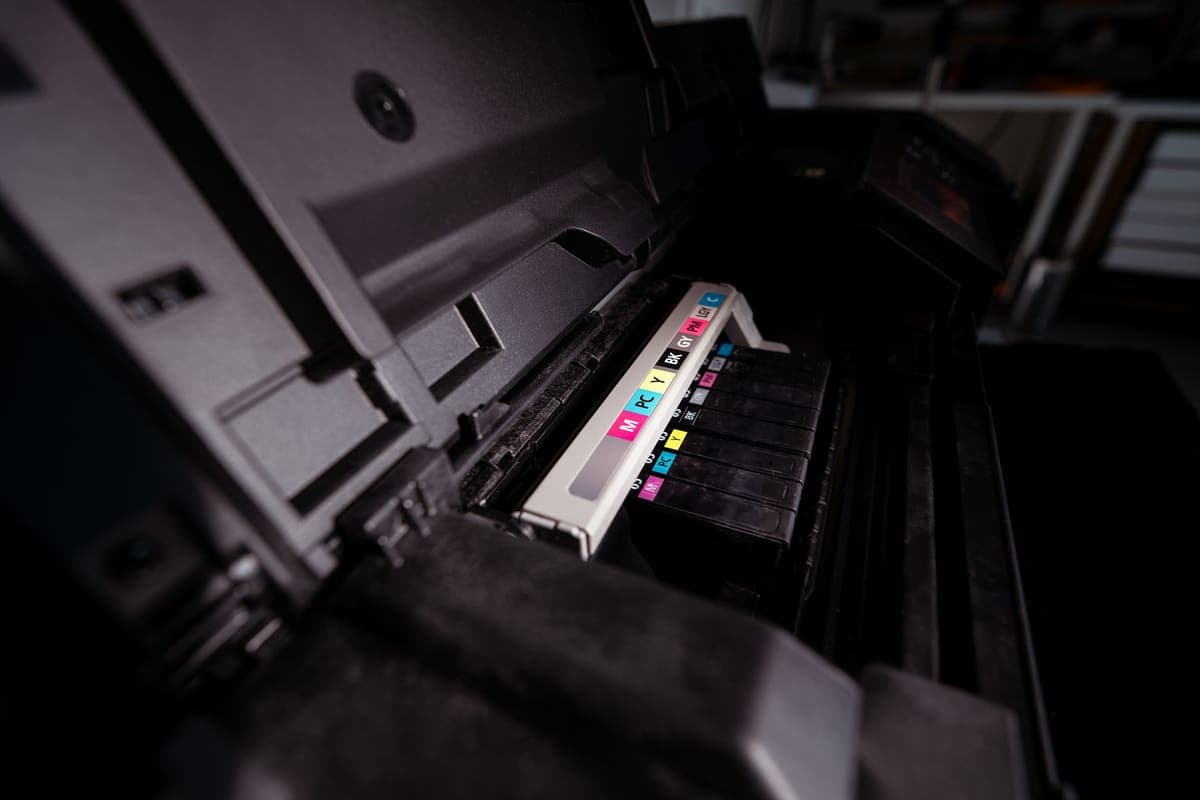
Sublimation Ink vs Regular Ink
How sublimation ink differs from ordinary inkjet ink, why a converted printer stays converted, and what mixing them does.
The Best Sublimation Blanks
Which blanks genuinely take sublimation, which are most forgiving, and what to check before buying.
Back to Sublimation.