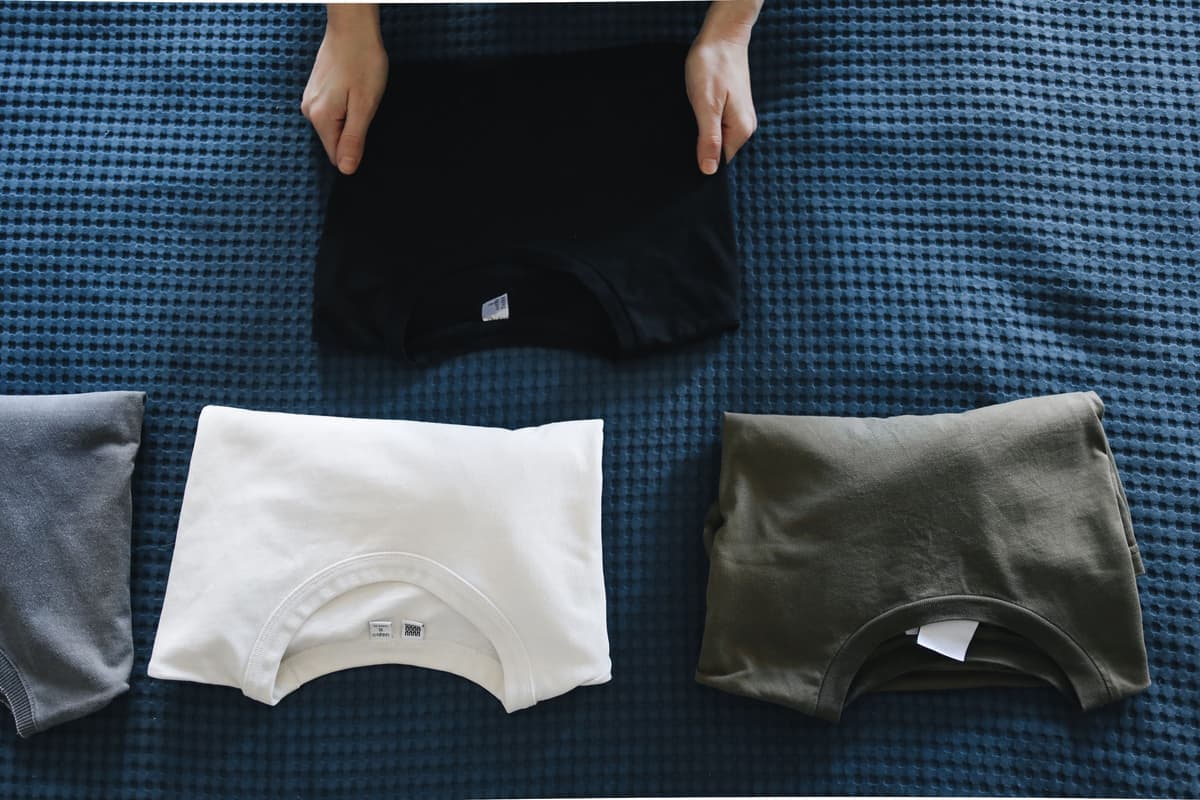
The Best HTV Vinyl for Cotton Shirts
Cotton has no heat ceiling worth worrying about and it does not migrate dye. That makes the vinyl choice about weeding and cost, not survival.
Heads up: Mat & Blade earns a commission from qualifying purchases made through the links on this page, at no extra cost to you. It never changes which products we recommend or how we rank them. Read the full disclosure.
For 100% cotton, buy Siser EasyWeed. Cotton is the forgiving fabric — no meaningful heat ceiling in the range a press reaches, no dye migration, and almost no stretch — so the vinyl choice stops being about survival and becomes about how cleanly the material weeds and what it costs per shirt. EasyWeed wins on weeding, Cricut Everyday Iron-On wins if you want a published setting to look up rather than a test piece to press, and HTVRONT rolls win on cost per shirt once you are pressing batches. The failures people blame on the vinyl are usually a blend nobody checked, a missing pre-press, or peeling at the wrong moment.
How we picked
We have no lab and this page does not pretend to. What it has is a short list of criteria that genuinely separate these materials on cotton specifically, applied honestly, with the manufacturer's own published statements as the source for every compatibility claim.
- Published cotton rating. The manufacturer has to state the material is for cotton. All three vinyls here do. A film that only lists polyester is not a candidate.
- Weeding behavior. On cotton this is the deciding criterion rather than a nice-to-have, because nothing else about the fabric is hard. A material that tears a thin letter has cost you the design.
- Cost per square inch. Sheets are convenient and expensive; rolls are cheap and commit you to one color. Which is right depends entirely on how many shirts you are making.
- Published settings. A named time, temperature and pressure for your specific press removes the first-shirt guesswork. Some manufacturers publish per-press figures and some publish one number.
- Hand feel after pressing. Thinner films disappear into the shirt; thick ones sit on top of it and are obvious to the wearer. That is the difference between a shirt people wear and one they do not.
- Honest downside. Every pick carries its real cons, including the ones that make it the wrong choice for some readers.
Why cotton is the easy fabric
It is worth being explicit about this, because most writing about heat transfer vinyl treats every fabric as a problem. Cotton is not. Three of the things that make pressing difficult simply do not apply.
No heat ceiling that matters
Cotton is a natural cellulose fiber. It will scorch eventually, but not at any temperature a vinyl manufacturer will ask you to use, so you have real headroom. If a transfer lifts at a corner on a cotton tee you can add five seconds or more pressure without wrecking the garment. On polyester that same move glazes the fabric permanently — the best HTV for polyester explains why that fabric is a different job.
No dye migration
The dye in cotton is not sublimation dye and it does not turn to gas and travel under heat. White vinyl pressed onto a red cotton shirt stays white. This single fact is why cotton is where beginners should start, and why a dark cotton tee is a safe first project in a way a dark polyester tee is not.
Almost no stretch
A woven or standard jersey cotton tee barely moves compared with a performance knit. A rigid vinyl film laid across it is not being flexed on every wear, so the hairline cracking that eventually kills designs on athletic wear is not the failure mode here. You do not need to pay for a stretch-formulated material unless the garment itself stretches.
Our picks in full
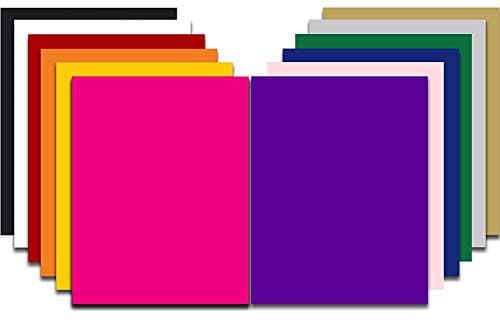
1. Best for almost every cotton shirt you will ever press
Siser EasyWeed HTV
Siser · Currently sold · Verified 2026-09-27
On cotton the hard problems go away, so the material should be chosen on how pleasant it is to work with — and that is EasyWeed's entire argument. It weeds cleanly on thin script and small letter counters, which is where cheap vinyl tears and costs you the design rather than the shirt. Siser rates it for cotton, polyester and poly-cotton blends, so one roll covers a cotton tee and the blend hoodie you press next week. It is the default recommendation on this site for a first shirt and nothing about cotton changes that.
What works
- Weeds more cleanly than almost anything else at this price
- Thin enough that a layered design does not feel like a plastic patch
- Siser publishes clear time and temperature guidance for it
- Sold in single sheets, so you can try three colors without buying three rolls
What does not
- Matte only — no gloss, glitter or specialty finish in the base line
- Sheets cost more per square inch than buying a roll
- Still needs real heat and pressure; a household iron gives mixed results
Not for you if
You want a glitter or holographic finish. That is a different Siser product line, not EasyWeed.
Key specs
- Type
- Heat transfer vinyl (HTV) — for fabric
- Fabric compatibility
- Siser rates it for cotton, polyester and cotton/poly blends
- Thickness
- Siser published 90 microns / 3.5 mils
- Application
- Siser lists 305°F for 10-15 seconds at medium pressure
- Carrier
- Pressure-sensitive clear carrier sheet
- Finish
- Semi-gloss — EasyWeed Matte is a separate Siser line
Price as of November 12, 2026
#ad · affiliate link · we never show a price we cannot verify
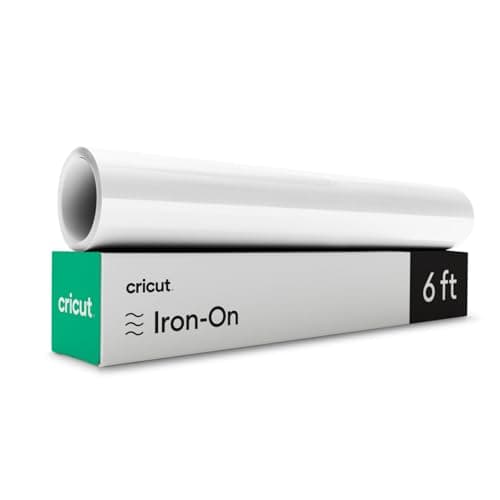
2. Best for pressing with a cricut easypress and following its heat guide
Cricut Everyday Iron-On
Cricut · Currently sold · Verified 2026-09-27
The reason to pay Cricut's premium is the lookup, not the film. Cricut publishes a named time, temperature and pressure setting for Everyday Iron-On against each of its own presses and each base material, cotton included, so there is no guesswork on the first shirt. If you own an EasyPress and you want the shortest route from box to pressed shirt, this is it. On cost per square inch it is clearly beaten by everything else here.
What works
- Cricut's Heat Guide gives you a precise, named setting instead of a guess
- Sold in the same shops as the machine, so it is easy to restock
- Consistent weeding behavior across colors
What does not
- Costs more per square inch than third-party HTV
- The convenience is mostly about the settings lookup, not the material itself
Not for you if
You are pressing a lot of shirts and cost per shirt matters. Third-party rolls are meaningfully cheaper.
Key specs
- Type
- Heat transfer vinyl (HTV)
- Fabric compatibility
- Cricut rates it for cotton, polyester, blends, canvas
- Settings source
- Listed in Cricut's own Heat Guide by press and material
- Format
- Rolls and sheets
- Finish
- Matte
Price as of November 12, 2026
#ad · affiliate link · we never show a price we cannot verify
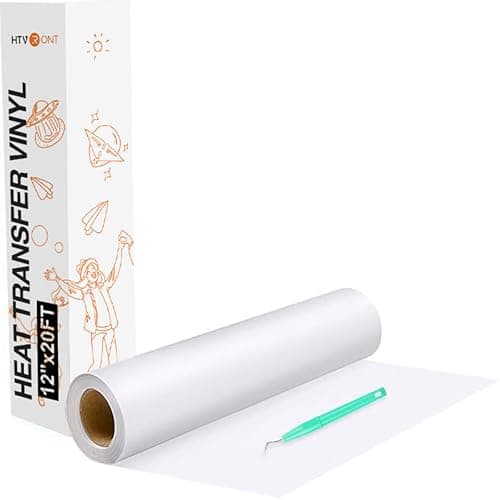
3. Best for cost per shirt once cotton tees are a batch job
HTVRONT HTV Rolls
HTVRONT · Currently sold · Verified 2026-09-27
Buying by the roll rather than the sheet is a large step down in cost per square inch, and cotton is the fabric where you can afford the trade-off — you have thermal headroom, so a slightly less consistent film still presses fine. What you give up is weeding behavior on fine detail and consistency between rolls. Press one test piece from each new roll and you will catch a bad batch before it costs you a run of shirts.
What works
- Far cheaper by area than sheet-format premium HTV
- Wide color and finish range including glitter and holographic
- Rolls mean you stop rationing material and start practicing
What does not
- Fine detail weeds less cleanly than Siser EasyWeed
- Batch-to-batch consistency is less predictable
- You are committing to a whole roll of one color
Not for you if
Your first project is a very fine script design. Learn to weed on EasyWeed first, then switch to save money.
Key specs
- Type
- Heat transfer vinyl (HTV)
- Format
- Rolls, typically 12 in wide
- Fabric compatibility
- Rated for cotton, polyester and blends
- Finish
- Matte, plus glitter and specialty lines
- Value
- Lowest cost per square inch of the three HTVs here
Price as of November 12, 2026
#ad · affiliate link · we never show a price we cannot verify
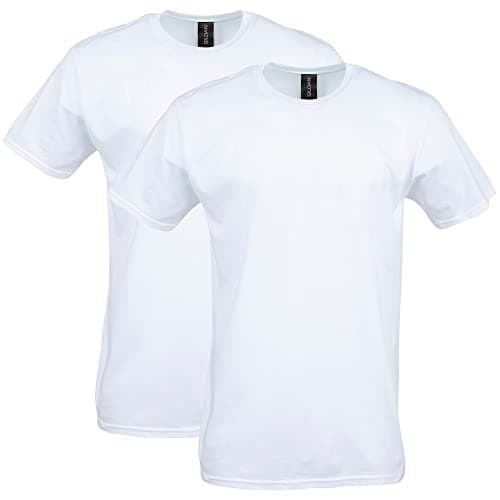
4. Best for knowing the shirt is actually cotton
Gildan Softstyle Cotton T-Shirts
Gildan · Currently sold · Verified 2026-09-27
The variable that causes most of the reports of HTV refusing to stick. A shirt sold as cotton is often a 50/50 blend, a tri-blend, or ring-spun cotton with elastane in the collar, and those take heat differently from a 100% cotton tee. Buying blanks that state the fiber content is what makes your settings reproducible from one batch to the next. It also decides how the finished shirt feels, which is the part the wearer notices.
What works
- Any color works, which sublimation cannot claim
- Soft and familiar to wear
- Cheap in multi-packs, so practice is affordable
What does not
- Cotton will not take sublimation ink at all
- Very heavy or textured cotton gives uneven HTV adhesion
- Needs a pre-press to drive out moisture before the design goes on
Not for you if
You are sublimating. Sublimation needs polyester, and cotton simply will not hold the ink.
Key specs
- Fabric
- Cotton or cotton/poly blend
- Works with
- Heat transfer vinyl — not sublimation
- Weight
- Softstyle G64000 is 4.5 oz ring-spun — it presses flatter than heavy open-weave cotton
- Color
- Any color, including dark — unlike sublimation
Price as of November 12, 2026
#ad · affiliate link · we never show a price we cannot verify
The picks side by side
| Material | Format | Published cotton rating | Weeding | Best for |
|---|---|---|---|---|
| Siser EasyWeed | Sheets and rolls | Cotton, polyester, poly/cotton blends | The cleanest here on fine detail | Nearly every cotton shirt |
| Cricut Everyday Iron-On | Rolls and sheets | Cotton, polyester, blends, canvas | Good | A named setting in Cricut's Heat Guide |
| HTVRONT HTV rolls | Rolls, typically 12 in wide | Cotton, polyester, blends | Adequate, less consistent roll to roll | Cost per shirt in batches |
Settings: start here, then test
Published figures are a starting point, not a guarantee, because your press, your pressure and your blank are all variables. The order of operations that saves shirts is: start at the manufacturer's number, press a test piece on a scrap or a hem, then adjust time and pressure before you ever adjust temperature.
| Situation | Where to start | What to adjust first | What to avoid |
|---|---|---|---|
| 100% cotton tee, light color | The vinyl's published cotton setting | Time, then pressure | Skipping the pre-press |
| 100% cotton tee, dark color | The same setting — dye migration is not a cotton problem | Pressure | Assuming dark fabric needs more heat |
| 50/50 poly-cotton | The vinyl's polyester figure, not its cotton figure | Time, in small increments | Cotton settings on a blend |
| Thick cotton sweatshirt or canvas tote | The cotton setting plus a firmer press | Pressure, then time | Pressing over a seam without a pillow |
The mistakes that get blamed on the vinyl
- Pressing a blend at cotton settings. A 50/50 shirt is not a cotton shirt. Use the polyester figure and work up.
- Skipping the pre-press. Three to five seconds of heat on the blank drives out moisture and flattens the fabric. Cotton holds more moisture than you would think, and steam under a transfer is a lifted corner later.
- Peeling at the wrong time. A cold-peel carrier peeled hot lifts the design with it. The carrier sheet states which it is.
- Not enough pressure. Most handheld presses need real body weight behind them on a firm surface. A soft ironing board absorbs the pressure you think you are applying — do you need a heat press covers the cheap fix.
- Using adhesive vinyl by mistake. Oracal 651 and similar permanent vinyls are for hard surfaces and will not survive a wash on fabric. HTV versus adhesive vinyl is the five-minute read that prevents this.
- Washing it the same hour. Give a pressed shirt 24 hours before its first wash, then wash it inside out on cold.
What to buy if you are only buying one thing
Buy one roll or a small multipack of Siser EasyWeed in black, plus a cotton blank whose composition you know. That combination has the highest chance of a first shirt that works, and black on a light tee hides the small application errors a beginner inevitably makes. How to use HTV walks the process end to end, and your first Cricut shirt is the project version of the same thing.
Add a cheaper roll only once cotton shirts are a repeating job rather than a one-off. Buying budget vinyl for your first attempt is a false economy: you will not know whether a poor result was the material or you. If cost is the whole constraint, the cheapest vinyl for Cricut sets out what you actually give up.
Canvas is a heavyweight cousin of ordinary cotton and behaves differently under a press — the weave is uneven and tote bags are full of seams. The best HTV for canvas bags covers that case and the pressing fix for designs lifting at the corners.
Cotton towels are a different problem from cotton jersey, because terry is looped pile rather than a flat surface: the best HTV for towels covers the thinner films and the firmer pressing that bath, kitchen and tea towels need.
Common questions
What is the best heat transfer vinyl for cotton shirts?
What temperature do you press HTV on cotton?
Can you use any iron-on vinyl on 100% cotton?
Why does my HTV peel off a cotton shirt?
Is HTV or sublimation better for cotton?
Sources
- Siser North America — HTV product range — Confirmed EasyWeed, EasyWeed Extra, EasyWeed Stretch, EasyWeed Sub Block and EcoStretch are current named Siser HTV lines, and that Siser publishes an HTV reference chart - checked 10 October 2026
- Cricut Heat Guide — Named time, temperature and pressure settings for Everyday Iron-On by base material and Cricut press - checked 10 October 2026
- HTVRONT — Confirmed HTVRONT sells standard HTV in roll format rated for cotton, polyester and blends - checked 10 October 2026
How we picked
We verify every product is currently sold by reading the manufacturer's own catalog, compare published specifications rather than marketing copy, and rank on what a first-time buyer has to decide. We do not run lab tests and we do not claim to, and commission never affects the order.
Read this next
The Best HTV Vinyl for Beginners
Which heat transfer vinyl weeds cleanly and presses forgivingly — and which to switch to later.
Choosing HTV by Fabric Type
Which heat transfer vinyl suits each fabric, and the fabrics that resist adhesive regardless.
The Best Heat Transfer Vinyl for Polyester
Which heat transfer vinyl actually holds on 100% polyester and performance fabric, the heat ceiling that stops it scorching, and what dye migration does to a colored shirt.
The Best Blank Shirts for HTV
Which blanks take heat transfer vinyl cleanly, and the fabrics that cause avoidable problems.
How to Use HTV
The full HTV process from cut to peel, plus a troubleshooting section for when it does not stick.
Heat Press Temperature Guide
Published time and temperature figures by material, sourced — plus the three variables that matter more.
Back to Vinyl & Materials.