
Best HTV for Jerseys
A jersey is the hardest common fabric to press: thin polyester that stretches, sometimes mesh, and a garment that gets washed after every game.
Heads up: Mat & Blade earns a commission from qualifying purchases made through the links on this page, at no extra cost to you. It never changes which products we recommend or how we rank them. Read the full disclosure.
For jerseys, a Siser stretch film is the pick. A jersey is thin, stretchy polyester — often mesh — and it gets washed after every use, which is the exact combination that cracks standard heat transfer vinyl. A stretch formulation moves with the fabric instead of resisting it. Siser lists EasyWeed Stretch at 320°F for 20 seconds at firm pressure; its current replacement, EasyWeed EcoStretch, applies at just 250°F, which matters because polyester scorches.
Quick picks
| # | Product | Best for | Price |
|---|---|---|---|
| 1 | 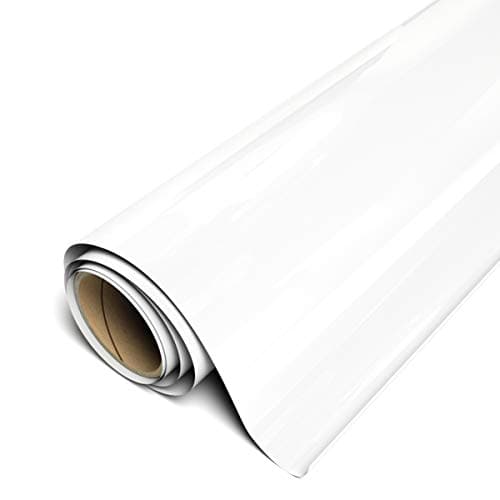 Siser EasyWeed Stretch HTVThe heat transfer vinyl built for fabric that moves — it stretches with a polyester jersey instead of crack... | The right answer for almost every jersey | $18.39 · View on Amazon Price as of November 12, 2026 #ad · affiliate link · we never show a price we cannot verify |
| 2 |  Siser EasyWeed HTVThe default heat transfer vinyl for beginners: it weeds cleanly, presses at a forgiving temperature, and is... | Non-stretch jerseys and training tops | $39.99 · View on Amazon Price as of November 12, 2026 #ad · affiliate link · we never show a price we cannot verify |
| 3 | 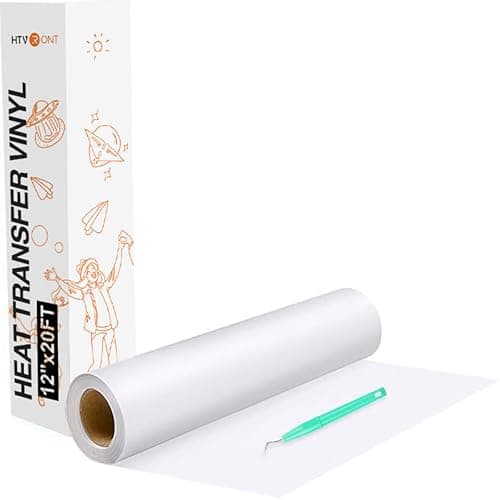 HTVRONT HTV RollsThe budget HTV that most people move to once they stop making one shirt at a time — noticeably cheaper by t... | Full team sets, where cost per shirt decides | $14.24 · View on Amazon Price as of November 12, 2026 #ad · affiliate link · we never show a price we cannot verify |
| 4 | 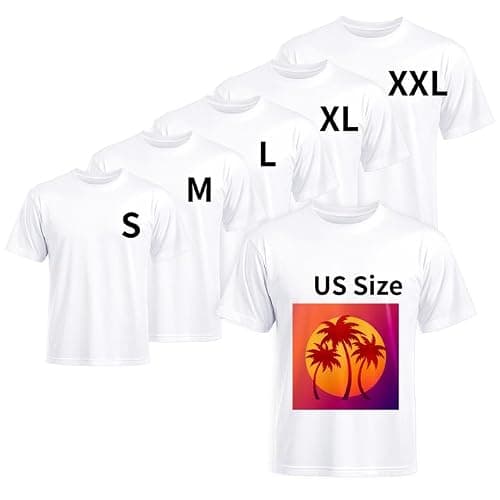 Polyester Blank ShirtsSublimation bonds to polyester and only polyester — the blank matters more than the printer, and this is th... | Buying the jersey blanks themselves | $19.99 · View on Amazon Price as of November 12, 2026 #ad · affiliate link · we never show a price we cannot verify |
Tap any row to jump to the full write-up. Prices come from Amazon on the date stamped on each button and can change after that — check the listing before you buy.
What makes jerseys different
Three properties, all working against you. The fabric is usually 100% polyester, which is heat-sensitive — the same reason sublimation works on it is the reason it scorches. It is knitted to stretch in at least one direction, so anything bonded to it has to stretch too. And on many jerseys part of the garment is mesh, which has holes: there is no continuous surface for the adhesive to grip, so a design placed over mesh will lift at the holes no matter what you buy.
The fourth property is washing. A jersey is washed far more often than a casual tee and often warmer. That compounds every weakness above, which is why the shirt looks fine for a month and bad by the end of a season.
What to look for
- A stretch formulation. Named as such by the manufacturer. Standard HTV on stretch knit is the single most common cause of cracked numbers.
- A rated temperature at or below about 305°F. Lower is safer on thin polyester. Always use the material's own figure, never a generic one.
- Thin film. Thinner moves with the fabric and feels less like a plate stuck to a shirt. Siser rates EasyWeed Stretch as the thinnest in its line.
- Clean weeding. Jersey work is names and numbers, which means lots of internal counters. Material that weeds badly makes the job miserable.
- Manufacturer polyester rating. Not an assumption. Siser rates EasyWeed Stretch explicitly for 100% polyester.
- Avoid thick specialty films. Glitter, flock and holographic are stiff. On a stretch jersey they are the wrong tool regardless of how good they look flat.
Material comparison
| Material | Stretch | Rated for 100% polyester | Manufacturer setting | Best use on a jersey |
|---|---|---|---|---|
| Siser EasyWeed Stretch | Yes — formulated for it | Yes | 320°F, 20 s, firm pressure | Numbers and names on performance knit |
| Siser EasyWeed | No | Yes | Per Siser's chart for EasyWeed | Replica shirts and non-stretch training tops |
| HTVRONT HTV rolls | No | Rated for cotton, polyester and blends | Per the roll's own instructions | Team sets where cost per shirt dominates |
| Glitter / flock / holographic | No — stiff | Varies | Varies, usually higher | Avoid on stretch jersey fabric |
1. Best for the right answer for almost every jersey
Siser EasyWeed Stretch HTV
Siser · Prior generation · Verified 2026-10-08
Jerseys stretch, and standard HTV does not stretch with them — which is what produces the cracked numbers you see on a second-season shirt. EasyWeed Stretch is the thinnest material in the Siser line and is formulated to move with the fabric. Siser rates it for 100% polyester, 100% cotton, poly/cotton blends, leather and Lycra/spandex, and lists 320°F for 20 seconds at firm pressure. Hot or cold peel, so the carrier is forgiving. One caveat worth knowing: Siser has retired this film in favor of EasyWeed EcoStretch, which does the same job at a much cooler 250°F — [the two Siser stretch films compared](/vinyl/siser-easyweed-vs-easyweed-stretch).
What works
- Stretches with knit polyester instead of cracking when the garment does
- Thin and light enough that a tank top or onesie does not feel patched
- Weeds as cleanly as standard EasyWeed on fine detail
- Sold in both single sheets and rolls, so you can test one color first
What does not
- Discontinued by Siser — EasyWeed EcoStretch is the current stretch film
- Costs more per square inch than standard EasyWeed or budget roll HTV
- Needs 320°F and firm pressure, which is hotter than thin polyester likes
- Matte only — there is no gloss or glitter in the Stretch line
- Overkill, and an unnecessary expense, on a rigid cotton tee
Not for you if
Everything you press is standard cotton t-shirts. Standard EasyWeed is cheaper and the stretch does nothing for you there.
Key specs
- Type
- Heat transfer vinyl (HTV) — stretch formulation
- Fabric compatibility
- Siser rates it for 100% polyester, 100% cotton, poly/cotton blends and leather
- Application
- Siser lists 320°F for 20 seconds at firm pressure
- Thickness
- Siser published 85 microns / 3.35 mils — thinner than standard EasyWeed
- Peel
- Hot or cold — the carrier is forgiving either way
- Finish
- True matte
Price as of November 12, 2026
#ad · affiliate link · we never show a price we cannot verify
2. Best for non-stretch jerseys and training tops
Siser EasyWeed HTV
Siser · Currently sold · Verified 2026-09-27
Not every jersey is performance knit. Heavier replica shirts, cotton-blend training tops and sublimated-polyester jerseys with little stretch are perfectly served by standard EasyWeed, which Siser rates for cotton, polyester and poly-cotton blends. At roughly 90 microns it is thin, it weeds cleanly — which matters enormously on numbers and names — and it is cheaper per sheet than the stretch version. Test the fabric's stretch with your hands before you choose; if it springs back noticeably, go stretch.
What works
- Weeds more cleanly than almost anything else at this price
- Thin enough that a layered design does not feel like a plastic patch
- Siser publishes clear time and temperature guidance for it
- Sold in single sheets, so you can try three colors without buying three rolls
What does not
- Matte only — no gloss, glitter or specialty finish in the base line
- Sheets cost more per square inch than buying a roll
- Still needs real heat and pressure; a household iron gives mixed results
Not for you if
You want a glitter or holographic finish. That is a different Siser product line, not EasyWeed.
Key specs
- Type
- Heat transfer vinyl (HTV) — for fabric
- Fabric compatibility
- Siser rates it for cotton, polyester and cotton/poly blends
- Thickness
- Siser published 90 microns / 3.5 mils
- Application
- Siser lists 305°F for 10-15 seconds at medium pressure
- Carrier
- Pressure-sensitive clear carrier sheet
- Finish
- Semi-gloss — EasyWeed Matte is a separate Siser line
Price as of November 12, 2026
#ad · affiliate link · we never show a price we cannot verify
3. Best for full team sets, where cost per shirt decides
HTVRONT HTV Rolls
HTVRONT · Currently sold · Verified 2026-09-27
A fifteen-shirt team order makes cost per square inch a real number rather than a footnote. HTVRONT rolls are the lowest cost per square inch of the HTVs here, come typically 12 inches wide, and are rated for cotton, polyester and blends. The honest trade is consistency: on thin, stretchy performance fabric a budget film is more likely to be the one that cracks first. Use it for names and small numbers on training kit and for anything where the garment will not outlive the season anyway.
What works
- Far cheaper by area than sheet-format premium HTV
- Wide color and finish range including glitter and holographic
- Rolls mean you stop rationing material and start practicing
What does not
- Fine detail weeds less cleanly than Siser EasyWeed
- Batch-to-batch consistency is less predictable
- You are committing to a whole roll of one color
Not for you if
Your first project is a very fine script design. Learn to weed on EasyWeed first, then switch to save money.
Key specs
- Type
- Heat transfer vinyl (HTV)
- Format
- Rolls, typically 12 in wide
- Fabric compatibility
- Rated for cotton, polyester and blends
- Finish
- Matte, plus glitter and specialty lines
- Value
- Lowest cost per square inch of the three HTVs here
Price as of November 12, 2026
#ad · affiliate link · we never show a price we cannot verify
4. Best for buying the jersey blanks themselves
Polyester Blank Shirts
Joyclub · Currently sold · Verified 2026-09-27
If you are making the jerseys rather than decorating existing ones, start with 100% polyester or a high-polyester blend in white or a light color. That gives you a fabric that presses predictably and leaves the sublimation route open as well as HTV. Note the key limitation if you ever want sublimation on these: ink bonds to polymer, not cotton, and will not show on dark fabric — which is a reason to think about color before you buy a box of them.
What works
- The only fabric sublimation genuinely bonds to
- Result has no hand feel at all — the design is in the fabric
- Will not crack or peel the way a vinyl transfer can
What does not
- White or near-white only — this is a hard physical limit
- 100% polyester feels different from a cotton tee
- Blends fade the design, which you may or may not want
Not for you if
You want a soft cotton shirt or a dark shirt. Use heat transfer vinyl instead — it works on both.
Key specs
- Fabric
- 100% polyester, or a high-polyester blend
- Color
- White or very light — dark fabric will not work
- Why polyester
- Sublimation ink bonds to polymer, not to cotton fiber
- Blend behavior
- A 65/35 blend gives a faded, vintage-looking result
Price as of November 12, 2026
#ad · affiliate link · we never show a price we cannot verify
Pressing a jersey without wrecking it
- Check the garment label first. Some performance fabrics state a maximum iron temperature. If it is below your vinyl's rated temperature, that garment cannot take that vinyl.
- Test on a spare. One shirt from the box, pressed and washed, is worth more than any chart. On a team order this is not optional.
- Pre-press for a few seconds. Drives out moisture and flattens the fabric. Moisture in polyester is a common cause of poor adhesion.
- Use a cover sheet or Teflon. It spreads the heat slightly and stops the plate marking a shine into the fabric.
- Press at the material's lowest rated temperature and the stated time. Longer and hotter is not safer here; it is how you scorch.
- Never press over mesh. Place designs on the solid panel. If the number has to sit over mesh, that is a job for a sewn twill number, not vinyl.
- Peel as the carrier states. EasyWeed Stretch takes a hot or cold peel, which is unusually forgiving — most films are specific.
- Wash cold, inside out, no fabric softener, and hang dry. Tumble drying a jersey is what finishes off a design that was otherwise fine.
If the press itself is holding you back, the two things that matter on a jersey are a reliably held temperature and even pressure — which is exactly what a household iron cannot provide. The heat press temperature guide has the settings reference, and the best heat press for t-shirts covers the hardware.
Numbers, names and layering
Most jersey work is two-color: an outlined number, or a name over a stripe. That means layering, and layering on stretch fabric compounds the stiffness problem — two films on top of each other stretch less than one. Keep layers to two, use the thinnest material you have, and knock out the bottom layer where the top one covers it so you are not stacking film unnecessarily. The best HTV for layering covers the technique and which films tolerate a second pass.
For polyester generally — not just jerseys — the material question is the same one with slightly looser constraints. The best HTV vinyl for polyester is the broader page, and the best HTV for fabric types is the full material-by-fabric reference.
Common questions
What is the best HTV for jerseys?
Can you put HTV on a mesh jersey?
What temperature do you press HTV on a polyester jersey?
Why do jersey numbers crack?
Can you use glitter HTV on a jersey?
Is sublimation better than HTV for jerseys?
Sources
- Google Autocomplete — 'best htv for' — 'best htv for jerseys' returned as a live completion, alongside 'best htv for polyester' and 'best htv for nylon' - checked 17 October 2026
- Siser EasyWeed Stretch — manufacturer application instructions — Confirmed fabric compatibility (100% polyester, 100% cotton, poly/cotton blends, leather), 305°F for 15 seconds at medium pressure, hot or cold peel - checked 17 October 2026
- Siser EasyWeed — manufacturer product page — Confirmed cotton, polyester and poly-cotton compatibility and the thin film specification - checked 17 October 2026
How we picked
We verify every product is currently sold by reading the manufacturer's own catalog, compare published specifications rather than marketing copy, and rank on what a first-time buyer has to decide. We do not run lab tests and we do not claim to, and commission never affects the order.
Read this next
The Best Heat Transfer Vinyl for Polyester
Which heat transfer vinyl actually holds on 100% polyester and performance fabric, the heat ceiling that stops it scorching, and what dye migration does to a colored shirt.
Choosing HTV by Fabric Type
Which heat transfer vinyl suits each fabric, and the fabrics that resist adhesive regardless.
The Best HTV for Layering
Which heat transfer vinyl stacks without going stiff, the press order and timings for a layered design, and why the fourth layer is usually a mistake.
Heat Press Temperature Guide
Published time and temperature figures by material, sourced — plus the three variables that matter more.
The Best HTV Vinyl for Beginners
Which heat transfer vinyl weeds cleanly and presses forgivingly — and which to switch to later.
How to Use HTV
The full HTV process from cut to peel, plus a troubleshooting section for when it does not stick.
Back to Vinyl & Materials.