The Best Vinyl for Tumblers and Glass
Permanent vinyl, alcohol-cleaned surfaces, and hand washing. Skip any of the three and it lifts.
Heads up: Mat & Blade earns a commission from qualifying purchases made through the links on this page, at no extra cost to you. It never changes which products we recommend or how we rank them. Read the full disclosure.
Use permanent adhesive vinyl, clean the surface with isopropyl alcohol, and hand wash afterwards. Tumblers and glass are easy surfaces for adhesion and hard surfaces for application, because of the curve. And no vinyl survives a dishwasher for long, whatever the listing claims.
Why permanent, and only permanent
Drinkware gets handled constantly, gets wet, goes in and out of bags, and gets washed. Removable vinyl's low-tack adhesive is designed to release cleanly, which is exactly the wrong property here — it starts lifting at the edges within weeks of regular use.
Permanent vinyl's solvent-based adhesive cures hard over roughly 24 to 72 hours and resists water and handling. The full permanent-versus-removable breakdown.
The dishwasher problem
This is the most common complaint about vinyl drinkware, and it is worth being direct: no craft vinyl reliably survives a dishwasher. Sustained high heat softens the adhesive while detergent attacks the bond and high-pressure water gets under any edge. Permanent vinyl lasts longer than removable, and it still fails.
Hand wash, avoid soaking, and if you are giving or selling a decorated tumbler, say so. A buyer who puts it in the dishwasher and watches the design lift concludes the product was poor, when the product was simply used in a way no vinyl tolerates.
Applying to a curve
This is the genuinely difficult part. A flat design applied to a cylinder wants to buckle, because the surface curves in a direction the vinyl does not.
1Keep the design narrow
A tall narrow design wraps far more easily than a wide short one. The wider a single piece is, the more it has to distort to lie flat on a curve. Vertical text is often easier than horizontal on a skinny tumbler.
2Clean with isopropyl alcohol
Not soapy water. New drinkware frequently carries a manufacturing residue, and fingerprints alone are enough on glass. Let it dry completely before applying — this step causes more failures than any other.
3Burnish the transfer tape firmly
More firmly than you would on a flat surface, since every piece has to stay put while being worked around a curve. Use a flexible scraper rather than a rigid one so it can follow the shape.
4Hinge from the center
Tape the middle of the design down first, then work outward in both directions. Starting from one end means any accumulated distortion ends up concentrated at the far end.
5Work outward with the scraper
Press down from the center toward each edge, easing the vinyl onto the curve as you go. Small bubbles will appear; push them toward the nearest edge rather than trying to lift and reposition.
6Burnish everything through the tape
Especially the edges, which is where lifting starts. Go around the design twice before removing the tape.
7Peel the tape back slowly, nearly flat
At a sharp angle against the surface, not straight up. If vinyl lifts with the tape, lay it back down, burnish that area again, and continue.
8Let it cure before use
At least 24 hours, ideally 72, before the tumbler is washed or filled with anything hot. Permanent adhesive needs that time to reach full strength.
Glass, and one extra consideration
Glass is one of the easiest surfaces for adhesion once genuinely clean, because it is smooth and non-porous. The complication is that it is see-through: on a clear glass the vinyl reads against whatever is behind it, and a design that looks strong on a white mockup can be almost invisible on a clear tumbler with a pale drink in it.
Solid bold designs work far better on clear glass than fine detail, and a contrasting color matters more than it would on an opaque surface. Test with the glass full as well as empty before committing to a batch.
What about sublimation instead?
On a polymer-coated tumbler, sublimation gives a result that looks genuinely manufactured — the design is in the coating rather than stuck on it, so there is no edge to lift. It requires a sublimation setup and a coated blank, so it is a step up rather than an alternative for a beginner.
Note that the same hand-wash caveat applies for a different reason: the coating itself can cloud under dishwasher heat. Sublimation blanks, and the full comparison.
1. Best for tumblers, glass and drinkware
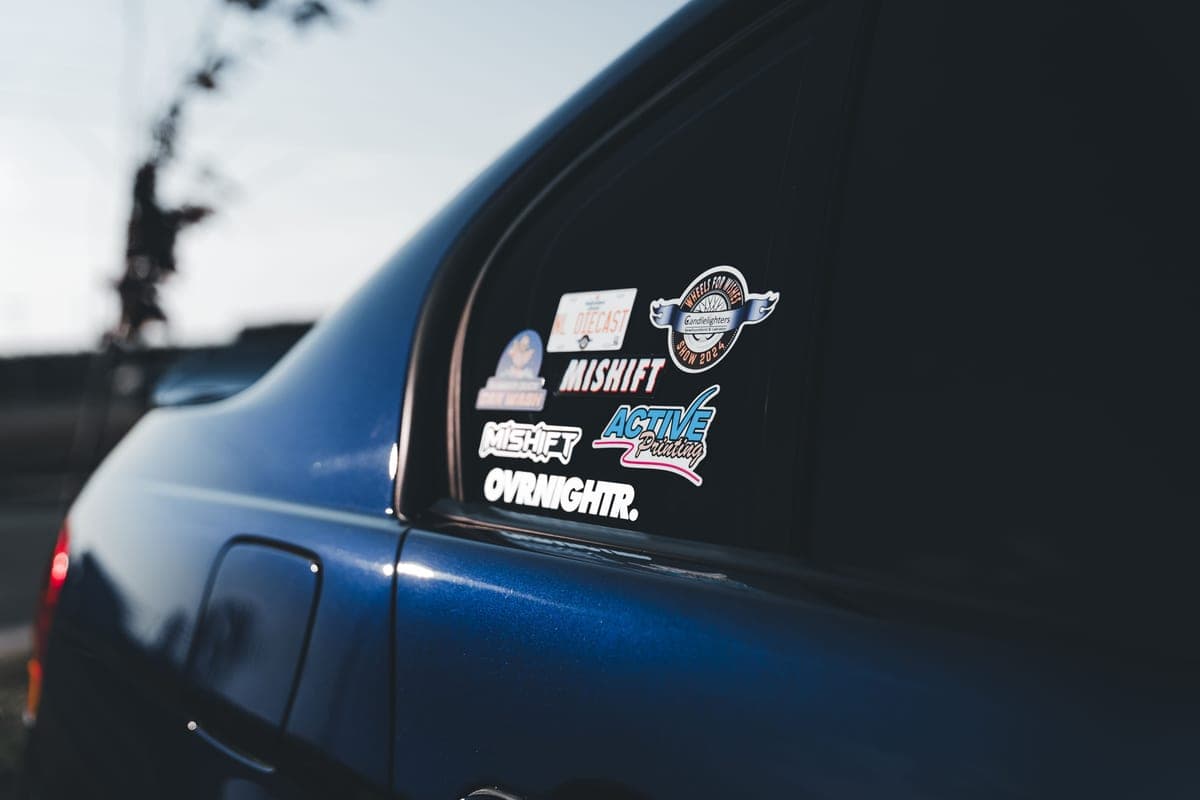
Oracal 651 Permanent Vinyl
Oracal · Currently sold · Verified 2026-09-27
Permanent adhesive vinyl with a solvent-based adhesive built to resist water and handling, rated by Oracal for years outdoors — which is a harsher environment than a tumbler faces. The gloss finish also suits drinkware better than matte does. This is the default and there is not much competition for it.
What works
- The reference permanent vinyl — settings and behavior are documented everywhere
- Genuinely weather-resistant, which most craft-store vinyl is not
- Wide color range and readily available by the roll
What does not
- Permanent means permanent — removing it from paint or a wall can take finish with it
- Gloss finish is not what you want on a wall quote
- Not for fabric under any circumstances
Not for you if
You are decorating a rented wall. Use removable 631 instead and keep your deposit.
Key specs
- Type
- Adhesive vinyl — for hard surfaces, not fabric
- Adhesive
- Permanent, solvent-based
- Outdoor durability
- Oracal rates 651 for up to six years outdoors
- Finish
- Gloss (matte available in some colors)
- Typical use
- Car decals, window signs, tumblers, outdoor labels
#ad · affiliate link · we never show a price we cannot verify
2. Best for applying to a curve
Vinyl Transfer Tape
Various · Currently sold · Verified 2026-09-27
Curved surfaces are the hardest application in this hobby, because the design has to stretch slightly as it wraps. Transfer tape holds every piece in position while you work it around the curve — without it, letters end up unevenly spaced within the first inch.
What works
- Turns an impossible alignment job into a single motion
- Gridded versions make straight application genuinely easy
- Cheap relative to how much frustration it removes
What does not
- High-tack tape can pull thin vinyl off its backing and tear it
- Not used for heat transfer vinyl, which has its own carrier sheet
Not for you if
You are only making shirts. HTV comes with its own carrier and needs no transfer tape.
Key specs
- Purpose
- Lifts a weeded decal off its backing and places it as one piece
- Tack
- Medium tack suits most craft vinyl
- Format
- Rolls, usually 12 in wide; gridded versions help alignment
- Reusable
- A sheet can usually be reused several times
#ad · affiliate link · we never show a price we cannot verify
3. Best for convenience on indoor items
Cricut Premium Vinyl (Permanent)
Cricut · Currently sold · Verified 2026-09-27
Named settings in Design Space and matless Smart formats make it convenient, and it is rated for a shorter outdoor life than Oracal 651. For a tumbler kept indoors and hand washed, that difference matters much less than it would on a car.
What works
- Named material preset means no test cuts to find a setting
- Smart Vinyl versions cut without a mat on current machines
- Available in every shop that sells the machines
What does not
- More expensive per square foot than Oracal
- Rated for a shorter outdoor life than Oracal 651
Not for you if
You are cutting a lot of decals and cost matters. Oracal 651 is cheaper and rated to last longer outside.
Key specs
- Type
- Adhesive vinyl — permanent
- Outdoor durability
- Cricut rates Premium Permanent for up to three years outdoors
- Finish
- Gloss, matte, shimmer and specialty options
- Format
- Rolls and sheet packs, including Smart Vinyl for matless cutting
- Settings
- Named preset in Design Space
#ad · affiliate link · we never show a price we cannot verify
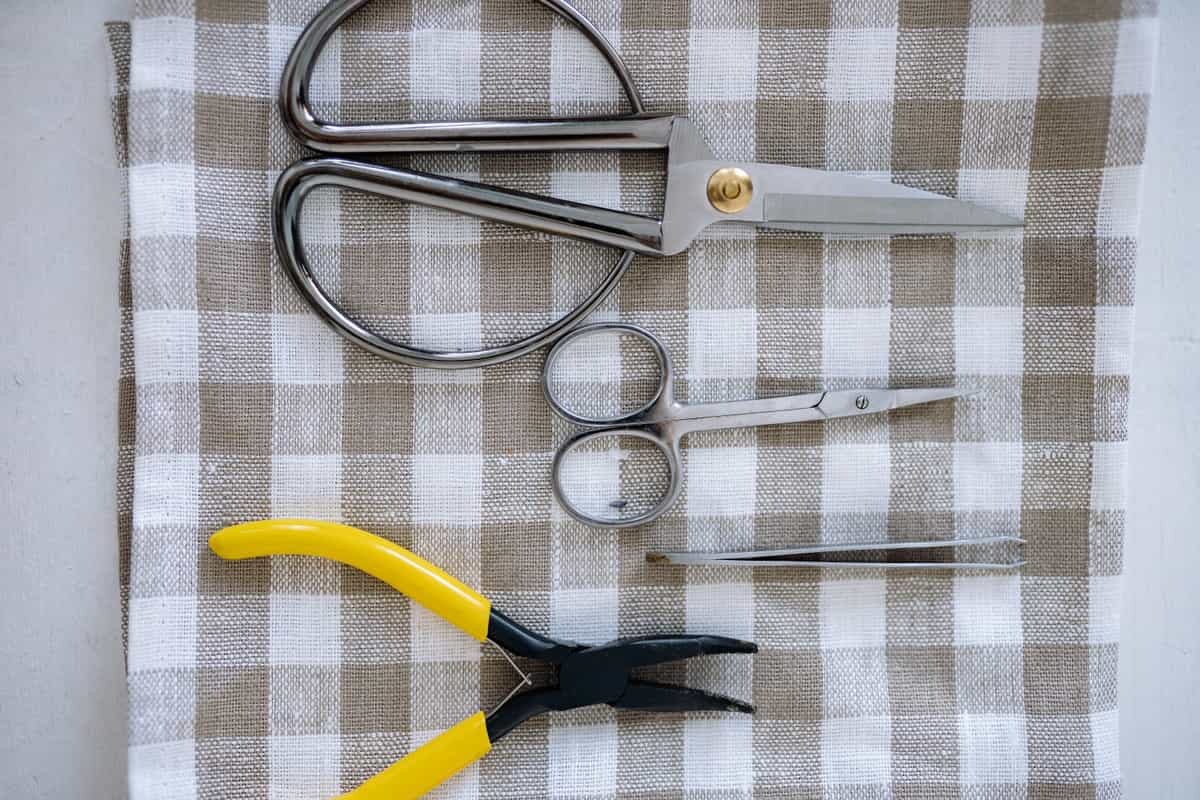
4. Best for the scraper especially
Vinyl Weeding Tool Set
Various · Currently sold · Verified 2026-09-27
A scraper burnishes the transfer tape onto the design and then burnishes the design onto the curve, which is the step that decides whether a curved application holds. A flexible scraper works better on a curve than a rigid one.
What works
- Turns the most tedious step into a manageable one
- The scraper doubles as your transfer-tape burnishing tool
- Cheap, and a set lasts years
What does not
- Cheap sets have soft points that dull quickly
- More pieces than you will actually use
Not for you if
Nothing — if you cut vinyl, you need at least a hook.
Key specs
- Typical set
- Weeding hook, fine tweezers, scraper, spatula, scissors
- Used for
- Removing the vinyl you did not cut out of the design
- Also fits
- Every brand of machine — nothing here is Cricut-specific
#ad · affiliate link · we never show a price we cannot verify
Common questions
What vinyl should I use on a tumbler?
Is vinyl on a tumbler dishwasher safe?
How do you apply vinyl to a curved surface?
Why does my tumbler vinyl keep peeling?
Can you put vinyl on glass?
Sources
- Orafol / Oracal product data — 651 adhesive type, cure behavior and durability rating, verified 27 September 2026
- Cricut material information — Premium Permanent Vinyl rating and application guidance, verified 27 September 2026
How we picked
We verify every product is currently sold by reading the manufacturer's own catalog, compare published specifications rather than marketing copy, and rank on what a first-time buyer has to decide. We do not run lab tests and we do not claim to, and commission never affects the order.
Read this next
The Best Permanent Vinyl
Permanent vinyl that genuinely lasts outdoors, plus the surfaces where it is the wrong answer.
Permanent vs Removable Vinyl
Which adhesive vinyl for which surface, with the durability ratings and the consequences of choosing wrong.
Your First Vinyl Decal
The cheapest first project — a complete decal walkthrough with no heat source required.
The Best Vinyl for a Cricut
The right vinyl for each surface — permanent, removable and heat transfer, with the reasoning.
The Best Sublimation Blanks
Which blanks genuinely take sublimation, which are most forgiving, and what to check before buying.
Back to Vinyl & Materials.