
Best HTV for Koozies
A koozie is a foam tube. Everything about pressing it is different from pressing a shirt, starting with the fact that you cannot lay it flat.
Heads up: Mat & Blade earns a commission from qualifying purchases made through the links on this page, at no extra cost to you. It never changes which products we recommend or how we rank them. Read the full disclosure.
For koozies, Siser EasyWeed Stretch is the pick, pressed at the low end of its range. A neoprene koozie is foam: it stretches when squeezed, it compresses under a press, and it deforms or shines if you overheat it. A stretch film moves with it instead of cracking, and Siser's stated 305°F for 15 seconds at medium pressure is a comparatively gentle setting. Press it with a small handheld press on a firm mat, not a full-size clamshell.
Quick picks
| # | Product | Best for | Price |
|---|---|---|---|
| 1 | 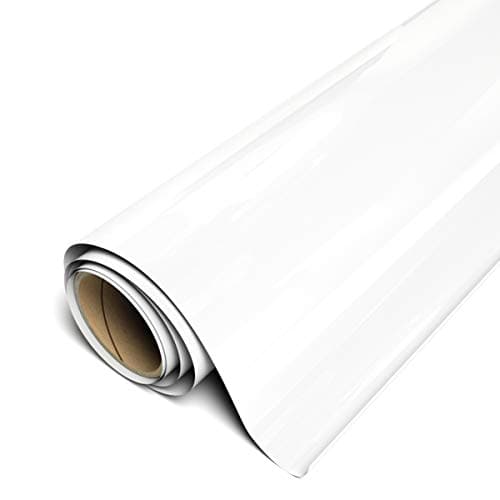 Siser EasyWeed Stretch HTVThe heat transfer vinyl built for fabric that moves — it stretches with a polyester jersey instead of crack... | The best match for neoprene foam | $18.39 · View on Amazon Price as of November 12, 2026 #ad · affiliate link · we never show a price we cannot verify |
| 2 |  Siser EasyWeed HTVThe default heat transfer vinyl for beginners: it weeds cleanly, presses at a forgiving temperature, and is... | Non-stretch koozies and polyester-faced blanks | $39.99 · View on Amazon Price as of November 12, 2026 #ad · affiliate link · we never show a price we cannot verify |
| 3 | 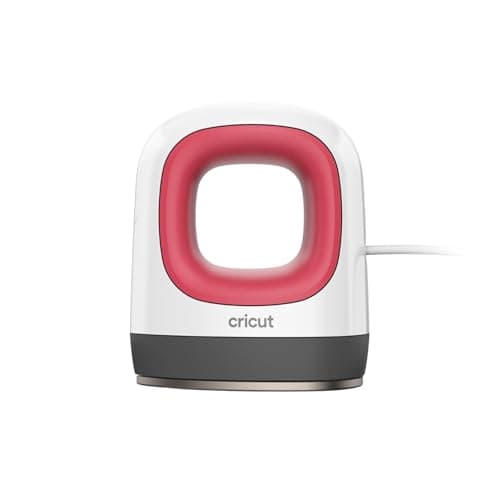 Cricut EasyPress MiniA specialist, not a first press — it goes where a flat plate cannot, and it is far too small to press a shi... | The right-sized heat source for a koozie | Check price on Amazon #ad · affiliate link · we never show a price we cannot verify |
| 4 | 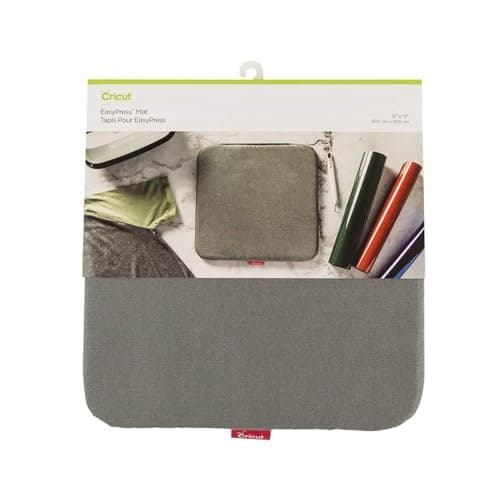 Cricut EasyPress MatThe cheap accessory that fixes most failed presses: it gives you a firm, even, heat-safe surface instead of... | Giving hand pressure something to push against | $9.99 · View on Amazon Price as of November 12, 2026 #ad · affiliate link · we never show a price we cannot verify |
Tap any row to jump to the full write-up. Prices come from Amazon on the date stamped on each button and can change after that — check the listing before you buy.
What a koozie actually is
Two different things sold under one name, and knowing which you have changes the answer. A bare neoprene koozie is closed-cell foam with no fabric face — soft, squashy, heat-sensitive. A fabric-faced koozie has a thin knitted polyester layer laminated to the foam, and that face behaves much more like a normal polyester garment. Squeeze the blank and look at the surface: if you can see a knit, you have the second kind and your settings are more forgiving.
Either way, the geometry is the problem. A koozie is a tube around 4 inches tall that you cannot lay genuinely flat without creasing the seam, and foam compresses unevenly under a large platen. That is why a small heat source beats a big one here — the opposite of the usual advice.
What to look for
- A stretch formulation. Koozies get squeezed constantly. Non-stretch film cracks across the middle of a design within weeks of use.
- The lowest rated temperature you can work with. Siser lists EasyWeed Stretch at 305°F. Neoprene punishes extra heat far more than fabric does.
- Thin film. Thick specialty vinyl on compressible foam is the worst combination in this project — stiff film, soft base, poor contact.
- Clean weeding at small sizes. A koozie panel is roughly 3.5 x 4 inches. Designs are small, so weeding is fiddly and thin film helps.
- A small plate. A press smaller than the panel gives better control on a curved, compressible surface than a large one does.
- Blanks sold as press-ready. Some novelty koozies have printed or coated faces that will not bond. Test one.
Material and settings comparison
| Material | Stretch | Manufacturer setting | Suits bare neoprene | Suits fabric-faced |
|---|---|---|---|---|
| Siser EasyWeed Stretch | Yes | 305°F, 15 s, medium pressure | Yes — the pick | Yes |
| Siser EasyWeed | No | Per Siser's EasyWeed chart | Workable, cracks sooner | Yes |
| Glitter / flock film | No — thick and stiff | Usually higher temperature | No | Not recommended |
| Printable HTV | No | Varies by brand | No | Test first |
1. Best for the best match for neoprene foam
Siser EasyWeed Stretch HTV
Siser · Prior generation · Verified 2026-10-08
Neoprene stretches and compresses, which is the same problem a performance jersey presents only more so, and a stretch film is the honest answer. Siser lists EasyWeed Stretch at 305°F for 15 seconds at medium pressure, and that comparatively low temperature is the reason it leads here — neoprene is foam, and foam deforms and shines under too much heat. It is also the thinnest material in the Siser line, so it moves with the koozie when someone squeezes it rather than cracking across the middle.
What works
- Stretches with knit polyester instead of cracking when the garment does
- Thin and light enough that a tank top or onesie does not feel patched
- Weeds as cleanly as standard EasyWeed on fine detail
- Sold in both single sheets and rolls, so you can test one color first
What does not
- Discontinued by Siser — EasyWeed EcoStretch is the current stretch film
- Costs more per square inch than standard EasyWeed or budget roll HTV
- Needs 320°F and firm pressure, which is hotter than thin polyester likes
- Matte only — there is no gloss or glitter in the Stretch line
- Overkill, and an unnecessary expense, on a rigid cotton tee
Not for you if
Everything you press is standard cotton t-shirts. Standard EasyWeed is cheaper and the stretch does nothing for you there.
Key specs
- Type
- Heat transfer vinyl (HTV) — stretch formulation
- Fabric compatibility
- Siser rates it for 100% polyester, 100% cotton, poly/cotton blends and leather
- Application
- Siser lists 320°F for 20 seconds at firm pressure
- Thickness
- Siser published 85 microns / 3.35 mils — thinner than standard EasyWeed
- Peel
- Hot or cold — the carrier is forgiving either way
- Finish
- True matte
Price as of November 12, 2026
#ad · affiliate link · we never show a price we cannot verify
2. Best for non-stretch koozies and polyester-faced blanks
Siser EasyWeed HTV
Siser · Currently sold · Verified 2026-09-27
Not every koozie is bare neoprene; many have a knitted polyester face laminated over the foam, and those behave much more like fabric. For those, standard EasyWeed is a perfectly good and cheaper choice — Siser rates it for cotton, polyester and poly-cotton blends, and at roughly 90 microns it weeds cleanly, which matters because koozie designs are small and detailed. Squeeze the blank first: if the face fabric barely moves, standard film is fine.
What works
- Weeds more cleanly than almost anything else at this price
- Thin enough that a layered design does not feel like a plastic patch
- Siser publishes clear time and temperature guidance for it
- Sold in single sheets, so you can try three colors without buying three rolls
What does not
- Matte only — no gloss, glitter or specialty finish in the base line
- Sheets cost more per square inch than buying a roll
- Still needs real heat and pressure; a household iron gives mixed results
Not for you if
You want a glitter or holographic finish. That is a different Siser product line, not EasyWeed.
Key specs
- Type
- Heat transfer vinyl (HTV) — for fabric
- Fabric compatibility
- Siser rates it for cotton, polyester and cotton/poly blends
- Thickness
- Siser published 90 microns / 3.5 mils
- Application
- Siser lists 305°F for 10-15 seconds at medium pressure
- Carrier
- Pressure-sensitive clear carrier sheet
- Finish
- Semi-gloss — EasyWeed Matte is a separate Siser line
Price as of November 12, 2026
#ad · affiliate link · we never show a price we cannot verify
3. Best for the right-sized heat source for a koozie
Cricut EasyPress Mini
Cricut · Currently sold · Verified 2026-09-27
A koozie is a small tube roughly 4 inches tall, and a full-size plate is the wrong shape for it — you cannot get even contact on a curved foam cylinder with a large flat platen. The Mini's small plate and pointed tip let you work a panel at a time and reach the seam, and it heats in well under a minute. It has no timer and no pressure mechanism, so use a phone timer and a firm surface. If you make koozies regularly, this is the tool that makes the job pleasant.
What works
- Reaches into seams and curves no full-size plate can touch
- Makes hats and shoes genuinely possible
- Very cheap relative to a full press
What does not
- Far too small to press a shirt front in one go
- Preset heat levels rather than a precise temperature
Not for you if
This is your only heat source. It cannot press a normal shirt design in an acceptable number of passes.
Key specs
- Type
- Miniature handheld heat press
- Plate
- Small, with a pointed tip for corners and seams
- Typical use
- Hats, shoes, pockets, seams, small patches
- Heat settings
- Three preset levels
#ad · affiliate link · we never show a price we cannot verify
4. Best for giving hand pressure something to push against
Cricut EasyPress Mat
Cricut · Currently sold · Verified 2026-09-27
A handheld press only applies the pressure you push into it, and a koozie is compressible foam that absorbs most of it. A firm heat-resistant mat under the blank gives you a surface that pushes back, which is what turns hand weight into contact. It also protects the bench from heat coming through a thin blank. Cricut lists 12 x 12 in and 16 x 20 in mats; the smaller one is ample for koozies.
What works
- Turns an uneven surface into an even one, which is most of a good press
- Protects the table underneath
- Costs very little relative to the failures it prevents
What does not
- One more thing to store
- Does not fix pressure that is simply too light
Not for you if
You have a clamshell press with a proper lower platen. The platen already does this job.
Key specs
- Purpose
- Firm heat-resistant base that concentrates pressure into the design
- Why it matters
- Absorbs seams and zips so the design sits flat
- Sizes
- 12 in x 12 in; Cricut also lists a 16 in x 20 in mat
Price as of November 12, 2026
#ad · affiliate link · we never show a price we cannot verify
How to press a koozie
- Test one blank, then wash and squeeze it. Koozie orders are usually batches of 25 or 50 for a wedding or a party. One sacrificial blank is the cheapest insurance available.
- Lay it on a firm mat, seam to the side. Do not press over the seam. Work the front panel, then the back if needed.
- Slip a piece of card or a thin board inside. It stops you pressing the front and back together and keeps the panel flat.
- Press at the material's lowest rated temperature. 305°F for EasyWeed Stretch. Resist the urge to add heat if the first one does not stick — add a few seconds instead.
- Use medium pressure, counted on a timer. Crushing foam does not improve contact; it flattens the koozie permanently.
- Use a cover sheet. It stops the plate marking a shine into the foam, which is the most common cosmetic failure.
- Peel as the carrier states, then let it cool completely before squeezing it. Warm foam plus a fresh bond is where designs lift.
If the press is scorching the blank at the material's own rated temperature, the press is reading high rather than the material being wrong — a common issue with cheap presses. The heat press temperature guide explains how to sanity-check that, and the EasyPress Mini review covers the small-press option in full.
Koozies as a product
Koozies sell well as wedding favors, party merchandise and market-stall add-ons precisely because the blanks are cheap and the design area is small — a one-color name and date is the entire job. The margin is in batch speed rather than in material, so a small press that heats in under a minute and a design that weeds in thirty seconds matter more than the cost per sheet. What to make and sell covers where this sits among other beginner products.
For the neighboring materials — stretchy performance fabric, hats, sweatshirts — the stretch-and-heat logic is the same with different limits. The best HTV for jerseys and the best HTV for hats are the two closest pages.
Common questions
What is the best HTV for koozies?
What temperature do you press a koozie at?
Can you use a full-size heat press on koozies?
Why does the vinyl crack on my koozies?
Do you need to put something inside a koozie when pressing?
Can you sublimate koozies instead?
Sources
- Google Autocomplete — 'best htv for' — 'best htv for koozies' returned as a live completion - checked 17 October 2026
- Siser EasyWeed Stretch — manufacturer application instructions — Confirmed 305°F for 15 seconds at medium pressure, hot or cold peel, and that it is the thinnest film in the Siser line - checked 17 October 2026
- Cricut EasyPress Mini — retail specification listing — Confirmed three heat settings, stated maximum of 205°C / 400°F and plate dimensions suited to small curved items - checked 17 October 2026
How we picked
We verify every product is currently sold by reading the manufacturer's own catalog, compare published specifications rather than marketing copy, and rank on what a first-time buyer has to decide. We do not run lab tests and we do not claim to, and commission never affects the order.
Read this next
Best HTV for Jerseys
Which heat transfer vinyl survives a performance jersey — stretch formulations, the scorch temperature limit on polyester, and why mesh needs a different approach.
The Best HTV for Hats and Caps
Which HTV holds on a cap panel, why the curve and the seam decide the result, and the two heat sources that can actually press one.
Choosing HTV by Fabric Type
Which heat transfer vinyl suits each fabric, and the fabrics that resist adhesive regardless.
Cricut EasyPress Mini Review
An honest look at Cricut's smallest press: what the pointed tip solves, the published heat settings, and why it is a second press rather than a first one.
Heat Press Temperature Guide
Published time and temperature figures by material, sourced — plus the three variables that matter more.
What to Make and Sell
Which product categories hold up commercially, which are crowded, and what to check before listing.
Back to Vinyl & Materials.