
Cricut Joy vs Explore vs Maker
Three families, and the choice comes down to one number plus one material question.
Heads up: Mat & Blade earns a commission from qualifying purchases made through the links on this page, at no extra cost to you. It never changes which products we recommend or how we rank them. Read the full disclosure.
Pick by cut width first: the Joy family cuts 4.5 inches (8.5 on the Joy Xtra), the Explore and Maker both cut 12. Then ask one material question — will you cut fabric without a stabiliser, or wood? Yes puts you in the Maker family, no puts you in the Explore. That is the entire three-way decision, and the Explore is the right answer for most first-time buyers because 12 inches covers a shirt front and nothing in a beginner project list needs the Maker's extra blades.
Quick picks
| # | Product | Best for | Price |
|---|---|---|---|
| 1 | 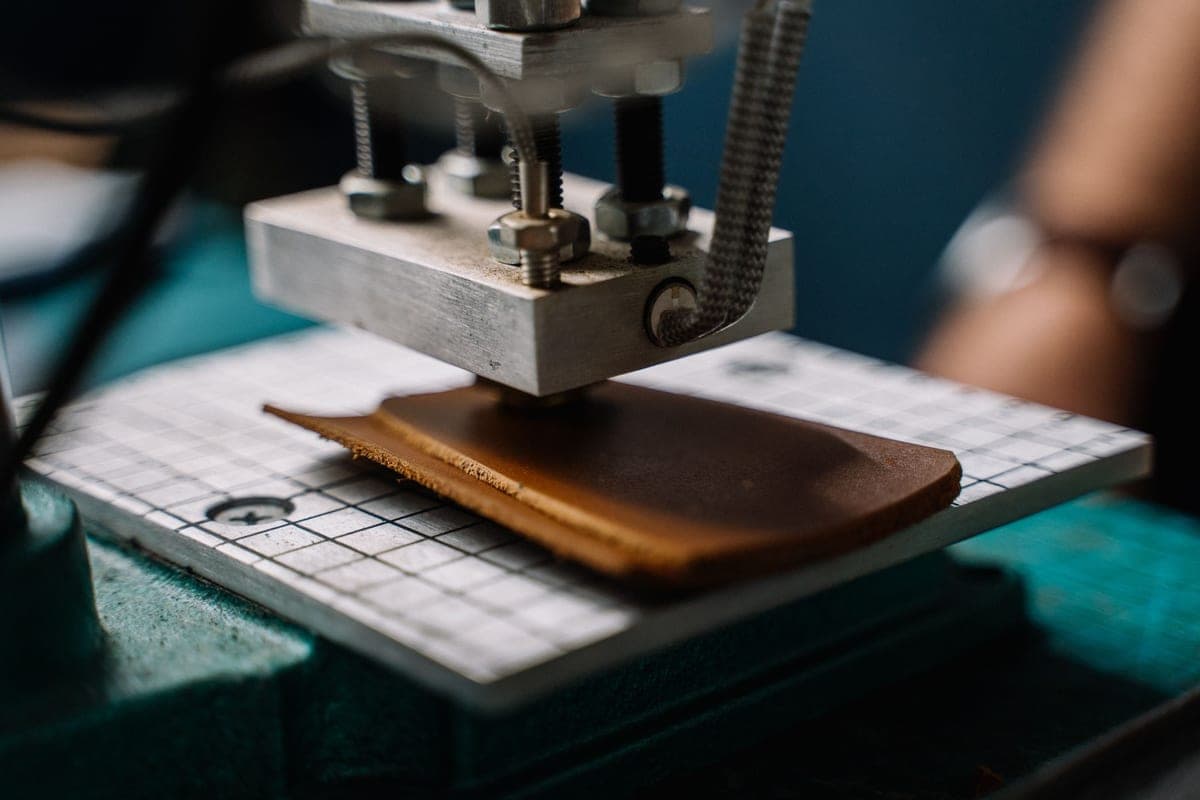 Cricut Explore 5The sensible default for a first machine: it cuts everything a beginner actually uses, and the money you sa... | The default, for most people | Check price on Amazon #ad · affiliate link · we never show a price we cannot verify |
| 2 |  Cricut Maker 5The machine to buy only if you have a specific material in mind that an Explore cannot cut — rotary-blade f... | Fabric off the bolt, and wood | Check price on Amazon #ad · affiliate link · we never show a price we cannot verify |
| 3 | 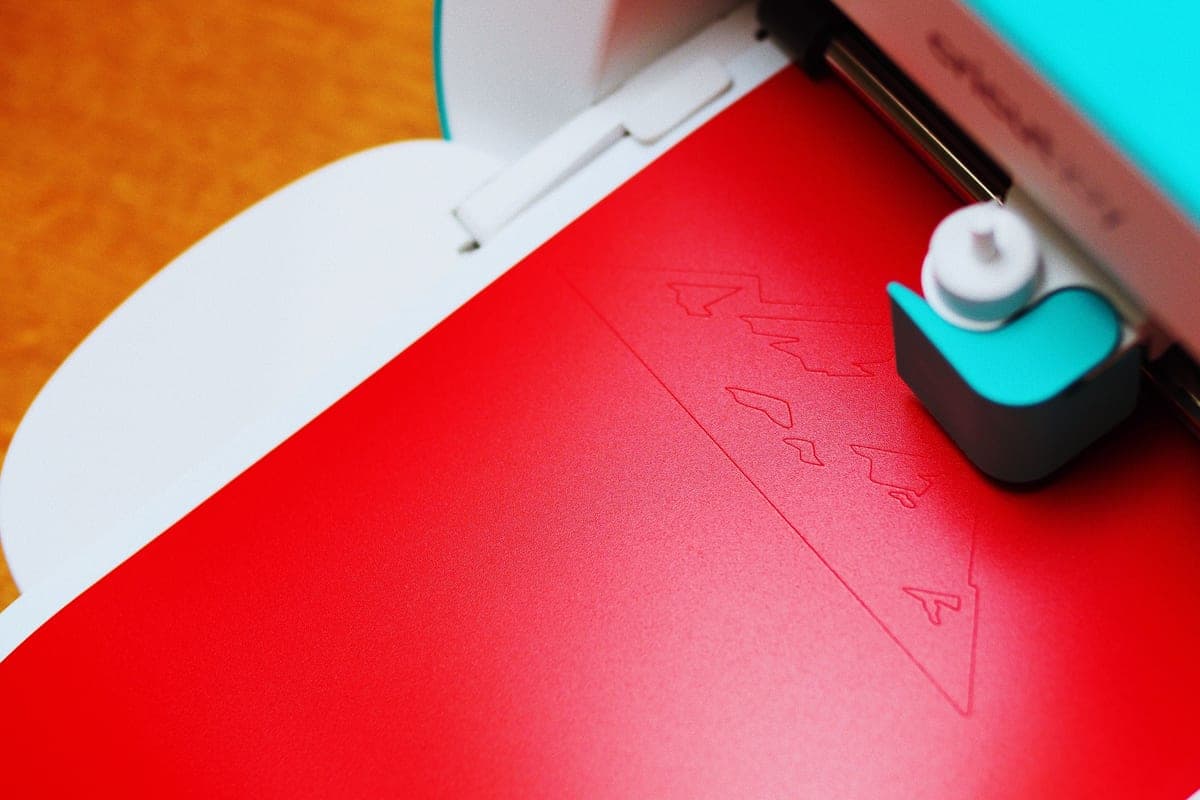 Cricut Joy XtraThe Joy that fixes the Joy's biggest limitation — a wider cut and print-then-cut — without growing into a f... | A small machine that still makes shirts | Check price on Amazon #ad · affiliate link · we never show a price we cannot verify |
| 4 | Cricut Joy 2The cheapest way into the hobby and a genuinely good little machine — as long as you accept that its narrow... | Labels, cards, and no spare desk | Check price on Amazon #ad · affiliate link · we never show a price we cannot verify |
Tap any row to jump to the full write-up. We do not publish prices — they move constantly, and a stale number is worse than none.
The three families, side by side
Lined up, the families stop looking like a good-better-best ladder and start looking like what they are: three different jobs.
| Joy 2 | Joy Xtra | Explore 5 | Maker 5 | |
|---|---|---|---|---|
| Cut width | 4.5 in | 8.5 in | 11.5 in | 11.5 in |
| Material width | 5.5 in | 9.5 in | 12 in | 12 in |
| Full adult shirt front | No | Usually | Yes | Yes |
| Matless Smart Materials | Yes | Yes | Yes | Yes |
| Print then cut | No | Yes | Yes | Yes |
| Unbacked fabric (rotary blade) | No | No | No | Yes |
| Wood (knife blade) | No | No | No | Yes |
| Stores in a drawer | Yes | Nearly | No | No |
| Long cuts from a roll | Up to 20 ft | Yes | Yes | Yes |
Question one: how wide is the widest thing you will cut?
Width is the limit people hit first and the one they regret most, because it cannot be worked around. A 4.5 inch machine does not make a 10 inch shirt graphic — not slowly, not in sections that line up, not at all.
- Labels, cards, small decals, water bottles, planner stickers — 4.5 inches is plenty. The Joy 2 is genuinely the best tool for this, not a compromise.
- Shirt pockets, kids' shirts, tumbler wraps, medium decals — 8.5 inches covers it. Joy Xtra territory.
- Adult shirt fronts, car window decals, 12 inch cardstock, tote bags — you need the full 12 inches. Explore or Maker.
- Anything wider than 12 inches — none of these. That is the Cricut Venture, which is a production machine and priced like one.
The honest trap here is buying small to save money and then buying again. A Joy bought as a first general-purpose machine is the single most common regret purchase in this category, and is a Cricut Joy worth it works through when it is and is not the right call.
Question two: fabric or wood?
This is the only thing the Maker family adds, and it adds it with two physical tools the Explore carriage cannot accept.
The rotary blade rolls through fabric instead of dragging, so a Maker cuts quilting cotton or jersey with nothing fused to the back. An Explore can cut fabric, but only after you have ironed a stabiliser on, which adds a step and stiffens the result. The knife blade cuts basswood and thick chipboard over repeated passes. Both are real capabilities and neither can be retrofitted later — Explore 3 versus Maker 3 covers why that boundary has stayed fixed across generations.
What all four share
It is worth naming the things that are not differentiators, because a lot of comparison content implies they are.
- The software. All four run Cricut Design Space, with the same features and the same account requirement. Design Space basics covers what that means day to day.
- Smart Materials. All four cut matless from Smart rolls. This is a material format, not a machine tier.
- Material settings. Named presets in Design Space apply across the line. The machine does not change the temperature or pressure a material needs.
- Consumables. Mats, blades and vinyl are shared across the line, with the Joy using its own narrower mat format. Which mat for each material is machine-agnostic.
Our picks in full
1. Best for the default, for most people
Cricut Explore 5
Cricut · Currently sold · Verified 2026-09-27
The middle family exists because it is what most buyers need, and the Explore is where we start anyone who is not sure. Twelve inch material covers an adult shirt front, a car window decal and a full sheet of cardstock, which is the ceiling almost every beginner project runs into. It feeds Smart Materials with no mat, takes a blade plus a pen or scoring stylus, and does print then cut for printed stickers. The one thing it cannot do is cut fabric without a stabiliser, and that is a deliberate line boundary rather than a shortcoming.
What works
- Cuts every material a beginner's first ten projects will use
- Matless Smart Material cutting means long banners and decals without a mat
- Cheapest current machine that still handles full 12 in wide vinyl
- Huge community of tutorials aimed at exactly this machine
What does not
- No rotary blade, so unbacked fabric is out
- No knife blade for basswood or thick leather
- Still needs Design Space, which needs an internet connection to set up
Not for you if
You already know you want to cut quilting fabric or thick leather. That is the Maker line's rotary and knife blades, and no accessory adds them to an Explore.
Key specs
- Cuts
- Vinyl, heat transfer vinyl, cardstock, paper, iron-on, faux leather
- Max material width
- 12 in (11.5 in cut width)
- Matless cutting
- Yes, with Smart Materials
- Tool slots
- Two — blade plus pen or scoring tool
- Rotary / knife blade
- No — Maker line only
#ad · affiliate link · we never show a price we cannot verify
2. Best for fabric off the bolt, and wood
Cricut Maker 5
Cricut · Currently sold · Verified 2026-09-27
The top of the mainstream line, and worth it for exactly two materials. The rotary blade cuts quilting cotton, jersey and canvas with nothing fused to the back, and the knife blade makes repeated passes through basswood and thick chipboard. Neither tool makes vinyl or iron-on any better, and the Maker is not wider or faster than an Explore. If you sew, buy it without hesitating. If you do not, the money is better spent on materials.
What works
- Rotary blade cuts quilting cotton with no backing, which no Explore can do
- Knife blade opens basswood, chipboard and thick leather
- Adaptive tool system takes every Cricut blade and tip
- Same matless Smart Material workflow as the Explore line
What does not
- Materially more expensive than an Explore for capability most beginners never use
- The knife blade is a separate purchase on top of the machine
- Knife-blade cuts are slow — a thick basswood cut can run well over an hour
Not for you if
Your project list is shirts, decals, stickers and cards. Every one of those cuts identically on an Explore 5, and the difference in price is roughly a full starter set of materials.
Key specs
- Cuts
- 300+ materials including unbacked fabric, leather, basswood
- Max material width
- 12 in (11.5 in cut width)
- Matless cutting
- Yes, with Smart Materials
- Rotary blade
- Yes — cuts fabric without a stabilizer backing
- Knife blade
- Yes — sold separately
#ad · affiliate link · we never show a price we cannot verify
3. Best for a small machine that still makes shirts
Cricut Joy Xtra
Cricut · Currently sold · Verified 2026-09-27
The bridge nobody mentions in the three-way comparison, and often the right answer for a small desk. At 8.5 inches of cut width it clears the single biggest Joy limitation — a shirt design that is wide enough to look deliberate — while staying noticeably smaller than an Explore. It also does print then cut, which the original Joy format does not. What you give up against an Explore is the last 3.5 inches of width and some material range.
What works
- 8.5 in cut width handles most youth and many adult shirt designs
- Print-then-cut means printed sticker sheets, which the Joy 2 cannot do
- Still small and light enough to put away between projects
- Uses the same Design Space workflow as the bigger machines
What does not
- Still narrower than the 11.5 in the Explore and Maker lines cut
- Costs enough that the Explore 5 becomes a fair comparison
- Smaller mat sizes limit how much you can gang up on one cut
Not for you if
You want full-width 12 in vinyl for large signs or full-front shirt prints. Step up to an Explore 5 instead.
Key specs
- Cuts
- Vinyl, heat transfer vinyl, cardstock, sticker paper, faux leather
- Max cut width
- 8.5 in
- Print then cut
- Yes — printed stickers work
- Matless cutting
- Yes, with Smart Materials
- Footprint
- Noticeably smaller than an Explore
#ad · affiliate link · we never show a price we cannot verify
4. Best for labels, cards, and no spare desk
Cricut Joy 2
Cricut · Currently sold · Verified 2026-09-27
The right machine for a genuinely narrow job, and the wrong one for a general first purchase. It cuts 4.5 inches wide, which rules out a full shirt front, but it cuts up to 20 feet long from Smart Materials and stores in a drawer between uses. For labelling a pantry, making cards, or putting a name on a water bottle it is faster to set up than anything else here because there is no mat and almost no setup. Buy it as a second machine or for a specific narrow job, not as the one machine you own.
What works
- The lowest cost of entry in the current Cricut line
- Genuinely portable and storable, which matters if you have no dedicated craft space
- Long matless cuts make it excellent for labels and long decals
- Simple enough that the learning curve is close to flat
What does not
- 4.5 in cut width is the hard limit — most adult shirt designs will not fit
- No print-then-cut, so printed stickers are out
- Takes the narrow Joy-format materials, which are less widely stocked
Not for you if
You want to make shirts. A 4.5 in design reads as a small chest logo, not a front print, and there is no workaround.
Key specs
- Cuts
- Vinyl, heat transfer vinyl, cardstock, paper, Smart Label material
- Max cut width
- 4.5 in
- Max cut length
- Up to 20 ft with Smart Materials
- Footprint
- Small enough to store in a drawer
- Mat required
- Optional — cuts matless with Smart Materials
#ad · affiliate link · we never show a price we cannot verify
The cost side
Machine price is the smaller half of a first setup. Materials, a mat set, a blade, transfer tape and — if shirts are the plan — a heat source add up to real money, and they add up the same regardless of which family you picked. The Cricut cost guide breaks down a realistic first-project total, and what you need to start is the deliberately short shopping list. If you are cross-shopping brands rather than families, Cricut versus Silhouette and Cricut alternatives take it from there.
Common questions
What is the difference between a Cricut Joy, Explore and Maker?
Which Cricut is best for a complete beginner?
Can a Cricut Joy make t-shirts?
Is the Maker worth it if I do not sew?
Do the Joy, Explore and Maker use the same software?
Should I buy a Joy as my only machine?
Sources
- Cricut official product catalog — Current machine line, cut widths and tool compatibility as listed by the manufacturer, verified 6 October 2026
- Cricut Help Center — Smart Materials compatibility and machine generation grouping, checked 6 October 2026
How we picked
We verify every product is currently sold by reading the manufacturer's own catalog, compare published specifications rather than marketing copy, and rank on what a first-time buyer has to decide. We do not run lab tests and we do not claim to, and commission never affects the order.
Read this next

Which Cricut Should I Buy?
A four-question decision flow that ends on one specific model — no hedging, no feature lists.
The Best Cricut for Beginners
One safe default pick, plus the specific cases where a different Cricut — or no Cricut — is the better buy.
Cricut Explore 5 vs Maker 5
The Explore-versus-Maker question settled: what the extra blades do, and who will never use them.
Is a Cricut Joy Worth It?
When the smallest Cricut is the right machine, when it is the wrong one, and the 4.5 inch limit that decides it.
Cricut Joy 2 vs Joy Xtra
The compact Cricuts compared: what the extra four inches and print-then-cut are actually worth.

What a Cricut Really Costs
Every component a working setup needs, what recurs, and the costs people meet one at a time.
Back to Cutting Machines.