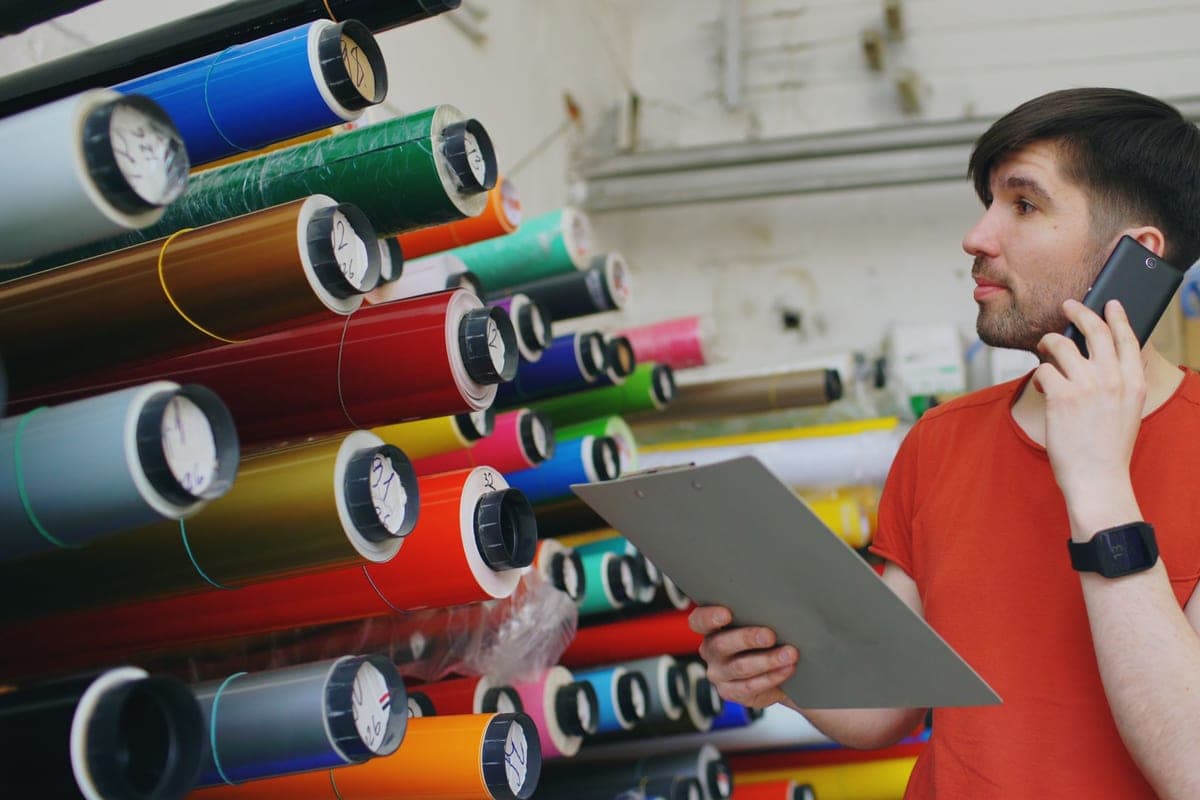
The Best Vinyl for Shoes
A shoe is a curved, mixed-material object with glue and foam in it, which is why the film that works perfectly on a t-shirt can fail on a sneaker in three different ways.
Heads up: Mat & Blade earns a commission from qualifying purchases made through the links on this page, at no extra cost to you. It never changes which products we recommend or how we rank them. Read the full disclosure.
For canvas sneakers — the Converse-and-Vans case almost everyone means — buy Siser EasyWeed and press it at its published 305°F. For knit or synthetic running-shoe uppers, use EcoStretch instead: its published 250°F is the lowest heat here and the least likely to glaze a synthetic. For smooth leather, stop thinking about pressing at all and cut a removable vinyl stencil, then paint. The budget pick is HTVRONT by the roll, and the first pair is exactly where it belongs. The part nobody mentions is that your press matters more than your film.
Quick picks
| # | Product | Best for | Price |
|---|---|---|---|
| 1 |  Siser EasyWeed HTVThe default heat transfer vinyl for beginners: it weeds cleanly, presses at a forgiving temperature, and is... | Canvas sneakers — the one most people are asking about | $35.00 · View on Amazon Price as of November 28, 2026 #ad · affiliate link · we never show a price we cannot verify |
| 2 | 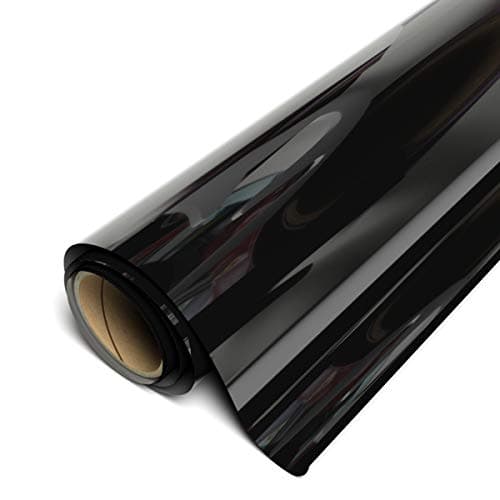 Siser EasyWeed EcoStretchSiser's current stretch heat transfer vinyl and the stated replacement for the discontinued EasyWeed Stretc... | Knit and synthetic uppers, where heat is the risk | $17.99 · View on Amazon Price as of November 28, 2026 #ad · affiliate link · we never show a price we cannot verify |
| 3 | 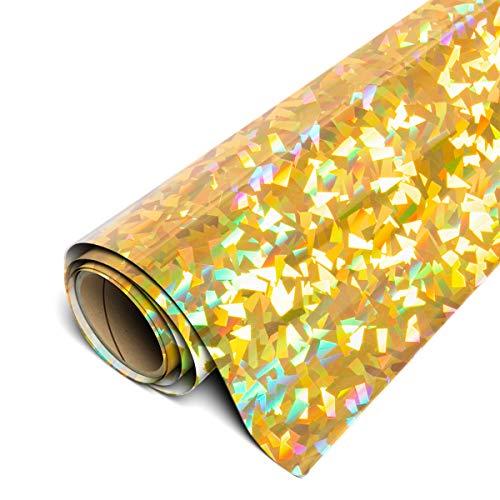 Siser Holographic HTVThe only holographic film here whose maker publishes a thickness, a temperature, a press time, a peel and a... | A decorative finish that is actually rated for leather | $13.99 · View on Amazon Price as of November 28, 2026 #ad · affiliate link · we never show a price we cannot verify |
| 4 | 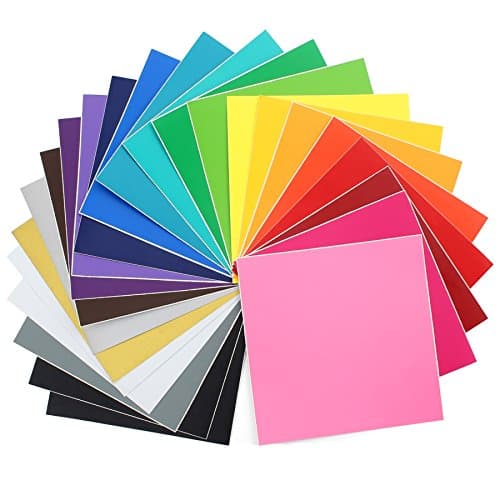 Oracal 631 Removable VinylThe matte, removable counterpart to 651 — the correct choice for walls, and the one beginners most often ge... | Stencils for painting leather shoes | $34.99 · View on Amazon Price as of November 28, 2026 #ad · affiliate link · we never show a price we cannot verify |
| 5 | 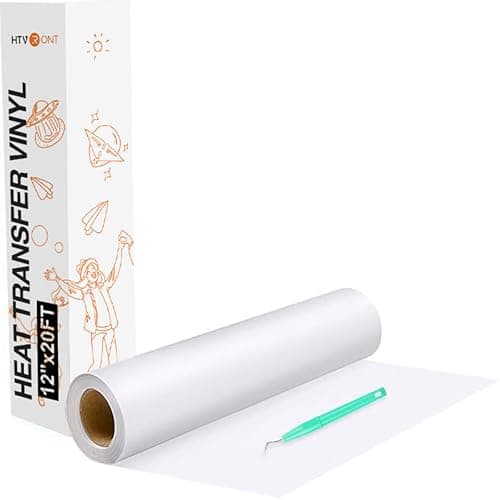 HTVRONT HTV RollsThe budget HTV that most people move to once they stop making one shirt at a time — noticeably cheaper by t... | The budget pick — practicing on shoes you care less about | $12.74 · View on Amazon Price as of November 28, 2026 #ad · affiliate link · we never show a price we cannot verify |
| 6 | 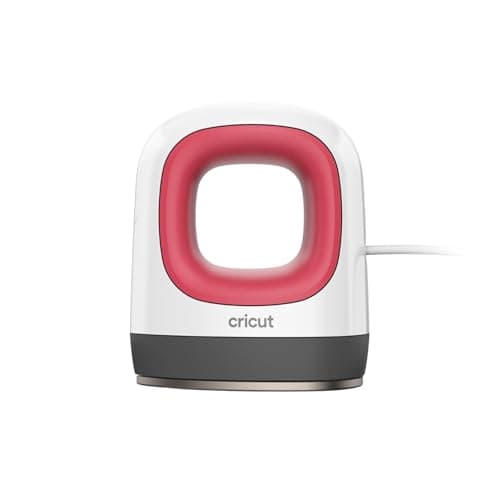 Cricut EasyPress MiniA specialist, not a first press — it goes where a flat plate cannot, and it is far too small to press a shi... | The tool that actually reaches into a shoe | Check price on Amazon #ad · affiliate link · we never show a price we cannot verify |
Tap any row to jump to the full write-up. Prices come from Amazon on the date stamped on each button and can change after that — check the listing before you buy.
What we judged these films on
Shoes rearrange the usual criteria almost completely. Softness, drape and wash durability — the things that decide a shirt film — barely feature. Four other things do.
- A published application temperature, and a low one. Shoes are assembled with adhesives and built around foam, and both have limits nobody publishes. The lower the film's stated temperature, the more margin you have, which is why a 250°F film is a genuinely different proposition here from a 320°F one.
- Thinness. A shoe is curved and it flexes with every step. A thick film bridges across a curve instead of following it and creases at the flex point; a thin film conforms. This is the opposite of the advice that applies to a flat tote bag.
- A rating for the material you actually have. Canvas is cotton. A knit running upper is polyester, usually with stretch. An overlay panel may be synthetic leather. These take different films, and only some films publish a leather or a stretch rating at all.
- Small-design weeding. Shoe graphics are small: a heel logo, a toe-cap motif, lettering along a midsole stripe. Clean release on small shapes matters far more than it does on a 10-inch chest print.
- What we did not judge on: outdoor durability ratings. Those describe adhesive films on hard surfaces in weather, and they tell you nothing useful about a film bonded into a canvas upper.
1. Best for canvas sneakers — the one most people are asking about
Siser EasyWeed HTV
Siser · Currently sold · Verified 2026-09-27
The default for a canvas shoe, which is what the overwhelming majority of shoe projects actually involve. Canvas is cotton, Siser rates EasyWeed for 100 percent cotton, and the published setting is 305°F for 10 to 15 seconds at medium pressure — a figure low enough to be sensible near glued seams and foam, and high enough to bond properly. At 90 microns it is thin, which matters more on a shoe than on a shirt because a thick film bridges across the weave and creases rather than following the curve of the toe box. Siser lists leather in its published fabric rating for it too, which covers the synthetic-leather overlay panels most sneakers carry. It also weeds the cleanest of anything here, and shoe designs tend to be small, which means fine detail. Honest cons: sheets cost more per square inch than rolls; the base line has no specialty finish; it is semi-gloss rather than matte; and no amount of film quality compensates for pressing a shoe with the wrong tool, which is the real difficulty here.
What works
- Weeds more cleanly than almost anything else at this price
- Thin enough that a layered design does not feel like a plastic patch
- Siser publishes clear time and temperature guidance for it
- Sold in single sheets, so you can try three colors without buying three rolls
What does not
- Matte only — no gloss, glitter or specialty finish in the base line
- Sheets cost more per square inch than buying a roll
- Still needs real heat and pressure; a household iron gives mixed results
Not for you if
You want a glitter or holographic finish. That is a different Siser product line, not EasyWeed.
Key specs
- Type
- Heat transfer vinyl (HTV) — for fabric
- Fabric compatibility
- Siser rates it for cotton, polyester and cotton/poly blends
- Thickness
- Siser published 90 microns / 3.5 mils
- Application
- Siser lists 305°F for 10-15 seconds at medium pressure
- Carrier
- Pressure-sensitive clear carrier sheet
- Finish
- Semi-gloss — EasyWeed Matte is a separate Siser line
Price as of November 28, 2026
#ad · affiliate link · we never show a price we cannot verify
2. Best for knit and synthetic uppers, where heat is the risk
Siser EasyWeed EcoStretch
Siser · Currently sold · Verified 2026-10-29
The pick for a modern running shoe, and the reason is the published 250°F application temperature — the lowest figure in this registry. Knit uppers and synthetic overlays are the two materials most likely to glaze, shrink or distort under a press, and the difference between 250°F and 320°F is the difference between a transfer and a repair job. Siser rates it for cotton, polyester, blends, leather, spandex and Lycra, and it stretches with the upper rather than cracking as the shoe flexes, which a shoe does every single step. Honest cons: hot peel only, which is awkward on an object you cannot lay flat; it costs more per square inch than standard EasyWeed; a low application temperature makes under-pressing a real failure mode; and no film rating accounts for the glue holding a modern sneaker together, which has its own heat limit nobody publishes.
What works
- 250°F is genuinely kinder to thin polyester and spandex than any 320°F film
- The thinnest stretch film Siser currently makes, so a tank top does not feel patched
- Water-based and recyclable, which is the reason the line exists
- Siser's current line, so colors and stock are not sell-through leftovers
What does not
- Hot peel only — there is no cold-peel latitude to fall back on
- Costs more per square inch than standard EasyWeed
- A low application temperature means an under-set press is a real failure mode
- Fewer colors stocked on Amazon than standard EasyWeed
Not for you if
Everything you press is rigid cotton. Standard EasyWeed is cheaper and the stretch buys you nothing there.
Key specs
- Type
- Heat transfer vinyl (HTV) — water-based stretch formulation
- Thickness
- Published at 80 microns / 3.15 mils
- Application
- 250°F for 10-15 seconds at medium pressure, hot peel
- Fabric compatibility
- Rated for 100% cotton, 100% polyester, poly/cotton blends, spandex and Lycra
- Certification
- CPSIA certified; film and liner stated as 100% recyclable
Price as of November 28, 2026
#ad · affiliate link · we never show a price we cannot verify
3. Best for a decorative finish that is actually rated for leather
Siser Holographic HTV
Siser · Currently sold · Verified 2026-11-26
The decorative pick, and it earns the slot on a published rating rather than on looks: Siser rates Holographic for leather as well as cotton, polyester and blends, which the budget holographic rolls here do not publish at all. On a shoe that matters, because the panels that most invite a flashy swoosh or stripe are usually the synthetic-leather overlays rather than the canvas. Siser publishes 110 microns, 320°F for 15 to 20 seconds at medium pressure and a cold peel. The thinness is a genuine advantage on a curved surface — a thick decorative film creases visibly where a shoe flexes. Honest cons: 320°F is a lot of heat to put near a glued sole and is too much for thin synthetics, so this is a film for leather and canvas panels rather than knit; cold peel means waiting with the shoe still clamped or weighted; and Siser publishes no layering guidance for it.
What works
- Siser publishes an exact thickness, temperature, time, pressure and peel for it
- At 110 microns it is far thinner than glitter, so a large design does not stiffen the garment
- Rated for leather as well as cotton and polyester, which most decorative films are not
- Machine washable per Siser's own care instruction, not hand wash only
- CPSIA certified, which is the certification that matters for kids' clothing
What does not
- Cold peel only — you cannot rush the carrier off and move to the next shirt
- 320°F is hotter than standard HTV and too hot for some thin synthetics
- Siser's own holographic page publishes no layering guidance, so stacking it is unverified territory
- Costs more per square foot than the budget holographic rolls
Not for you if
You are decorating a hard surface. This is heat transfer vinyl for fabric — a tumbler or a car window needs adhesive holographic vinyl instead.
Key specs
- Type
- Holographic heat transfer vinyl — Siser states a polyester composition
- Thickness
- Siser published 110 microns — about a third the thickness of Siser Glitter
- Application
- Siser lists 320°F / 160°C, medium pressure, 15-20 seconds after a 2-3 second preheat
- Peel
- Cold — Siser says peel the carrier cold
- Fabric compatibility
- Siser rates it for 100% cotton, 100% polyester, cotton/poly blends and leather
- Cut settings
- Siser publishes force 25-32 with a 45° blade, 30-35 with a 60°
- Certification
- CPSIA certified, VeganOK, REACH compliant, CA Prop 65, recyclable
- Care
- Siser states machine wash cold with mild detergent, dry on a normal dryer setting
Price as of November 28, 2026
#ad · affiliate link · we never show a price we cannot verify
4. Best for stencils for painting leather shoes
Oracal 631 Removable Vinyl
Oracal · Currently sold · Verified 2026-09-27
The answer for every shoe you cannot press, and that is more of them than beginners expect. Smooth leather, patent finishes, heavily textured synthetics and any upper with a seam exactly where the design goes are all poor candidates for a heat press — but they are excellent candidates for paint, and a removable vinyl stencil is how a clean edge gets painted. Oracal rates 631 as a removable, low-tack, matte indoor film, which is precisely the combination a stencil wants: enough tack to seal an edge against bleed, little enough to come off a finished surface without lifting it. Honest cons: it is a stencil, not a decoration — the paint does the work and the paint is a separate purchase with its own learning curve; low tack can lift on textured uppers and let paint creep under the edge; and it will not survive outdoors or washing, which does not matter for a stencil but rules out leaving it on.
What works
- Comes off walls cleanly, which permanent vinyl does not
- Matte finish looks far better than gloss on interior decor
- Makes excellent painting stencils
What does not
- Will not survive outdoors or repeated washing
- Low tack means it can lift on textured surfaces
Not for you if
The decal is going on a car, a tumbler, or anything that gets wet. That is a job for 651.
Key specs
- Type
- Adhesive vinyl — removable
- Adhesive
- Removable, low-tack
- Outdoor durability
- Oracal rates 631 for indoor use, up to around three years
- Finish
- Matte
- Typical use
- Wall quotes, temporary signage, stencils
Price as of November 28, 2026
#ad · affiliate link · we never show a price we cannot verify
5. Best for the budget pick — practicing on shoes you care less about
HTVRONT HTV Rolls
HTVRONT · Currently sold · Verified 2026-09-27
The right film for the first pair, because first pairs go wrong. A shoe is the hardest common shape to press: nothing is flat, the pressure is uneven, and you frequently get one attempt before the upper is marked. Learning that on roll-format film rather than premium sheets is simply cheaper, and shoe designs are small, so a roll lasts a long time. It is rated for cotton, polyester and blends, which covers canvas. Honest cons: fine detail weeds less cleanly than EasyWeed and shoe designs skew small and detailed; HTVRONT publishes less specification than Siser and directs you to the packaging for the setting, which is a worse position to be in when you are working near glue; and consistency between batches is not guaranteed.
What works
- Far cheaper by area than sheet-format premium HTV
- Wide color and finish range including glitter and holographic
- Rolls mean you stop rationing material and start practicing
What does not
- Fine detail weeds less cleanly than Siser EasyWeed
- Batch-to-batch consistency is less predictable
- You are committing to a whole roll of one color
Not for you if
Your first project is a very fine script design. Learn to weed on EasyWeed first, then switch to save money.
Key specs
- Type
- Heat transfer vinyl (HTV)
- Format
- Rolls, typically 12 in wide
- Fabric compatibility
- Rated for cotton, polyester and blends
- Finish
- Matte, plus glitter and specialty lines
- Value
- Lowest cost per square inch of the three HTVs here
Price as of November 28, 2026
#ad · affiliate link · we never show a price we cannot verify
6. Best for the tool that actually reaches into a shoe
Cricut EasyPress Mini
Cricut · Currently sold · Verified 2026-09-27
Included because on this project the press is the binding constraint, not the film. A full-size flat plate cannot make even contact with a toe box, a heel counter or a panel next to a seam — it touches the high points and misses everything else, which is why shoe transfers lift at the edges. A small plate with a pointed tip gets into the curve and into the corners, and Cricut lists shoes among its intended uses. It is also cheap next to any full press. Honest cons: it is far too small to press a shirt, so it is a second tool rather than a first one; it offers three preset heat levels rather than a precise temperature, which is a real limitation when your film publishes an exact figure; and you still have to pack the shoe out from the inside to get a firm surface to press against.
What works
- Reaches into seams and curves no full-size plate can touch
- Makes hats and shoes genuinely possible
- Very cheap relative to a full press
What does not
- Far too small to press a shirt front in one go
- Preset heat levels rather than a precise temperature
Not for you if
This is your only heat source. It cannot press a normal shirt design in an acceptable number of passes.
Key specs
- Type
- Miniature handheld heat press
- Plate
- Small, with a pointed tip for corners and seams
- Typical use
- Hats, shoes, pockets, seams, small patches
- Heat settings
- Three preset levels
#ad · affiliate link · we never show a price we cannot verify
Three kinds of shoe, three different answers
| The upper | What to use | The thing that goes wrong |
|---|---|---|
| Cotton canvas (classic sneakers) | Standard HTV at its published temperature | Uneven pressure over the curve — the edges lift first |
| Knit or mesh, synthetic (running shoes) | A low-temperature stretch film | Heat glazing or shrinking the upper before the film even bonds |
| Smooth or patent leather | A stencil plus leather paint, not a press | Film that will not key to a sealed finish, and heat marking the leather |
| Synthetic leather overlay panels | A film with a published leather rating, pressed briefly | Overheating a panel that is glued, not stitched, to what is underneath |
| Anything with a seam through the design area | Move the design, or use paint | The seam holds the plate off the surface either side of it |
Why adhesive vinyl does not work on shoes
It is the most common first attempt and it fails reliably within days. Adhesive vinyl is designed to bond to a smooth, rigid, non-porous surface — glass, painted metal, a tumbler, a laptop lid. A shoe is none of those: canvas is porous and textured so there is very little real contact area; leather flexes and the film does not; and every single step puts a bending load straight through the adhesive line. The result is an edge that lifts within a few wears and a decal that collects dirt underneath it. The only place adhesive vinyl genuinely belongs in a shoe project is as a stencil, which is exactly the job the removable film above is picked for. The same reasoning is set out in full in HTV vs adhesive vinyl.
How to press a shoe without ruining it
1Pack the shoe out from the inside
You cannot press against an empty, collapsing upper. Stuff the shoe firmly with a rolled towel or a tightly packed cloth until the panel you are pressing is taut and supported. Nothing else on this list matters if the surface moves away from the plate.
2Clean and de-grease the panel
Shoes carry oils, factory release agents and dirt in a way flat blanks do not. Wipe the area with isopropyl alcohol and let it dry completely. On canvas this is the difference between a bond and a film sitting on a layer of grime.
3Test the heat somewhere hidden first
Press a scrap of film on the inside of the tongue or under the heel collar at your intended setting and time, then look at the upper, not the film. Glazing, shininess, puckering or a smell of melting glue all mean back off — and all of them are visible on a test patch before they are visible on the toe cap.
4Press in short passes, and check
Work in short presses with firm pressure rather than one long one, lifting to check contact at the edges. A small plate is easier to control here than a big one. If a corner has not taken, re-press that corner specifically rather than re-pressing the whole design, which is how you accumulate the heat that damages an upper.
5Let it cool completely before you peel or flex
A shoe holds heat in its foam long after the surface feels done. Let the whole thing come back to room temperature before peeling a cold-peel carrier, and do not put the shoe on for a good while after that: flexing a transfer while the adhesive is still soft is the last easy way to ruin the job.
The stencil route, for shoes you should not press
Smooth leather, patent, heavily textured synthetics and any shoe you are not willing to risk heat on all point to the same method: cut the design as a stencil in removable vinyl, apply it, paint inside it, and remove the stencil. It is slower and it needs the right paint — a flexible leather or sneaker paint rather than craft acrylic, which cracks the first time the shoe bends — but it handles curves, seams and textures that defeat a press, and it survives flexing in a way a bridged transfer does not.
- Use removable, not permanent, film for the stencil. You want it to peel cleanly off a finished surface. Permanent adhesive on leather is a bad afternoon.
- Burnish the stencil edges hard. Paint creeps under any edge you did not seal, and a lifted edge on a textured upper is where it will do it.
- Prep the surface per the paint's instructions. Most leather paints want a deglazing step; skipping it is the main reason painted sneakers flake.
- Pull the stencil while the paint is still slightly tacky. Waiting until it is fully cured can tear the paint edge along with the film.
- Keep the design simple. Stencils with lots of floating interior pieces — the middles of letters — need careful transfer tape work, covered in how to weed vinyl.
Prices in the table above are read from Amazon automatically and each buy button shows the date its number was read, so nothing here anchors you to a figure that has since moved. For the wider material category, the best HTV vinyl is the general roundup and the best HTV for canvas bags covers the other common cotton-canvas project. If the look rather than the surface is what you are choosing on, the best holographic vinyl and the best glitter HTV compare the two decorative lines, and Cricut Iron-On alternatives covers what changes if you press a third-party film on a Cricut press.
Common questions
What kind of vinyl do you use on shoes?
Will Cricut vinyl stick to leather?
Does heat transfer vinyl stay on shoes?
What temperature do you press vinyl on shoes?
Can you use an iron instead of a heat press on shoes?
Sources
- Siser EasyWeed EcoStretch — Siser's own material page — Source for the 250°F / 10-15 seconds / medium pressure / hot peel figures and the 80 micron thickness quoted above, plus the fabric rating for cotton, polyester, blends, spandex and Lycra
- Siser Holographic — Siser's own material page — Source for the leather rating used above, plus 110 microns, polyester composition, 320°F/160°C, medium pressure, 15-20 seconds, cold peel - checked 26 November 2026
- Siser EasyWeed — Siser's own material page — Source for the 90 micron thickness and the 305°F / 10-15 seconds / medium pressure application figures quoted above, and for the cotton, polyester and cotton/poly blend rating
How we picked
We verify every product is currently sold by reading the manufacturer's own catalog, compare published specifications rather than marketing copy, and rank on what a first-time buyer has to decide. We do not run lab tests and we do not claim to, and commission never affects the order.
Read this next
The Best HTV Vinyl for Beginners
Which heat transfer vinyl weeds cleanly and presses forgivingly — and which to switch to later.
HTV vs Adhesive Vinyl
The single most useful distinction for a beginner: which vinyl family goes on which surface.
Best HTV for Canvas Bags
Which HTV holds on heavyweight canvas, why tote designs lift at the corners, and the two pressing changes that fix nearly every canvas bag failure.
The Best Holographic Vinyl
The holographic films worth buying for fabric and for hard surfaces, what each maker actually publishes, and the cold-peel rule that catches everyone once.
How to Use HTV
The full HTV process from cut to peel, plus a troubleshooting section for when it does not stick.
Back to Vinyl & Materials.