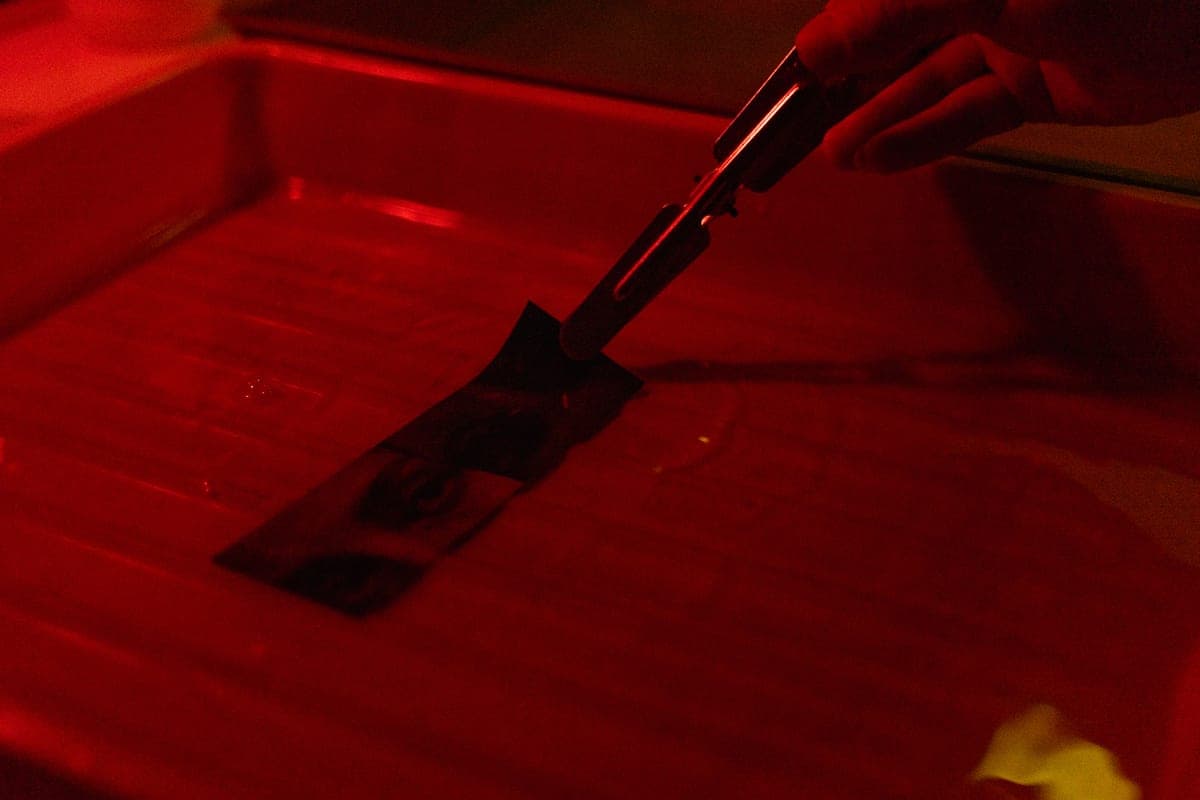
The Best HTV for Nylon
Nylon melts at temperatures standard heat transfer vinyl needs, and it is often coated to shed water. That combination makes it the one fabric where you test before you commit.
Heads up: Mat & Blade earns a commission from qualifying purchases made through the links on this page, at no extra cost to you. It never changes which products we recommend or how we rank them. Read the full disclosure.
The best HTV for nylon is Siser EasyWeed EcoStretch, because at a published 250F it applies at the lowest temperature of any film in our registry — on nylon the lowest workable temperature is the whole game. The budget pick is HTVRONT HTV rolls, and the reason to buy them is specifically to run test squares cheaply before you press the real garment. If the test shows your fabric tolerates a standard press, regular EasyWeed is the better-documented film. And there is an honest caveat that belongs in the first paragraph: no film we carry is published as nylon-rated.
Quick picks
| # | Product | Best for | Price |
|---|---|---|---|
| 1 | 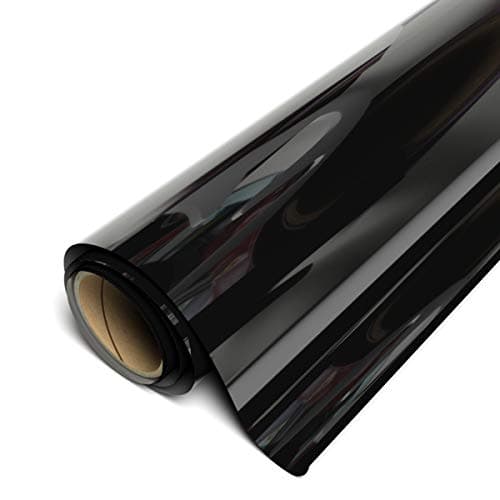 Siser EasyWeed EcoStretchSiser's current stretch heat transfer vinyl and the stated replacement for the discontinued EasyWeed Stretc... | The overall pick — the lowest published application temperature we carry | $17.99 · View on Amazon Price as of November 28, 2026 #ad · affiliate link · we never show a price we cannot verify |
| 2 | 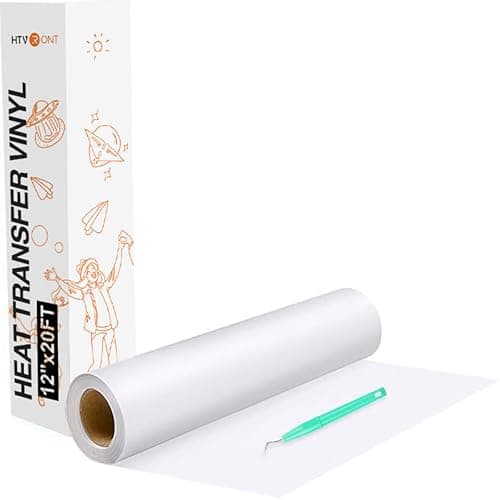 HTVRONT HTV RollsThe budget HTV that most people move to once they stop making one shirt at a time — noticeably cheaper by t... | The budget pick — the cheapest film to run the tests with | $12.74 · View on Amazon Price as of November 28, 2026 #ad · affiliate link · we never show a price we cannot verify |
| 3 |  Siser EasyWeed HTVThe default heat transfer vinyl for beginners: it weeds cleanly, presses at a forgiving temperature, and is... | Nylon gear that is uncoated and tolerates a standard press | $35.00 · View on Amazon Price as of November 28, 2026 #ad · affiliate link · we never show a price we cannot verify |
| 4 | 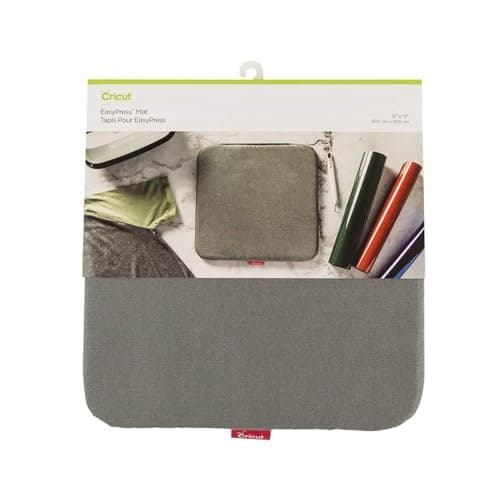 Cricut EasyPress MatThe cheap accessory that fixes most failed presses: it gives you a firm, even, heat-safe surface instead of... | Pressing around the zips, seams and linings nylon garments are full of | $7.49 · View on Amazon Price as of November 28, 2026 #ad · affiliate link · we never show a price we cannot verify |
Tap any row to jump to the full write-up. Prices come from Amazon on the date stamped on each button and can change after that — check the listing before you buy.
Temperature is the specification that matters
Every other HTV comparison on this site ranks films by hand feel, stretch and weeding. On nylon the ranking collapses to one published number, because the fabric sets the ceiling and the film has to fit under it.
| Film | Published application temperature | Stretch | Use on nylon |
|---|---|---|---|
| Siser EasyWeed EcoStretch | 250F for 10-15 seconds, medium pressure, hot peel | Yes — rated for spandex and Lycra | First choice, because of the temperature |
| Siser EasyWeed Stretch | 320F for 20 seconds, firm pressure | Yes | No — higher than standard EasyWeed, and Siser has retired the line |
| Siser EasyWeed | 305F for 10-15 seconds, medium pressure | Limited | Only on heavier uncoated nylon that tests clean |
| HTVRONT HTV | Standard HTV range | Limited | Test material — cheapest way to learn what your fabric does |
1. Best for the overall pick — the lowest published application temperature we carry
Siser EasyWeed EcoStretch
Siser · Currently sold · Verified 2026-10-29
The best starting point for nylon, for one concrete reason rather than a vague one: Siser publishes EcoStretch at 250F for 10-15 seconds at medium pressure, which is the lowest application temperature of any film in our registry and roughly 55F below standard EasyWeed. On a fabric that can gloss, pucker or melt outright, every degree you do not have to apply is risk you do not have to take. It is also a stretch formulation rated for spandex and Lycra, which matters because nylon garments are usually shells, jackets and bags that flex and get stuffed into things. Honest cons — and these are important: Siser's published compatibility list for EcoStretch covers cotton, polyester, poly/cotton blends, spandex and Lycra, and **nylon is not on it**, so this is a film chosen for its low temperature rather than a nylon rating; many nylon shells carry a water-repellent finish that nothing bonds to; and at 80 microns it is a thin film, so a failed press is hard to remove cleanly.
What works
- 250°F is genuinely kinder to thin polyester and spandex than any 320°F film
- The thinnest stretch film Siser currently makes, so a tank top does not feel patched
- Water-based and recyclable, which is the reason the line exists
- Siser's current line, so colors and stock are not sell-through leftovers
What does not
- Hot peel only — there is no cold-peel latitude to fall back on
- Costs more per square inch than standard EasyWeed
- A low application temperature means an under-set press is a real failure mode
- Fewer colors stocked on Amazon than standard EasyWeed
Not for you if
Everything you press is rigid cotton. Standard EasyWeed is cheaper and the stretch buys you nothing there.
Key specs
- Type
- Heat transfer vinyl (HTV) — water-based stretch formulation
- Thickness
- Published at 80 microns / 3.15 mils
- Application
- 250°F for 10-15 seconds at medium pressure, hot peel
- Fabric compatibility
- Rated for 100% cotton, 100% polyester, poly/cotton blends, spandex and Lycra
- Certification
- CPSIA certified; film and liner stated as 100% recyclable
Price as of November 28, 2026
#ad · affiliate link · we never show a price we cannot verify
2. Best for the budget pick — the cheapest film to run the tests with
HTVRONT HTV Rolls
HTVRONT · Currently sold · Verified 2026-09-27
Named the budget pick because on nylon the first thing you need is not the perfect film, it is several cheap attempts. This is the lowest cost per square inch of any HTV we carry, which makes it the sensible material for the test squares you are going to press onto a scrap or an inside hem before you touch the garment. It is rated for cotton, polyester and blends, it comes in rolls so there is plenty of it, and if the test tells you nylon is not going to work, you have learned that for a couple of dollars instead of ruining a jacket. Honest cons: the published application data is thinner than Siser's, which matters most on exactly the fabric where you need a documented starting point; it is a standard rather than a low-temperature formulation; and value film is less forgiving of a slightly cool press.
What works
- Far cheaper by area than sheet-format premium HTV
- Wide color and finish range including glitter and holographic
- Rolls mean you stop rationing material and start practicing
What does not
- Fine detail weeds less cleanly than Siser EasyWeed
- Batch-to-batch consistency is less predictable
- You are committing to a whole roll of one color
Not for you if
Your first project is a very fine script design. Learn to weed on EasyWeed first, then switch to save money.
Key specs
- Type
- Heat transfer vinyl (HTV)
- Format
- Rolls, typically 12 in wide
- Fabric compatibility
- Rated for cotton, polyester and blends
- Finish
- Matte, plus glitter and specialty lines
- Value
- Lowest cost per square inch of the three HTVs here
Price as of November 28, 2026
#ad · affiliate link · we never show a price we cannot verify
3. Best for nylon gear that is uncoated and tolerates a standard press
Siser EasyWeed HTV
Siser · Currently sold · Verified 2026-09-27
The pick when the test comes back clean — some nylon, particularly heavier uncoated bag fabric and canvas-weight blends, takes a standard press without complaint. EasyWeed is the best-documented film in the category: Siser publishes 305F for 10-15 seconds at medium pressure, a 90 micron thickness and a pressure-sensitive carrier, and that documentation is exactly what lets you decide whether a fabric can take it. It also weeds more cleanly than anything else here, which matters on the small text that ends up on gear. Honest cons: 305F is high for nylon and will gloss or pucker a lightweight shell, so this is the second choice rather than the first; it costs more per square inch than value rolls; and no film survives on a water-repellent coating.
What works
- Weeds more cleanly than almost anything else at this price
- Thin enough that a layered design does not feel like a plastic patch
- Siser publishes clear time and temperature guidance for it
- Sold in single sheets, so you can try three colors without buying three rolls
What does not
- Matte only — no gloss, glitter or specialty finish in the base line
- Sheets cost more per square inch than buying a roll
- Still needs real heat and pressure; a household iron gives mixed results
Not for you if
You want a glitter or holographic finish. That is a different Siser product line, not EasyWeed.
Key specs
- Type
- Heat transfer vinyl (HTV) — for fabric
- Fabric compatibility
- Siser rates it for cotton, polyester and cotton/poly blends
- Thickness
- Siser published 90 microns / 3.5 mils
- Application
- Siser lists 305°F for 10-15 seconds at medium pressure
- Carrier
- Pressure-sensitive clear carrier sheet
- Finish
- Semi-gloss — EasyWeed Matte is a separate Siser line
Price as of November 28, 2026
#ad · affiliate link · we never show a price we cannot verify
4. Best for pressing around the zips, seams and linings nylon garments are full of
Cricut EasyPress Mat
Cricut · Currently sold · Verified 2026-09-27
Named because nylon items are rarely flat. A bag has webbing and a zip; a jacket has a lining, a seam allowance and a drawcord channel. A firm heat-resistant mat lets all of that sink away so the design area is the only thing receiving pressure, which is the difference between a transfer that bonds across its whole footprint and one that lifts along a seam line. It also protects the layer of the garment you are not pressing, which on a lined jacket is the layer you cannot see. Honest cons: it directs pressure, it does not create it; a mat sized for a shirt front will not support a large bag panel; and it cannot help where a garment is simply too three-dimensional to press flat.
What works
- Turns an uneven surface into an even one, which is most of a good press
- Protects the table underneath
- Costs very little relative to the failures it prevents
What does not
- One more thing to store
- Does not fix pressure that is simply too light
Not for you if
You have a clamshell press with a proper lower platen. The platen already does this job.
Key specs
- Purpose
- Firm heat-resistant base that concentrates pressure into the design
- Why it matters
- Absorbs seams and zips so the design sits flat
- Sizes
- 12 in x 12 in; Cricut also lists a 16 in x 20 in mat
Price as of November 28, 2026
#ad · affiliate link · we never show a price we cannot verify
The test that saves the jacket
This is not an optional extra step on nylon, it is the method. Do it on an inside hem, a care-label flap or an identical scrap — never on the front of the garment.
1Check for a water-repellent finish first
Put a drop of water on the fabric. If it beads and rolls off, there is a coating, and the honest expectation is that HTV will not bond durably to it. That is a property of the garment, not a failure of technique.
2Press a small square at the film's lowest published setting
Use the manufacturer's figure as the starting point, not a number from a forum. For EcoStretch that is 250F; see our temperature guide for how to read published settings and verify your plate.
3Look at the FABRIC, not the vinyl
Gloss, a shiny platen imprint, a puckered edge or a changed hand all mean the temperature was too high for the nylon, regardless of how well the vinyl stuck.
4Stress the bond cold, then wash it
Let it cool completely, then pick at a corner and flex the square hard. If it survives that, wash and dry the scrap the way the garment will be washed. A bond that passes a cold peel can still fail on the first wash.
5Add pressure before you add heat
If the bond is weak but the fabric looks fine, increase pressure or dwell before raising the temperature. On nylon temperature is the variable with the permanent downside.
What to do when nylon says no
Sometimes the right answer is a different decoration method, and it is worth knowing before you ruin something. Woven or embroidered patches attached with stitching hold on coated shells where adhesive cannot. Screen printing with inks formulated for synthetics is the commercial answer. And for bags in particular, an adhesive vinyl decal on a hard panel or a hangtag avoids the fabric problem entirely. If the item is a performance garment rather than a shell, the best HTV for jerseys covers the polyester case, which is far more forgiving, and the best HTV vinyl for polyester covers the film choice for it.
New to heat transfer vinyl in general? How to use HTV covers the basic press, the best HTV vinyl ranks films for ordinary cotton and blends, and the best HTV vinyl brands explains what you are paying for between them.
Common questions
What is the best HTV for nylon?
Can you put heat transfer vinyl on nylon at all?
What temperature should I press nylon at?
Why did my HTV peel off a nylon jacket?
Is sublimation better than HTV on nylon?
How we picked
We verify every product is currently sold by reading the manufacturer's own catalog, compare published specifications rather than marketing copy, and rank on what a first-time buyer has to decide. We do not run lab tests and we do not claim to, and commission never affects the order.
Read this next
The Best Heat Transfer Vinyl for Polyester
Which heat transfer vinyl actually holds on 100% polyester and performance fabric, the heat ceiling that stops it scorching, and what dye migration does to a colored shirt.
Best HTV for Jerseys
Which heat transfer vinyl survives a performance jersey — stretch formulations, the scorch temperature limit on polyester, and why mesh needs a different approach.
The Best HTV Vinyl for Beginners
Which heat transfer vinyl weeds cleanly and presses forgivingly — and which to switch to later.
Heat Press Temperature Guide
Published time and temperature figures by material, sourced — plus the three variables that matter more.
How to Use HTV
The full HTV process from cut to peel, plus a troubleshooting section for when it does not stick.
Back to Vinyl & Materials.